A Rust-Colored Bloom Is Fouling the Waters Around Sanibel and Pine Island
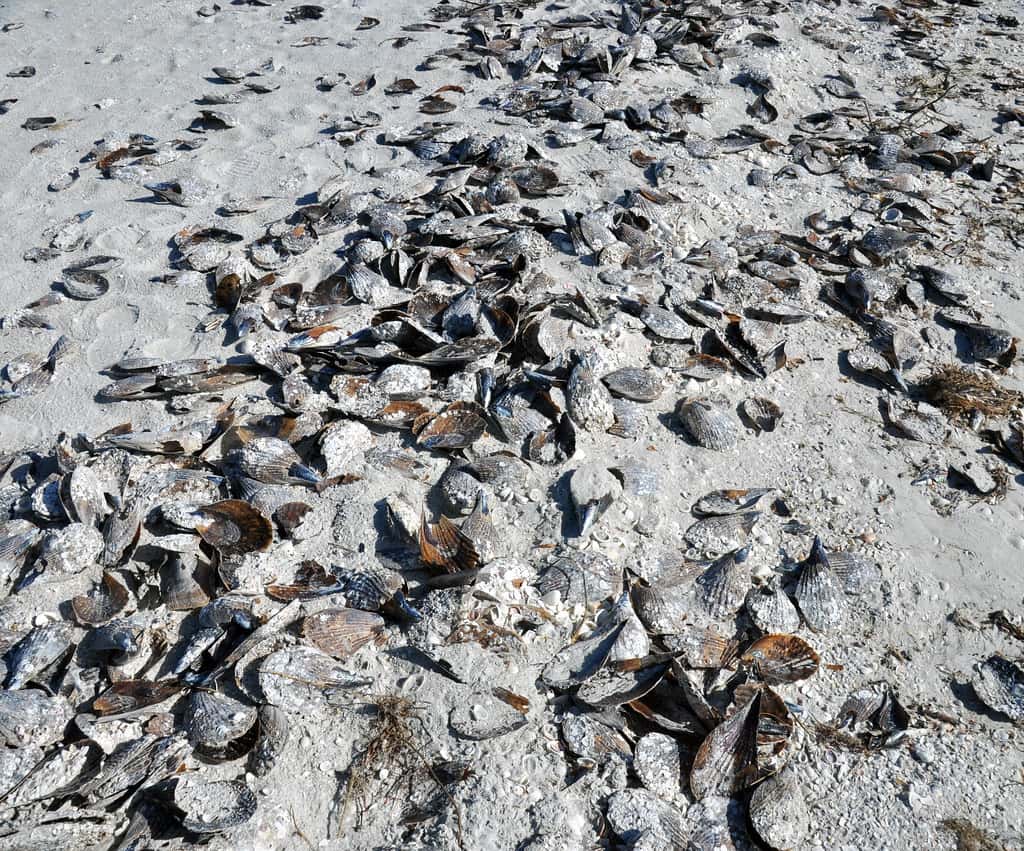
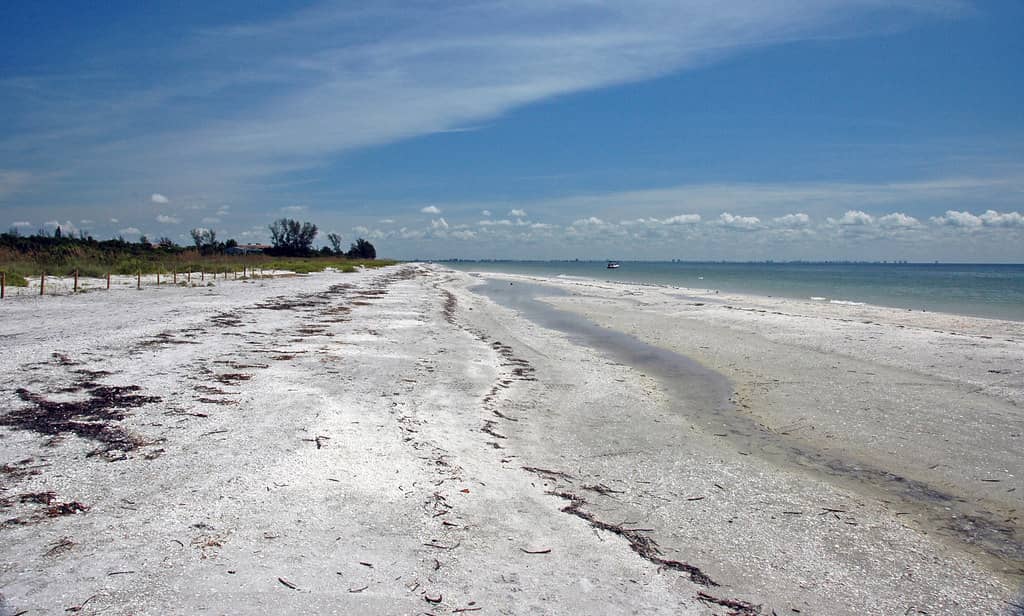
A muddy, rust-colored algae bloom has spread through the back bays and passes around Sanibel, Captiva, and Pine Island, turning water that is usually clear or tea-colored an opaque brown. The bloom is not red tide, the organism Southwest Florida residents have learned to watch for, but a different species that produces its own toxins and has caused fish kills in other regions where it has appeared.
The bloom, commonly called rust tide, was documented in mid-September in the estuarine waters behind the barrier islands. Its arrival coincides with a period when Karenia brevis, the organism responsible for Florida red tide, has been largely absent from state waters. The Florida Fish and Wildlife Conservation Commission reported in early September that Karenia brevis was not observed in samples collected statewide over the preceding week, with only a background-concentration detection in a single Northwest Florida sample.
For Southwest Florida, where the local economy runs on water quality, the distinction between blooms matters practically rather than academically. Different organisms produce different toxins, affect different species, and carry different implications for people on the water and for the businesses that depend on them.
What rust tide is
Rust tide is the common name for blooms of dinoflagellates in the genus Cochlodinium, more recently reclassified as Margalefidinium. The species most often responsible in temperate and subtropical estuaries gives water a distinctive reddish-brown or rust cast, which is the origin of the name.
The organism is a single-celled alga that occurs naturally in coastal waters. It becomes a bloom when conditions allow it to reproduce faster than it is consumed or dispersed, typically a combination of warm water, adequate nutrients, and calm or poorly flushed conditions that let cells concentrate.
Rust tide is best documented on the United States Atlantic coast, particularly in estuaries and embayments in the Northeast, where it has caused significant fish and shellfish mortality. In those events the organism has proven particularly harmful to shellfish and to finfish held in aquaculture or confined in poorly flushed water.
The toxicological picture differs from red tide in an important way. Karenia brevis produces brevetoxins that become airborne in sea spray, which is why red tide causes the respiratory irritation Gulf Coast residents recognize. Rust tide organisms are not known for that airborne respiratory effect, and the primary documented harm is to aquatic organisms in the water rather than to people breathing near the shore.
How it differs from red tide
Because the two are easily conflated, the differences are worth stating directly.
- Organism: red tide is caused by Karenia brevis; rust tide by a Cochlodinium or Margalefidinium species
- Color: red tide often tints water reddish or brownish; rust tide gives a muddier rust-brown appearance
- Airborne effect: red tide brevetoxins aerosolize and cause coughing and throat irritation; rust tide is not associated with that effect
- Shellfish: red tide closes shellfish harvesting because brevetoxins accumulate in filter feeders; rust tide has been associated with shellfish mortality
- Location: red tide typically blooms offshore in the Gulf and moves inshore; rust tide tends to bloom within estuaries and back bays
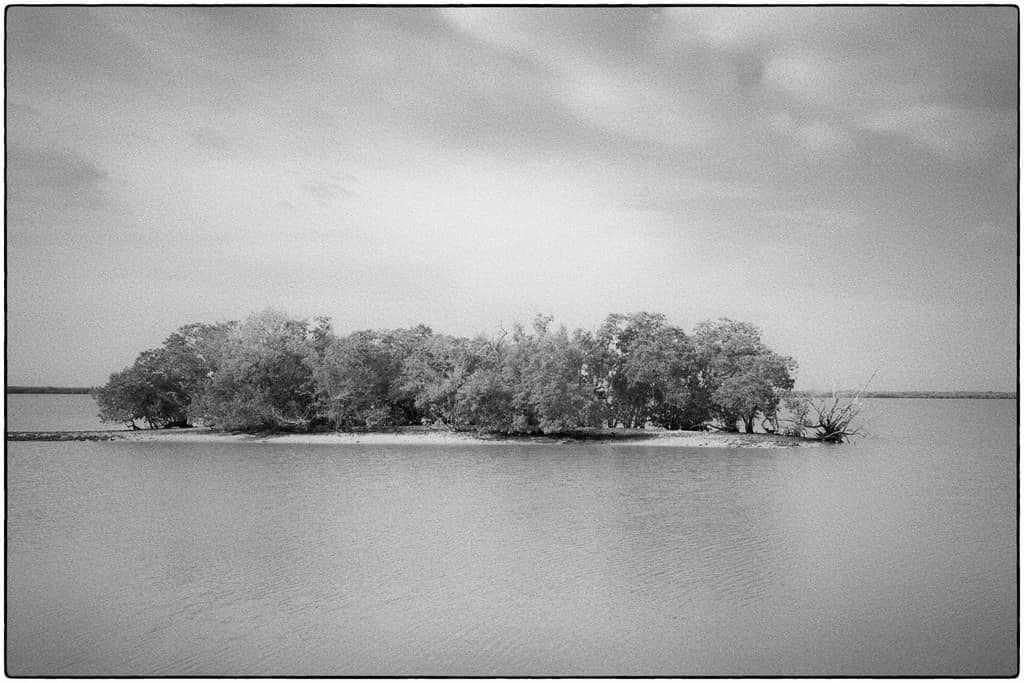
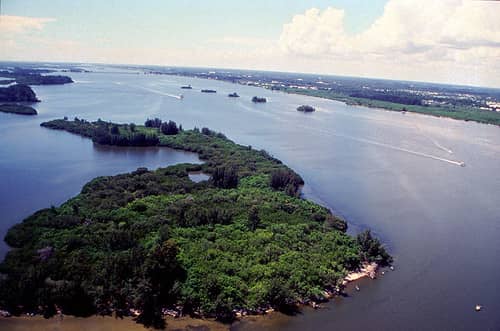
That last difference explains where this bloom has appeared. Back bays, passes, and the sheltered water behind barrier islands are exactly the poorly flushed environments where rust tide concentrates, and they are also where recreational boating, fishing, paddling, and waterfront residences are densest.
The manatee question comes up immediately in Southwest Florida, and the answer differs by organism. Red tide brevetoxins act as a neurotoxin in manatees and can cause seizures leading to drowning, and red tide events have produced significant manatee mortality. For rust tide, the expectation is that invertebrates would be more affected than manatees or sea turtles, which face a different risk profile.
What the timing suggests
September is a plausible month for an estuarine bloom in Southwest Florida. Water temperatures are at or near their annual peak, which accelerates algal growth rates. The wet season has delivered months of runoff carrying nutrients into the estuaries. And the region's back bays experience limited flushing when winds are light and tidal exchange is modest.
Nutrient loading is the factor most within human control and the most contested. The Caloosahatchee River watershed drains a large area of agricultural and developed land into the estuary around Pine Island and the barrier islands, and Lake Okeechobee releases add another variable. Nutrients from fertilizer, septic systems, stormwater, and wastewater all contribute to the nutrient pool that blooms draw on.
The relationship between nutrients and any specific bloom is not simple. Blooms require the right organism, the right physical conditions, and available nutrients simultaneously, and researchers are generally careful not to attribute a single event to a single cause. What is better established is that higher nutrient loading increases the frequency and duration of blooms over time.
The absence of red tide this year is a useful counterpoint. Karenia brevis blooms are driven substantially by offshore conditions and currents that transport cells inshore, and those conditions have not aligned in 2026. An estuarine bloom can develop while offshore conditions remain unfavorable for red tide, which is why one bloom being absent does not indicate general water quality improvement.
What it means for people on the water
For residents and visitors, the guidance is conservative and straightforward. Avoid swimming in discolored water. Keep pets out of it, since dogs will drink water that a person would not and are less able to avoid contact.
Anyone who does contact bloom water should rinse off with fresh water afterward. People with respiratory conditions, and anyone experiencing irritation, should leave the area, which is standard guidance for any harmful algal bloom regardless of organism.
For anglers, fish caught in bloom-affected water warrant caution. General state guidance for harmful algal blooms advises against eating fish that appear distressed or that were found dead, and against eating shellfish harvested from bloom-affected waters unless harvesting areas are open. Shellfish harvesting closures are managed by the state and are the authoritative reference.
Dead fish should be reported rather than assumed to be normal. The Fish and Wildlife Conservation Commission maintains reporting channels for fish kills and for distressed or dead marine mammals and sea turtles, and those reports are the primary way the state detects the geographic extent and severity of a bloom.
The economic stakes in Lee County
Southwest Florida's economy is unusually water-dependent, which makes any bloom a business story as well as an environmental one. Sanibel and Captiva are shelling and beach destinations with international recognition. Pine Island and the surrounding waters support a substantial recreational fishing and guiding industry. Waterfront property values throughout the region reflect water access and water quality.
Previous bloom events have demonstrated the economic mechanism clearly. Severe red tide episodes have produced hotel cancellations, charter cancellations, restaurant slowdowns, and cleanup costs for local governments, with effects lasting past the bloom itself because visitor perception recovers more slowly than water quality does.
Timing matters for how much damage a bloom does. September is a slow month in Southwest Florida tourism, positioned between summer family travel and the winter season that begins in earnest around Thanksgiving. A bloom that clears before the winter season begins carries far less economic consequence than one that persists into it.
The region is also still recovering from hurricane damage in recent years, which has made the tourism economy more sensitive to additional disruption. Businesses that rebuilt after storm damage have less financial cushion to absorb a bad season.
How Florida monitors blooms
The Fish and Wildlife Conservation Commission runs the state's harmful algal bloom monitoring program, collecting and analyzing water samples statewide and publishing status reports that identify where organisms have been detected and at what concentrations. The commission's red tide status page is updated regularly and is the standard reference for current conditions.
Sampling is supplemented by satellite observation, which can detect chlorophyll concentrations indicating a bloom over a broad area, and by citizen reporting. Beach condition reporting systems provide localized information about respiratory irritation and dead fish at specific access points, which is often what a visitor actually needs.
The state also maintains a water quality dashboard consolidating data across agencies, and county health departments issue advisories when conditions warrant. For rust tide specifically, monitoring is less routine than for red tide, because it has historically been a less frequent problem in Florida waters than on the Atlantic coast.
The broader water quality picture
Blooms in Southwest Florida sit inside a longer argument about the state's water management. The Caloosahatchee estuary receives freshwater from Lake Okeechobee through managed releases, and the volume and timing of those releases affect salinity and nutrient levels in the estuary.
Everglades restoration projects, including reservoirs and treatment areas designed to store and clean water before it moves south or is discharged to the coasts, are intended to reduce that pressure. Those projects are multi-decade undertakings, and their benefits arrive incrementally.
Local measures operate on a shorter timeline. Fertilizer ordinances restricting application during the rainy season, septic-to-sewer conversion programs, and stormwater treatment improvements all reduce nutrient loading at the source. Lee County and its municipalities have pursued versions of each, and the cumulative effect depends on how widely and consistently they are implemented.
What's next
Bloom duration is difficult to forecast. Estuarine blooms often break down when conditions change, with a strong wind event, a significant rainfall that alters salinity, or a change in tidal flushing frequently ending them. A period of settled, calm weather tends to sustain them.
Residents can track conditions through the Fish and Wildlife Conservation Commission's harmful algal bloom status reports and through beach condition reports for specific access points. Those sources are more reliable than visual assessment, because water can look discolored for reasons other than a bloom and can carry toxins without looking dramatic.
The wider seasonal transition matters too. Cooler water in late fall generally reduces bloom activity, and the strong El Nino forecasters expect this winter would bring a wetter and windier pattern to Florida, which changes both runoff and flushing in ways that could work in either direction for estuarine water quality.
Spotted an issue with this article?
Have something to say about this story?
Write a letter to the editor