Fed Holds Rates Steady as New Chairman Signals Possible Hikes, Keeping Pressure on Florida Homebuyers
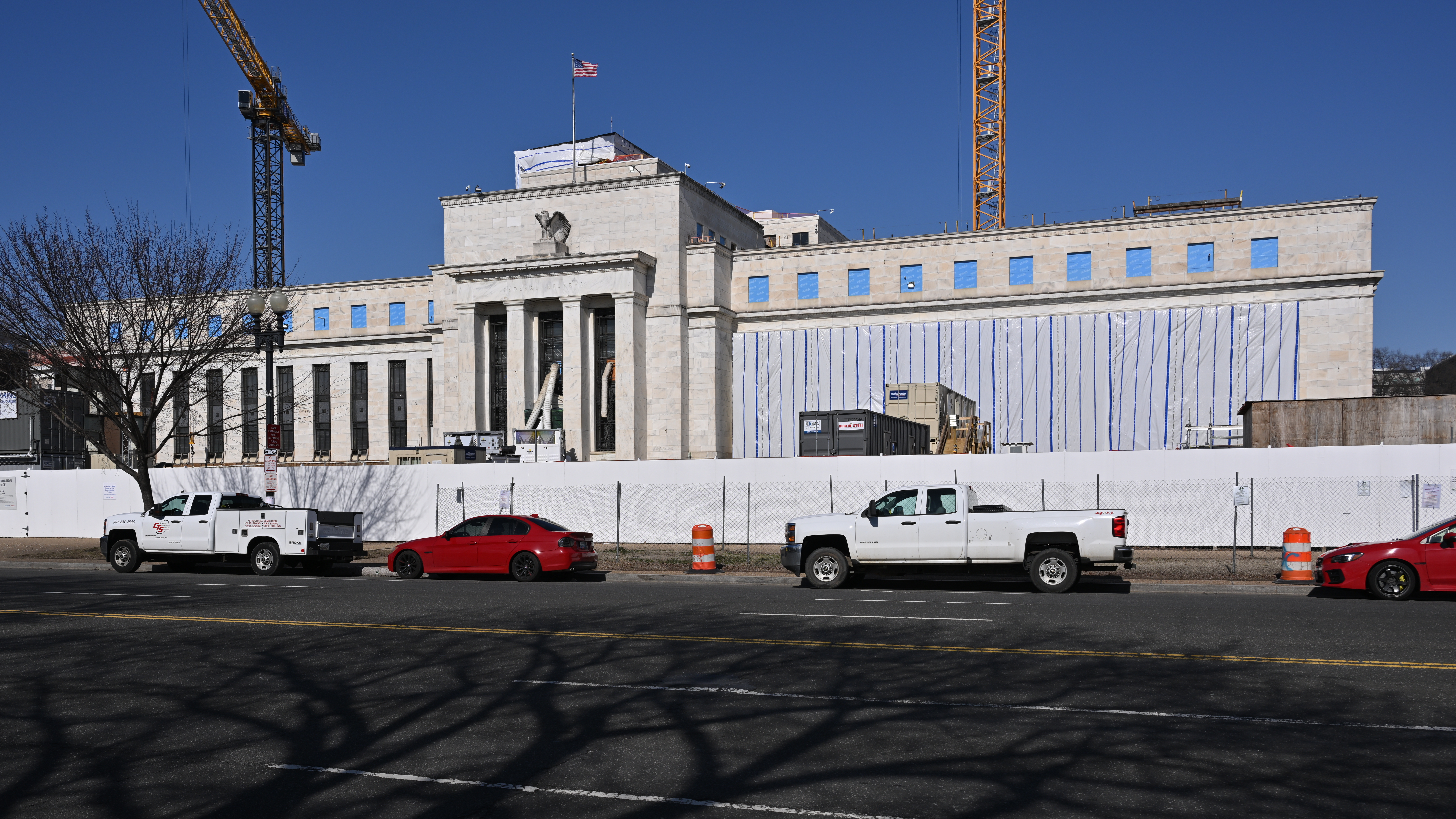
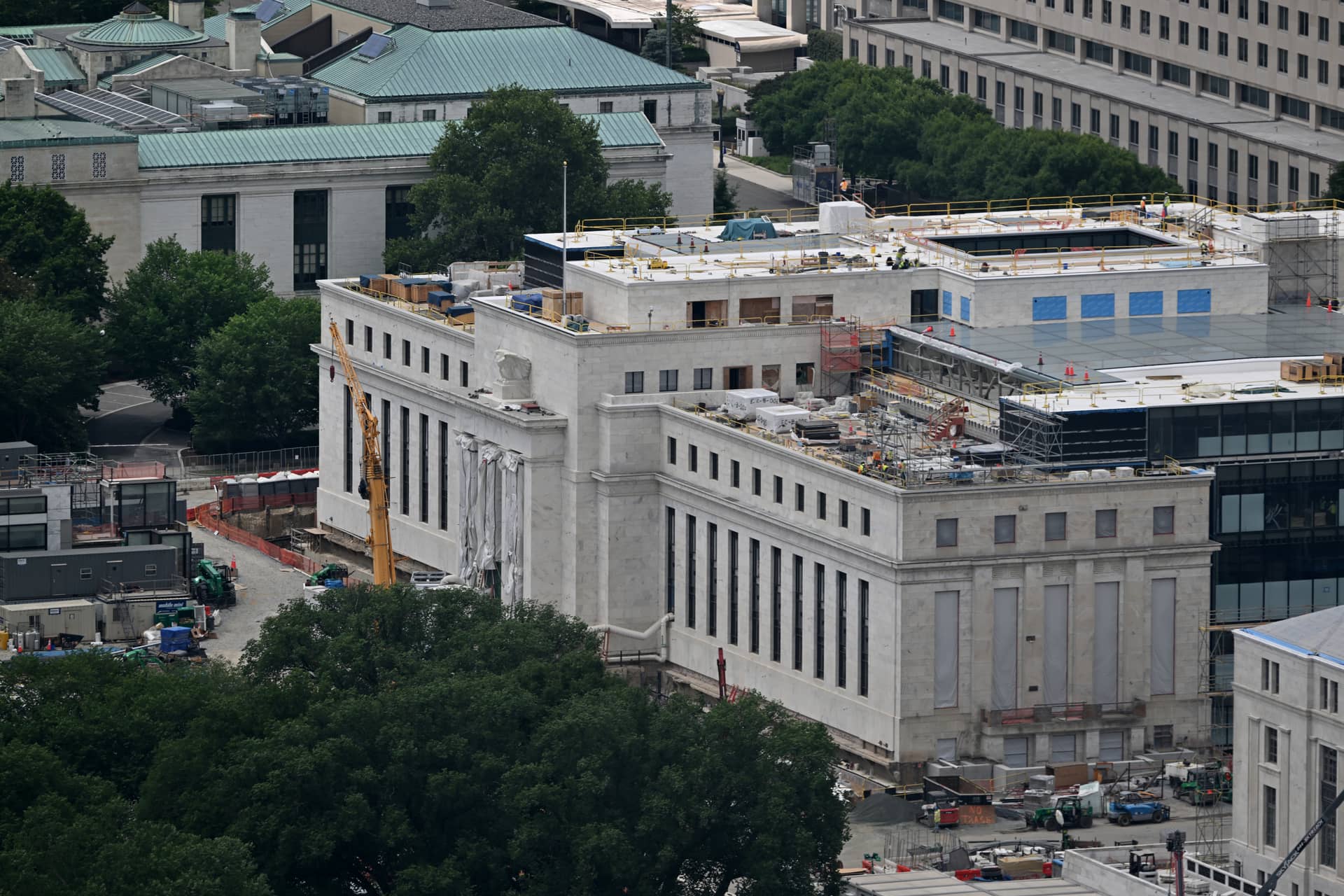
The Federal Reserve has again left its benchmark interest rate unchanged, holding the federal funds rate in a range of 3.50 to 3.75 percent for a fourth consecutive meeting and signaling that rate cuts remain off the table for now, a decision that carries direct consequences for Florida's housing market, homebuyers and the broader cost of living that dominates the state's economy. The move came at the first meeting led by new Federal Reserve chairman Kevin Warsh, who inherited an economy still grappling with elevated inflation.
For Floridians, the practical takeaway is that borrowing costs are staying high. Mortgage rates, auto loans, credit card balances and business financing all take their cues from the Fed's benchmark, and the central bank's decision to hold rather than cut prolongs the environment of expensive credit that has weighed on affordability across the state.
The decision unfolded against a backdrop of genuine uncertainty. Global supply disruptions, ongoing geopolitical tensions and an uneven domestic economic picture have made it difficult for the committee to declare victory over inflation and shift toward an easier stance. That complexity was evident in the policy statement and the economic projections the committee released alongside it.
What the Fed decided
The central bank's policy committee voted unanimously to maintain the target range for the federal funds rate at 3.50 to 3.75 percent, holding steady for the fourth straight meeting. The committee framed the decision around its dual mandate of stable prices and maximum employment, noting that economic activity continues to expand at a solid pace while inflation remains above the Fed's 2 percent goal.
In a notably brief policy statement, the committee pointed to elevated uncertainty stemming in part from conflict in the Middle East and to supply shocks that have driven price increases in certain sectors, including energy. The accompanying economic projections suggested the committee now sees at least one rate increase as possible this year, with members divided between those expecting no change and those anticipating a hike, and only a single member projecting a cut.
The unanimous vote itself carries meaning. When the full committee agrees, it signals broad institutional consensus rather than a narrow majority, and it tells financial markets that internal disagreement is not the factor holding back action. The committee is aligned in its view that current conditions do not yet justify a pivot toward easier policy, and that message was reinforced throughout the meeting materials.
Markets had largely expected the hold, but the tone of the projections was somewhat more cautious than some observers anticipated. The shift in the median dot plot toward a higher expected rate at year-end reflects how the committee's thinking has evolved as inflation has proven more persistent than earlier forecasts suggested it would be.
A new chairman, a cautious posture
The meeting marked the debut of Kevin Warsh as Federal Reserve chairman, and his first decision delivered continuity rather than a sharp break, holding rates steady while nodding to the possibility of hikes ahead. The cautious posture reflects the central bank's continued focus on bringing inflation back to target, even as that fight keeps borrowing costs elevated for households and businesses.
The projections, often called the dot plot, showed the median expectation for the benchmark rate at the end of the year ticking higher than earlier forecasts, a signal that the committee is leaning toward tighter policy rather than easing. For borrowers hoping for relief, the message was clear: the Fed is in no hurry to lower rates and may yet raise them, keeping the pressure on.
Leadership transitions at the Fed always attract scrutiny because markets try to read how a new chairman's philosophy will shape policy over time. Warsh comes in with a reputation for attentiveness to inflation risks, and his first meeting reinforced that image. Whether that philosophy translates into actual rate hikes in subsequent meetings will depend heavily on the incoming economic data, particularly inflation readings and labor market figures.
The impact on Florida housing
Nowhere is the Fed's stance felt more acutely in Florida than in the housing market. Mortgage rates, which move with the broader interest rate environment, remain well above the historically low levels of a few years ago, and the Fed's decision to hold ensures they will stay elevated in the near term. Higher rates raise monthly payments and reduce purchasing power, cooling demand and contributing to the more balanced market conditions that have emerged across the state.
Florida's housing affordability challenge is compounded by factors unique to the state, including high property insurance premiums and, in many areas, rising association fees. When elevated mortgage rates are layered on top of those costs, the all-in expense of owning a home becomes a serious barrier for many would-be buyers. The Fed's posture means that one of the largest components of that cost, the mortgage payment, is unlikely to ease soon.
The lock-in effect is another dimension of the problem. Many existing homeowners financed their properties at much lower rates and are reluctant to sell and take on a new mortgage at today's levels. That reluctance constrains inventory, keeping supply tight even as demand has softened, and it perpetuates a market dynamic where prices remain elevated despite affordability pressures. First-time buyers in particular face the double burden of higher prices and higher financing costs at the same time.
Florida's growth trajectory adds further complexity. The state has absorbed substantial in-migration in recent years, and that underlying demand provides a floor beneath home prices. Even as affordability strains and the pace of transactions slows, the structural demand created by population growth means the market is unlikely to see the kind of deep price corrections that would restore affordability on their own. The Fed's rate stance is therefore one of several forces that will need to shift before buying a home becomes significantly easier for average Floridians.
Beyond housing
The effects of high rates extend across the Florida economy. Small businesses, which form the backbone of many local economies, face higher costs to borrow for expansion, inventory and operations. Consumers carrying credit card debt or financing vehicles feel the pinch of elevated rates in their monthly budgets. The cumulative effect is a drag on spending and investment that ripples through communities statewide.
At the same time, savers benefit from higher rates on deposits and money market accounts, a counterpoint to the burden on borrowers. For Florida's large population of retirees, the interest earned on savings can provide meaningful income, illustrating how the same policy that strains borrowers can help those living off fixed assets. The net effect varies household by household depending on whether a family is a net borrower or a net saver.
The construction industry, which is a significant employer across Florida, feels the rate environment acutely. Developers and builders rely on construction financing that becomes more expensive as rates rise, and that added cost either squeezes project returns or gets passed through to buyers and renters in the form of higher prices. A sustained period of elevated rates therefore works against the new supply that would, in a different environment, help ease the state's housing shortage.
Inflation and the cost of living
The Fed's reluctance to cut rates stems from persistent inflation, which remains above the central bank's target. For Florida residents, the cost of living has been a central concern, encompassing housing, insurance, groceries and energy. The state's political leaders have made affordability a priority, and the broader inflationary environment that keeps the Fed cautious is the same one that squeezes household budgets across Florida.
Energy prices, flagged by the Fed as a source of supply-driven inflation, are particularly relevant in a state where air conditioning runs much of the year and where transportation costs weigh on commuters. The interplay between national monetary policy and local cost-of-living pressures means that the Fed's decisions, made in Washington, land directly on the kitchen tables of Florida families.
Groceries, dining out and everyday services have all reflected the inflationary pressures of recent years. While the pace of price increases has moderated from its peaks, the level of prices remains elevated, and many households feel the cumulative effect of years of above-normal inflation even when the headline rate appears to be moving in the right direction. The Fed's continued caution acknowledges that getting inflation sustainably back to target is a longer process than simply seeing the rate of increase slow.
The rental market and housing alternatives
For those priced out of homeownership by high mortgage rates, the rental market offers an alternative, but it is not without its own pressures. Rents across many Florida markets have climbed significantly in recent years, driven by the same in-migration and population growth that supports home prices. Elevated mortgage rates have also kept more would-be buyers in the rental market longer than they might otherwise choose to stay, adding to rental demand and putting upward pressure on rents.
Renters do not face mortgage rate risk directly, but they are exposed to rent increases at lease renewal and to the broader cost pressures that affect property owners, including insurance and property taxes. As those costs rise for landlords, they tend to flow through to tenants over time. The Fed's rate environment therefore affects renters indirectly, through the cost structure of the properties they occupy and through the competitive pressure from buyers who remain renters because ownership is out of reach.
What it means going forward
The Fed's signal that hikes are possible rather than cuts introduces a note of caution for anyone hoping that borrowing costs will fall. For prospective homebuyers, the message is that waiting for dramatically lower mortgage rates may be a losing strategy in the near term, and that affordability will continue to hinge on insurance costs, home prices and personal finances as much as on the headline rate.
For the broader economy, sustained higher rates act as a brake, slowing growth in interest-sensitive sectors like housing and construction that are especially important in Florida. The central bank is betting that keeping policy tight will eventually bring inflation to heel without tipping the economy into recession, a delicate balance that will shape Florida's economic conditions in the months ahead.
What's next
Attention now turns to the Fed's upcoming meetings and to the economic data that will guide its decisions. If inflation cools, the path could open toward eventual rate cuts that would relieve pressure on Florida borrowers. If price pressures persist or worsen, the hikes the committee has hinted at could materialize, pushing borrowing costs even higher.
For Floridians, the bottom line is that the era of cheap money remains firmly in the past, at least for now. The Fed's steady hand keeps mortgage rates elevated and affordability strained, reinforcing the cost-of-living challenges that define daily life in the state and ensuring that national monetary policy remains a powerful force shaping Florida's economy.
Spotted an issue with this article?
Have something to say about this story?
Write a letter to the editor