Florida Names Math, Science and ESE Among High-Demand Teacher Areas for 2026-27
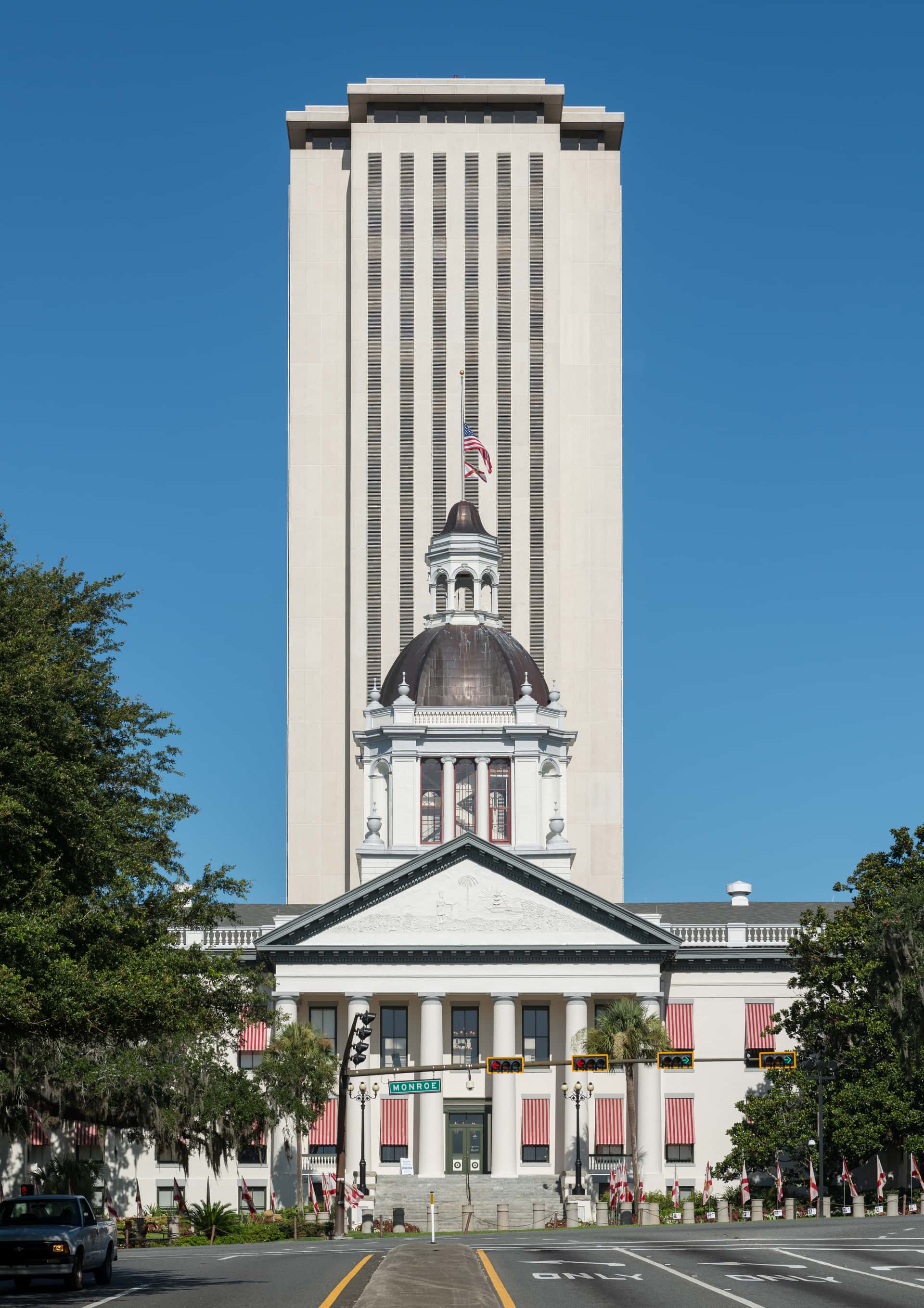
The Florida Department of Education has identified exceptional student education, English for Speakers of Other Languages, mathematics, science, and English among the state's high-demand teacher certification areas for the 2026-27 school year, formalizing where Florida's staffing gaps are concentrated as districts work through another year of hiring pressure.
The designation is not symbolic. High-demand area status carries practical consequences for teacher preparation programs, for loan forgiveness and certification incentives, and for how districts prioritize recruiting dollars. It also functions as the state's own public accounting of where classrooms are hardest to staff.
The list arrives against a mixed statistical backdrop. The state has reported that teacher vacancies for the 2025-2026 school year ran 17.7 percent below the prior year, a meaningful improvement. At the same time, the Florida Education Association, the state's teachers union, has continued to characterize vacancy levels as a retention crisis, and independent tallies have placed Florida's raw count of unfilled teaching positions among the highest in the country.
What the designation covers
Exceptional student education, the category covering students with disabilities, has been a persistent shortage area in Florida and nationally. ESE positions require additional certification, carry heavier documentation and compliance obligations under federal law, and often involve smaller caseloads with higher individual student need. Districts routinely report ESE as their most difficult category to fill and their most difficult to retain.
English for Speakers of Other Languages reflects Florida's demographics. The state serves a large population of students whose first language is not English, concentrated in South Florida, Central Florida, and agricultural communities across the peninsula, and the instructional requirements for those students are governed by both state rule and federal civil rights obligations.
Mathematics and science shortages follow a pattern visible in nearly every state. Candidates with degrees in those fields have alternative career options at higher starting salaries, and the gap between a teaching salary and a private-sector salary is widest in exactly these disciplines. English joins the list as a high-volume requirement, since every student takes it every year, which makes even a modest per-school shortfall add up across a district.
The numbers, and why they conflict
Readers encountering Florida teacher vacancy figures will find numbers that appear to contradict each other, and the explanation is largely methodological. The state counts vacancies at a specific point in time, typically after the school year begins and after districts have filled positions through whatever means available. Union counts and independent analyses often use different snapshots or count differently.
The more revealing measure may be neither of those. Analysts tracking Florida staffing have noted that the number of certified teachers being replaced with out-of-field or temporary instructors has nearly doubled over roughly five years. A position filled by someone teaching outside their certification area does not appear as a vacancy, but it is not the same as a position filled by a fully certified teacher in their subject.
That distinction matters most in exactly the subjects on the high-demand list. A school that cannot find a certified chemistry teacher may assign the course to a biology teacher or to someone on a temporary certificate. The classroom is covered. Whether it is staffed in the sense the certification system intends is a different question.
Pay and the retention problem
Florida has invested substantially in raising minimum teacher salaries over the past several years, a policy push that lifted starting pay considerably. The effect on average pay has been less pronounced, because raising the floor does not by itself move the midpoint, and Florida has continued to rank near the bottom nationally on average teacher salary in analyses published by national organizations.
That structure produces a particular retention dynamic. A new teacher in Florida may find the starting salary competitive with neighboring states. A teacher eight or twelve years into a career may find that their pay has compressed toward the same figure a first-year colleague earns, which removes a financial reason to stay. Compression is a recognized problem in states that have raised minimums quickly, and it tends to show up as mid-career attrition rather than as difficulty hiring.
Cost of living compounds it. Housing and property insurance costs in Florida's largest metropolitan areas have risen sharply over the past several years, and a teaching salary that was workable in Miami-Dade, Broward, or Monroe County a decade ago buys considerably less housing today. Several districts in high-cost areas have explored workforce housing programs specifically to address this.
What districts are doing
Districts have responded with accelerated pathways into the profession. Programs that allow degree-holders in other fields to move into classrooms while completing certification requirements have expanded across South Florida and elsewhere, and they are aimed squarely at the math and science gap, where career-changers with technical backgrounds are the most plausible recruiting pool.
Others have leaned on bonuses and differential pay for hard-to-staff subjects and schools. Differential pay is effective in the narrow sense that it moves candidates toward specific vacancies, though it can create friction among staff when colleagues teaching different subjects in the same building earn different amounts.
A third approach involves international recruitment, particularly for language and ESE positions, which several Florida districts have used. Visa processing timelines and the administrative burden of sponsorship limit how much scale that approach can reach, but for specific hard-to-fill categories it has become a standard part of the toolkit.
The enrollment variable
Florida's staffing picture is complicated by shifting enrollment. The state's education choice programs have expanded substantially, and enrollment in private and charter schools has grown while traditional public school enrollment in some districts has been flat or declining. Fewer students in a district means fewer positions to fill, which can improve a vacancy rate without any improvement in recruitment.
That dynamic varies sharply by region. Fast-growing counties in Central Florida and along the Gulf Coast continue to add students and continue to need new teachers. Districts in areas with slower growth or out-migration face a different problem, in which declining enrollment reduces per-student funding while fixed costs remain.
The interaction between choice programs and staffing is not simple. Teachers who leave a district school may take a position at a charter or private school rather than leaving the profession, which changes where a teacher works without changing the total supply. Statewide data on that movement is thinner than data on vacancies.
What it means for Florida families
For parents, the practical question is whether their child's teacher is certified in the subject being taught, and that information is generally available on request from a school. Florida requires parental notification in certain circumstances when a teacher is teaching out of field, and families in high-demand subject areas are the most likely to encounter it.
For students in exceptional student education, the stakes are higher and more specific. Services in a student's individualized education program are legally required, and staffing shortfalls in ESE can translate into delayed or reduced service delivery. Parents in that category have formal recourse through the IEP process if services are not being delivered.
For high school students planning on advanced coursework, math and science shortages can affect which courses a school is able to offer at all. A school without a qualified instructor may drop an advanced course from its catalog, which narrows the options available to students preparing for competitive university admission.
How the designation is used
High-demand certification status feeds several state mechanisms at once. It informs which fields qualify for teacher loan forgiveness and scholarship programs, it guides how state-approved educator preparation programs allocate their capacity, and it signals to career-changers and out-of-state applicants where Florida is actively recruiting. For a district personnel office, the list is also a budgeting document, because it indicates where the state is likely to support supplemental incentives.
The designation process itself is data-driven rather than discretionary. The Florida Department of Education reviews vacancy reporting from districts, certification issuance patterns, and projected staffing needs, then publishes the areas meeting the criteria. Because the analysis runs on a lagging data cycle, the list describes shortages that districts have already been experiencing rather than shortages forecast to emerge.
That lag is worth keeping in mind when reading the list as a statement about the current school year. The 2026-27 designations reflect conditions observed through prior reporting periods. If a district's staffing picture has changed sharply in either direction since then, the designation may understate or overstate what that particular district is facing right now.
The regional picture
Florida's staffing pressure is not distributed evenly. The largest districts, Miami-Dade, Broward, Hillsborough, Orange, and Palm Beach, hire in volumes that make even small percentage gaps significant in absolute terms, and they compete with one another for the same regional candidate pools. A Broward vacancy and a Palm Beach vacancy are frequently chasing the same applicant.
High-cost coastal counties face a specific version of the problem. In Monroe County and in parts of Southeast Florida, housing costs relative to teacher salaries have made recruitment from outside the area difficult, and several districts have pursued employee housing arrangements as a direct response. Rural districts in the Panhandle and in the state's agricultural interior face the opposite constraint: lower housing costs but a much thinner local pool of certified candidates and limited capacity to run their own preparation pipelines.
Fast-growing Central Florida and Southwest Florida districts sit in a third category. Enrollment growth there generates new positions each year on top of ordinary turnover, which means those districts must recruit at scale simply to keep pace with the students arriving, before addressing any existing gaps.
What's next
The high-demand designations take effect for the 2026-27 school year and will shape certification incentives and preparation program priorities accordingly. Districts will continue hiring through the current year, and the state's next vacancy count will provide the first clear read on whether the improvement reported for 2025-2026 has held.
Teacher compensation is likely to return as a legislative subject. Florida lawmakers have addressed minimum salary repeatedly, and the compression problem that follows from that approach has become prominent enough that it is drawing attention from both district leaders and the union.
The longer-term question is supply. Enrollment in Florida teacher preparation programs, like enrollment in such programs nationally, has not kept pace with demand, and no short-term recruiting strategy resolves a shortage of people entering the pipeline. That is the problem underneath the annual vacancy count, and it is the one least amenable to a quick fix.
Spotted an issue with this article?
Have something to say about this story?
Write a letter to the editor