Garfinkel Steps Down as Dolphins CEO as Ross Builds a New Sports Holding Company
Tom Garfinkel is stepping down as president and chief executive of the Miami Dolphins after 13 years, the team announced, in a restructuring that also creates a new umbrella company overseeing owner Stephen Ross's sports and entertainment holdings. Daniel Sillman has been named chief executive officer of the new entity, Ross Sports and Entertainment, and will oversee the Dolphins' football operations reporting structure.
What was announced
Garfinkel is not leaving the organization entirely. He will remain as vice chairman of the Dolphins and Hard Rock Stadium and as managing partner of the Formula 1 Miami Grand Prix, retaining involvement with the event portfolio he was central in building. He said the decision came because it was the right time and that the organization is in its strongest position yet.
The new Ross Sports and Entertainment structure consolidates the Dolphins, Hard Rock Stadium, the Miami Grand Prix, the Miami Open tennis tournament, and Precision Drive Club under a single corporate umbrella. That collection reflects how far the enterprise has expanded beyond an NFL franchise over the past decade.
Sillman arrives at the top of that structure with responsibility spanning all of it, including oversight of the Dolphins' football operations. The reporting line for football decisions is the element of any front office restructuring that draws the most scrutiny, because it determines who general managers and coaches ultimately answer to.
Garfinkel's 13 years
Garfinkel joined the Dolphins in 2013 from the San Diego Padres, where he had served as president and chief operating officer, and before that he worked in NASCAR. He arrived at a franchise with an aging stadium, a fan base worn down by a long stretch without sustained on-field success, and no meaningful event business beyond the NFL schedule.
The stadium renovation is the most visible piece of his tenure. Hard Rock Stadium underwent a comprehensive rebuild that added a canopy, reconfigured seating, and modernized the premium product, financed substantially by Ross rather than through the public subsidy model common in NFL stadium projects. The renovated venue subsequently hosted a Super Bowl and a College Football Playoff national championship.
The event portfolio built around the stadium is the less obvious but arguably more consequential achievement. Bringing Formula 1 to Miami Gardens, adding the Miami Open after its move from Key Biscayne, and hosting major soccer fixtures turned a facility used ten times a year into a venue with a substantially fuller calendar and a diversified revenue base.
What the restructuring signals
Creating a holding company with a chief executive over multiple properties is the structure of a diversified sports and entertainment business rather than a football team with side ventures. That shift reflects where the revenue is going. Formula 1 in Miami and the Miami Open are large businesses in their own right, and managing them under the Dolphins' organizational chart had become an awkward fit.
The football operations reporting piece is what Dolphins fans will focus on. Under most NFL ownership structures, the general manager reports to a team president or directly to ownership, and inserting an executive over that relationship changes who arbitrates football decisions and who makes hiring calls when they need to be made.
Ross has owned the Dolphins since 2008 and has cycled through multiple front office and coaching configurations in that time without producing sustained playoff success. Structural reorganizations at this level are typically undertaken by owners who have concluded that the existing arrangement was part of the problem.
Where the football team stands
The announcement lands during training camp, with the Dolphins working through the early padded practices of the 2026 preseason at their Miami Gardens facility. The team has been active with roster moves in recent days, claiming tight end Jeremiah Franklin off waivers from New England and signing defensive lineman Fatorma Mulbah, while waiving edge Seth Coleman-Lyles and placing defensive lineman Rene Konga on injured reserve.
Running back De'Von Achane has been available for camp practices, and the team reported that its veterans passed conditioning tests upon reporting. Rookie tight end Will Kacmarek has drawn attention in early practices for the physical blocking that was a feature of his college tape at Ohio State.
Front office changes announced during camp inevitably become a story the coaching staff has to manage. Players and coaches are focused on installation and roster competition, and organizational restructuring above them is a distraction they have limited ability to influence.
The South Florida sports business context
The Dolphins operate in a market with an unusual density of professional sports properties. The Heat, Panthers, Marlins, Inter Miami, and a growing calendar of major events all compete for the same corporate sponsorship dollars, media attention, and discretionary spending.
Ross's strategy of building an event portfolio around a single venue is a response to that competition. Rather than fighting for share of the football season, Hard Rock Stadium and its associated properties generate revenue across the calendar from audiences who may have no particular interest in the NFL.
The Miami Grand Prix in particular reaches an international audience and a luxury demographic that no other property in the Ross portfolio touches. It has also been the subject of local friction, with Miami Gardens residents raising concerns about noise and traffic during race weekend.
What Sillman brings
Sillman comes into the role with a background in sports media rights and commercial strategy, the skill set that maps to running a portfolio of properties whose value is driven substantially by broadcast, sponsorship, and hospitality revenue rather than by ticket sales alone.
The immediate practical questions are whether he retains the existing football leadership structure, how he handles the relationship between the football side and the events business, and what the reporting lines look like in practice rather than on an organizational chart.
Executives arriving over an existing football operation typically face a period during which their intentions are read into every decision. The first meaningful test usually comes at the end of a season, when personnel decisions are made and the actual decision-making authority becomes visible.
How the stadium became a year-round business
Hard Rock Stadium's transformation is the clearest measure of what changed under Garfinkel. An NFL stadium hosts ten guaranteed events a year, counting preseason, and the economics of a facility used that infrequently are difficult regardless of how well the football team performs.
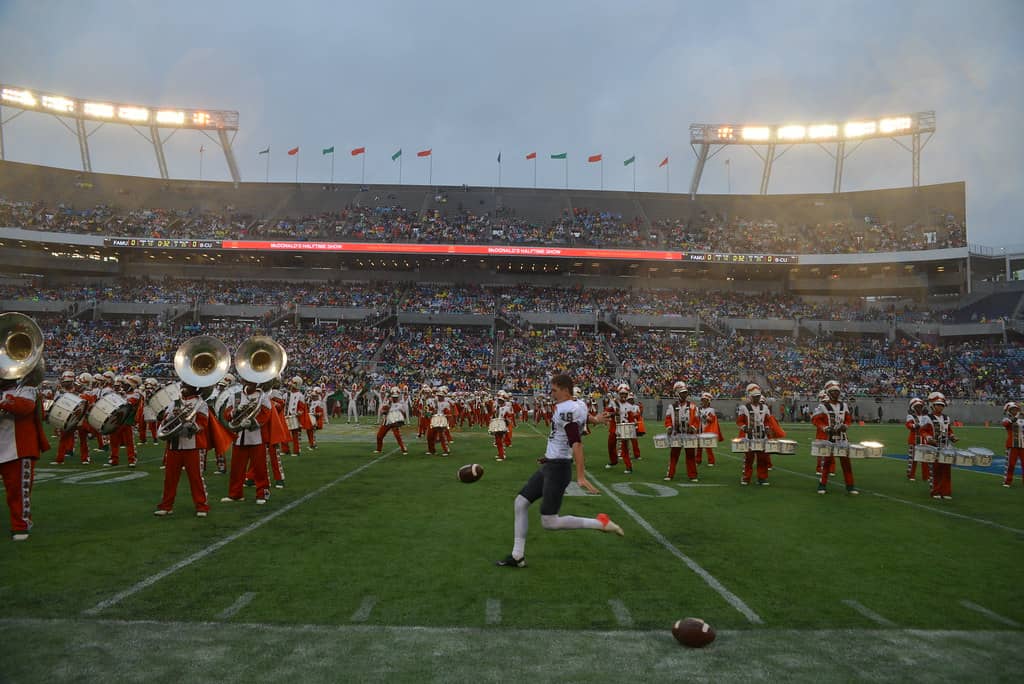
The additions changed the calendar substantially. The Miami Open relocated to the stadium campus from Key Biscayne, building permanent tennis facilities and bringing a two-week international tournament. Formula 1 constructed a circuit through the surrounding property. The venue has hosted major international soccer fixtures, college football, and concerts.
Each addition carries its own infrastructure and operating requirements, and building them out required capital investment beyond the stadium renovation itself. The resulting campus functions more like an entertainment district than a football stadium with a parking lot.
The community relationship has been the complicated part. Miami Gardens residents have raised concerns about traffic, noise, and neighborhood impact during major events, particularly race weekend, and the negotiations that produced the Formula 1 arrangement involved substantial local dispute.
The NFL ownership context
Ross bought the Dolphins in stages beginning in 2008, and franchise valuations across the NFL have appreciated dramatically since. The financial performance of the investment has been strong regardless of on-field results, which is true of essentially every NFL franchise over that period.
That appreciation has changed how owners think about their organizations. A franchise worth several billion dollars supports a management structure and a diversification strategy that a smaller enterprise could not, and Ross's expansion into events and venues follows a pattern visible across the league.
Succession is the subject that hovers over any discussion of an owner in his eighties. Ross has taken on minority investors, and NFL rules govern ownership transfers in ways that make the process slow and heavily scrutinized by the league office and other owners.
Creating a professionalized holding company with an outside chief executive is, among other things, the kind of structure that makes an eventual transition more orderly. Whether that is the intent here has not been stated, but the organizational form is consistent with it.
What fans should actually watch for
Organizational restructurings produce a great deal of commentary and relatively few observable changes in the short term. The signals worth tracking are concrete rather than rhetorical.
The first is whether the general manager and head coach reporting relationships change in practice. Announcements describe org charts; the meaningful question is who is in the room when personnel decisions get made, and that becomes visible around the trade deadline and in the offseason.
The second is capital allocation. An owner who has professionalized the enterprise typically has clearer views about where money goes, and spending on football infrastructure, facilities, and support staff is where those views show up.
The third is stability. The Dolphins have cycled through leadership configurations repeatedly under the current ownership, and each transition has restarted a rebuilding process. Whether this structure lasts is the variable that most affects the football team over any meaningful horizon.
What's next
The Dolphins continue training camp through August with preseason games and joint practices scheduled, including a joint session with the New York Giants. The regular season opens in September.
Garfinkel's continuing role as managing partner of the Miami Grand Prix means he remains involved in the property he was most personally associated with building. The 2027 race is on the Formula 1 calendar and Hard Rock Stadium remains its venue.
Whether the restructuring produces changes in football operations personnel is the question that will not be answered until the season concludes. NFL organizational changes made in August rarely extend to the coaching staff or general manager before a season is played.
Spotted an issue with this article?
Have something to say about this story?
Write a letter to the editor