Inter Miami Pushes Through Leagues Cup as Messi Returns From a Family Loss
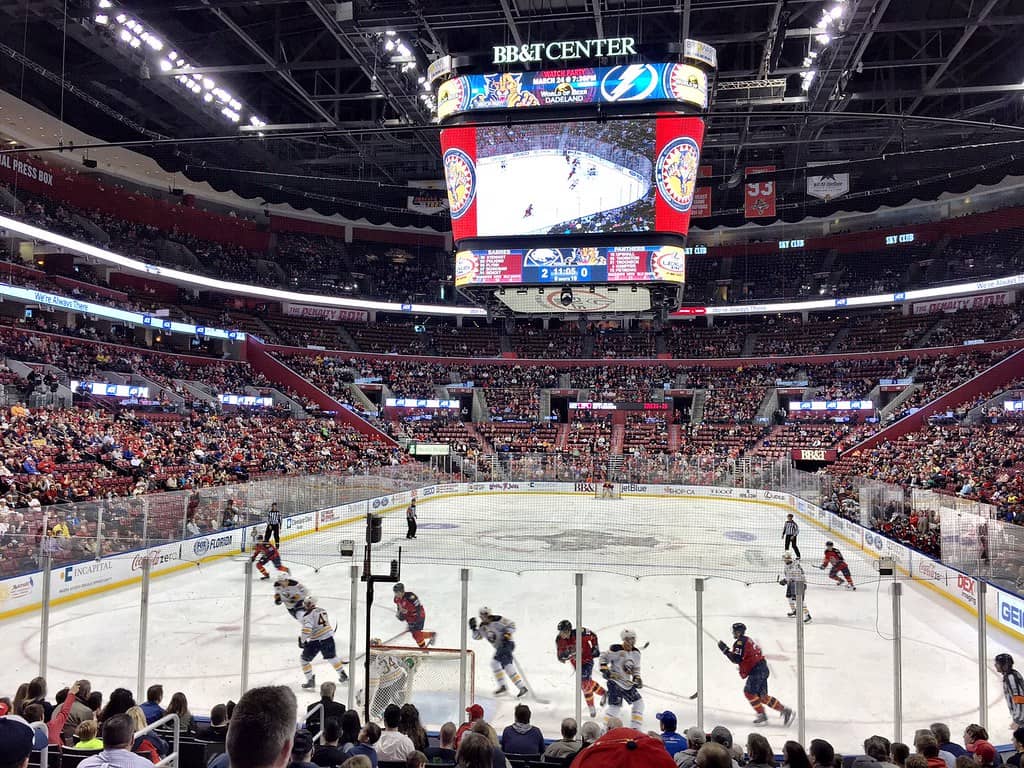
Inter Miami's 2026 Leagues Cup campaign has been defined less by results than by the circumstances surrounding its captain. Lionel Messi returned to action for the club's Matchday 3 fixture against Club Leon at Nu Stadium hours after attending his father's funeral, coming on at halftime in a match Miami lost 3-2.
That appearance came days after Messi had set a tournament record. In Inter Miami's Leagues Cup opener, a 4-2 victory over Liga MX side Atletico de San Luis, he scored twice to become the all time leading scorer in Leagues Cup history with 14 goals, passing LAFC forward Denis Bouanga. Telasco Segovia and Micael also scored in that match.
Messi had returned to the club earlier in August following an extended break after the World Cup, and the compressed sequence of his return, the record, the family loss and the immediate return to the field has made this a difficult stretch for the player and the club alike.
What Leagues Cup is
Leagues Cup is a competition between clubs from Major League Soccer and Liga MX, played during a break in the MLS regular season. It is a sanctioned tournament with a place in the North American calendar, and it carries qualification implications for the CONCACAF Champions Cup.
The format brings MLS and Mexican clubs into direct competition on a regular basis, which had previously happened only in continental competition or in friendlies. For MLS clubs, results against Liga MX opponents carry a comparative weight beyond the tournament itself, because the two leagues have been measured against each other for as long as both have existed.
For Inter Miami, the competition has been productive. Messi's tournament record reflects sustained scoring output across editions, and the club's first major trophy came in this competition.
The tournament's placement in the calendar means clubs are managing squads across two competitions simultaneously, and results in one frequently reflect rotation decisions made with the other in mind.
The context around Messi
Messi's father, Jorge Messi, had been his son's manager and closest professional adviser throughout his career, negotiating the transfers and contracts that defined it. The relationship was among the most visible parent and athlete partnerships in world sport.
That Messi played at all in the Leon match, hours after the funeral, is a decision that belongs to him and to his family. He entered at halftime rather than starting, which reflects a managed approach rather than a full commitment to the fixture.
The stretch also followed what was reported as a retirement hint from Messi in the hours before that match. Speculation about the end of his career has recurred for years, and no formal announcement has been made. His contract situation with Inter Miami and his participation in the international calendar are the concrete indicators, and neither has changed publicly.
Anything beyond that is speculation, and the club has not commented on his long term plans in a way that would resolve the question.
What it means for the club
Inter Miami's competitive model is built around Messi in a way that has few parallels in team sport. He is simultaneously the club's best player, its commercial engine and the reason for a substantial share of its attendance and broadcast value.
That dependence creates obvious fragility. The 3-2 loss to Leon, with Messi entering only at halftime, illustrated the gap between the team with him and the team without.
The club has attempted to build around that dependence with additional signings, and players including Segovia have contributed. But the structural reality is that Inter Miami's results correlate closely with Messi's availability, and that will remain true for as long as he is at the club.
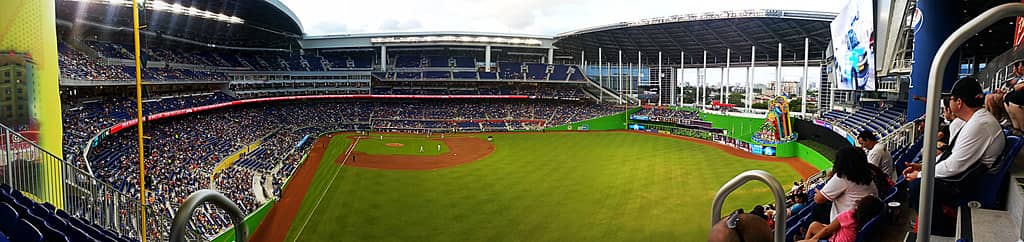
Inter Miami now plays at Nu Stadium, the club's new venue at Miami Freedom Park, replacing the temporary arrangement in Fort Lauderdale that housed the team through its early seasons. A permanent home in Miami proper is a structural change for a club whose ambitions have always exceeded its infrastructure.
The Florida soccer picture
Florida supports two MLS clubs, Inter Miami and Orlando City SC, along with the Orlando Pride in the National Women's Soccer League. The state's soccer market is among the strongest in the country, driven by demographics, by a large population with ties to soccer playing nations, and by year round playing weather.
Inter Miami's arrival at the top of the sport's global attention has raised the profile of the entire market. Attendance across the region, youth participation and the commercial value of soccer properties in Florida have all moved since Messi's arrival.
Orlando City and the Orlando Pride operate in a market with its own established supporter culture, and the in state rivalry between Orlando and Miami has grown into one of the more genuine derbies in MLS.
Florida is also part of the 2026 World Cup landscape, with Hard Rock Stadium in Miami Gardens among the North American venues hosting the tournament. The infrastructure and attention that arrive with a World Cup have durable effects on a soccer market.
What it means for fans
Ticket demand for Inter Miami remains elevated across every price tier, with even upper level seats commanding prices far above typical MLS levels and prices climbing rather than falling as matches approach. That pricing dynamic is a direct function of Messi's presence and of the possibility that any given match could be among his last.
For fans planning to attend, that means securing tickets early rather than waiting for late availability, which is the opposite of how most sporting event markets behave.
Messi's participation in any specific match is not guaranteed. He has been managed carefully across competitions, and the club has rotated him in and out of fixtures based on load management and, recently, on personal circumstances.
Nu Stadium and Miami Freedom Park
Inter Miami's move to its permanent home in Miami changed the club's operating economics. The temporary arrangement in Fort Lauderdale had limited capacity and constrained the revenue a club with global attention could generate from matchdays.
A purpose built stadium in Miami proper gives the club control over premium seating, hospitality and the surrounding development, which are the revenue channels that separate the most valuable soccer clubs from the rest. It also places the team in the city whose name it carries.
The venue arrived at the point in the club's history when demand most exceeded supply, with Messi driving ticket prices to levels no other MLS club approaches. Capturing that demand in a facility the club controls is the commercial rationale for the project.
What comes after Messi
Every club built around a singular player faces the question of what happens next, and Inter Miami's version is unusually stark because the gap between Messi and any plausible replacement is so large.
The club's strategy has been to build institutional assets that outlast the player: the stadium, the training infrastructure, the youth academy and the commercial relationships established during this period. Those assets do not depend on any individual remaining.
The 2026 World Cup, with matches at Hard Rock Stadium in Miami Gardens, provides an additional platform. Tournaments of that scale leave behind expanded fan bases and infrastructure investment, and the timing gives Florida soccer a growth opportunity independent of any single club's roster.
Squad depth beyond the captain
Inter Miami has assembled a roster that includes several players with elite European pedigrees alongside younger signings developed within the club and acquired from South American leagues. Telasco Segovia and Micael both found the net in the Leagues Cup opener, evidence that scoring does not depend entirely on one player.
The challenge is consistency. A squad built around a singular talent tends to defer to him, and the supporting cast's output can fluctuate substantially depending on whether he is on the field. The Leon match, in which Miami lost despite Messi entering at halftime, illustrated the volatility.
Squad building in MLS operates under roster rules including designated player slots and allocation money that constrain how a club distributes salary. Inter Miami has used those mechanisms aggressively, and the resulting roster shape concentrates value at the top.
The MLS calendar ahead
League play resumes after the tournament break, and Inter Miami's position in the Eastern Conference standings determines its playoff path. MLS uses a conference based playoff format, and seeding governs home field advantage through the rounds.
Roster availability through the fall depends on international duty as well as on fitness. Players called up for national team windows miss club matches, and Inter Miami's roster includes several internationals subject to those calls.
The club's South America tour, with its first three matches announced, adds travel to a congested calendar. Commercial fixtures of that kind generate revenue while imposing physical cost on a squad already managing a demanding schedule.
What is next
Inter Miami continues through the Leagues Cup schedule, and the club has separately announced a South America tour with its first three matches revealed. Those fixtures reflect the commercial pull the club now exercises internationally.
The MLS regular season resumes after the tournament break, and Inter Miami's league position and playoff qualification remain the primary competitive objective of the year. Leagues Cup results do not affect MLS standings.
The larger question, how much longer Messi continues playing, will be answered on his timeline rather than the calendar's. For now the club continues to plan around his availability, and the pricing in the secondary ticket market suggests supporters are treating each appearance as one worth seeing.
Supporters tracking the club should note that Leagues Cup results carry no effect on MLS standings, so the tournament's outcome shapes silverware and continental qualification rather than the league playoff picture.
Spotted an issue with this article?
Have something to say about this story?
Write a letter to the editor