Messi Returns to Inter Miami as Leagues Cup Play Begins
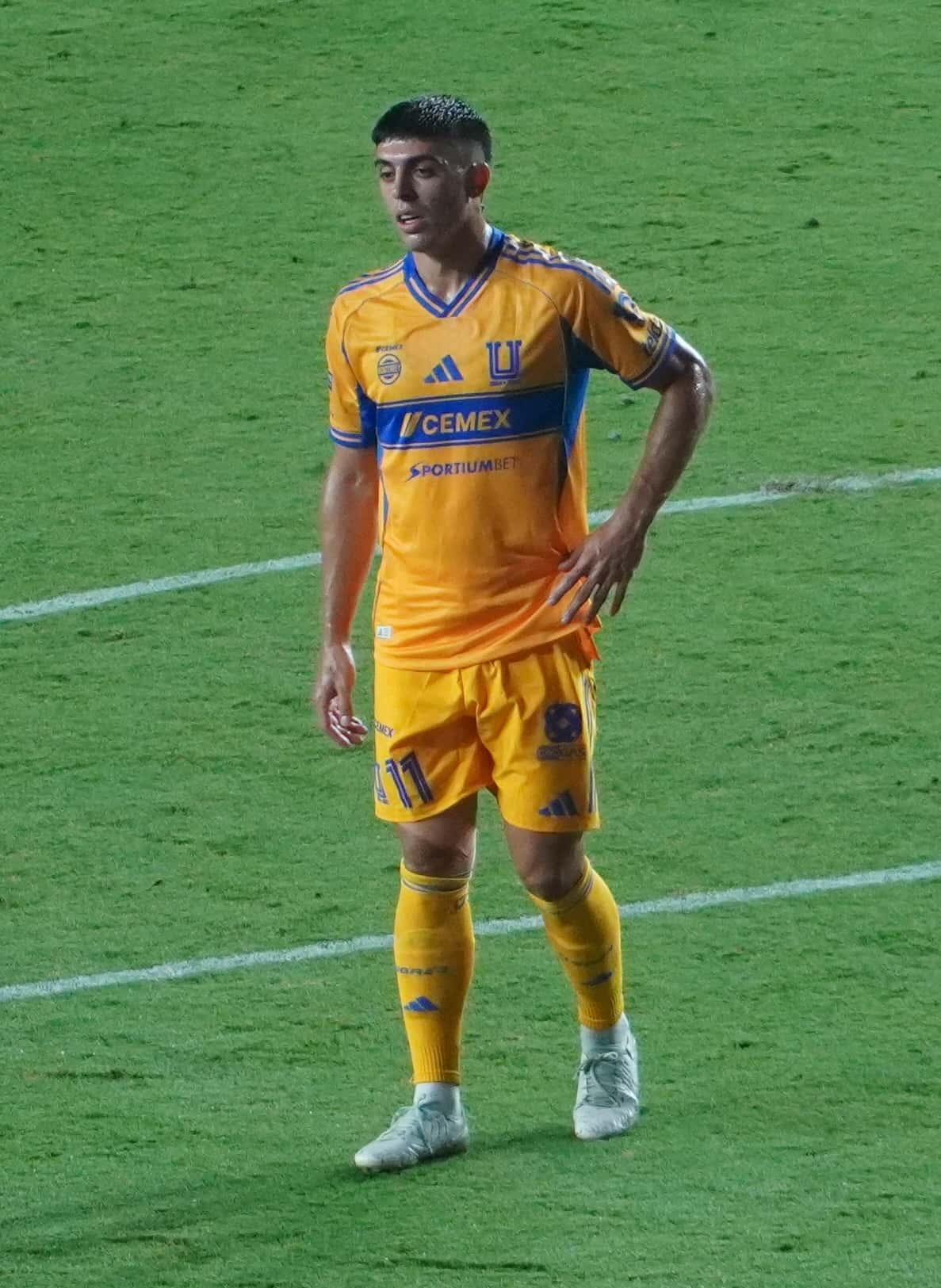
Lionel Messi returned to the field for Inter Miami on Saturday, entering in the 53rd minute of a 2-2 draw with the Columbus Crew in his first appearance since Argentina's World Cup final defeat 13 days earlier. The 39-year-old received a sustained ovation from the home crowd as he replaced Daniel Pinter. The draw came as Inter Miami prepared to open Leagues Cup play against Atletico San Luis on August 5, adding another competition to an already compressed late-summer calendar.
The return
Messi's reintroduction was managed rather than immediate. Coming off the bench just past the hour mark rather than starting reflected a deliberate approach to a player returning from an extended international tournament followed by a break, and there had been no date publicly set for his return before it happened. The club declined to commit to a timeline in advance, which is consistent with how elite clubs handle reintegration after major tournaments.
The World Cup campaign that preceded the break was extraordinary by any measure. Messi recorded eight goals and four assists across the tournament, production that would headline most players' entire international careers, before Argentina fell in the final. It was his sixth World Cup, a level of longevity at the highest international level that almost no player has matched.
The physical reality of a 39-year-old returning from that workload is straightforward. Minutes management is not optional at this stage, and Inter Miami's staff will be balancing his availability across a compressed calendar that includes both MLS fixtures and Leagues Cup, with the MLS Cup playoffs waiting at the end of the season. Clubs in this position generally protect the postseason at the expense of regular season minutes.
The Columbus draw
The 2-2 result against Columbus continued a competitive stretch for the reigning MLS Cup champions, who are pushing for the Supporters' Shield awarded to the club with the best regular season record across the league. Dropping points at home complicates that pursuit in a table where margins between the top clubs are frequently a handful of points.
Columbus has been among the more difficult opponents in the Eastern Conference in recent seasons, playing a possession-oriented style that denies opponents the ball and controls the tempo of a match. A draw against them at home is not a disaster. But for a club chasing a trophy decided by cumulative points across the regular season, every dropped point compounds and cannot be recovered later.
Messi's introduction changed the shape of the match in the way his introductions typically do. Opposing defenses adjust their shape and their attention when he enters, dropping deeper and doubling in wide areas, which creates space for teammates even in matches where he does not record a goal or an assist. That gravitational effect is part of his value that never appears in a statistical summary.
Leagues Cup and the compressed calendar
Inter Miami opens Leagues Cup play against Atletico San Luis on August 5. The competition, which brings together clubs from Major League Soccer and Liga MX, adds fixtures to an already crowded schedule during the hottest stretch of the South Florida calendar, and it carries qualification implications for continental competition.
Heat and humidity are genuine competitive factors in Florida summer soccer. Matches in August in Miami are played in conditions that affect intensity, substitution patterns and the pace at which a match can be played, and clubs traveling into the market face an adjustment that home sides do not. Hydration breaks are standard in these conditions.
For a squad managing a returning superstar, the fixture congestion sharpens the rotation question. The staff must decide which competitions warrant Messi's minutes and which can be handled by the rest of the roster, a calculation that will shape the club's approach across August and one that carries commercial as well as sporting consequences.
The supporting cast
Inter Miami's roster has been constructed around a core with substantial European pedigree, and the club's ability to attract that caliber of player has been tied directly to Messi's presence. That construction has produced trophies, including the MLS Cup title the club is defending.
MLS roster rules, including the designated player mechanism and allocation money, constrain how clubs assemble squads, and Inter Miami has operated at the edges of those rules to build its current group. The system is designed to promote competitive balance, which means no club can simply outspend the league.
Depth becomes the operative question during a stretch when the club's best player is being rotated. Matches Messi does not start have to be won by the rest of the squad, and how those fixtures go will determine whether the Supporters' Shield pursuit remains realistic into the fall.
What Messi means for the market
Messi's presence has changed the commercial and cultural footprint of soccer in South Florida since his 2023 arrival, and his availability drives attendance, broadcast interest, merchandise sales and ticket pricing across MLS, not only at Inter Miami's home matches. A club executive has publicly expressed hope that Messi will continue as the club's No. 10 going forward.
The 2026 World Cup being staged in North America amplified that effect. Hard Rock Stadium in Miami Gardens is among the tournament venues in the region, and the sport's profile across Florida has risen accordingly through the year, with facilities investment and youth participation both benefiting from the attention.
Away matches feel the effect as much as home ones. Clubs hosting Inter Miami frequently sell out and often move fixtures to larger venues, which redistributes the commercial benefit across the league. That dynamic is part of why the league's economics have shifted since 2023.
What it means for Florida soccer fans
Supporters should expect Messi's appearances to be selective rather than automatic through the remainder of the season. Rotation at his age and after his tournament workload is the responsible approach, and fans buying tickets to specific fixtures should understand that his participation is a game-day decision rather than a guarantee.
Orlando City SC and the Orlando Pride give Central Florida its own professional soccer presence, and the state now supports a meaningful professional soccer ecosystem across both coasts, including lower-division clubs in Tampa Bay, Jacksonville and Fort Lauderdale. Florida derbies between Miami and Orlando have become fixtures with real atmosphere and genuine rivalry.
Leagues Cup brings Liga MX clubs into Florida stadiums, which matters in a state with large Mexican, Central American and South American communities. Those fixtures often draw crowds with substantial support for the visiting side, producing an atmosphere distinct from a standard MLS night and closer to what a neutral-site international friendly generates.
What Leagues Cup is
Leagues Cup brings together clubs from Major League Soccer and Mexico's Liga MX in a tournament that counts as official competition rather than as a friendly exhibition. The format has evolved since its expansion, and results carry qualification consequences for continental competition, which gives clubs genuine incentive to compete rather than to rotate freely.
The competition reflects a broader strategic alignment between the two leagues, which share a growing North American commercial market and a fan base that follows both. For MLS clubs, matches against Liga MX opposition offer a competitive benchmark against a league with deeper historical pedigree.
Scheduling is the persistent complaint. Inserting a tournament into the middle of an MLS regular season compresses the calendar and forces clubs to manage squads across two competitions during the hottest weeks of the year, which is precisely the situation Inter Miami faces with a 39-year-old returning from a World Cup.
The Supporters' Shield race
The Supporters' Shield goes to the MLS club with the best regular season record across the full league rather than to a playoff winner. It is decided by accumulated points over 34 matches, which means consistency matters more than form in any single stretch.
The trophy carries practical benefit beyond recognition. The winner receives the top seed in the MLS Cup playoffs and home advantage throughout its side of the bracket, which in a single-elimination format is a meaningful edge, and it also secures a place in continental competition.
For a club managing minutes, the Shield presents a genuine tension. Chasing it requires fielding a strong lineup in every fixture, while protecting a key player for the playoffs argues for the opposite. Clubs generally resolve that tension in favor of the postseason, which is why a Shield race can slip away from a favorite in September.
What's next
Leagues Cup play against Atletico San Luis on August 5 is the immediate fixture, followed by continued MLS competition as Inter Miami pursues the Supporters' Shield alongside its title defense. The club's position in the Eastern Conference table will determine its playoff seeding and how many home matches it hosts in the postseason.
The larger question hanging over the season is how the club manages Messi's workload through the fall and into the MLS Cup playoffs. Clubs generally prioritize availability for the postseason, which can mean reduced minutes in regular season fixtures during August and September even at the cost of regular season honors.
The Florida Press will continue covering Inter Miami, Orlando City and the Orlando Pride through the remainder of the season and into the playoffs.
Contract questions will surface again as the season progresses. Messi's arrangement with the club has been the subject of continued attention, and club leadership has publicly expressed hope that he remains the side's No. 10 going forward, though nothing has been formally announced.
For South Florida, the broader soccer moment extends past one club. The 2026 World Cup brought matches to Hard Rock Stadium and lifted the sport's profile across the region, and how much of that attention converts into sustained local support will be measured over the seasons that follow rather than in a single summer.
Spotted an issue with this article?
Have something to say about this story?
Write a letter to the editor