Osceola County Weighs $191,885 in Opioid Settlement Money for Vape Detectors at 19 Schools
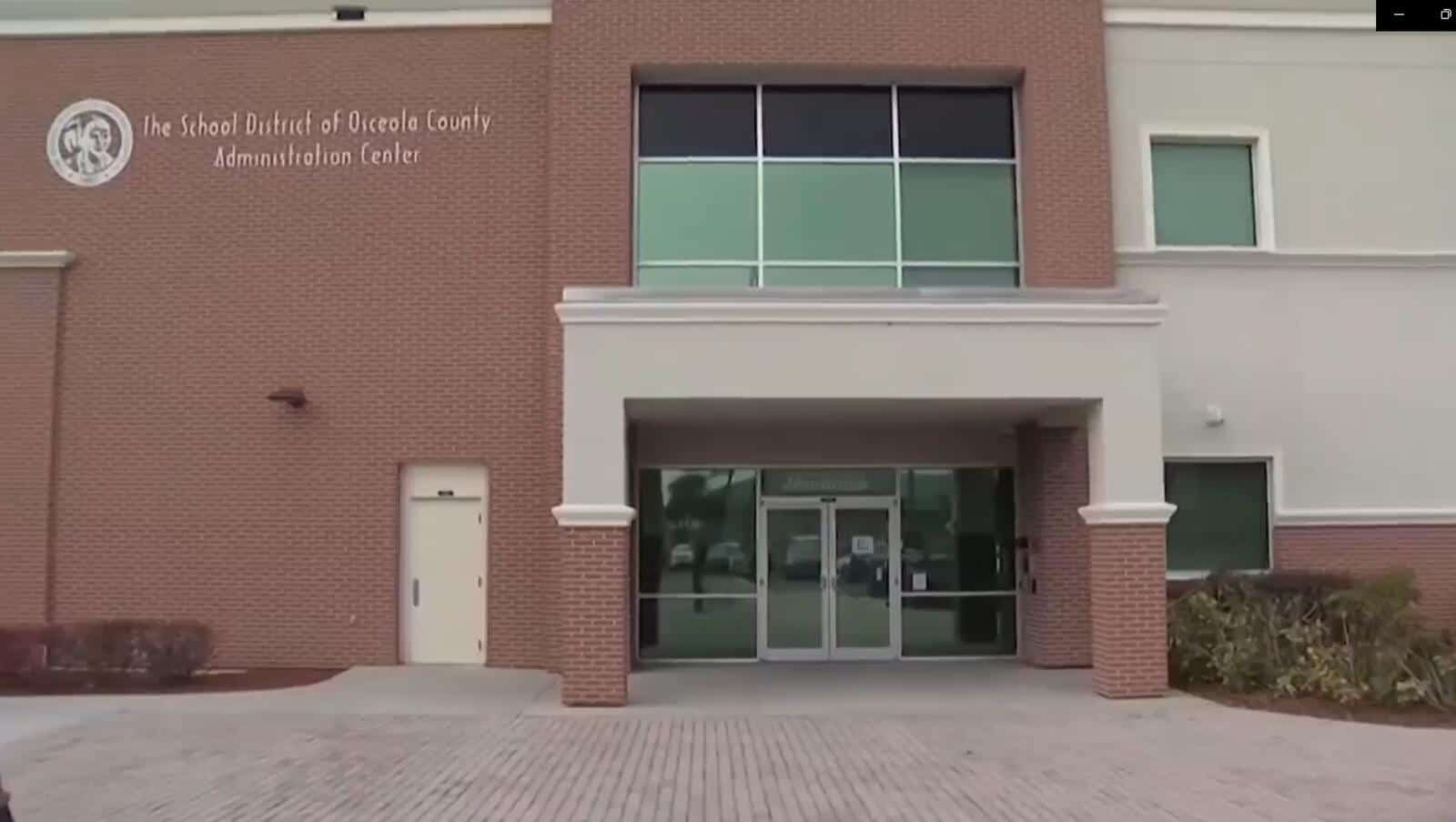
Osceola County commissioners were scheduled to vote Monday, Nov. 2, on an agreement that would give the School District of Osceola County $191,885 from the county's opioid settlement fund to install vape detectors at 19 middle and high school campuses. The Osceola County School Board already approved its side of the agreement in October, so the commission vote is the remaining local step before the district can move toward installation.
The plan targets schools with the highest numbers of vaping-related discipline referrals and sets a goal of cutting those incidents by 25 percent compared with the 2024-25 school year, according to WKMG News 6. It arrives as other Florida districts and sheriffs take a harder line on student vaping, including in Putnam County, where the sheriff's office said Sunday that students caught with vapes on campus will now receive civil citations.
What the commission is voting on
The Osceola County Board of County Commissioners placed the agreement on its Monday agenda for its 1:30 p.m. meeting, WKMG reported. Under the agreement, the county would pass $191,885 in opioid settlement money to the school district to create a vape detection program.
The Osceola County School Board voted on the agreement at its Oct. 6 meeting, and Spectrum News 13 reported that the board approved it that night. The district has said the timeline for installation is still being finalized.
Which schools would get detectors
The district selected 19 campuses based on vaping-related referral data, according to WKMG. Spectrum News 13 reported that hundreds of student vaping cases in the county prompted the district to pursue the detectors.
The campuses on the list:
| School type | Count | Campuses |
|---|---|---|
| High schools | 9 | Celebration, Gateway, Harmony, Liberty, Nova Lakes, Osceola, Poinciana, St. Cloud, Tohopekaliga |
| Middle, K-8 and intermediate | 8 | Denn John, Harmony, Horizon, Kissimmee, Parkway and St. Cloud middle schools; Knights Point K-8; Discovery Intermediate |
| Alternative schools | 2 | New Beginnings Education Center, Zenith Accelerated Academy |
The district has not said how many detectors each school would receive or which vendor would supply them.
How the program would work
Qualified technicians would install the sensors, possibly outside regular school hours to limit disruption. When a detector is triggered, it would send a real-time alert to designated staff members, who would respond, document the incident and connect the student with prevention or cessation services, according to the district's plan as reported by WKMG.
The agreement includes measurable goals and reporting requirements:
- A 25 percent reduction in vaping-related referrals compared with the 2024-25 school year.
- Referral of every student with a vaping-related discipline referral to prevention or cessation services.
- Tracking and reporting of vaping referrals and the number of students connected to cessation programs during the agreement period.
Spectrum News 13 reported that the district will submit quarterly reports on equipment installation and vaping referrals. The district has said the data will also shape future prevention strategies.
Why opioid settlement money
Florida has secured more than $3 billion through its litigation against opioid manufacturers, distributors and pharmacies, according to the Florida Attorney General's office. A portion of that money flows directly to counties and cities, and the Attorney General's office says all of the proceeds must be spent on opioid abatement, which includes prevention efforts as well as treatment and recovery services.
Osceola's plan frames the detectors as a prevention tool, pairing each alert with a referral to services rather than relying on discipline alone. It is not the county's first settlement-funded effort on vaping. In July 2025, WFTV reported that Osceola County schools would use $400,000 from Florida's share of a $79 million settlement with e-cigarette maker Juul to install vape detectors. Coverage of the new agreement has not explained how the opioid-funded detectors relate to that earlier purchase.
Nationally, 5.2 percent of middle and high school students reported using e-cigarettes, and more than 1 in 4 of those users said they vape daily, according to U.S. Food and Drug Administration data cited by WKMG.
Parents who spoke with WKMG supported earlier intervention. One parent, Taelor Handley, called vaping "a lifelong addiction most of the time." A grandparent with grandchildren in the district said he had not realized how widespread the problem was.
Putnam County sheriff turns to citations
In Northeast Florida, the Putnam County Sheriff's Office announced Sunday that, effective immediately, any student caught with a vape on a school campus will receive a civil citation, Action News Jax reported. The policy also applies at school-sponsored activities off campus, such as field trips and after-school events, and the agency said claims that a student was holding a vape for a friend or forgot to leave it at home will not prevent a citation.
Students who receive a juvenile citation will be placed in a diversion program, which can include community service, a referral to substance abuse treatment or participation in Teen Court. The sheriff's office said the citations are separate from the school district's own discipline policy. The sheriff's office said vaping on school grounds had reached "epidemic levels" and that it was moving to a zero-tolerance policy after years of working with the Putnam County School District. "Florida law is clear," the agency said. "No one under 21 is to possess vapes."
The state laws the sheriff's office cited apply in every Florida county, including Osceola. Under them, people under 21 may not possess tobacco or vape products, vaping is banned in enclosed workplaces and public spaces, and it is unlawful for anyone under 21 to vape within 1,000 feet of a public or private school. Community service options in Putnam's diversion program include the county's SWEAT program, Action News Jax reported.
Putnam's approach leans on enforcement, while Osceola's plan leans on detection and referrals to services, but both aim at the same problem in Florida schools.
What's next
If county commissioners approve the agreement, the Osceola school district can finalize its installation timeline and begin placing detectors on the 19 campuses. The district's reports on referrals and cessation services will show whether the program reaches its goal of a 25 percent drop in vaping incidents from 2024-25 levels. Parents can follow school board and county commission agendas for updates on the rollout.
Spotted an issue with this article?
Have something to say about this story?
Write us a letterComments
No comments yet. Be the first to weigh in.
Related Coverage
New College of Florida Seeks Up to $47 Million to Finance USF Sarasota-Manatee Campus Takeover
2d ago

Florida education commissioner Henry Mack defends science standards rewrite as critics fault treatment of evolution and climate
3d ago

FIU Students Disciplined Over Racist, Violent Group Chat Tell Federal Judge the Messages Were Jokes Protected by the First Amendment
4d ago
Judge Recommends Dismissing State's Case Against Clay County Teacher Over Charlie Kirk Facebook Post
5d ago