Palm Beach Deputies Say a Luxury SUV Theft Ring Used Swapped Key Fobs Across Multiple Counties
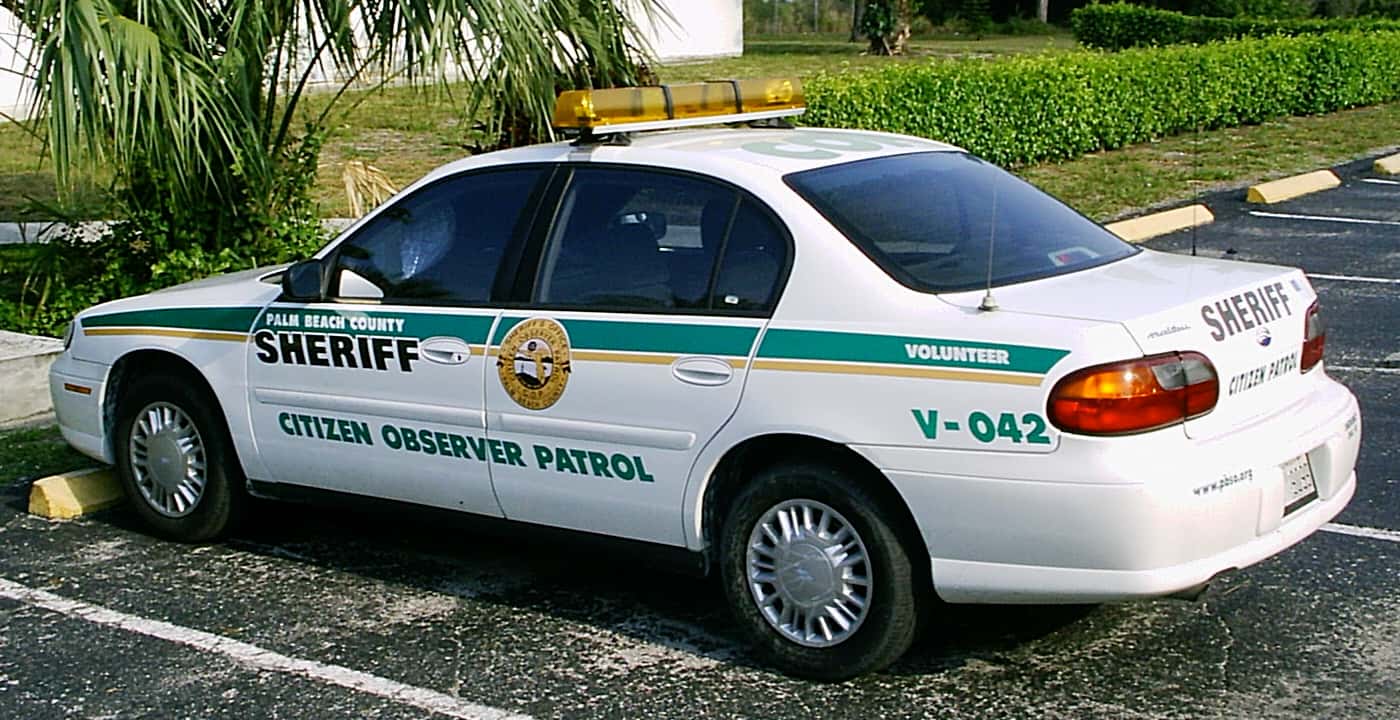
The Palm Beach County Sheriff's Office has announced the arrests of three men in connection with a series of luxury vehicle thefts and attempted thefts spanning multiple Florida counties. Deputies identified the men as Pavert Cutino, Reheen Spencer, and Raul Hernandez, and said the alleged scheme involved swapping unprogrammed key fobs for legitimate ones at dealerships and other locations, then returning later to take the vehicles. All three face charges, and the presumption of innocence applies as the cases move through the court system.
What investigators described
According to the Sheriff's Office, the alleged method centered on substituting key fobs rather than on forced entry or electronic relay attacks that have become common in luxury vehicle theft. Investigators said the suspects would exchange an unprogrammed fob for a legitimate fob associated with a target vehicle, then return at a later time and drive the vehicle away using the working key.
The approach, if it occurred as described, exploits a gap in how vehicle keys are handled and inventoried rather than any vulnerability in the vehicles themselves. Because the person taking the vehicle possesses a functioning key, the theft can appear to security systems and casual observers as an ordinary departure, and the substitution may not be discovered until someone attempts to use the swapped fob.
Range Rover models were identified as targets in the investigation. High-value SUVs have been a persistent focus of organized vehicle theft in South Florida because of resale value both domestically and through export channels, and because parts from these vehicles carry substantial value independently of the vehicle itself.
How the investigation concluded
The Sheriff's Office said its South Florida Criminal Apprehension Team began surveillance of a black Nissan Altima on July 28. Surveillance operations of this type typically follow a pattern analysis that links a vehicle to multiple incidents across jurisdictions, allowing investigators to observe rather than immediately intercept.
Deputies said the operation ended in a pursuit on Interstate 95 southbound toward the Gateway Boulevard exit in Boynton Beach. According to the agency, the driver of a stolen vehicle rammed a patrol vehicle during the pursuit. One suspect then jumped a retaining wall in an attempt to flee on foot before being subdued with a conducted electrical weapon and taken into custody.
Ramming a law enforcement vehicle typically supports charges beyond the underlying theft allegations, potentially including aggravated assault or aggravated battery on a law enforcement officer, fleeing and eluding, and resisting arrest. Formal charging decisions rest with the State Attorney's Office, which reviews the arrest affidavits and determines which counts to file.
Why luxury vehicle theft persists in South Florida
South Florida's combination of dense luxury vehicle ownership, proximity to major seaports, and established export logistics has made the region a persistent focus for organized vehicle theft. Vehicles taken in the region can move quickly into shipping channels, and once a vehicle leaves the country, recovery becomes substantially more difficult.
Law enforcement agencies across the region have formed cooperative task forces to address the pattern, since offenders routinely operate across county lines and single-agency investigations fragment the picture. The multi-county scope described in this case reflects that operating pattern and explains why the Palm Beach County Sheriff's Office task force pursued surveillance rather than immediate arrest.
Vehicle manufacturers have added anti-theft technology over successive model years, including immobilizers, motion-based key fob sleep functions, and connected vehicle tracking. Those measures have shifted theft methods rather than eliminating them, and approaches that obtain a legitimate key bypass most electronic protections.
What vehicle owners can do
Owners of high-value vehicles can reduce exposure through several practical steps. Keeping fobs in signal-blocking pouches at home defeats relay attacks that amplify a key's signal from inside a residence, though it does not address key substitution schemes. Physically verifying that a returned key is the correct one after service appointments or valet handling addresses the pattern described in this case.
Aftermarket tracking devices installed in locations separate from factory tracking systems improve recovery odds, since offenders familiar with a vehicle model generally know where factory units are located. Steering wheel locks and similar visible deterrents remain effective primarily because they add time and visibility to a theft attempt.
Owners should report thefts immediately rather than waiting to determine whether a vehicle was moved or towed. The first hours after a theft offer the best recovery window, particularly in a region where vehicles can reach port facilities quickly.
The legal process ahead
All three men were booked following the arrests, and the cases proceed through the Fifteenth Judicial Circuit, which covers Palm Beach County. Charges filed at arrest represent the arresting agency's assessment, and the State Attorney's Office conducts an independent review before filing formal charging documents.
Because the alleged conduct spans multiple counties, additional jurisdictions may pursue their own charges depending on where individual thefts occurred and which agencies hold cases. Coordination among prosecutors in such circumstances determines whether cases are consolidated or pursued separately.
Each defendant is entitled to the presumption of innocence, to counsel, and to have the state prove each element of any charge beyond a reasonable doubt. Arrest is an accusation rather than a determination of guilt, and the allegations described by the Sheriff's Office have not been tested in court.
Regional enforcement context
Florida law enforcement agencies have run several coordinated property crime operations this year. The Florida Department of Law Enforcement has conducted multi-agency operations targeting registry compliance, retail theft, and cybercrime, and county agencies have formed task forces addressing vehicle theft, organized retail theft, and firearms trafficking.
Task force structures allow smaller agencies to participate in investigations that would exceed their individual capacity, and they provide the surveillance resources that cases like this require. The South Florida Criminal Apprehension Team referenced by the Sheriff's Office operates within that model.
Property crime enforcement priorities are shaped in part by insurance claim patterns, since carriers track theft frequency by model and geography and share aggregated data with law enforcement through the National Insurance Crime Bureau. Those patterns inform where agencies concentrate resources.
How multi-agency investigations are built
Investigations spanning multiple counties require agencies to share information that historically moved slowly between jurisdictions. Florida agencies use regional intelligence sharing systems and task force structures to identify patterns that no single agency would recognize from its own reports alone.
Pattern identification typically begins with similarity in method. When multiple agencies report thefts using an identical technique against the same vehicle models, analysts can link cases and direct surveillance resources toward suspects who appear across jurisdictions.
Surveillance operations require substantial personnel and carry their own risks, including the pursuit that concluded this case. Agencies weigh the value of continued observation, which can identify additional participants and locations, against the risk that the activity under observation causes harm.
What happens to recovered vehicles
Vehicles recovered in theft investigations are typically held as evidence until processing is complete, which can take days or weeks depending on the forensic work required. Owners are notified through the reporting agency and through the National Crime Information Center record associated with the vehicle.
Insurance considerations depend on timing. A vehicle recovered before an insurer has settled a theft claim generally returns to the owner, with the insurer covering damage. A vehicle recovered after settlement typically becomes the insurer's property, since the claim payment transferred ownership.
Damage assessment matters for the owner in either case. Vehicles taken in organized theft operations are frequently driven hard, stored improperly, or partially disassembled, and the condition at recovery determines whether repair or total loss treatment applies.
How Florida charges vehicle theft
Florida law treats grand theft of a motor vehicle as a felony regardless of the vehicle's value, with the degree depending on value thresholds. Vehicles in the price range described in this investigation fall into higher felony categories, which carry correspondingly greater sentencing exposure.
Additional charges frequently attach in cases involving organized activity. Prosecutors may pursue conspiracy counts, dealing in stolen property, or racketeering charges where the evidence supports a pattern of coordinated criminal activity across multiple incidents and participants.
Charging decisions ultimately reflect what the evidence supports rather than the scope of an investigation. The State Attorney's office reviews arrest affidavits, evaluates admissibility, and files the counts it believes can be proven, which frequently differ from the charges listed at arrest.
What's next
Court appearances will be scheduled in Palm Beach County, and case information becomes publicly accessible through the clerk of court's online docket system. Arraignment dates, bond determinations, and any pretrial motions will appear on that record as the cases proceed.
Investigators frequently continue working cases after initial arrests, particularly where a pattern spans multiple jurisdictions and additional victims may not yet have reported. The Sheriff's Office has not indicated whether it anticipates additional arrests.
Vehicle owners in the region who believe they may have been affected by a key substitution can contact their local law enforcement agency. Dealerships and service operations reviewing their own key handling procedures represent the practical prevention measure most directly relevant to the pattern described in this investigation.
The Palm Beach County Sheriff's Office publishes news releases through its public information channels, and updates on this investigation would appear there. Residents who believe their vehicle may have been targeted, including anyone who noticed an unfamiliar key fob after a service visit or valet interaction, can contact the agency's non-emergency line to report the circumstance even if no theft has occurred.
Vehicle theft trends across Florida are tracked through state and federal crime reporting, and those statistics inform where agencies allocate investigative resources in subsequent years. Cases that establish a pattern, as this investigation appears to have done, contribute disproportionately to that picture because they identify a method rather than a single incident. For dealerships, service operations, and valet businesses across the region, reviewing key handling procedures is the concrete preventive step this case suggests.
Spotted an issue with this article?
Have something to say about this story?
Write a letter to the editor