Panthers Reload With Brady Tkachuk and a Healthy Barkov
The Florida Panthers spent the offseason answering a season that ended without a playoff berth, acquiring forward Brady Tkachuk from the Ottawa Senators to play alongside his older brother Matthew, moving on from longtime starting goaltender Sergei Bobrovsky, and preparing for the return of captain Aleksander Barkov from the knee injury that cost him the entire 2026 campaign.
The Tkachuk trade, completed June 21, sent two 2026 first round picks, the ninth and 25th selections, a conditional 2029 first round pick and a 2029 second round pick to Ottawa. It is the kind of aggressive move a team makes when it believes its championship window is open now rather than later.
The context for all of it is a season that went wrong. After winning consecutive Stanley Cups, Florida missed the playoffs entirely in 2025-26, a collapse driven substantially by Barkov's torn ACL and MCL in training camp and by additional injuries across the roster.
What happened last season
Barkov tore the anterior cruciate and medial collateral ligaments in his right knee during training camp, an injury that ended his season before it began. Losing a captain who plays top line minutes, drives the power play and handles the toughest defensive assignments is not a loss any roster absorbs cleanly.
Brad Marchand, acquired during the championship run, underwent surgery during the offseason and his return timetable for the regular season has not been established. The accumulation of injuries across a roster that had been through consecutive long playoff runs was substantial.
Deep playoff runs carry a cost that shows up the following season. Teams that play into June repeatedly have shorter offseasons, more games on their bodies and less recovery time, and the pattern of championship hangovers in the salary cap era is well documented.
Missing the playoffs after back to back Cups is nonetheless a jarring outcome, and the front office's response has been to treat it as a health problem rather than a structural one, which is what the offseason moves indicate.
The Tkachuk trade
Brady Tkachuk is a power forward who has captained Ottawa and who plays the heavy, physical style that defined Florida's championship teams. Pairing him with Matthew Tkachuk gives the Panthers two brothers who play a similar game at a high level, an unusual arrangement in professional hockey.
The cost was substantial. Three first round picks, one of them conditional and three years out, plus a second, represents a significant portion of a team's future draft capital. Front offices make trades like that when they judge that the current roster's championship window justifies mortgaging future flexibility.
Florida's calculation is defensible. The core that won two Cups remains largely intact, Barkov is returning, and the additions this offseason improve a roster that was already good enough to win when healthy. Draft picks three and four years out have limited value to a team trying to win now.
The risk is the standard one: if the window closes faster than expected, through injury, age or cap constraints, the team has surrendered the assets it would need to rebuild quickly. That is the trade every contending general manager makes and lives with.
The goaltending change
Parting with Bobrovsky ends an era. He was the goaltender for both Stanley Cup runs and had been the franchise's starter since signing a long term contract in 2019, a deal that was widely criticized at the time and that ultimately delivered two championships.
Florida added veteran goaltending depth to replace him, and the club's approach to the position will be one of the season's central questions. Goaltending is the most volatile position in hockey, and teams that get it wrong can miss the playoffs with otherwise strong rosters.
The transition also has salary cap implications. Bobrovsky's contract occupied significant cap space, and reallocating that money is part of how Florida was able to absorb the roster additions made this offseason.
Whether the replacement approach works is unknowable until games are played. Goaltending performance is notoriously difficult to project year over year, and the difference between a good and a mediocre season in net can be worth several standings positions.
Where Florida sits entering 2026-27
Preseason projections have generally treated the Panthers as a renewed Stanley Cup contender, with several assessments describing Florida as having had among the strongest offseasons of any NHL team. Betting markets have listed the Panthers among the favorites.
The case rests on health. A roster with Barkov, both Tkachuks and the returning championship core is, on paper, one of the best in the league. The same roster without Barkov proved insufficient last season, which is the clearest available evidence of how much his availability matters.
Marchand's timetable remains unresolved, which is a genuine question mark. He was a meaningful contributor to the championship run, and his availability affects both the top six forward group and the penalty kill.
The Atlantic Division remains difficult, and the Eastern Conference playoff field is deep. A healthy Florida team should qualify comfortably, but the postseason path in the East is not forgiving.
The Tampa Bay comparison
Florida hockey now supports two established franchises with recent championship pedigrees. The Tampa Bay Lightning won consecutive Stanley Cups in 2020 and 2021 before Florida did the same in 2024 and 2025, giving the state four titles in six years.
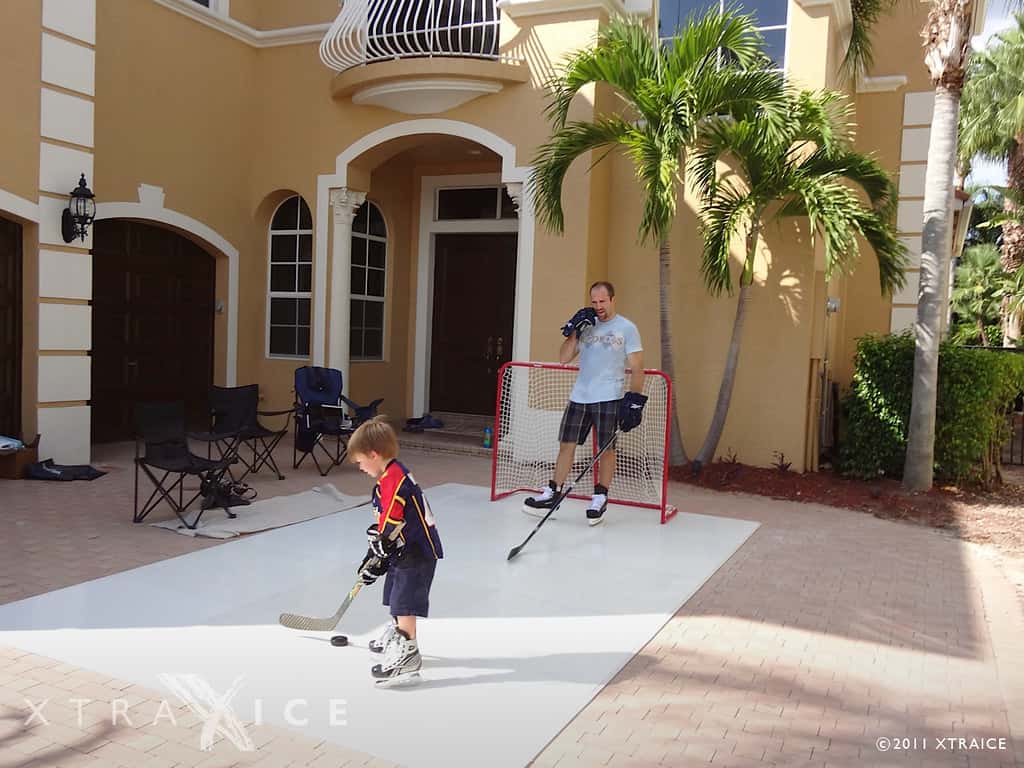
That concentration has transformed hockey's position in Florida. A sport that was once viewed as an unlikely fit for a warm weather state now has two of its most successful recent franchises there, along with growing youth hockey participation across South Florida and Tampa Bay.
The two clubs meet several times a season, and the rivalry has become genuine rather than manufactured, with playoff meetings adding weight. Amerant Bank Arena in Sunrise and Amalie Arena in Tampa are roughly four hours apart, close enough for traveling supporters.
Both franchises face the same salary cap era challenge: sustaining excellence after the window that produced championships. Tampa Bay has managed a longer stretch of contention than most, and Florida is now attempting the same.
The salary cap problem every contender faces
Adding a player of Brady Tkachuk's caliber to a roster that already carries a championship core requires solving a salary cap puzzle, and how Florida did it shapes what the team can do next.
The NHL operates a hard cap with no exceptions for high performing teams, which means every contending club eventually faces the same squeeze: the young players who outperformed their entry level contracts during a championship run become expensive, and the roster cannot retain everyone.
Moving on from Sergei Bobrovsky cleared substantial space, since goaltender contracts at his level occupy a significant share of a team's allowance. Replacing an expensive starter with lower cost veteran options is a common cap management move, and it carries obvious performance risk.
Long term injured reserve provides another mechanism. Teams may exceed the cap by the amount of a player's salary while that player is on long term injured reserve, which gave Florida operating room during the season Aleksander Barkov missed. That flexibility disappears when the player returns.
Trading draft picks rather than roster players, which is what the Tkachuk acquisition required, is the cap friendly way to add talent. Picks carry no cap charge, so a team can convert future assets into present talent without triggering the squeeze that trading for a contract would.
The cost is depth over time. Draft picks become the cheap young players who fill out a roster's bottom six forwards and third defensive pair, and a team that trades several first round picks eventually finds those roles harder to fill within the cap. That is the bill Florida will pay in future seasons for the roster it has assembled now.
Hockey's Florida footprint
The Panthers' success has coincided with a substantial change in how hockey functions in Florida, and the effects extend beyond the two NHL franchises.
Youth hockey participation in Florida has grown considerably over the past decade, supported by rink construction in South Florida and the Tampa Bay area and by the visibility that championship teams provide. The state now produces NHL draft picks with some regularity, which was rare a generation ago.
Both franchises have invested in community programs, including learn to play initiatives and school outreach, on the reasoning that building a local hockey culture creates both future fans and future players. Those programs have measurable enrollment growth behind them.
Facility development has followed. Ice rinks are expensive to build and operate in a warm climate, and the economics only work with sufficient year round demand from youth leagues, adult leagues, figure skating and public sessions. Florida now supports enough of that demand to sustain facilities in markets that had none.
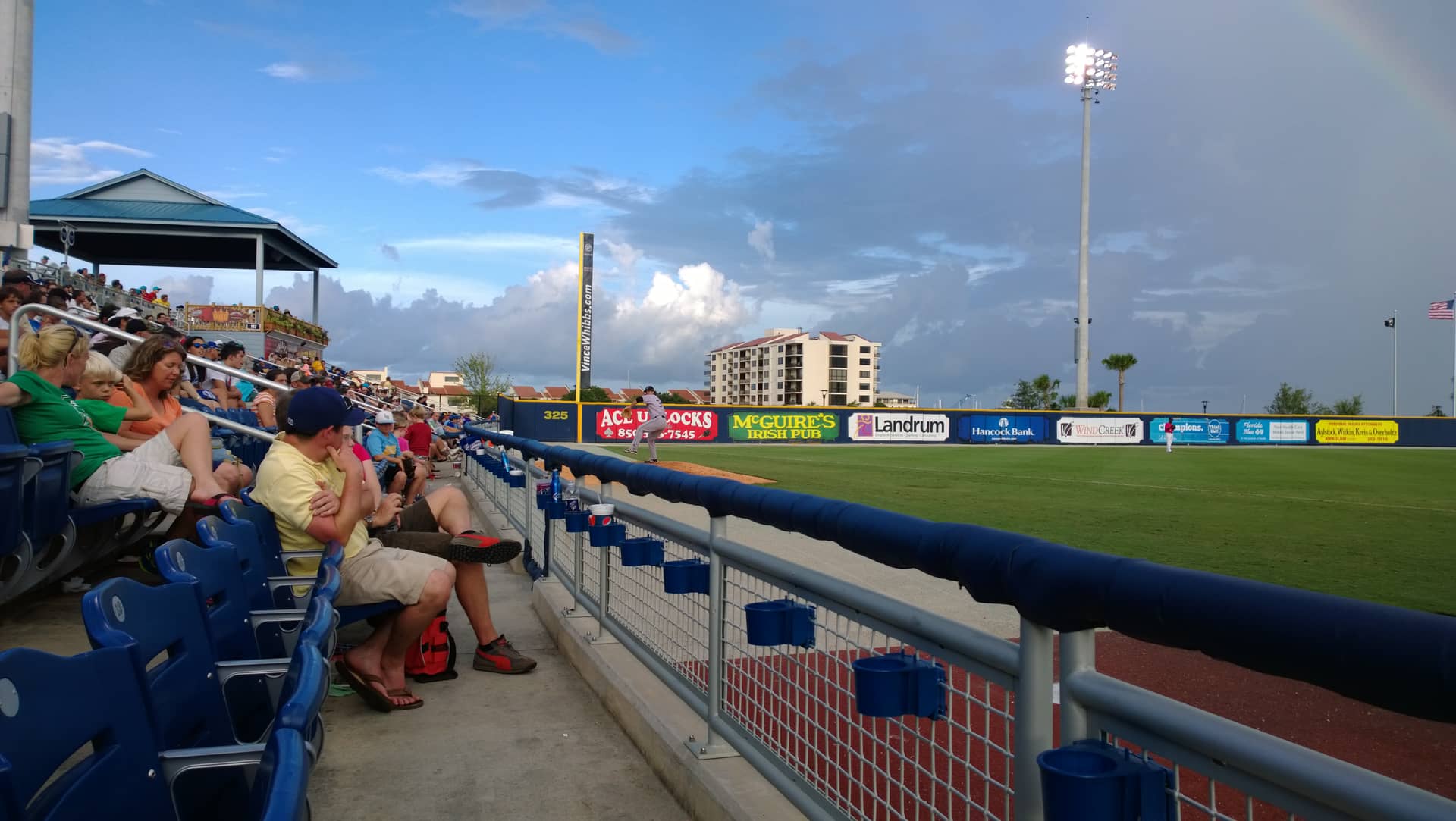
The professional footprint extends below the NHL as well, with minor league and junior hockey operating in Florida markets including Jacksonville, Orlando, Estero and Pensacola.
Whether the growth persists through a period without championships is the open question. Sports participation surges tied to winning teams have historically receded when the winning stops, and Florida hockey has not yet been tested on that.
What's next
Training camp opens in September, and the first question is Barkov's condition. ACL and MCL reconstruction recovery for a professional athlete typically runs nine to 12 months, and a full offseason of rehabilitation should have him available, but camp will show where he is.
The Tkachuk brothers' on ice fit is the second thing to watch. Playing together at the NHL level is different from projecting it, and the coaching staff will need to determine whether they are most effective on the same line or spread across the top six.
Goaltending performance in October will set the season's early tone. A slow start in net creates pressure that compounds, and Florida's margin in a deep conference is narrower than its championship pedigree suggests.
The regular season runs from October into April, with the Stanley Cup playoffs following. For a franchise that won two Cups and then missed the postseason entirely, the 2026-27 season is a referendum on whether last year was an injury driven detour or the beginning of a decline.
Spotted an issue with this article?
Have something to say about this story?
Write us a letterComments
No comments yet. Be the first to weigh in.
Related Coverage
Rays await Guardians or White Sox in ALCS after sweeping Yankees; Game 1 Monday at Tropicana Field
1d ago
John Carlson scores twice, Dennis Hildeby makes 34 saves as Lightning hold off Wild 3-2
1d ago
Winless Dolphins host Bengals at Hard Rock Stadium seeking first win under Jeff Hafley
1d ago
Hurricane Isaias Scrambles Florida Sports: FSU Cancels Pensacola Games, FAMU Moves to Friday
2d ago