Tampa City Council Approves $21 Million Rays Community Benefits Agreement 4-3, Clearing Path for Dale Mabry Stadium
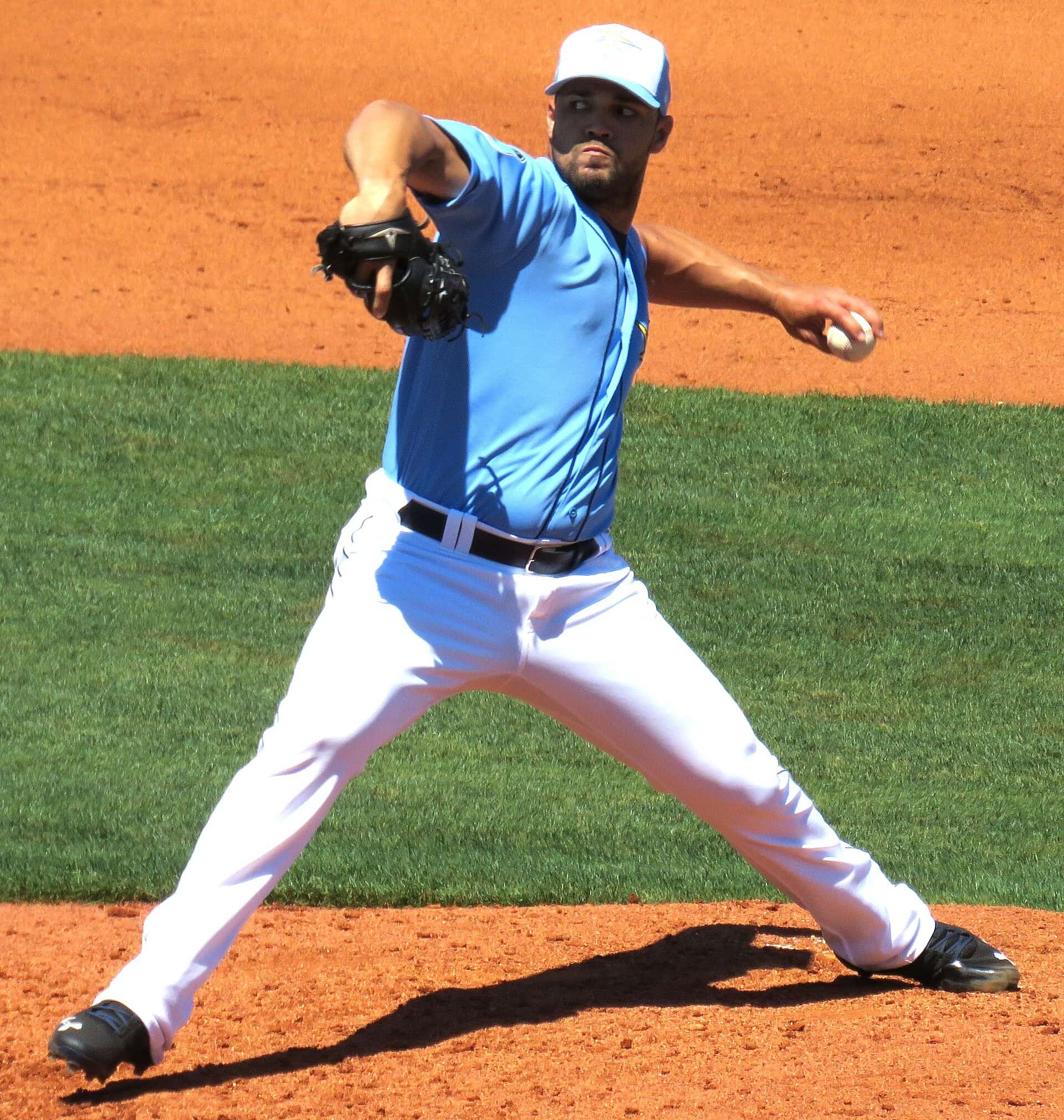
The Tampa City Council narrowly approved a $21 million community benefits agreement with the Tampa Bay Rays on Thursday, clearing one of the last city hurdles for the team's planned $2.36 billion ballpark on Hillsborough College's Dale Mabry campus. The 4-3 vote came at a special meeting called before Council member Luis Viera resigns on Election Day, and his yes vote proved decisive.
Council members Charlie Miranda, Lynn Hurtak and Guido Maniscalco voted no. The agreement is tied to the council's earlier approval of $80 million in city money toward stadium construction, and it spells out what the Rays will give back to the neighborhoods around the stadium in Drew Park and across the city.
What the Rays are promising
Under the agreement, the Rays would provide the city $21 million in cash, services and programs. That money is Tampa's piece of a larger $60 million community benefits commitment the team is making to the city and Hillsborough County over 35 years; the county's share is $39 million under a separate agreement, Bay News 9 reported.
The payments are not front-loaded. WUSF reported that $12 million would be split between the city and county over the first five years, with the city's share of that early money at $4.2 million. How quickly the money arrives was a major focus of Thursday's debate.
The agreement is broad on priorities and lighter on specific projects. The team says it will focus on transportation, workforce development, youth sports and the city's community redevelopment areas. Rays officials said at least half of the money will go to affordable housing and parks in neighborhoods near the stadium. Other coverage of the agreement listed these commitments:
- Affordable housing, anti-displacement efforts and workforce development.
- Business opportunities for women- and minority-owned companies.
- Improvements at Al Lopez Park and direct support for the West Tampa Little League.
- A $600,000 neighborhood impact and connectivity fund for drainage, traffic calming and sidewalks in Drew Park and nearby areas.
The Rays must deliver annual progress reports to the council. A community advisory group will provide guidance, and the council will review proposed projects every five years. Tampa Bay Business and Wealth reported that the council also exempted the stadium from the city's standard community benefits process, which allows a developer to substitute alternative benefits of substantially similar value.
The case against
Miranda argued that the benefits are effectively paid for by taxpayers. "You're getting paid with your own money," he said, according to WUSF. "There is no Rays money here, because they're broke."
Hurtak questioned whether the dollars attached to individual programs would make a meaningful difference. Pointing to $1.25 million set aside for home rehabilitation grants, she said: "I did the math and the average grant for homeowner-acquired rehab is $135,000." At that rate, she said, "we're going to be able to help nine people in the next five years," Fox 13 reported.
Some members also objected to how the money would be distributed, to the decision to exempt the project from the city's usual community benefits process and to the limited time residents had to review the agreement before the vote.
The case for
Council member Bill Carlson, who voted yes, acknowledged the document's flaws. "It's not a perfect document," he said. "If we had more time, there are more things that I would edit." He also praised the negotiations, saying the Rays and others had been "incredibly collaborative, more than I've ever seen."
Viera, who requested the special meeting, said the agreement was about earning public support for the project. "For me, the community benefits agreement is all about buy-in from the community," he said, according to Bay News 9. He said the investments should reach across the city and its roughly 420,000 residents, not only the blocks around the ballpark.
The money behind the stadium
The community benefits agreement sits on top of a financing deal approved in late August. On Aug. 27, the City Council voted 4-3 to commit $80 million toward construction, after a first attempt deadlocked 3-3 while Carlson was out sick; he then voted virtually. A day later, the Hillsborough County Commission voted 5-2 to approve its share of about $796 million.
The stadium's key numbers:
| Item | Amount |
|---|---|
| Estimated stadium cost | $2.36 billion |
| City of Tampa construction contribution | $80 million |
| Total city and county public money (cap) | $876 million |
| Rays' contribution | More than $1.3 billion, plus all cost overruns |
| Community benefits, city and county combined | $60 million over 35 years |
WUSF noted outside estimates of the franchise's finances: Forbes valued the Rays at $1.7 billion as of last March and estimated annual revenue of about $290 million.
Transportation work around the site is a separate cost. A Florida Department of Transportation spokesperson said road improvements would run $30 million to $40 million, including widening Tampa Bay Road and Air Cargo Road, adding an overpass and widening sidewalks, according to Bay News 9.
Viera's exit and a 3-3 council
The timing of Thursday's vote was driven by Viera's departure. He is resigning on Election Day, Nov. 3, to run for a seat in the Florida House. Without him, the council is split 3-3 on stadium matters, Fox 13 reported, which is why supporters pushed to finish the benefits agreement while his vote was still available.
The six remaining council members will vote Nov. 17 to appoint his replacement. That pick could tip the balance on any stadium-related votes still to come before the city, and it could set up a political fight between the pro- and anti-stadium blocs on the council.
Hillsborough College and the Dale Mabry site
The stadium will rise on land now occupied by Hillsborough College's Dale Mabry campus in Drew Park. At Thursday's meeting, the college's president presented a relocation plan for the years of construction. The college plans to keep using 65,000 square feet on its current campus, lease 19,000 square feet in the University of South Florida building on North Franklin Street downtown and use 150,000 square feet of space at North Himes Avenue and Dr. Martin Luther King Jr. Boulevard, with a shuttle bus connecting the sites.
The vote also comes days after the Rays' season ended with a World Series loss to the Milwaukee Brewers in Game 5 at Tropicana Field in St. Petersburg, which the team plans to leave once the Tampa ballpark opens.
What's next
Hillsborough County commissioners still must take several more votes before the stadium deal is binding, including action on the county's $39 million share of the community benefits package. The county commission is slated to take up the matter on Nov. 10, Bay News 9 reported.
Tampa Mayor Jane Castor hopes to hold an official groundbreaking by the end of November. The Rays aim to open the stadium for the 2029 season. On the city side, the next milestone is Nov. 17, when the council chooses Viera's successor and, with that choice, the swing vote on whatever stadium questions remain.
Spotted an issue with this article?
Have something to say about this story?
Write us a letterComments
No comments yet. Be the first to weigh in.
Related Coverage
More than 824,000 Florida homeowners get insurance rate cuts this month as Citizens shrinks to 216,577 policies
2h ago
DeSoto County Commissioners Deadlock Again, Blocking AI Data Center Rezonings Near Arcadia for Second Night
7h ago
Tampa Says It Has Passed Castor's 10,000-Unit Affordable Housing Goal, but Fewer Than Half the Homes Are Built or Under Construction
1d ago
Lake County Extends Its Data Center Moratorium Through June 2027 as Central Florida Counties Hold the Line
1d ago