Trevor Lawrence and the Jaguars Offense Open Camp Ahead of Last Year's Pace
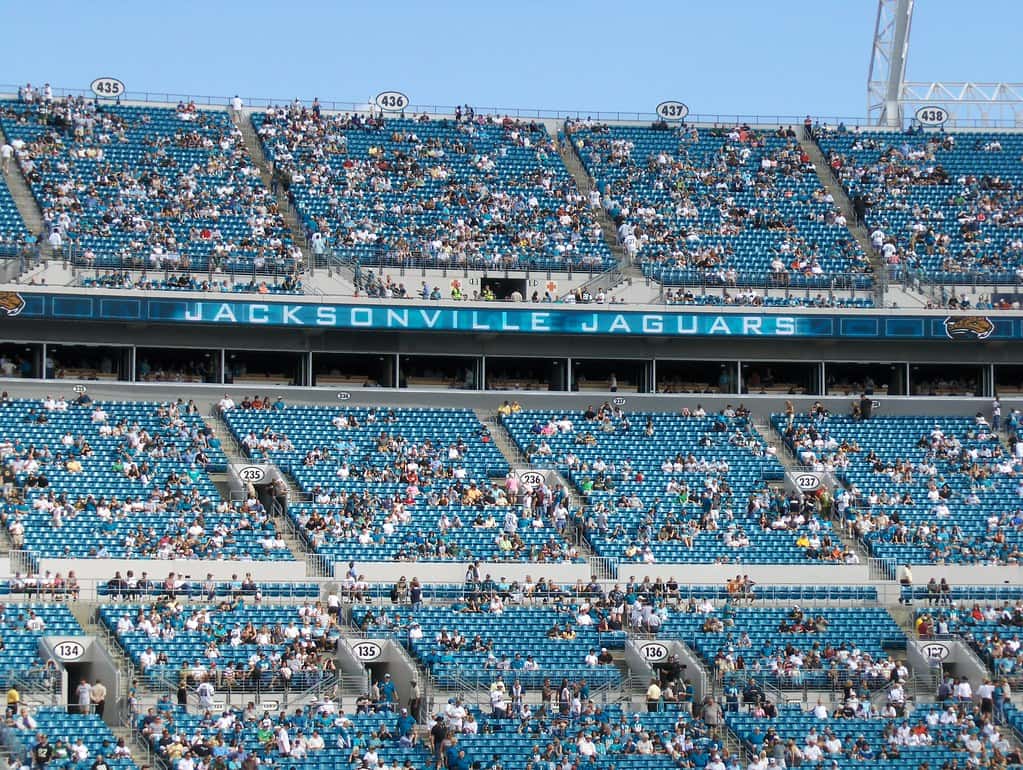
Three practices into training camp at the Miller Electric Center, the Jacksonville Jaguars offense has produced the most encouraging early stretch the franchise has seen in recent summers. Quarterback Trevor Lawrence and the passing game generated the majority of the highlights during a two-hour Friday session held in helmets and light pads, and the consistent observation from camp is that the offense as a unit is significantly ahead of where it stood at the same point last season. For a team whose recent seasons have hinged on how quickly the offense found rhythm, that is the most meaningful early signal available.
What the early practices have shown
Wide receiver Brian Thomas Jr. was the focal point of Friday's work, catching two touchdown passes from Lawrence and getting open deep for a third opportunity during eleven-on-eleven drills. Thomas has developed into the offense's primary vertical threat, and the connection with Lawrence in early camp suggests the timing on downfield concepts carried over from last season rather than needing to be rebuilt.
Tight end Nate Boerkircher, the team's second-round selection, recorded his first catch of camp in eleven-on-eleven work. Rookie tight ends typically face the steepest learning curve of any skill position because the role demands blocking assignments, protection recognition, and route responsibilities simultaneously, and early involvement in team drills is a positive indicator.
The Friday session was designated exclusively for season ticket members, part of Jacksonville's staggered access schedule during camp. Practices conducted in helmets and light pads emphasize timing, spacing, and passing concepts, which is consistent with an offense whose early highlights have come through the air.
Why being ahead of schedule matters
NFL offenses operate on an installation calendar that begins in the spring and compresses through camp. A team that reaches early August with concepts already executing at speed can spend the remainder of camp on situational work, red zone execution, and third down packages rather than on foundational installation.
Jacksonville's recent seasons have included slow offensive starts that placed the team in early-season holes. Being ahead in August does not guarantee a fast start in September, but the correlation between camp fluency and early-season execution is one of the more reliable relationships in the sport, particularly for passing offenses that depend on timing.
The comparison to last season is the operative context. Coaching staffs and beat observers measure progress against the same team's prior year because that comparison holds most variables constant. When the internal assessment is that the offense is significantly ahead, it reflects familiarity with terminology, alignment, and adjustments rather than raw talent.
Lawrence's situation
Lawrence enters the season needing to convert flashes into sustained production across a full year. His career has included stretches of high-level play interrupted by injury, protection breakdowns, and roster instability around him, and separating his individual performance from those circumstances has been an ongoing challenge for evaluators.
Early camp command shows up in ways that do not appear in statistics: getting the offense to the line quickly, making protection adjustments, and delivering the ball on time against defensive looks he has seen repeatedly. Those are the elements observers describe when they say an offense is ahead of pace.
The supporting cast around Lawrence has more continuity than in prior seasons. Thomas has established himself as a legitimate number one target, and the addition of a second-round tight end suggests the offense intends to use intermediate concepts more heavily, which typically reduces the burden on a quarterback to hold the ball for deep developing routes.
Building around the passing game
Jacksonville's offensive structure this year appears designed to give Lawrence quicker answers. A functioning tight end presence changes protection math and creates the intermediate throwing windows that sustain drives, while Thomas provides the deep threat that forces safeties to respect vertical routes.
The offensive line remains the variable that determines whether any of it holds up. Passing games that look sharp in helmets and light pads can look substantially different once padded practices introduce realistic pass rush, and the first true evaluation of protection comes when pads go on.
Running game development will also shape the offense. Play action concepts require a credible run threat to function, and offenses that cannot run effectively lose access to a substantial portion of the passing menu. Early camp emphasis on the passing game reflects installation sequence more than a statement of intent.
The AFC South opportunity
Jacksonville's division has been competitive without a dominant team establishing itself over a sustained period. That environment rewards teams that are healthy and internally consistent, and it means a functional offense can carry a team into contention without requiring a top-five roster.
Divisional games determine playoff positioning more than any other segment of the schedule, and familiarity within the division means execution matters more than scheme novelty. A team that runs its offense cleanly against opponents who know what is coming is better positioned than one that depends on surprising defenses.
EverBank Stadium has been undergoing a major renovation, and the stadium project has shaped the franchise's operational planning. The organizational stability that a resolved stadium situation provides removes a distraction that has affected the franchise periodically over the past decade.
What to watch through August
The first padded practices will reveal whether early passing game success reflects genuine execution or the natural advantage offenses hold in non-contact work. Defenses gain substantially when pads go on, and a passing game that maintains its efficiency through that transition has demonstrated something real.
Red zone work is the second area to monitor. Jacksonville's efficiency inside the twenty has fluctuated, and red zone offense is the most scheme-dependent portion of the game because compressed field space eliminates the vertical threat that drives the rest of the passing attack.
Health across the offensive line and at receiver will determine how much of the early progress carries into September. Camps that avoid significant injury at those positions preserve the continuity that produces fast starts.
The defensive side of camp
Offensive success in early camp necessarily means the defense is on the other end of it, and reading practice reports requires accounting for that. Offenses hold structural advantages in non-contact work because pass rushers cannot finish, receivers cannot be jammed with full physicality, and ball carriers are not tackled.
Jacksonville's defense will be evaluated properly once padded practices begin. Run defense and pass rush are the two areas that cannot be assessed without contact, and they are also the two areas that most directly determine defensive quality across a season.
Secondary play is the exception. Coverage can be evaluated meaningfully in non-contact work, since route running, leverage, and ball skills operate largely as they do in games. A secondary that gives up explosive plays throughout camp is generally telling the truth about itself.
Jacksonville's off-field footing
The franchise's stadium project has been the defining organizational question in Jacksonville for years, and its resolution removed uncertainty that had periodically distracted from football operations. Stadium construction affects game-day operations, seating capacity during the work, and the schedule of home dates, all of which the organization has planned around.
Attendance and local revenue matter in Jacksonville more than in larger markets because the fan base is smaller and the corporate base more limited. Sustained on-field success is the primary driver of both, which links football results and business stability more directly than in markets with deeper reserves of institutional support.
The team's international series commitments have been part of that business picture, and they affect the competitive calendar by altering travel and home-date distribution. Those arrangements have become routine for the organization rather than exceptional.
Measuring progress before the season
Camp performance is a weak predictor of season outcomes in isolation, and every NFL beat produces optimistic August reports that do not survive September. What carries more signal is the specific nature of the improvement described, particularly when it concerns execution and command rather than raw production.
Jacksonville's stated advantage over last year's pace is a comparison the coaching staff and observers can make directly because the personnel and system overlap substantially. That makes it more meaningful than generic camp praise, though it remains an internal assessment rather than a measured outcome.
The honest evaluation point arrives in the season's first month. Offenses that are genuinely ahead of schedule show it in third down conversion, red zone efficiency, and pre-snap operation, all of which are measurable from the opening week.
What's next
Camp continues at the Miller Electric Center with a mix of open and restricted practice dates, and preseason games will provide the first competitive evaluation. Starters typically see limited preseason work, so the most informative reps for the projected lineup occur in practice rather than in games.
Roster reductions at the end of August will resolve the competition at several positions, and the players who emerge from camp with expanded roles are often those who performed during the situational work that occupies the final two weeks.
For Jacksonville, the season's central question is whether an offense that looks organized in August can maintain that level through a full schedule. Three practices are a small sample, but they are a better sample than the franchise produced at the same point a year ago.
Jacksonville publishes its camp access schedule through the team, and remaining open dates give supporters an opportunity to see the roster before the season. For those following from a distance, daily practice reports from the team and from beat coverage provide the most detailed available picture of how the depth chart is resolving through the final weeks of August.
Jacksonville's football relevance matters to Northeast Florida beyond the standings. The franchise is the region's only major professional sports team, and its performance affects local business activity, hotel occupancy on home weekends, and the civic attention that a competitive season generates. A team that opens the season executing at the level camp reports describe would give the region something it has had only intermittently over the past decade.
Spotted an issue with this article?
Have something to say about this story?
Write a letter to the editor