University of Florida's Presidential Search Advances as Interim Leadership Continues
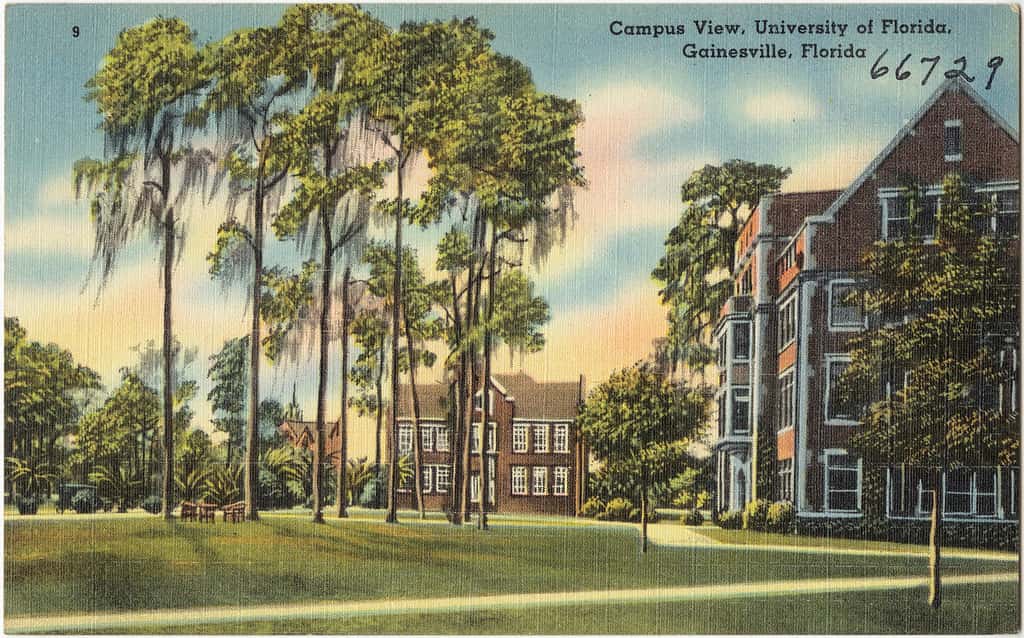
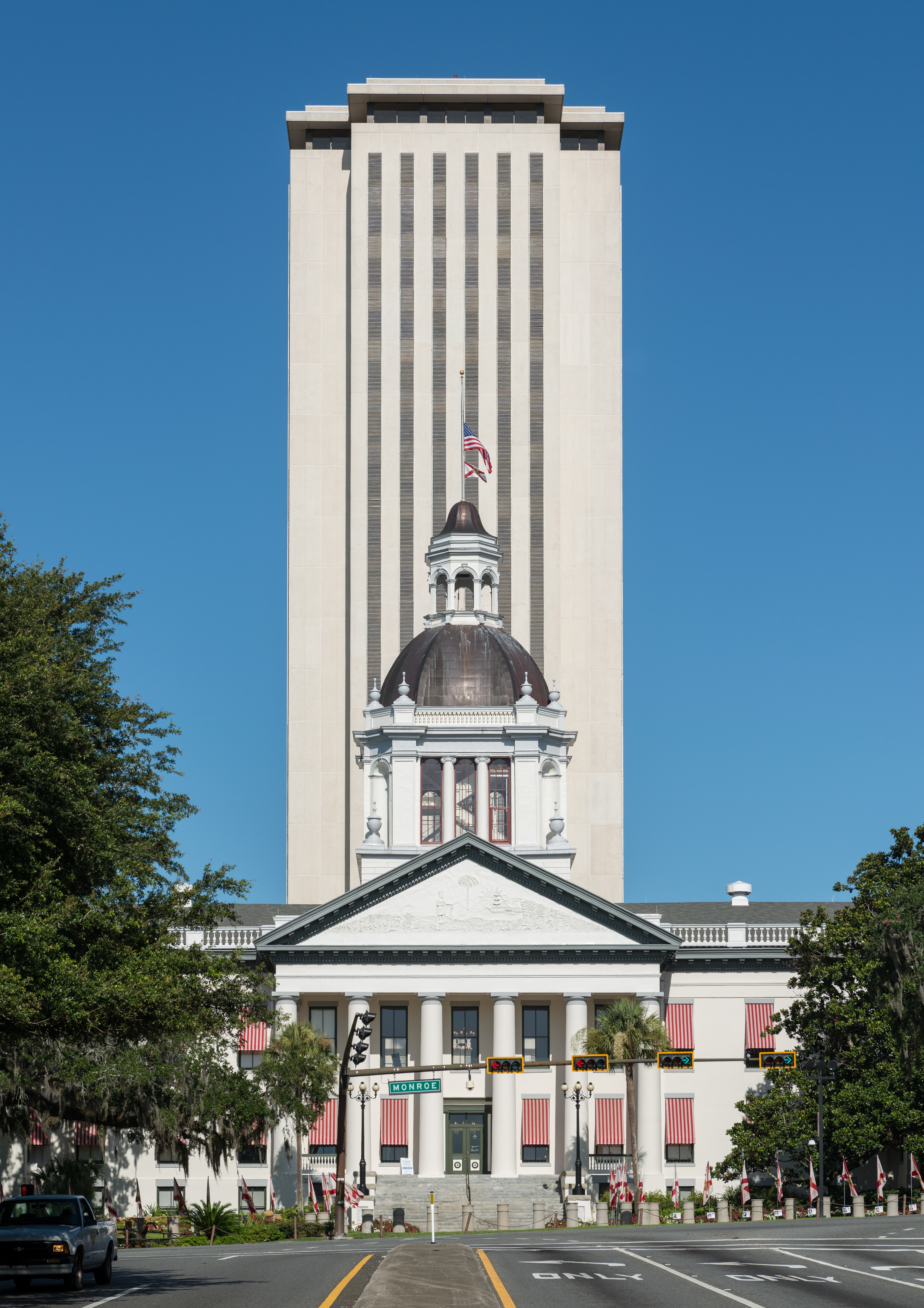
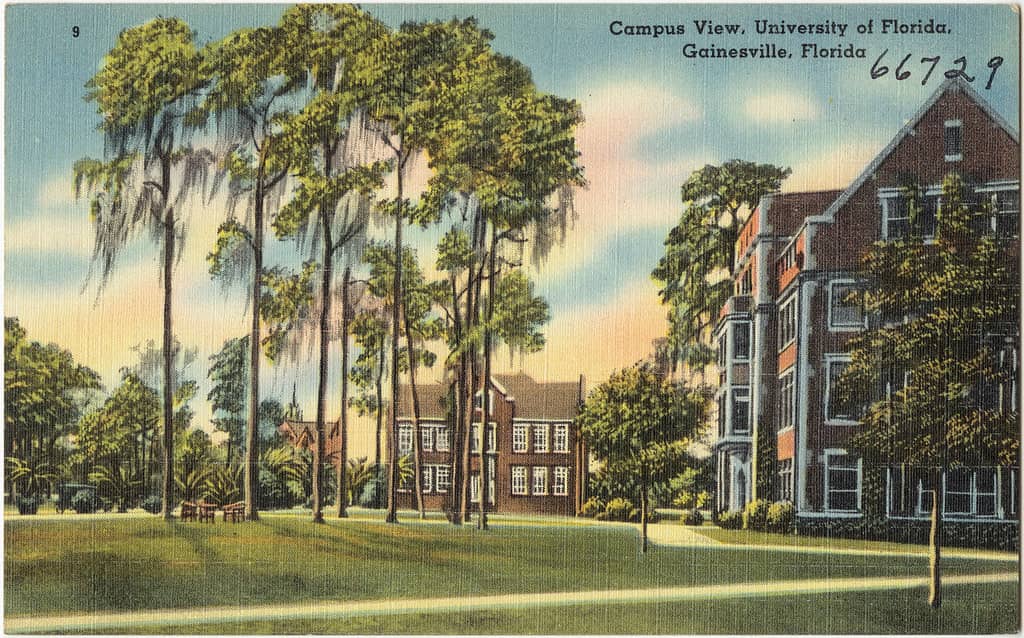
The University of Florida continues to operate under interim leadership as its Board of Trustees works through a national search for the institution's next permanent president, with Donald W. Landry serving as interim president. The board named a Presidential Search Advisory Committee to guide the process, the standard governance mechanism Florida universities use to recruit and vet candidates before a final selection.
The search matters beyond Gainesville. The University of Florida is the state's flagship public research institution, it carries the largest research portfolio in the state university system, and its president sits at the center of a governance structure that runs from the institution's own board of trustees up through the Florida Board of Governors, which must confirm a presidential selection.
Leadership transitions at flagship universities are consequential for reasons that extend well past the executive suite. A president shapes fundraising capacity, faculty recruitment and retention, research strategy, and an institution's standing in the rankings that influence where high-achieving students apply.
How a Florida presidential search works
Florida's university presidential searches follow a defined path. An institution's board of trustees appoints a search committee, typically including trustees, faculty representatives, students, alumni, and community members. That committee, usually working with an executive search firm, develops a position profile, recruits candidates, and conducts initial interviews.
The committee then recommends finalists to the full board of trustees, which selects a president. That selection is not final until the Florida Board of Governors confirms it, a step that gives the statewide body a meaningful check on individual institutions' choices.
Florida law regarding the confidentiality of applicants in presidential searches has changed in recent years, with a statutory exemption shielding portions of the process from public disclosure until finalists are named. Supporters of that structure argue it allows sitting executives at other institutions to apply without jeopardizing their current positions. Critics argue it reduces public scrutiny of a consequential public appointment. The practical effect is that the candidate pool is generally not visible until late in the process.
Where UF stands academically
The University of Florida has spent the past decade pursuing a sustained push into the upper tier of American public universities, backed by state investment in faculty hiring, research infrastructure, and graduate programs. That effort produced significant gains in national rankings and in research expenditure.
The institution has built particular strength in artificial intelligence and computing, an area where it made a large early commitment through a high-performance computing partnership and a curriculum initiative intended to integrate AI coursework across disciplines rather than confining it to computer science. That positioning has become more valuable as AI has moved to the center of research funding and industry partnership.
Health sciences represent another anchor. UF Health operates academic medical facilities in Gainesville and Jacksonville, and the clinical enterprise is a substantial component of the university's overall scale and its research base. Leadership of an institution with a major academic health system requires a different skill set than leading a university without one, and it narrows the pool of plausible candidates.
The state system context
UF's search is happening within a state university system that has seen considerable turnover and considerable policy attention in recent years. Florida has reshaped governance requirements, tenure review processes, general education requirements, and the rules surrounding diversity programming at public institutions, and university presidents have been the officials responsible for implementing those changes on their campuses.
Florida State University, the system's other major research institution, has drawn a record applicant pool, reporting nearly 97,000 applications for fall 2026 and welcoming roughly 6,000 new freshmen. That demand reflects a broader pattern in which Florida's public universities have become substantially more selective, driven both by in-state population growth and by rising out-of-state interest.
Competition among the state's institutions for students, faculty, and research dollars has intensified accordingly. A new UF president inherits an institution that is well positioned but operating in a system where the gap between the flagship and the next tier has narrowed.
What candidates will weigh
Public university presidencies have become harder jobs, and the national pool of people willing to take them has thinned. Average tenure in the role has shortened over the past two decades, and the position now requires navigating political oversight, athletics, fundraising, labor relations, federal research compliance, and public controversy, often simultaneously.
Candidates evaluating the UF position will weigh the institution's resources and trajectory against the governance environment. Florida's system gives the Board of Governors and the governor's appointees substantial influence, and a president who wants latitude on academic matters has to build working relationships across that structure.
Compensation at flagship public universities is competitive, and Florida has been willing to pay for leadership it wants. But money is rarely the deciding factor for candidates who are already sitting presidents or provosts elsewhere. Institutional fit, board alignment, and a clear sense of what the board actually wants tend to matter more.
What it means for Florida students and families
For current UF students, an interim presidency generally means continuity rather than disruption. Interim leaders typically avoid major strategic shifts, focusing instead on operations and on keeping existing commitments on track. Academic programs, admissions standards, and student services proceed largely as planned.
For prospective students and their families, the more relevant variable is the institution's trajectory over the next several years, which a new president will influence. Decisions about class size, in-state admission rates, program expansion, and financial aid strategy all flow from presidential priorities and board direction.
For Florida taxpayers, the university's research enterprise is an economic asset. UF's research spending supports jobs in North Central Florida, generates intellectual property, and anchors an innovation corridor around Gainesville that has produced spinout companies in biotechnology and computing. Leadership that sustains or expands that enterprise has measurable regional economic consequences.
Local impact in Gainesville and North Central Florida
Gainesville is a university town in the fullest sense. The University of Florida and UF Health together represent the dominant economic engine in Alachua County, and the institution's employment, construction, and student spending shape the local economy more than any other single factor.
The Jacksonville connection adds a second regional dimension through UF Health's presence in Northeast Florida, which links the university's clinical and academic mission to the state's largest city by land area and to a distinct healthcare market.
Local business and civic leaders generally follow presidential searches closely for that reason. A president's approach to campus expansion, to town and gown relations, and to regional partnerships affects everything from housing demand to commercial development patterns in the surrounding communities.
Athletics and the modern presidency
No account of a flagship presidency in the Southeastern Conference is complete without athletics, and the job has changed substantially in the past several years. The shift to name, image and likeness compensation, the arrival of revenue sharing with athletes, and the continuing realignment of conferences have converted athletic oversight from a ceremonial responsibility into a financial and legal one that reaches the president's desk regularly.
Florida's athletic department is among the largest in the country by revenue, and its football program in particular generates attention that shapes public perception of the institution as a whole. Coaching decisions, facility investments, and compliance matters all carry reputational weight, and a president who cannot manage that portfolio credibly will struggle regardless of academic performance.
Search committees at peer institutions have increasingly weighed athletics experience explicitly. That does not mean candidates need an athletics background, but it does mean they need a demonstrated ability to work with an athletic director and a board that cares deeply about the subject.
Research funding and the federal environment
A flagship president also functions as the institution's chief advocate for research funding, and that environment has grown less predictable. Federal research agencies remain the dominant source of university research dollars, and shifts in agency priorities, indirect cost policy, and appropriations timing all flow directly into an institution's research budget.
For the University of Florida, which has built a substantial portfolio across health sciences, agriculture, engineering, and computing, that exposure is significant. Agricultural research in particular carries a distinctly Florida dimension through the institution's extension network, which serves growers across the state on citrus disease, water management, and crop economics.
The next president will be responsible for positioning that portfolio as federal priorities move and as competition for the same grants intensifies. Institutions that diversified their research funding across federal agencies, industry partnerships, and philanthropy have generally weathered funding shifts better than those concentrated in a single source.
What the trustees have signaled they want
Boards rarely publish a candidate wish list in plain terms, but the composition of a search advisory committee and the language of a position profile tend to reveal priorities. Committees weighted toward trustees and donors typically signal that fundraising capacity and external relations rank highest. Committees with substantial faculty representation typically signal that academic credibility and research leadership carry equal weight.
For an institution at UF's scale, the realistic candidate profile narrows quickly. Leading a university with an academic health system, a major athletic program, a statewide extension network, and a research budget in the hundreds of millions requires experience that relatively few administrators possess. Sitting presidents at large public research universities, provosts at peer institutions, and senior academic health system executives make up most of the plausible field.
The other dimension is durability. Given the pace of turnover in public university leadership nationally, boards have increasingly weighed whether a candidate is likely to stay long enough to see a strategic plan through. A president who departs after three years leaves an institution restarting a search and a strategy at the same time, which is a cost that does not appear on any balance sheet.
What's next
The search advisory committee's work proceeds toward a slate of finalists, at which point the process becomes publicly visible under Florida's disclosure framework. Finalist campus visits, where they occur, are typically the first opportunity for faculty, students, and the broader community to evaluate candidates directly.
Following a trustee selection, the Florida Board of Governors must confirm the appointment before a president takes office. That two-step structure means the timeline from finalist announcement to a new president actually starting work generally runs several months.
Until then, the university operates under interim leadership, and the substantive questions about its direction, on research priorities, enrollment growth, and its position within a state system under active policy revision, remain open for whoever takes the job.
Spotted an issue with this article?
Have something to say about this story?
Write a letter to the editor