Brazil Cruise Past Scotland at Miami's Hard Rock Stadium to Reach World Cup Knockouts
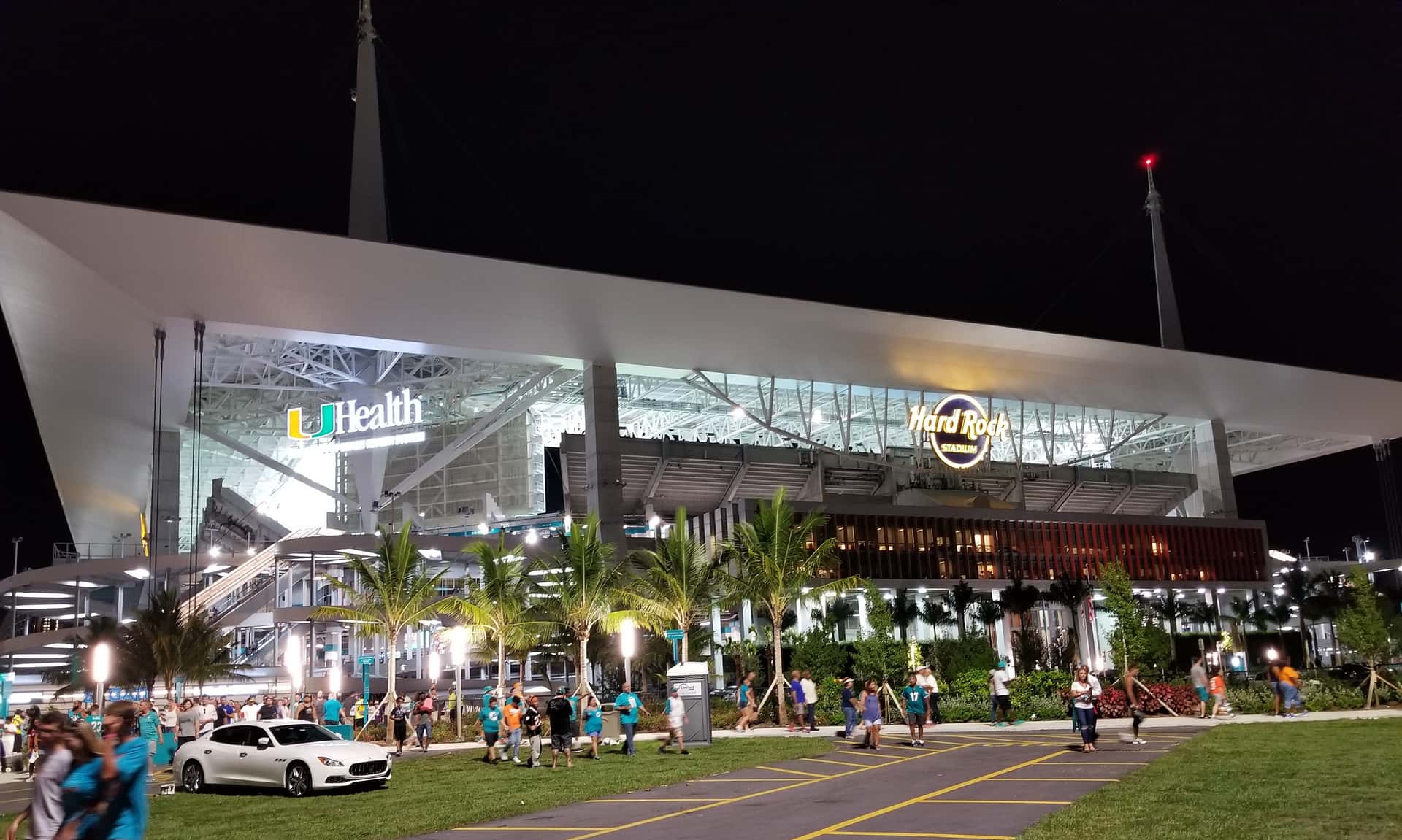
Brazil delivered a commanding performance at Hard Rock Stadium in Miami Gardens on June 24, 2026, beating Scotland 3-0 to advance to the knockout round of the FIFA World Cup. Vinicius Junior was the standout, scoring twice and tormenting the Scottish defense throughout, while Matheus Cunha added the third goal to complete a comfortable victory in front of a crowd that turned the South Florida venue into a sea of yellow and blue. The result sent the five-time world champions through to the next stage in convincing fashion.
The match was one of seven World Cup fixtures that Miami is hosting at Hard Rock Stadium during the 2026 tournament, which is being staged across the United States, Mexico, and Canada. For South Florida, the World Cup has brought a parade of national teams and their traveling supporters to the region, and the Brazil match was among the marquee draws given the global following that the Brazilian national team commands. The atmosphere reflected the significance of hosting one of the sport's biggest names.
Brazil's dominance was reflected not just in the scoreline but in the run of play, with the Brazilians controlling possession and creating the better chances throughout. Scotland, making its presence felt at the tournament, was unable to contain Vinicius and could not generate enough at the other end to trouble Brazil. The victory underscored Brazil's status as one of the favorites and gave South Florida soccer fans a showcase of the sport at its highest level.
How the match unfolded
Brazil asserted control early and made the breakthrough in the seventh minute when Vinicius Junior capitalized on a defensive lapse to open the scoring. The early goal set the tone for a match in which Brazil consistently looked the more dangerous side. Vinicius was a persistent threat down the flank, using his pace and movement to stretch the Scottish defense and create opportunities for himself and his teammates.
The Brazilian doubled the lead before halftime, with Vinicius adding his second of the match to put Brazil firmly in command heading into the break. The two-goal cushion reflected Brazil's superiority over the opening period, during which the South Americans dominated the ball and the chances. Scotland struggled to gain a foothold against the relentless attacking pressure and went into halftime facing a steep climb.
Matheus Cunha completed the scoring with the third goal, capping a performance in which Brazil's attacking quality was on full display. The margin of control was reflected in the balance of chances, with Brazil generating a far higher quality of opportunities than Scotland managed. The 3-0 result was a fair reflection of a match that Brazil dominated from the early going to the final whistle.
Vinicius Junior's showcase
The afternoon belonged to Vinicius Junior, whose two goals and overall influence made him the central figure in Brazil's victory. His opening goal in the seventh minute punished a Scottish mistake, and his second before halftime demonstrated the finishing ability that has made him one of the most dangerous attackers in the world. Beyond the goals, his movement and pace caused constant problems for the Scottish defense.
Performances like this one are what World Cup audiences come to see, and the Miami crowd was treated to a display from one of the sport's premier talents. Vinicius operated as the focal point of Brazil's attack, and his ability to beat defenders and create danger gave Brazil an edge that Scotland could not match. His showing reinforced his importance to Brazil's ambitions as the tournament moves into its knockout phase.
Brazil's attacking depth, with players like Cunha contributing alongside Vinicius, gives the team multiple avenues to threaten opponents. That combination of individual brilliance and collective quality is part of what makes Brazil a perennial contender at the World Cup. The Miami match offered a snapshot of that attacking potency, with Vinicius leading the way and his teammates supporting the effort.
Miami's World Cup moment
The Brazil match was part of Miami's role as one of the host cities for the 2026 World Cup, with Hard Rock Stadium staging seven fixtures across the tournament. Hosting the World Cup has placed South Florida on the global stage and brought an influx of fans from the competing nations, each bringing their own color and passion to the region. The Brazil contingent, known for its vibrant support, was a notable presence for this fixture.
For South Florida, the tournament represents a major event with significant economic and cultural dimensions. The matches draw large crowds to Hard Rock Stadium and bring visitors who fill hotels, restaurants, and other businesses across the region. The World Cup also showcases Miami to a worldwide television audience, reinforcing the city's standing as an international destination and a hub for soccer in the United States.
The schedule at Hard Rock Stadium has featured a range of national teams, giving local fans the chance to see some of the world's best players and most followed teams up close. The venue, which is home to the Miami Dolphins and has hosted major events including the Miami Open and college football's biggest games, has added the World Cup to its portfolio of marquee occasions. The tournament's presence in Miami is a highlight of the region's sports calendar.
Scotland's tournament
For Scotland, the match against Brazil represented a difficult test against one of the favorites, and the result reflected the gulf in quality on the day. Reaching the World Cup is itself a significant achievement, and the Scottish team and its supporters were part of the global gathering of nations that the tournament represents. The traveling Scottish fans added to the atmosphere at Hard Rock Stadium even as their team fell to a strong Brazilian side.
Facing Brazil at a World Cup is among the toughest assignments in the sport, and Scotland was unable to contain the attacking threat that Vinicius posed. The defeat was a reminder of the level required to compete with the tournament's elite teams. Scotland's participation in the World Cup, however, placed the nation on soccer's grandest stage and gave its players the experience of competing against the best.
The competitive structure of the World Cup means that teams face a range of opponents, and a single result against a powerhouse like Brazil does not define a tournament. Scotland's broader campaign and its standing in the competition reflect the full body of its matches. The encounter with Brazil in Miami was one chapter in that campaign, and a challenging one against formidable opposition.
What it means for the host region
The World Cup's presence in South Florida has implications that extend well beyond the matches themselves. The tournament brings a surge of visitors and economic activity, supporting the hospitality and tourism sectors that are central to the regional economy. Large events like the World Cup fill hotel rooms, draw diners to restaurants, and generate spending across a range of businesses, providing a boost to the area during the tournament window.
The global exposure that comes with hosting World Cup matches is also valuable for Miami's profile as an international city. The matches are broadcast to audiences around the world, putting the region in front of a vast viewership and reinforcing its image as a destination capable of staging major events. That exposure can have lasting benefits for tourism and for the region's standing on the world stage.
The tournament also feeds the growing enthusiasm for soccer in the United States, a sport whose popularity has risen substantially. Hosting World Cup matches in markets like Miami helps build the sport's domestic following and connects local fans to the global game. The energy around fixtures like the Brazil match reflects the appetite for top-level soccer in a region with a deep and diverse fan base.
What's next
Brazil's victory secured its place in the knockout round, where the margin for error narrows and a single defeat ends a team's tournament. The Brazilians will carry the confidence of a dominant performance into the next stage, with Vinicius and the rest of the attack having shown their quality. As one of the favorites, Brazil will face heightened expectations as the competition advances toward its later rounds.
Miami's World Cup hosting continues, with additional matches scheduled at Hard Rock Stadium as the tournament progresses, including fixtures in the later stages of the competition. The venue's slate of games means that South Florida will remain a focal point of the tournament, drawing more teams and fans to the region in the weeks ahead. The economic and cultural benefits of hosting will continue to accrue as the matches play out.
For South Florida soccer fans, the Brazil match was a memorable showcase of the sport at its highest level, delivered by one of its most storied teams. The combination of a global powerhouse, a star performer in Vinicius, and a passionate crowd captured what makes the World Cup special. As the tournament moves forward, Miami's role as a host city ensures that more such moments lie ahead.
Spotted an issue with this article?
Have something to say about this story?
Write a letter to the editor