Buccaneers Head to New York for Joint Practices Before Their Preseason Opener
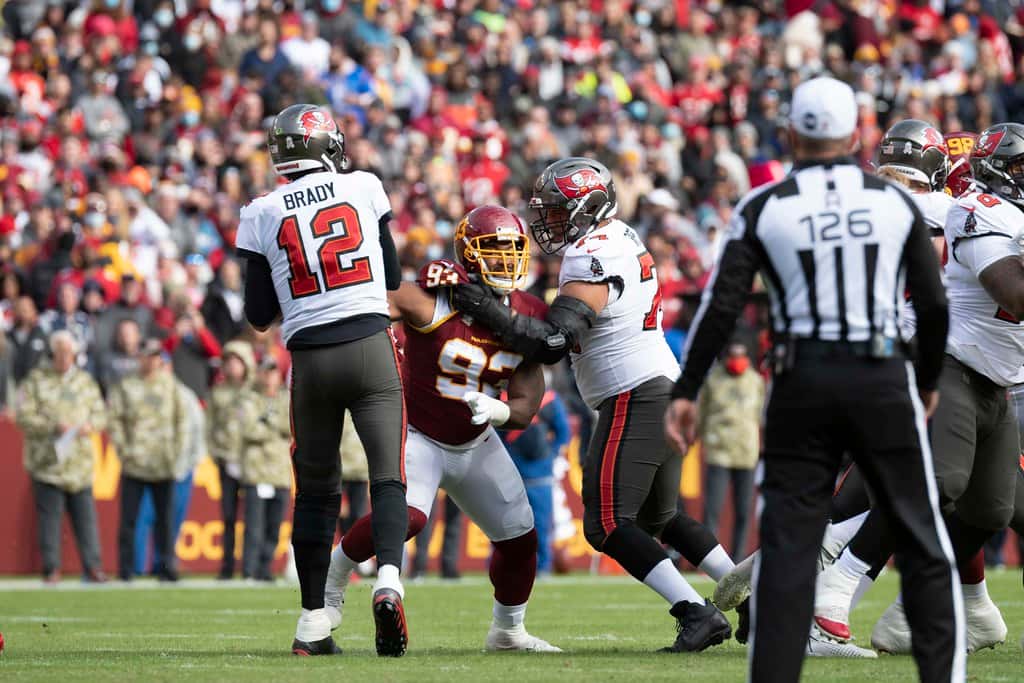
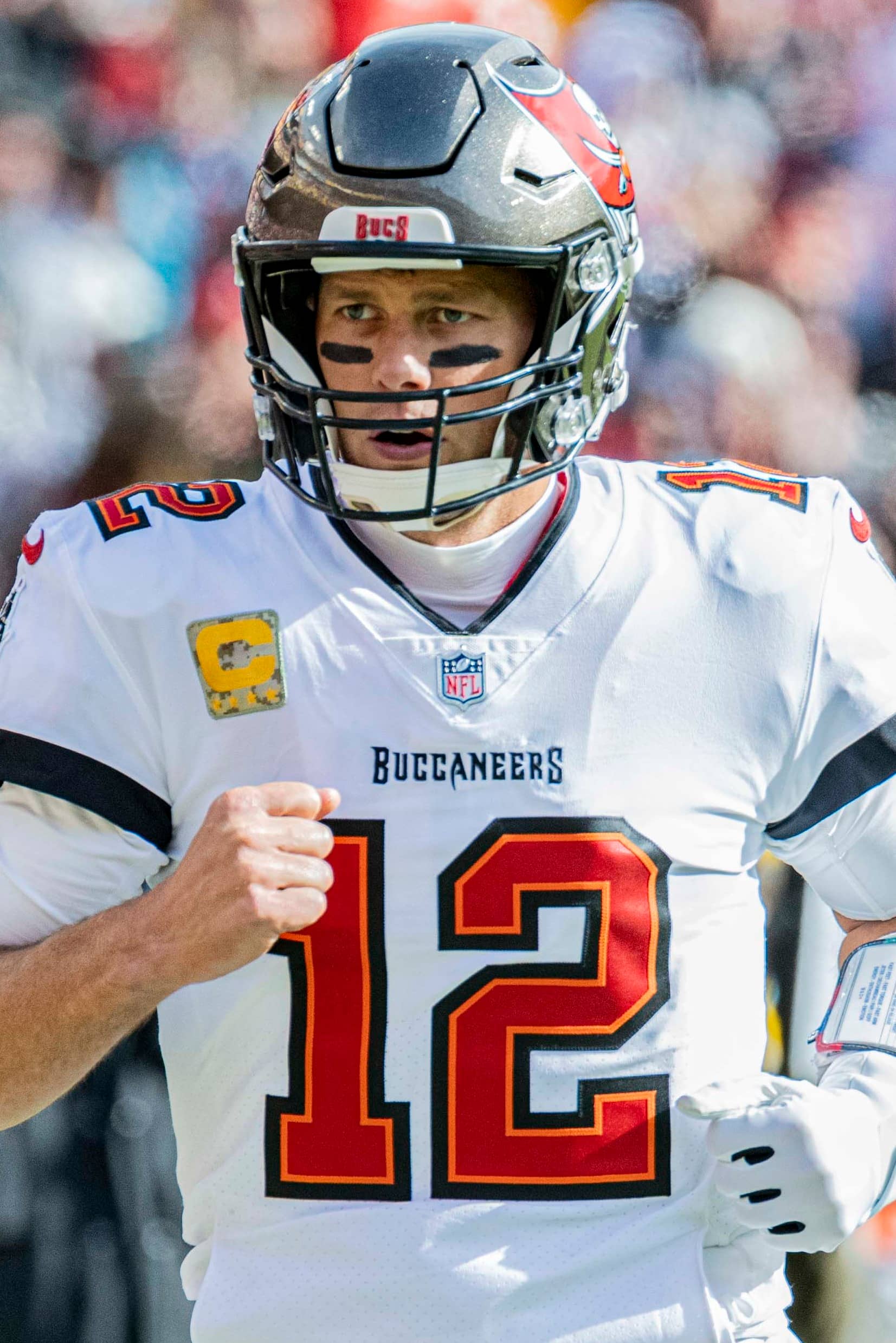
The Tampa Bay Buccaneers wrapped up the open portion of their training camp and traveled to New York for joint practices with the Jets ahead of their preseason opener on August 14, closing out a camp the organization has described as unusually competitive across the roster. The Buccaneers held eight practices open to the public between July 30 and August 9 at their Tampa facility.
Joint practices have become a standard element of NFL preseason preparation, and their value is straightforward. They give coaching staffs controlled work against an unfamiliar opponent without the injury exposure of an extra game, and they let position groups face schemes and techniques they have not been practicing against for three weeks.
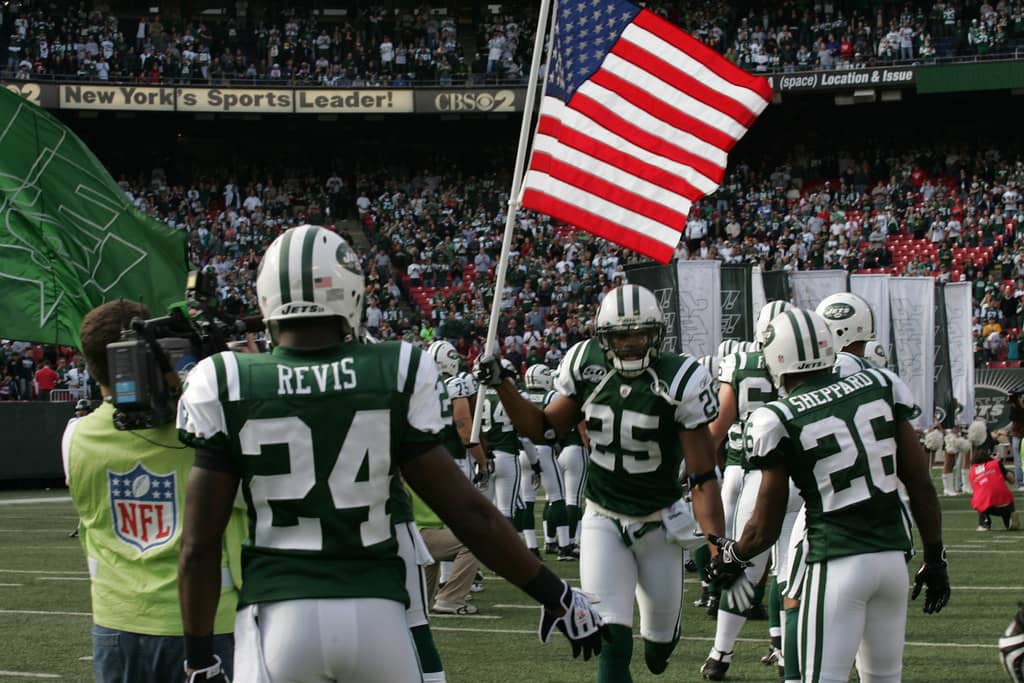
The Buccaneers' sessions with the Jets were characterized as fiery, a common outcome when two teams practice against each other in pads late in camp.
Camp standouts
Several players have drawn consistent attention through Tampa Bay's camp. Cornerback Zyon McCollum has been noted for standout plays in coverage. Linebacker Alex Anzalone has been highlighted for his skill set and leadership on defense, the kind of veteran presence a defense leans on during installation.
Rookie outside linebacker Rueben Bain Jr. has drawn positive notice for how his approach has translated to the field. Rookie edge defenders typically face a steep transition from college to professional offensive tackles, and camp reps against NFL linemen are the first real measure of where a young pass rusher stands.
Second-round pick Josiah Trotter, a linebacker out of Missouri, has been described as thriving since the team began practicing in pads and is competing for a starting job to open the season. Rookies competing for starting roles at linebacker are relatively common, because the position rewards instinct and physicality that translate more directly from college than technique-heavy positions do.
Why the pads matter
The Buccaneers practiced in full pads for the first time since the 2025 season on August 3. That date is a meaningful marker in any NFL camp, because the collective bargaining agreement limits padded practices and structures the ramp-up period at the start of camp.
Non-padded practice tells coaching staffs a great deal about route running, coverage recognition and quarterback timing. It tells them almost nothing about run blocking, tackling, point-of-attack strength or how a player handles contact. Evaluations of interior linemen, linebackers and defensive linemen do not become meaningful until the pads come on.
That is why the character of a camp often shifts once padded work begins, and why players who thrive in that phase, as Trotter has, separate themselves in position battles that looked closer during the earlier sessions.
The preseason schedule
Tampa Bay's preseason runs through late August, with the joint practice format bookending the schedule. After the trip to New York for the opener on August 14, the Buccaneers have a home game on August 22 and then travel to Jacksonville for joint practices with the Jaguars before the preseason finale on August 28.
Two joint practice sessions in a single preseason is an aggressive schedule and reflects a coaching staff that values the controlled work. The Jacksonville trip also creates an in-state matchup that carries some regional interest, since Florida's three NFL franchises rarely intersect during the regular season.
Jon Gruden is scheduled to return to the broadcast booth for the Buccaneers' home preseason game on August 22, his first time calling a game from the booth since the end of the 2017 season. Gruden coached Tampa Bay from 2002 through 2008 and led the franchise to its first Super Bowl title.
The Florida context
Raymond James Stadium anchors Tampa Bay's sports calendar alongside Amalie Arena, home of the Lightning, and Tropicana Field, where the Rays play. The stadium also hosts the University of South Florida football program and has served as a venue for major college football events.
The Buccaneers occupy a different competitive position than the Dolphins, who are working through a roster rebuild under a first-year head coach, and the Jaguars, whose camp has centered on the development of a young receiver group. Tampa Bay's camp has read as a team sorting depth and competition within an established structure rather than one rebuilding from the ground up.
Florida's three NFL teams draw from overlapping but distinct fan bases across the state, with the Buccaneers holding the Tampa Bay market and much of central and southwest Florida.
What it means for Florida fans
The preseason is where roster questions get answered, and this year those questions in Tampa concentrate at linebacker, in the secondary and along the edge. Fans watching the three preseason games should track snap distribution as much as results, because playing time allocation reveals where the coaching staff has landed on competitions.
Preseason results themselves carry little predictive value. Teams game plan minimally, starters play limited snaps or none at all, and the schemes shown are deliberately basic. A preseason record tells fans nothing useful about the regular season ahead.
What does matter is health. The primary risk in August football is losing a contributor to injury before games count, which is part of why joint practices have grown in popularity as a substitute for additional live snaps.
Local impact across Tampa Bay
The Buccaneers' camp operations and preseason home game generate activity around the Raymond James Stadium district, and the free public practices function as community access during a period when the team is not selling regular season tickets.
Tampa Bay's sports calendar shifts through late summer as the Rays play out the final stretch of the baseball season, the Lightning approach the opening of their training camp, and football moves toward the September regular season opener.
How joint practices are structured
Joint practices operate under agreements negotiated between the two coaching staffs, which set the terms before anyone takes the field. Those agreements typically cover whether tackling to the ground is permitted, how quarterbacks are protected, which periods will be run and how the teams will alternate offensive and defensive possession.
The standard arrangement is that quarterbacks are off limits to contact and ball carriers are not taken to the ground, preserving the competitive value of live repetitions while limiting injury exposure. Both staffs share an interest in that arrangement, since neither wants to lose players in August.
The periods generally progress from individual position work through group drills to full team periods, mirroring a normal practice structure but with the opposing team providing the look. That unfamiliarity is the entire point, since three weeks of practicing against the same defense produces diminishing returns.
Fights are common at joint practices and are generally treated by coaching staffs as an expected byproduct of competitive intensity rather than a problem, provided they do not escalate. The description of the Buccaneers and Jets sessions as fiery fits that pattern.
What the preseason actually decides
Preseason games serve a narrower purpose than casual observers often assume, and understanding that purpose clarifies what to watch.
The primary function is roster evaluation at the back end. Starters play limited snaps or none, and the players receiving extended action are competing for the final roster spots and for special teams roles. Those decisions carry real consequences for the players involved and modest consequences for team performance.
The secondary function is evaluating specific situations that practice cannot replicate: how a young quarterback handles a live pass rush, how a returner performs when coverage is genuinely trying to tackle him, how special teams units execute under game conditions.
What preseason games do not indicate is regular season quality. Play calling is deliberately basic, opponents are not scouted in depth, and the personnel on the field for most snaps will not be on the field in September. A team's preseason record has no demonstrated relationship to its regular season performance.
The one genuinely consequential preseason outcome is injury. Losing a rotation player in a game that does not count is the outcome every coaching staff spends August trying to avoid, and it is the reason joint practices have partially displaced live snaps across the league.
Roster construction under the salary cap
The competition Tampa Bay has described across its camp is partly a product of how NFL rosters are built under a salary cap.
Teams carry 90 players through camp and must reduce to 53 before the regular season, plus a practice squad. That reduction means roughly 37 players in camp will not make the roster, which is why competition is genuine rather than performative even on a settled team.
Cap structure shapes which competitions are real. A player carrying substantial guaranteed money is difficult to release regardless of camp performance, because the cap charge follows him. Players on rookie contracts or modest veteran deals compete on more equal footing.
Special teams contribution frequently decides the final roster spots. A backup linebacker or safety who covers kicks well has a path to a roster spot that a similar player without that ability does not, because those units require roughly 20 players and starters cannot fill them all.
Practice squad eligibility rules add another layer, allowing teams to retain young players who clear waivers while preserving roster flexibility, though any team can sign a practice squad player to its active roster.
What's next
The preseason opener against the Jets follows the joint practices, with the home game on August 22 and the Jacksonville finale on August 28. Roster reductions to the regular season limit come after the final preseason game.
Those cuts will resolve the position battles that have defined the Buccaneers' camp, including whether Trotter opens the season as a starter and how the edge rotation sorts out with a rookie in the mix.
The regular season begins in September.
Spotted an issue with this article?
Have something to say about this story?
Write a letter to the editor