Buccaneers Edge Chiefs 16-15 to Move to 2-0 in Preseason
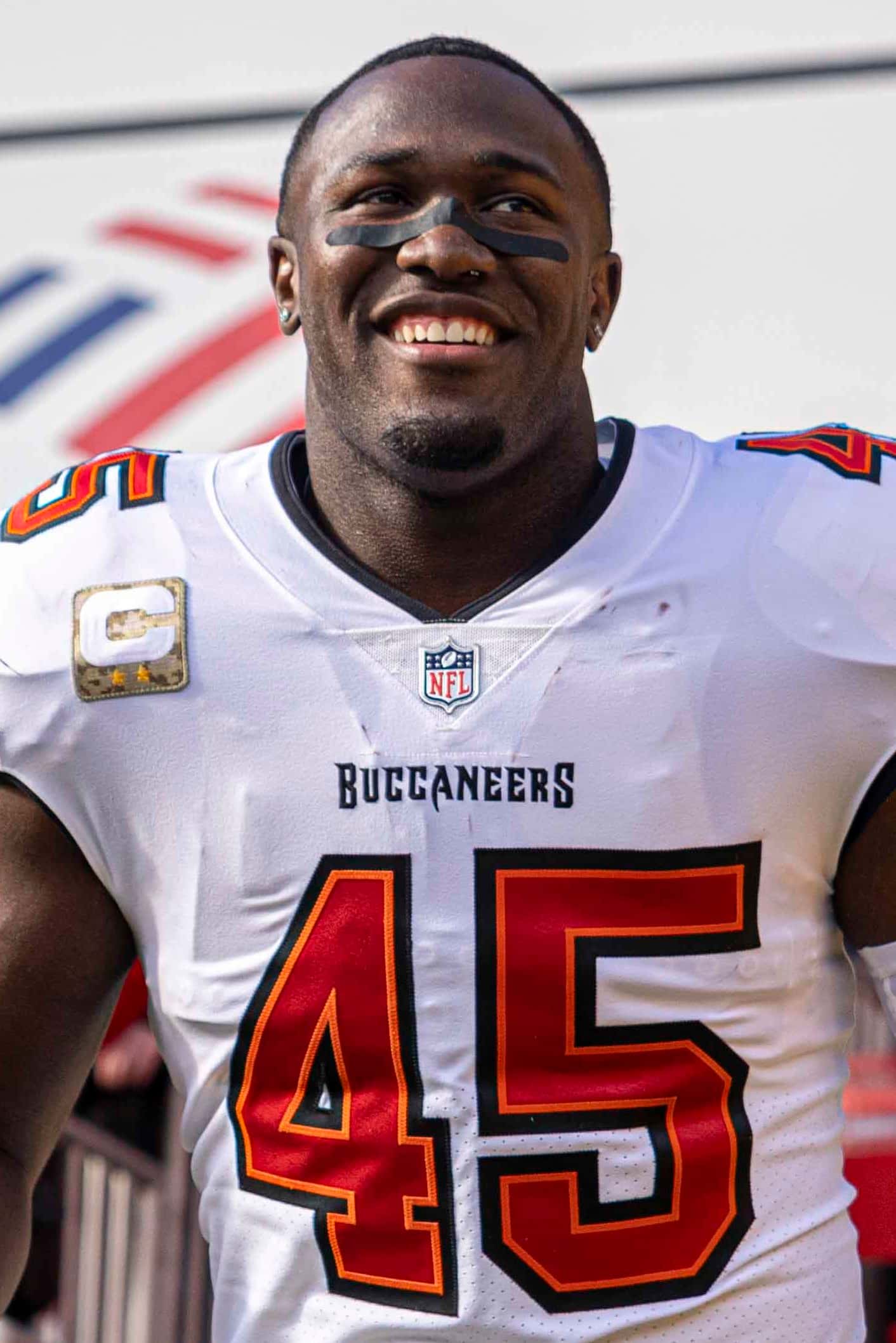
The Tampa Bay Buccaneers beat the Kansas City Chiefs 16-15 at Raymond James Stadium on Saturday night, moving to 2-0 in the 2026 preseason and beating a Super Bowl LV rematch opponent in a game decided by a single point in the fourth quarter. Kansas City fell to 0-2 in exhibition play.
How the game turned
Tight end Ko Kieft and running back Sean Tucker each scored touchdowns for Tampa Bay. On defense, outside linebacker Anthony Nelson totaled 1.5 sacks and cornerback Roman Parodie came up with a fourth-quarter interception that effectively closed out the game.
Quarterback Jalon Daniels led three scoring drives in the second half, the kind of extended late-game work that preseason games exist to produce and that carries real weight for a player competing for a roster spot behind an established starter.
The one-point margin is incidental. Preseason scores carry no standings implication, and coaching staffs manage playing time around evaluation rather than outcome. What matters from a night like this is which individual performances change roster projections.
The quarterback room
Baker Mayfield enters his fourth consecutive season as Tampa Bay's starter and is the unquestioned QB1. The competition sits behind him, with Jake Browning listed as the backup, followed by Connor Bazelak and Daniels.
That structure means preseason snaps for the quarterbacks below Mayfield are genuinely competitive rather than ceremonial. NFL teams typically carry two or three quarterbacks on the active roster, with the third often placed on the practice squad, and preseason production is a primary input into that decision.
Mayfield's own preparation this summer has centered on a new offensive system under coordinator Zac Robinson. Mayfield said earlier in camp that the installation process had gone well, and the reps starters take in August are aimed at operational fluency in that scheme rather than at statistical output.
What the defense showed
Nelson's 1.5-sack performance continues a pattern from the preseason opener, in which the Buccaneers generated pressure against the New York Jets in a 24-16 comeback win at MetLife Stadium. Second-year defensive lineman Elijah Roberts recorded a sack and a tackle for loss in that game.
Outside linebacker David Walker drew attention during joint practices with the Jets for energizing the defensive unit, and tackle Luke Goedeke was involved in contentious post-whistle exchanges during those sessions, the kind of intensity that joint practices reliably produce.
Pass rush depth has been a recurring priority in Tampa Bay, and preseason production from rotational players is one of the few pre-September signals available on whether that depth exists.
Where the Buccaneers stand
Tampa Bay has been one of the NFC South's more consistent organizations in recent seasons, and the division has generally been decided by relatively narrow margins. The Buccaneers' roster construction has emphasized continuity along the offensive line and investment in the front seven.
The new offensive coordinator represents the most significant schematic change entering the season. Coordinator transitions typically show their effects in the first month of the regular season rather than in August, because preseason play-calling is deliberately vanilla.
The Buccaneers close the preseason with a third exhibition game before the league-wide roster reduction, after which the regular season begins in September.
The roster deadline ahead
NFL rules require teams to reduce to 75 players by Tuesday, Aug. 26, and to a final 53-man active roster by Aug. 30. That four-day window between the two deadlines is when most consequential decisions are made across the league.
Players released at the 53-man cutdown pass through waivers, and teams then construct 16-player practice squads from the pool of unclaimed players. For fringe roster players, a strong preseason can mean the difference between an active roster spot in Tampa, a practice squad spot, or a claim by another franchise.
The compressed timeline is why performances like Daniels' second-half work and Parodie's interception matter more than the final score suggests.
What it means for Tampa Bay fans
Raymond James Stadium hosted the game, and preseason home dates function as the first opportunity for season ticket holders to see the roster in game conditions. The stadium, located in West Tampa, is also the home venue for the annual college football bowl game played there and hosts other events through the year.
The Buccaneers are one of three NFL franchises in Florida alongside the Miami Dolphins and Jacksonville Jaguars, and the three teams' fortunes have diverged considerably in recent seasons. Tampa Bay has had the most sustained recent success of the three.
Regular season ticket demand, local television ratings and the economic activity surrounding home game weekends all follow from on-field performance, and the Tampa Bay market has historically been responsive to competitive teams.
Why preseason results are read carefully anyway
Coaches routinely dismiss preseason scores, and they are right to. Play-calling is deliberately simplified, defensive schemes are stripped of disguise, and neither team game-plans for the other in any meaningful sense. A team that goes 3-0 in August has demonstrated nothing about September.
What does carry over is individual evaluation under game conditions. Practice reps are controlled; game reps include unscripted situations, fatigue, crowd noise and live tackling. Coaching staffs consistently say that the film from three exhibition games is what separates otherwise similar players on the roster bubble.
Special teams evaluation is the clearest example. Coverage units, returners and the specialists themselves get their only genuine live work in preseason, and a substantial share of the bottom of any NFL roster is populated by players who earn spots primarily through special teams ability.
Joint practices have changed the calendar
Tampa Bay's joint sessions with the New York Jets before the preseason opener reflect a broader league shift. Joint practices allow teams to work against unfamiliar opponents in a controlled setting, with scripted situations, agreed-upon tempo and, in principle, limited contact.
The reality is often more contentious. The Buccaneers' sessions with the Jets produced post-whistle friction involving tackle Luke Goedeke, which is common enough that coaches build it into their expectations. Unfamiliar opponents in August, with roster spots at stake, produce edge.
The advantage of joint practices is that starters can get competitive work against another team without the injury exposure of a full game. That is precisely why coaches like Jacksonville's Liam Coen have felt comfortable holding starters out of exhibition games entirely: the work has already happened elsewhere.
The NFC South picture
Tampa Bay competes in a division that has been decided by narrow margins in recent seasons, with the Atlanta Falcons, Carolina Panthers and New Orleans Saints all in range. Divisions decided by one or two games place unusual weight on head-to-head results and on divisional record tiebreakers.
The Falcons added quarterback Tua Tagovailoa this offseason after his departure from Miami, giving the division a Florida connection it did not previously have. Divisional roster movement of that kind is tracked closely because it produces twice-yearly matchups against a familiar opponent.
For the Buccaneers, roster continuity along the offensive line and investment in the front seven have been the organizational priorities, and the preseason pass rush production from Anthony Nelson and Elijah Roberts speaks directly to the second of those.
What Tampa Bay fans should watch in September
The most meaningful early-season question is how quickly the offense operates in coordinator Zac Robinson's system. New offensive systems typically show timing and communication issues in the first few games, and the fairest evaluation window is usually the third or fourth week rather than the opener.
Baker Mayfield's fourth season as the starter provides the continuity that makes a schematic change survivable. Teams that change coordinators and quarterbacks simultaneously face a much steeper adjustment than teams changing one variable.
Defensively, the question is whether preseason pass rush production came against starters or against the reserve offensive linemen who play most August snaps. That distinction is only resolvable once the regular season begins.
Preseason attendance and what home games mean locally
Preseason home dates draw smaller crowds than regular season games, but they remain substantial events for the Tampa Bay region. Raymond James Stadium seats more than 65,000, and even a partially filled preseason crowd represents tens of thousands of people moving through West Tampa on a single evening.
Stadium operations employ concessions, security, parking and cleaning staff on an event basis, and preseason games provide the first work dates of the season for that workforce. For many of those employees, the NFL calendar is a meaningful portion of annual earnings.
The venue's use extends beyond football. It hosts college games, a bowl game, concerts and soccer matches, which spreads its economic contribution across the year rather than concentrating it in the fall.
Where the roster goes from here
After the reduction to 53, teams build practice squads of 16 players who train with the club but are not on the active roster. Practice squad players can be elevated to the active roster for individual games a limited number of times per season and can be signed away by other teams to their active rosters.
Injuries reshape rosters continuously through the season, and teams sign free agents from a pool that includes players released at cutdown across the league. A player who does not make a roster in August frequently plays in October for a different team.
For Tampa Bay, the practical questions after cutdown are the depth behind Mayfield at quarterback, the rotation in the pass rush and whether the special teams units retain enough continuity to function in Week 1.
What's next
Tampa Bay has one preseason game remaining before the roster deadline, and the Jaguars are scheduled to visit Jacksonville's home slate as part of the Florida teams' preseason cross-scheduling. Starters typically play sparingly or not at all in the third exhibition game.
The roster reduction to 75 comes Aug. 26, followed by the cut to 53 on Aug. 30. The regular season opens in September, and the Buccaneers will publish their final depth chart in the days after cutdown.
The Florida Press will continue to cover the Buccaneers, Dolphins and Jaguars through roster cuts and into the regular season.
Spotted an issue with this article?
Have something to say about this story?
Write a letter to the editorComments
No comments yet. Be the first to weigh in.
Related Coverage
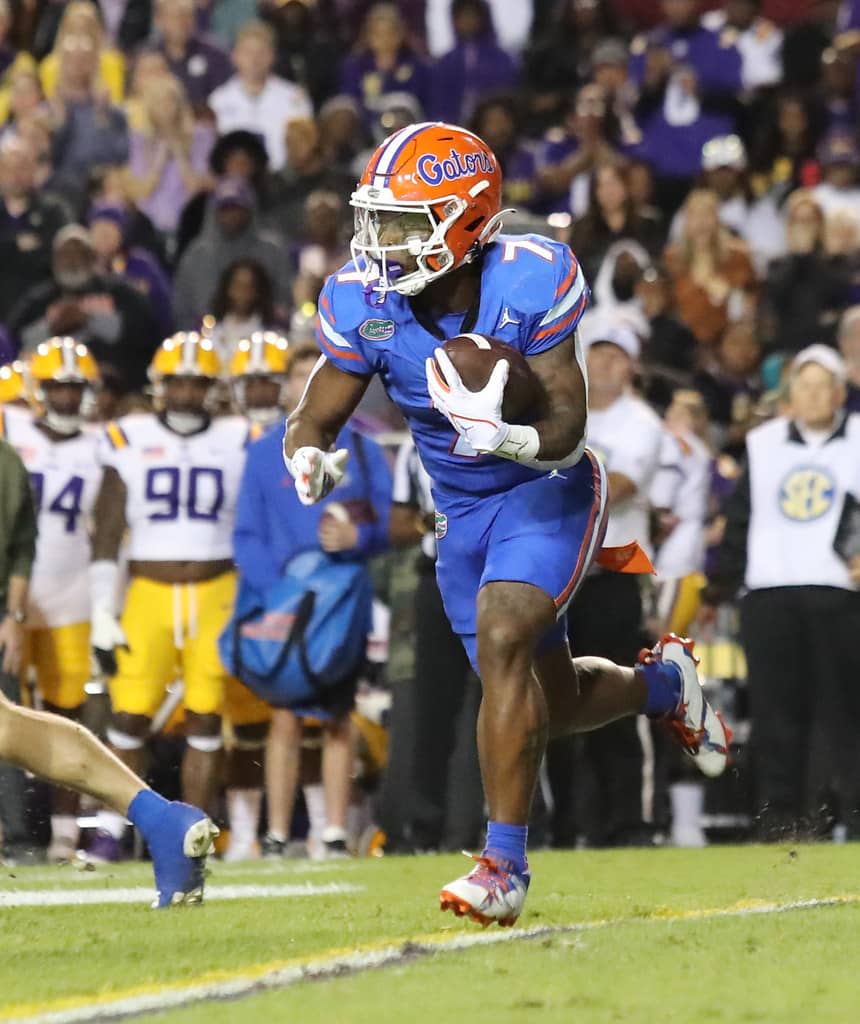
Florida Gators Jump 13 Spots to No. 8 in AP Poll After 52-28 Rout of No. 4 Ole Miss
2h ago
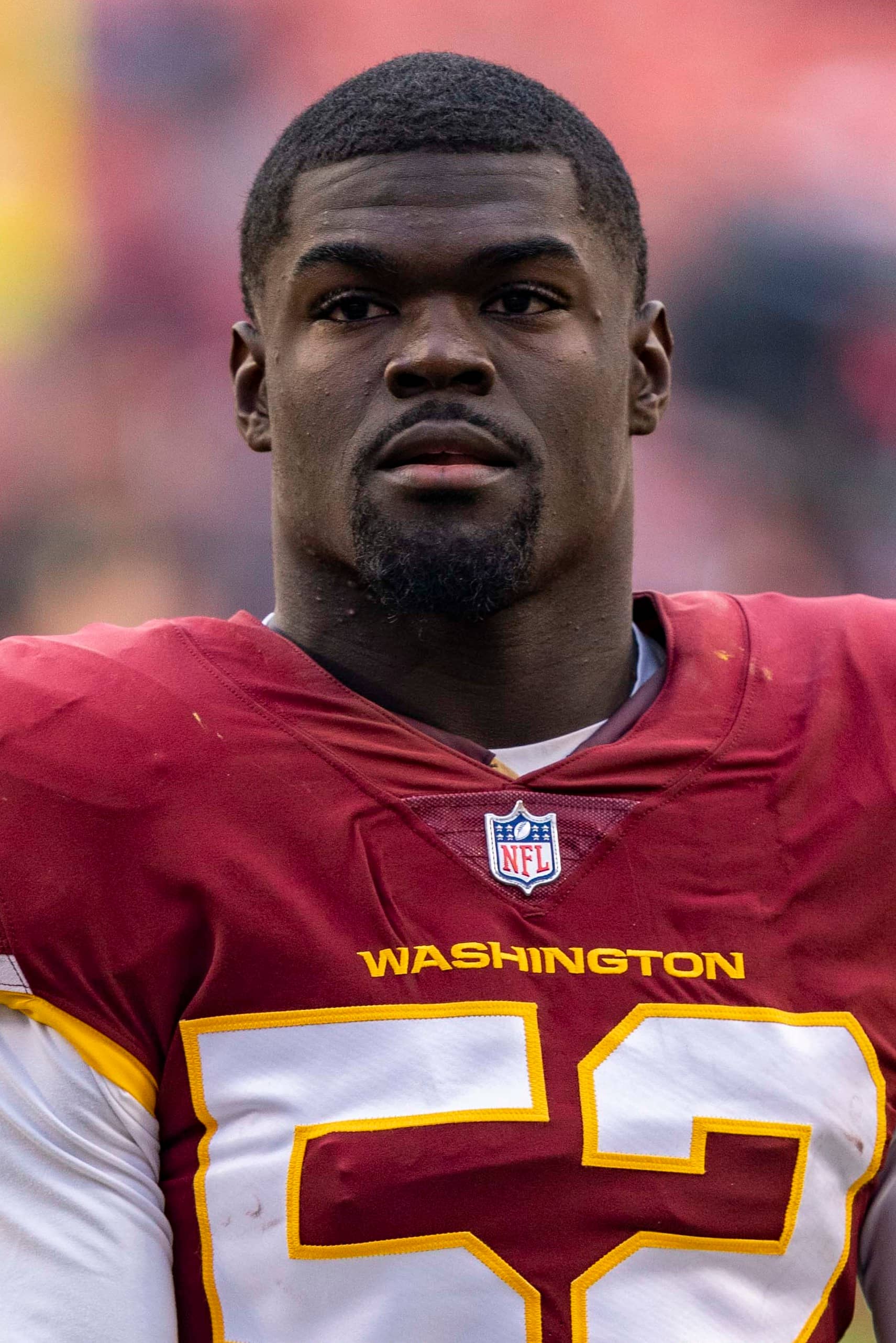
Baker Mayfield Out at Least Three Weeks as 0-3 Buccaneers Turn to Undrafted Rookie Jalon Daniels
10h ago
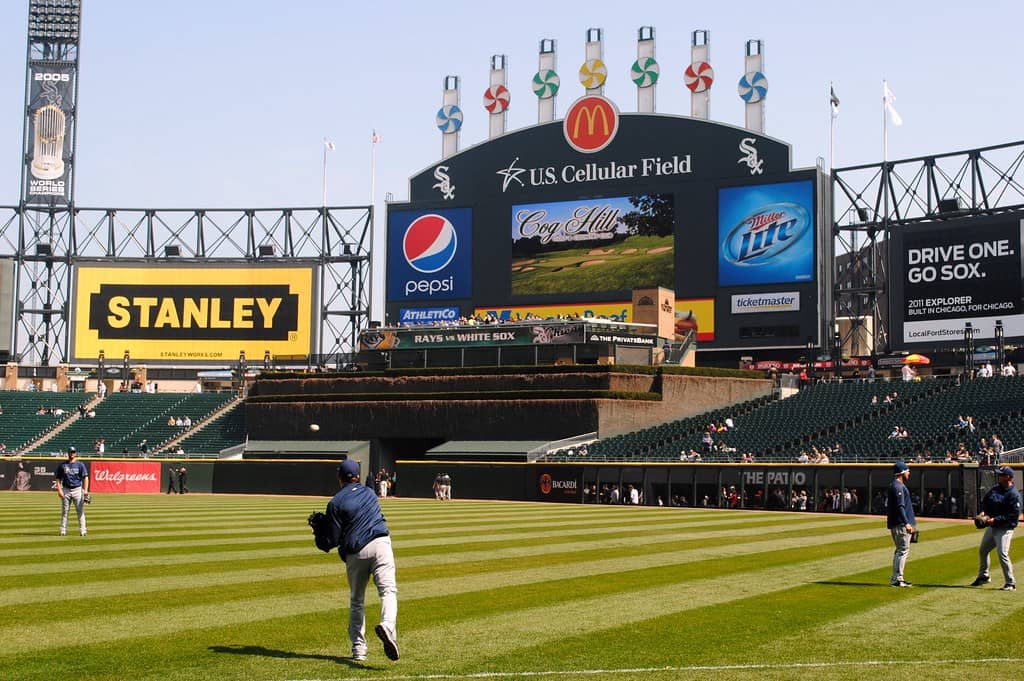
Rays Open the Postseason as the American League's Top Seed With a Bye and Home Field at Tropicana Field
22h ago
Jaguars Rout the Patriots 35-6 Behind Three Trevor Lawrence Touchdowns as Liam Coen Hits a Milestone
1d ago