Caribbean Policy Shifts Land Hard in Florida's Exile Communities
No state feels United States policy toward Cuba and Venezuela the way Florida does. South Florida is home to the largest Cuban American community in the country and one of the largest Venezuelan communities, and Washington's posture toward both governments arrives here not as foreign policy but as family news.
The current moment has produced reactions that run in opposite directions, sometimes within the same household. The removal of Nicolas Maduro from power in Venezuela drew celebration from exile communities across Doral, Weston, and Miami, and South Florida lawmakers held a joint press conference urging the administration to turn its attention to Havana next. Representative Maria Elvira Salazar wrote that with Maduro gone, the Cuban regime was next to feel the pressure.
At the same time, the humanitarian picture in Cuba has deteriorated. Venezuelan oil exports to Cuba were cut off, leaving the island without adequate supply, and a fuel blockade and embargo have compounded shortages. And tens of thousands of Venezuelans living in Florida face their own precarity after the revocation of Temporary Protected Status, with more than 15,000 deportations reported.
Why Florida is the center of this
The Cuban American community in South Florida was formed by successive waves of migration beginning after 1959, and its political influence has been disproportionate to its size for decades. Cuban Americans have been organized, concentrated in a swing state, and reliably engaged in elections, which gave the community leverage over United States Cuba policy that few diaspora populations anywhere have achieved.
The Venezuelan community is newer, built primarily over the past two decades as conditions in Venezuela deteriorated, and it concentrated heavily in Doral, which acquired the informal name Doralzuela, along with Weston and surrounding western Broward. It has grown politically engaged quickly, drawing on the organizing model the Cuban community built.
Nicaraguan, Haitian, and Colombian communities add further layers. South Florida's political geography maps closely onto Latin American and Caribbean politics in a way no other American metropolitan area does, and candidates for local office here campaign on foreign policy positions that would be irrelevant almost anywhere else.
The generational and status divides
Treating these communities as monolithic is the most common analytical error in coverage of South Florida politics. The divides within them are substantial and they run along two main axes.
The first is generational. Cuban Americans who arrived in the first waves after 1959 tend to hold different views on engagement with Havana than those who arrived in the 1990s and 2000s, and both differ from American-born descendants. Polling in Miami-Dade has consistently shown younger Cuban Americans more open to engagement, though the gap narrows or widens with events.
The second is immigration status, and it cuts hardest in the Venezuelan community right now. Venezuelans who arrived with resources and secured permanent status occupy a completely different position than those who arrived more recently under humanitarian parole or Temporary Protected Status. Reporting has described Venezuelans in Florida holding genuinely mixed feelings, welcoming political change at home while facing deportation from the country they fled to.
What it means for Floridians
For families with relatives still on the island or in Venezuela, remittances and travel are the practical channels through which policy operates. Restrictions on remittance flows, on charter and commercial flights, and on family visits translate directly into whether an elderly parent in Havana can afford medicine.
For the South Florida economy, the connections are more extensive than most residents outside the region realize. Miami functions as the commercial and financial hub for much of Latin America and the Caribbean, with banking, trade, logistics, legal services, and media operations built around that role. Instability in the region moves capital and people toward Miami, which has been a sustained driver of South Florida real estate demand.
For immigration enforcement in Florida, the status questions intersect with the state's own enforcement program, which has run through the Division of Emergency Management and has accumulated substantial costs the state is still seeking federal reimbursement for. Venezuelans who lost Temporary Protected Status are among the populations affected.
The Cuban humanitarian question
The situation on the island has grown materially worse. The loss of Venezuelan oil supply removed the subsidy arrangement that had sustained Cuba's energy sector for two decades, and the resulting shortages have compounded with existing economic dysfunction.
That produces a division within the exile community that is genuine and difficult. Some argue maximum pressure is the fastest route to political change and that easing it would prolong the government's survival. Others argue that pressure falls hardest on ordinary Cubans who have no political agency, and that suffering does not reliably produce regime change.
Both positions are held sincerely by people with family on the island. The argument is not between those who care and those who do not; it is between competing theories of how change happens, argued by people with everything at stake.
The migration consequence
The historical pattern is consistent and Florida officials plan against it: economic collapse in Cuba or Haiti produces maritime migration attempts toward Florida. The Coast Guard's Seventh District, headquartered in Miami, operates interdiction and search and rescue across the Florida Straits and the Windward Passage.
Those crossings are extraordinarily dangerous. The Straits are roughly 90 miles at the narrowest point with strong currents, and the vessels involved are frequently unseaworthy. Loss of life is common and undercounted.
Florida's state response, including maritime enforcement assets and coordination with federal agencies, has been part of the enforcement spending the state has been seeking reimbursement for. A sustained migration event would add to costs the state is already carrying.
How these communities reshaped South Florida
The demographic transformation of Miami-Dade County over six decades is among the most complete of any major American metropolitan area, and it happened through successive waves of arrival from across Latin America and the Caribbean.
Cuban arrivals beginning after 1959 came first and in the largest early numbers, establishing the institutions, businesses, and political organizations that later arrivals from other countries would find already in place. Nicaraguans arrived in the 1980s, Venezuelans and Colombians through the 2000s and 2010s, Haitians across decades in waves tied to political and environmental crises.
The result is a county where Spanish is spoken as commonly as English, where Creole is a significant language in specific communities, and where the local economy is oriented toward Latin America to a degree that no other American city matches. Miami's banking, trade, legal, and media sectors serve the region rather than just the city.
Remittances and the family economy
The financial connection between South Florida and the Caribbean runs through remittances, and the volumes are large enough to matter to the receiving economies. Money sent from Florida households supports extended families in Cuba, Haiti, Venezuela, Nicaragua, and across the region.
Policy restrictions on remittances are therefore not abstract. Caps on transfer amounts, restrictions on which entities can process them, and sanctions that complicate banking relationships all translate into whether a specific family can send money for medicine, food, or rent.
The policy argument for restrictions is that remittance flows can be captured by governments through official exchange rates and state-controlled processing, effectively subsidizing the entity the policy is meant to pressure. The counterargument is that restrictions reduce the money reaching households while governments find other revenue. Both positions have evidence behind them and both are argued vigorously in South Florida.
How this shapes Florida elections
Florida's political geography has shifted substantially over the past decade, and South Florida's diaspora communities are a central part of the explanation. Miami-Dade County, long a Democratic stronghold, has moved considerably toward Republicans in recent cycles, with the shift concentrated among Hispanic voters.
Foreign policy is part of that but not all of it. Analysts have pointed to economic messaging, religious conservatism, and the resonance of anti-socialist framing among voters whose families fled governments that described themselves in those terms. The relative weight of those factors is genuinely contested.
What is not contested is that South Florida's diaspora communities are now courted by both parties in a way that makes Latin American policy a domestic campaign issue in Florida. Candidates for offices with no foreign policy role take positions on Cuba and Venezuela because voters here expect them to.
Temporary Protected Status and the people it covered
Temporary Protected Status is a federal designation that allows nationals of a country experiencing armed conflict, disaster, or extraordinary conditions to remain and work in the United States legally for a designated period. It is not a path to permanent residency, and its temporary character is built into the statute even when designations run for many years.
Florida has been home to large populations covered by designations for Venezuela, Haiti, Nicaragua, and other countries, and those populations are concentrated in South Florida and Central Florida. Individuals covered by the status built lives around work authorization that depended on a designation subject to periodic review.
When a designation ends, the effect is immediate and practical: work authorization lapses, employment ends, and individuals become subject to removal unless they have another basis to remain. Reporting has described more than 15,000 deportations following the revocation of the Venezuelan designation.
The employment effect ripples through sectors that rely on this workforce, including construction, hospitality, health care support roles, and logistics. Florida employers in those industries have raised the labor supply question directly with state and federal officials.
What's next
The policy trajectory toward Havana is the open question, and South Florida's congressional delegation has been explicit about wanting increased pressure. Whether that translates into specific measures, and what those measures do to conditions on the island, will be the story of the coming months.
Immigration status determinations for Venezuelans, Haitians, Nicaraguans, and Cubans living in Florida remain in flux, and the practical advice for anyone affected is to consult a qualified immigration attorney rather than relying on community rumor, which moves faster than accurate information in every one of these communities.
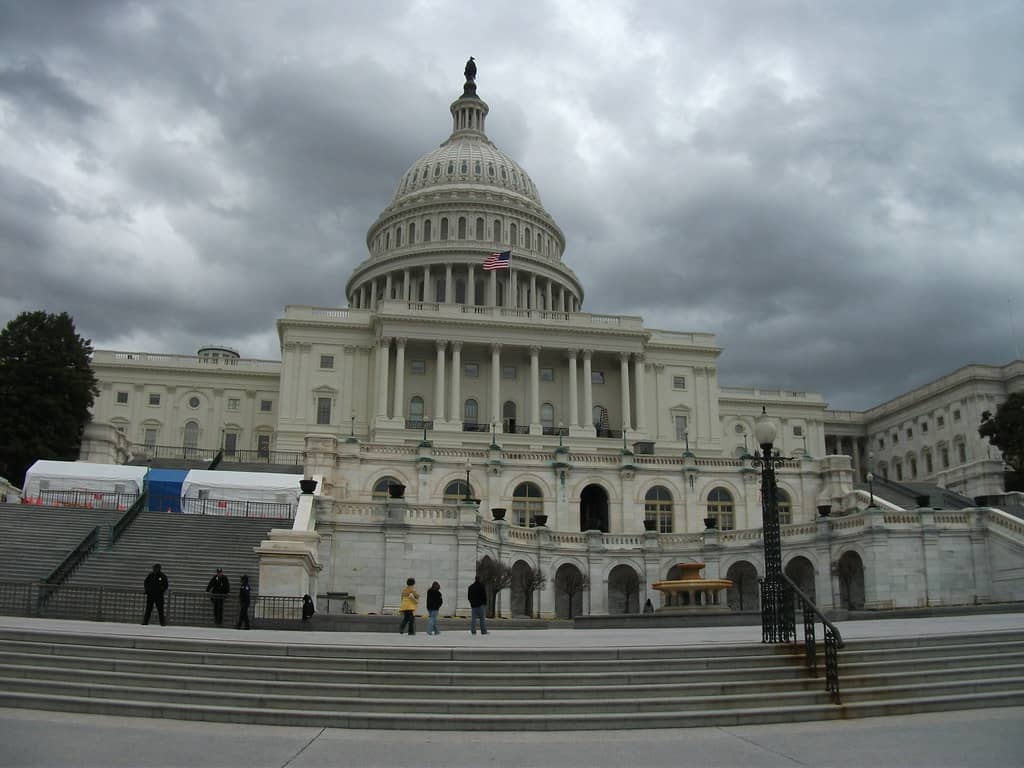
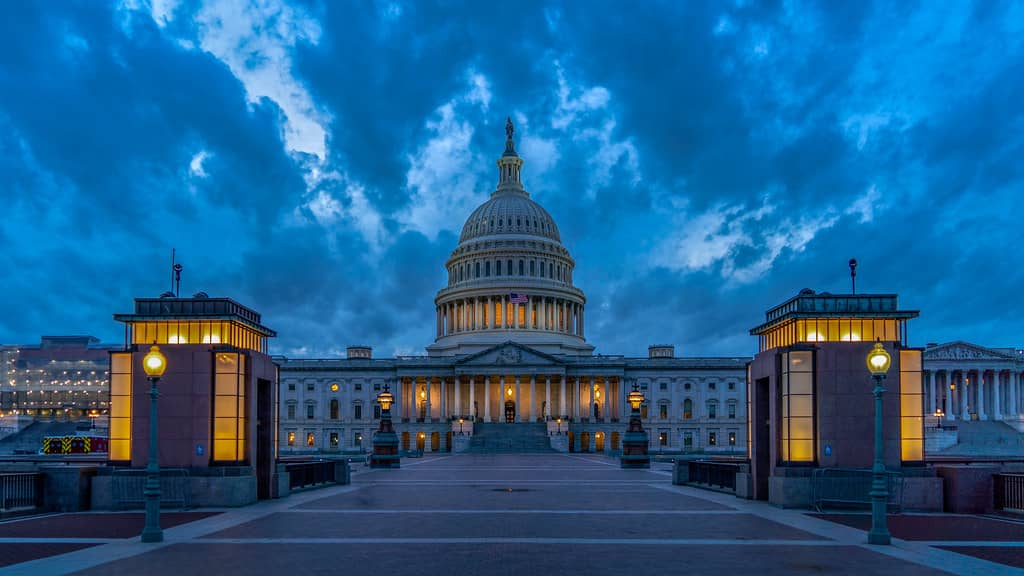
Florida's congressional delegation members publish statements and legislative activity through their official offices, and constituent services for immigration matters run through those offices as well.
Spotted an issue with this article?
Have something to say about this story?
Write a letter to the editor