Carnival Extends Florida Homeport Schedules as Cruise Demand Holds
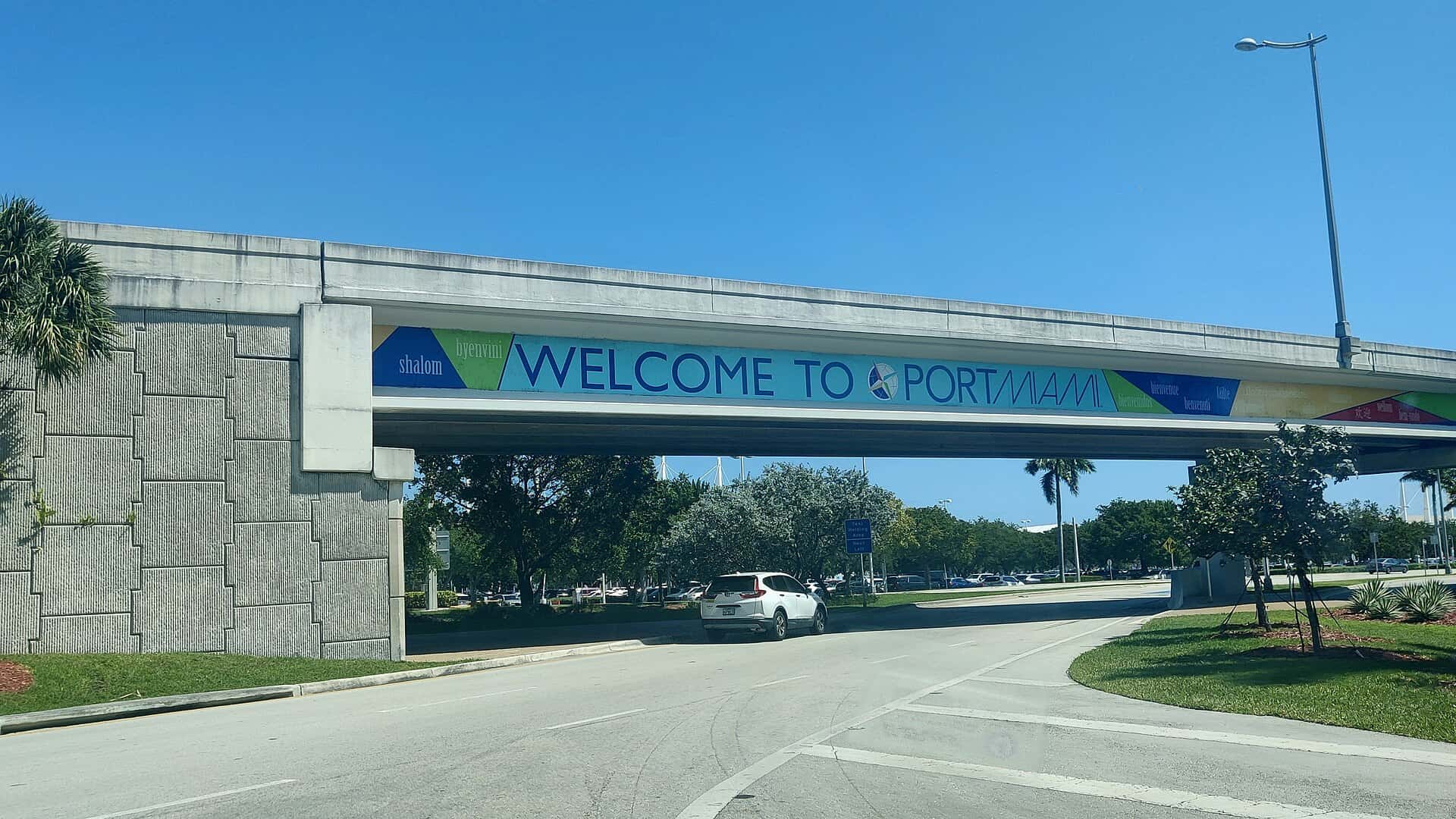
Carnival Cruise Line is extending its deployment schedules at Miami and Port Canaveral, keeping capacity committed to Florida's two largest cruise gateways through the 2026 and 2027 season. Carnival Horizon will homeport in Miami between summer 2026 and spring 2027, offering six-day and eight-day Caribbean itineraries, according to the line's announced deployment plans.
The extension lands at a moment when Florida's tourism sector is sending mixed signals. Orlando theme park operators have reported softening attendance since June, while cruise operators continue to commit capacity and Florida ports continue to invest in shore-side infrastructure.
Why deployment decisions matter to Florida
A homeport assignment is the single most consequential decision a cruise line makes for a port city. A vessel homeported in Miami generates turnaround operations there every voyage, which means passengers arriving and departing, provisioning contracts, fuel bunkering, crew logistics, terminal staffing and the hotel and ground transportation demand that surrounds embarkation day.
A vessel that merely calls at a port on an itinerary generates a fraction of that activity. The economics of a port call are measured in passenger shore spending during a day visit. The economics of a homeport are measured across the entire supply chain that services the ship.
Florida's ports compete directly for these assignments. PortMiami, Port Everglades, Port Canaveral, Port Tampa Bay and JAXPORT all court the major lines, and the currency of that competition is terminal quality, berth availability, ground access and parking.
The infrastructure race
Port Canaveral marked a construction milestone on August 19 with the topping off of a 13-story, 3,700-space parking garage adjacent to Cruise Terminal 6, a $93 million project scheduled to open in fall 2026. The port also celebrated the return of a Royal Caribbean vessel the same day.
That investment is a direct response to the constraint that binds hardest at a drive-market port. Port Canaveral draws heavily from Central Florida and the broader Southeast drive market, and a high share of its passengers arrive by private vehicle. Parking capacity determines how many turnarounds the port can handle.
PortMiami and Port Everglades face a different mix, with a larger share of fly-in passengers connecting through Miami International and Fort Lauderdale-Hollywood International airports. Their constraints run more toward terminal capacity and airport ground transportation than toward parking.
What the deployment signals about demand
Cruise lines set deployment schedules well in advance, and extending a homeport commitment reflects a view on forward booking demand rather than a reaction to current conditions. A line does not commit a vessel to a homeport for three seasons unless it expects to fill it.
That forward confidence contrasts with the caution theme park operators have expressed. Comcast executives said Orlando market attendance began softening in June and remained pressured into the third quarter, attributing the weakness to consumer sentiment and higher travel costs.
The divergence has a plausible explanation. Cruise vacations bundle lodging, meals and transportation into a single prepaid price, which makes the total cost visible and controllable at the point of booking. A theme park vacation requires separately purchasing airfare, hotel, tickets and food, with the total cost accumulating in ways that are harder to forecast and easier to be surprised by. In a period of consumer caution about travel spending, the bundled product can gain share against the unbundled one.
What it means for Floridians
Cruise operations are a substantial Florida employer. The industry supports port workers, terminal operations staff, provisioning and logistics employment, marine trades, and the hospitality and transportation businesses clustered around each port.
For Florida residents who cruise, the practical implication of extended homeport deployments is itinerary availability from a port within driving distance, which eliminates airfare from the trip cost entirely. That is a meaningful advantage for Florida households relative to the national market.
For coastal communities near the ports, the tradeoffs are the ones that come with any high-volume transportation facility: traffic on turnaround days, air quality considerations around vessels at berth, and the land use pressures of terminal expansion.
Local impact across the state
Miami-Dade's cruise economy is concentrated at PortMiami, which sits adjacent to downtown Miami and connects to the mainland by the Port Boulevard bridge and the port tunnel. Turnaround days generate significant traffic through that corridor.
Broward County's Port Everglades benefits from unusual proximity to an international airport, with Fort Lauderdale-Hollywood International within a few miles of the terminals, which shortens the transfer for fly-in passengers.
Brevard County's Port Canaveral pairs cruise operations with an aerospace economy anchored by Kennedy Space Center and Cape Canaveral Space Force Station, giving the county a diversified base that few Florida coastal counties match.
Tampa Bay's cruise operations are constrained by the air draft limitation at the Sunshine Skyway Bridge, which restricts the size of vessels able to reach Port Tampa Bay and shapes what deployments the port can pursue.
The policy backdrop
The cruise industry's regulatory environment runs largely through federal agencies. Vessel emissions standards, public health protocols, passenger vessel safety requirements and customs and immigration processing all operate under federal authority, with Florida's congressional delegation historically engaged given the concentration of industry activity in the state.
Fuel costs are a persistent variable. Industry observers have noted fuel price sensitivity as a factor in cruise line margins, and bunker costs feed through to itinerary planning and pricing.
Hurricane season introduces annual operational disruption. Lines routinely reroute itineraries away from storm tracks, and Florida homeports themselves close during storm approaches, with vessels sailing away from the threat rather than remaining at berth.
How a homeport decision gets made
Cruise lines evaluate homeport options against a defined set of criteria, and Florida ports compete on each of them.
Source market proximity is the first. A homeport works when enough passengers can reach it affordably, either by driving or through inexpensive air connections. Port Canaveral draws the Southeast drive market and the Orlando air gateway. Miami and Fort Lauderdale draw national and international air traffic through two major airports.
Terminal capacity and quality is the second. Turnaround operations require space to process thousands of embarking and disembarking passengers simultaneously, along with baggage handling, customs processing and provisioning access.
Berth availability is the third. A homeported ship needs a guaranteed berth on its turnaround day every voyage, which requires the port to reserve capacity.
Ground access and parking form the fourth. This is where Port Canaveral's investment concentrates, since a drive-market port needs parking capacity proportional to its passenger volume.
Itinerary geography is the fifth. Sailing distance to Caribbean destinations affects fuel consumption and the number of sea days an itinerary requires, and Florida's position is the structural advantage that made the state the industry's center.
The Florida corporate footprint
The three largest cruise companies in the world are headquartered in South Florida. Carnival Corporation, Royal Caribbean Group and Norwegian Cruise Line Holdings all maintain their principal offices in the Miami area.
That concentration produces employment well beyond port operations: executive and corporate functions, revenue management, marketing, information technology, marine operations, human resources for global crew workforces, and the legal and financial functions required by publicly traded companies operating internationally.
It also concentrates policy attention. Regulatory questions affecting the industry, whether on emissions, labor, public health or taxation, have direct Florida employment consequences, and the state's congressional delegation engages accordingly.
The supply chain extends further. Provisioning contracts feed Florida food distributors. Shipyard and repair work, though much of it occurs outside the United States, generates domestic engineering and procurement activity. Marine services in Florida ports support vessels between voyages.
What passengers should watch
For Floridians considering a cruise from a state port, several practical points apply this season.
Hurricane season runs through November 30, and itinerary changes are routine during storm activity. Cruise contracts generally allow lines to alter itineraries without compensation, and passengers seeking protection against storm-related disruption should evaluate travel insurance carefully, since coverage terms vary considerably.
Booking timing affects price substantially. Cruise pricing uses revenue management systems that adjust continuously, and the relationship between booking lead time and price is not simple. Early booking secures cabin selection; late booking sometimes captures discounting on unsold inventory, at the cost of choice.
Port parking should be arranged in advance where possible. Port Canaveral's capacity expansion is intended to ease a constraint that has affected passengers during peak periods.
Documentation requirements depend on itinerary type, and passengers should confirm requirements with the line well before sailing rather than relying on general guidance.
What extended deployments mean for workers
Deployment stability matters to the workforce as much as to the ports. Terminal operations, longshore work, provisioning, ground transportation and the hospitality businesses around each port all staff to expected vessel schedules, and a homeport commitment measured in seasons rather than months allows employers to hire on permanent rather than seasonal terms.
That distinction changes the quality of the jobs. Seasonal staffing produces high turnover, limited benefits and unpredictable hours. Steady year-round schedules support the kind of employment that households can build around.
Provisioning contracts follow the same logic. A supplier that knows a vessel will call every week for three seasons can invest in capacity and staffing that a supplier serving an uncertain schedule cannot.
Port Canaveral's parking garage investment reflects the same reasoning applied to capital. A port does not commit $93 million to a facility without confidence that the vessels generating the demand will still be calling when it opens, and operator deployment commitments are what supply that confidence.
What's next
Carnival Horizon's Miami deployment runs from summer 2026 into spring 2027 under the announced schedule. Port Canaveral's new garage is scheduled to open in fall 2026, ahead of the winter peak season.
Third-quarter earnings from the major lines will show whether booking strength through the summer matched the forward confidence the deployment decisions imply.
Florida ports will continue to compete on infrastructure, and capital plans at PortMiami, Port Everglades and Port Canaveral will determine how the state's share of the North American cruise market is distributed over the coming decade.
Spotted an issue with this article?
Have something to say about this story?
Write us a letterComments
No comments yet. Be the first to weigh in.
Related Coverage
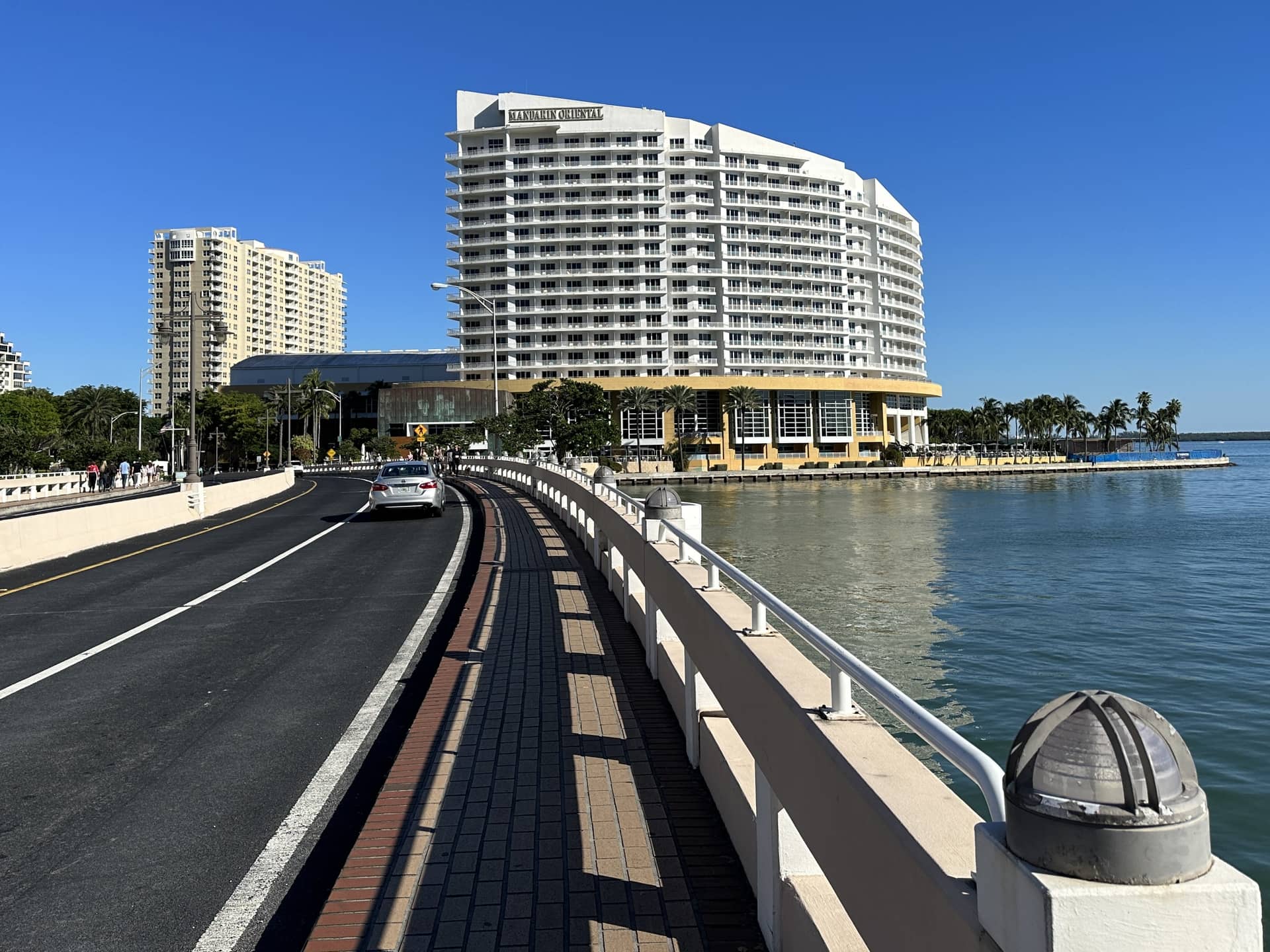
Swire Breaks Ground on Mandarin Oriental Towers on Brickell Key After Selling More Than $1.7 Billion in Condos
59m ago

Seminole Tribe Sues DraftKings and CEO Jason Robins in Broward, Calling Its Florida Prediction Markets an Illegal Sportsbook
1h ago
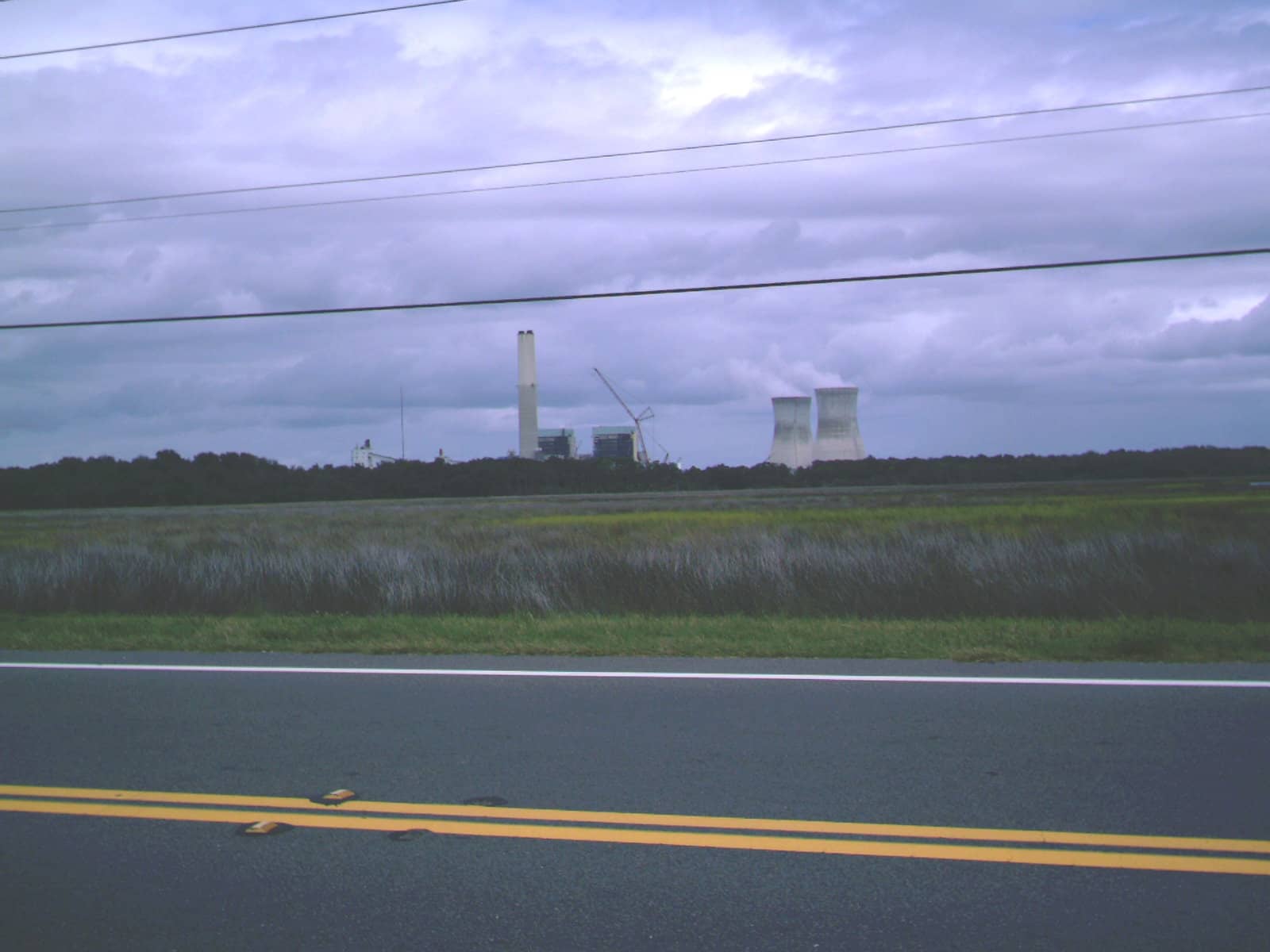
Jacksonville council members weigh relief for high JEA bills as utility says it isn't ready for a hyperscale data center
1d ago

Rays to open Westshore ballpark experience center in 2027 as Tampa stadium deal moves ahead
1d ago