CIA's Open Call for Cuban Informants, Amplified by Rubio and Doral-Based SOUTHCOM, Meets Shrugs on the Island
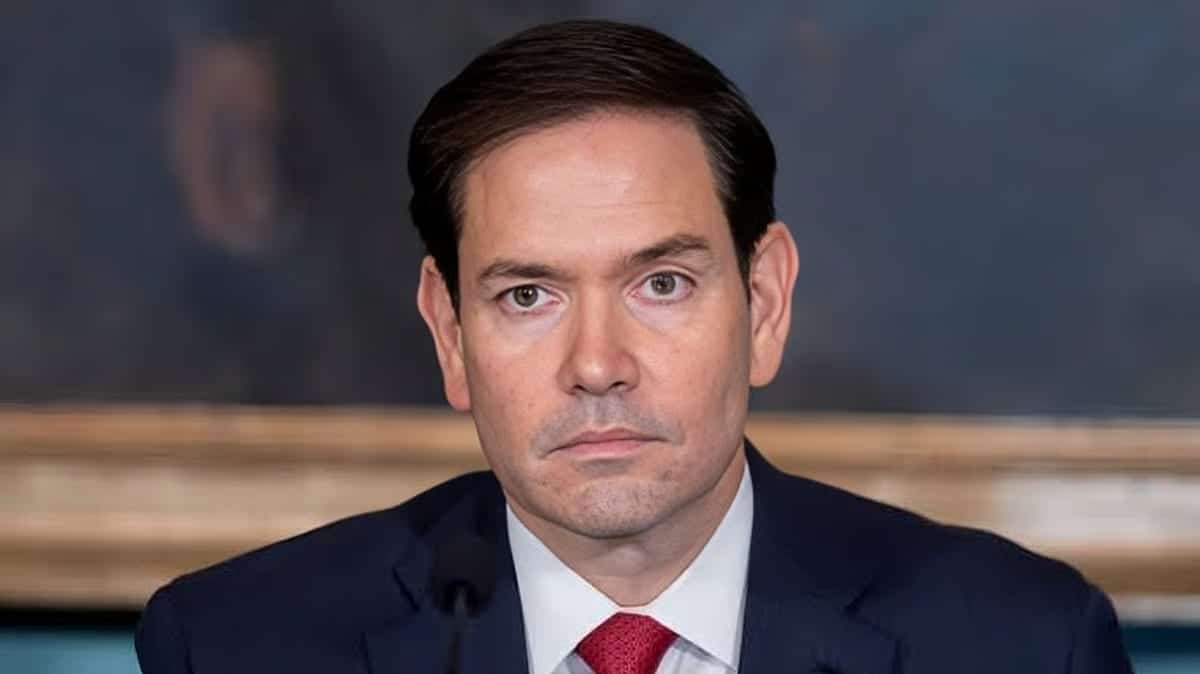
The CIA's unusually public, Spanish-language appeal for Cubans to secretly work with the agency, promoted by Secretary of State Marco Rubio and echoed by the Doral-based commander of U.S. Southern Command, is getting a cool reception on the island it targets. Cubans interviewed by The Associated Press in reporting published Oct. 31 said fuel shortages, unreliable transportation and the struggle to put food on the table matter far more to them than helping Washington bring about political change, and none of them had even heard of the recruitment drive.
The campaign is aimed at Havana, but much of its cast is from South Florida. Rubio, the Cuban American son of immigrants, is from Miami. Southern Command, whose commander amplified the appeal, is headquartered in Doral. And the Miami area's Cuban exile community has followed every turn in the administration's escalating pressure on the island's communist government.
How the appeal unfolded
It began on the evening of Friday, Oct. 23, when Rubio posted a message on X addressed to Cubans who want change. CBS News reported the text:
"To those who seek to create positive change in Cuba - now is the time," Rubio wrote. "The disappointment of failed promises, corruption, and the privileged lives of only a few; seize this opportunity to create the change you desire through a discrete partnership with the CIA."
The post used "discrete" where "discreet" was evidently meant, a slip several outlets noted. Shortly afterward, the CIA reposted Rubio's message along with a similar call in Spanish and a video showing the steps for contacting the agency, CBS News reported. According to reports by CiberCuba and other outlets that cover the island, the video ran about two minutes and was accompanied by an Instagram guide advising would-be sources to protect themselves with tools such as a non-Cuban VPN, private browsing and a separate email account.
The following day, Oct. 24, Gen. Francis L. Donovan, the commander of U.S. Southern Command, reposted the appeal and urged Cubans to act on their country's future, according to reports on his post. Southern Command oversees U.S. military activity in Latin America and the Caribbean, including the naval base at Guantánamo Bay, from its headquarters in Doral in Miami-Dade County.
A rally, a threat and a post
Rubio's message came moments after President Donald Trump, speaking at a rally for candidates in South Florida, revived the idea of U.S. intervention in Cuba in response to a shouted question from the crowd, the AP reported.
"We'll do a little stopover," Trump said. "Actually, what we're going to do with Cuba is, we're going to come back from Iran. Those beautiful ships will pass Cuba. We'll have one of them stop about 50 yards off the coast. They'll raise up their hands. And then we're going to send (Secretary of State) Marco Rubio in to finish up the deal."
The Florida Press covered those remarks on Oct. 24. The CIA appeal is a related but separate thread: an open invitation for individual Cubans to supply information, rather than talk of military action.
Havana's response
Cuba's government answered quickly. Foreign Minister Bruno Rodríguez Parrilla wrote on X that Friday: "We reject any threats stemming from U.S. ambitions toward Cuba." He added: "Our shores are lined with beautiful beaches, but they are also rugged and inhospitable to those who arrive with hostile intentions and a desire for domination," CBS News reported.
Deputy Foreign Minister Carlos Fernández de Cossío mocked the CIA appeal directly. According to multiple outlets that reported his posts, he wrote that there must be desperation or poverty inside the agency if it has to market its offers like toothpaste, and in a later post said the CIA should tell potential recruits and their families about the agency's record.
On the island: other priorities
The AP's interviews in Cuba suggest the appeal has not landed with ordinary people. Many said they were disillusioned with both governments.
"They take measures against the government, but the people are the ones who suffer. In reality, we are the ones suffering, not the government," said Elizabeth Bautes.
Eriberto Valdés pointed to the agency's history. "But will the same ones who came here to put bombs in Cuba help me?" he asked.
Daisy Torres said her priority is simply getting back to everyday life without so many difficulties. "I wish things could go back to how they were three or four years ago, when you could wake up with peace of mind, have transportation to get to work and go out to buy groceries without any problems," she said.
Juan Vélez was blunter. "Marco Rubio doesn't help me one damn bit. Not Marco Rubio, not the Cuban state, not anyone," he said. José Dopaso argued for negotiation and mutual respect instead. "You stick to yours, and I'll stick to mine. We negotiated, and nothing went wrong. That's beneficial for everyone. I think it's the best approach," he said.
The AP reported that the Communist Party remains unpopular, but that there have been no major demonstrations against it this year.
The history Cubans remember
The skepticism has deep roots. The CIA's campaign against Cuba began shortly after the 1959 revolution, the AP noted. The agency tried to assassinate Fidel Castro at least eight times, and in 1961 it armed and trained more than 1,000 Cuban exiles for the Bay of Pigs invasion. Many of those exiles were recruited in Miami, where veterans of the invasion force, Brigade 2506, are still honored, so the agency's latest outreach echoes a chapter older members of the diaspora know well.
The pressure campaign around it
The appeal is one piece of a broader push. The AP reported that in 2026 the Trump administration has turned up the pressure on Cuba, including by preventing fuel from entering the country. In May, Trump and Rubio raised the possibility of U.S. military intervention after the administration announced criminal charges against former Cuban leader Raúl Castro. CBS News reported that the government announced additional sanctions on Cuba's state-run bank in mid-October, citing ties to Iran.
Cuba has struggled with an economic and energy crisis since 2020. Its roughly 10 million residents have endured blackouts, food shortages and inflation, and hundreds of thousands have migrated, many of them to the United States and to South Florida in particular.
Rubio, in a Sept. 29 interview with Fox News host Sean Hannity, described the island this way: "The truth is Cuba has already fallen. It doesn't have a functional economy and it's governed by people who continue to preach about some revolution that has been dead for 20 years that's never worked."
The view from Miami
The appeal lands in South Florida as the region's Cuban American voters weigh the administration's Cuba policy ahead of Tuesday's midterm elections. The Florida Press reported on Oct. 18 that some of Miami's Cuban exiles have soured on Trump and Rubio. Five days later, Rubio made the administration's most public gesture yet: an open invitation to Cubans on the island to work with American intelligence.
What's next
The CIA has not said publicly whether its appeal has drawn any response, and agencies rarely discuss sources. Southern Command's commander has said previously there are no U.S. military plans to invade Cuba, according to earlier reports. For now, the clearest result is the one the AP found in Havana: on an island consumed by shortages, a highly public intelligence pitch has gone largely unnoticed by the people it was meant to reach.
Spotted an issue with this article?
Have something to say about this story?
Write us a letterComments
No comments yet. Be the first to weigh in.
Related Coverage

Surface-to-Air Missile Systems Deployed at Trump International Airport and Beside Mar-a-Lago at Secret Service Request
18h ago
NASA's Swift Observatory, Launched From Cape Canaveral in 2004, Nears Reentry After Failed Robotic Rescue
20h ago
Jacksonville Sheriff's Office Picked as One of Four Agencies Nationwide for DOJ's Nearly $300 Million Model Cities Initiative
22h ago
GM agrees to pay $220 million to settle claims it sold drivers' data to insurers, including in Florida
22h ago