Cubans facing deportation are being sent to Mexico and other third countries as Supreme Court prepares to weigh the practice
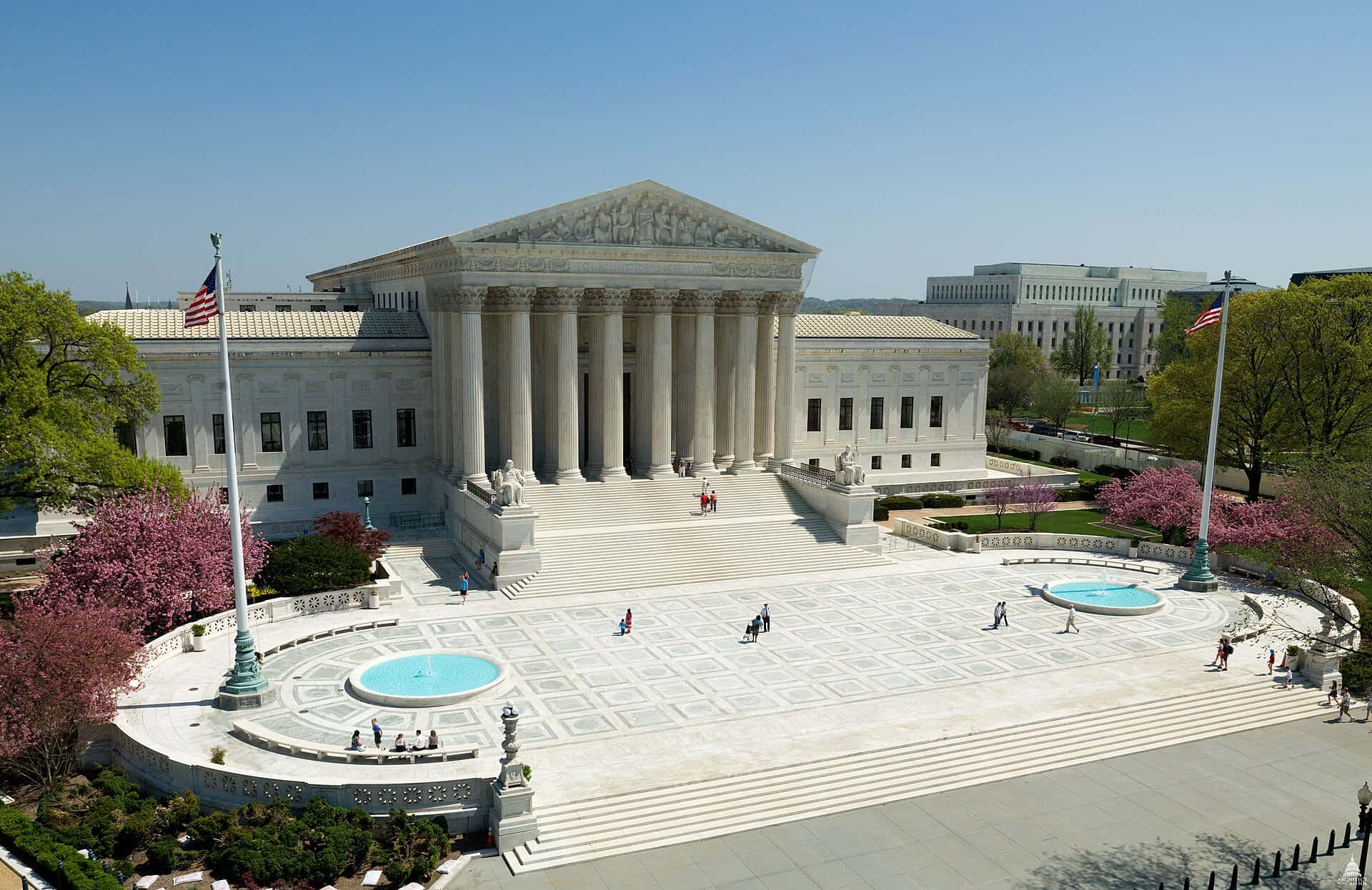
Cubans facing deportation from the United States, many of them longtime South Florida residents, are being sent to third countries, mostly Mexico, while the legality of the practice heads to the U.S. Supreme Court for arguments in December. Human Rights Watch estimates that 4,353 Cubans were deported to Mexico between January 2025 and March 2026, making Cubans the largest nationality among third-country deportees sent there.
Because most Cubans in the U.S. live in Florida, and Miami-Dade County has the largest concentration of Cubans outside the island, the policy falls hardest on families here. Many of those being removed are people who lost their legal status after criminal convictions but had lived for years under ICE orders of supervision, reporting regularly to immigration officers while Cuba declined to take them back.
A deportation at 3 a.m.
An investigation by The Florida Trib, republished by WLRN on Monday, traced the experience of Dolores Freixa, who arrived in the U.S. at age 11 during the 1980 Mariel boatlift. She was arrested in 2015 on charges including burglary, theft and fraud-related offenses and was transferred to immigration detention earlier this year after serving her sentence.
In June, at the Eloy Detention Center in Arizona, Freixa said she was woken at 3 a.m. and put on a bus with about 40 men and one other woman. She was the only Cuban, and no one told her where the bus was going. The men said they had signed up voluntarily to return to Mexico. Freixa said she never agreed to be sent to another country.
At the border, she told an officer the removal was illegal. He showed her a self-deportation document and asked whether the signature was hers. She said it was not, refused to sign and was taken back to Eloy. The Trib found that ICE attempted border drop-offs without notice even while a federal court order blocking such removals was in effect.
The Department of Homeland Security rejected the accounts. "It is categorically false we would pressure someone to self-deport," the department said, adding that people who refuse to return home are sent to a safe third country, and that those who choose to go home receive a free flight and a $3,000 payment. DHS said it could not verify the reports because the Trib declined to identify the migrants involved.
Why Cubans end up in Mexico
Cuba often refuses to accept deportees, which has long left Cubans with final removal orders in limbo in the U.S. The current administration has turned to third countries instead. The U.S. arrangement with Mexico has not been made public by either government, according to Human Rights Watch.
Human Rights Watch's 66-page report, released May 27 and based on ICE data obtained through a public records request, found that Mexico had received 12,977 third-country nationals of all nationalities. The group interviewed 41 Cubans; 35 said they had lost their green cards because of a criminal conviction, most for minor offenses. Many were older, had serious health conditions and had lived in the U.S. for years or decades.
Once in Mexico, deportees receive 10 days of permission to stay, after which they must begin their own asylum process, according to Human Rights Watch. The group said they have no clear access to shelter, food or health care and are vulnerable to smuggling, extortion and trafficking.
Mexico is not the only destination. The Third Country Deportation Watch, a project of Refugees International and Human Rights First, counts more than 25,000 people sent to 29 countries. The Miami Herald reported in August that some Cuban residents of South Florida had been deported as far as Africa.
The court fight
The legal challenge, a class action known as D.V.D. v. Department of Homeland Security, has moved back and forth between courts since 2025. The key steps are below.
| Date | Court | What happened |
|---|---|---|
| April 2025 | U.S. District Court, Massachusetts | Judge Brian Murphy orders notice and a chance to raise fear before third-country removals |
| June 2025 | U.S. Supreme Court | Emergency stay lets removals resume during litigation |
| Feb. 25, 2026 | U.S. District Court, Massachusetts | Murphy rules the DHS policy unlawful and sets it aside |
| Sept. 18, 2026 | 1st U.S. Circuit Court of Appeals | Largely upholds Murphy's ruling |
| Sept. 29, 2026 | U.S. Supreme Court | Stays the February judgment and agrees to hear the case |
| December 2026 | U.S. Supreme Court | Oral argument scheduled |
In his February ruling, Murphy held that people facing removal to a third country are entitled to meaningful notice and a meaningful opportunity to raise claims about that specific country, and that the government must first try to deport people to their home countries. "It is not fine, nor is it legal," he said of sending people to places where the government does not know whether they would face violence, CBS News reported. The White House called it an unlawful ruling that "will not stand."
The Supreme Court's September order means removals can continue while the justices consider the merits. Legal trackers report argument is set for Dec. 9. The court asked the parties to address whether the district court had jurisdiction, whether it could grant classwide relief, and whether the government's third-country guidance violates federal immigration law, due process or the Convention Against Torture.
The Trib noted that once the Supreme Court allowed third-country deportations to resume, the protections that let Freixa object at the border no longer applied.
What attorneys are seeing
Immigration attorney Liudmila Marcelo told the Trib she has seen a pattern of people being put on buses without explanation, driven to the Mexican border and forced off. One of her clients refused to get off the bus.
Attorney Andrea Jacoski said the government is using agreements with countries that accept deportees for payment, and that Cubans with old removal orders are easy targets because they have complied with ICE check-ins for years. She argued that the law allows removal only to a safe third country.
The numbers behind the debate
The third-country removals are part of a broader increase in Cuban deportations that has become a political issue in Florida. PolitiFact rated "mostly true" a claim by state Rep. Angie Nixon, a Jacksonville Democrat, that President Donald Trump has deported more than 13,000 Cubans across his two terms. Government data show about 3,400 Cubans deported in Trump's first term, and Human Rights Watch estimated about 8,500 in the second term as of Aug. 5, for a total near 11,900, PolitiFact found. DHS and ICE do not publish the figures.
What's next
The Supreme Court's decision, expected after the December argument and likely by the end of the term next summer, will determine whether the government must give notice and a hearing before sending someone to a country that is not their own. Until then, removals continue. For Cuban families in Miami-Dade and Hialeah with relatives on orders of supervision, that means each ICE check-in carries the possibility of a bus ride to Mexico or a flight farther away.
Spotted an issue with this article?
Have something to say about this story?
Write us a letterComments
No comments yet. Be the first to weigh in.
Related Coverage

Trump and Melania Trump vote early in West Palm Beach as GOP sets Oct. 30 Daytona Beach rally
19h ago

Miami magistrate orders Trump to sit for BBC deposition by Dec. 11 or risk losing his $10 billion lawsuit
21h ago

Advocates Say ICE Plans to Deport Gravely Ill Krome and Broward Detainees to Africa; DHS Denies It
1d ago

ACA Open Enrollment for 2027 Opens Nov. 1: What Florida, the Nation's Largest Marketplace, Faces
1d ago