Cuba's Hospitals Ration Medicine and Formula as U.S. Sanctions Tighten, and Miami Families Feel the Squeeze
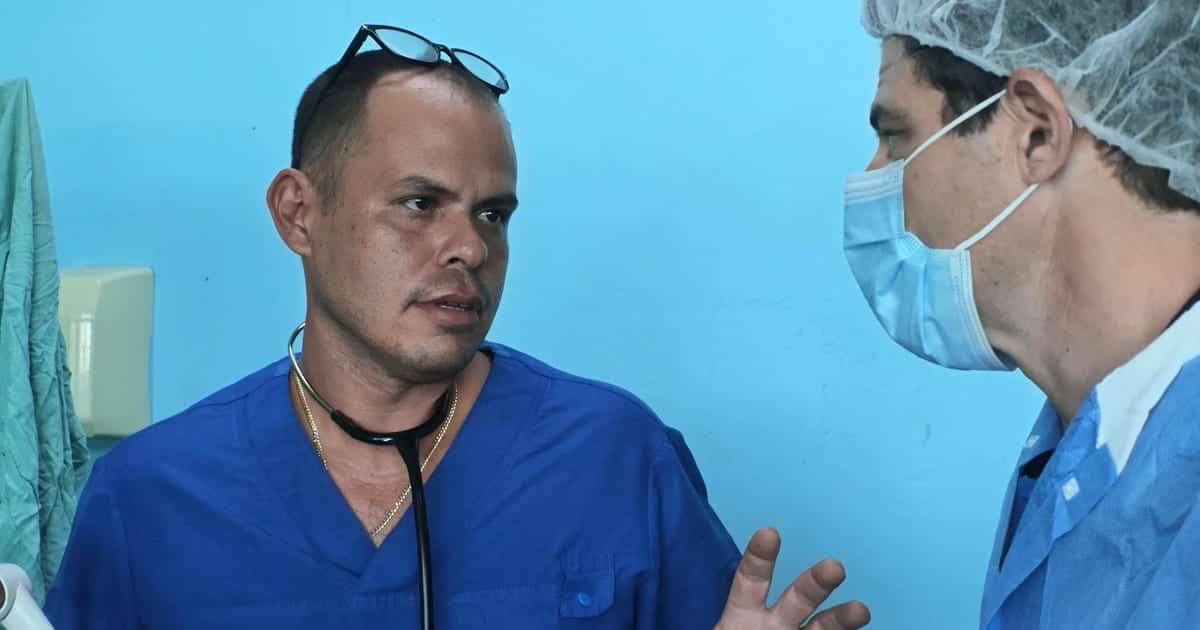
Doctors in Havana are finishing surgeries by cellphone light, improvising infant formula from a starchy root and chicken, and telling patients they have no drugs to offer, according to a CBS News 60 Minutes report published Nov. 1. The report lands as the Trump administration's sanctions on Cuba reach their broadest point in years, and as Secretary of State Marco Rubio, the Miami son of Cuban immigrants, leads a policy that his department blames squarely on the government in Havana. For the hundreds of thousands of Floridians with family on the island, the result is an increasingly isolated Cuba that is harder to reach with money, fuel and medicine.
What 60 Minutes found inside Cuba's hospitals
CBS correspondent Matt Gutman's team reported from William Soler Pediatric Hospital in Havana, where the head of the intensive care unit, Dr. Alejandro Chong, described feeding malnourished infants with formula made from malanga and chicken because commercial formula is scarce. One 2-month-old boy weighed less than 5 pounds when he was admitted, the network reported, and Chong later told CBS the baby died after being readmitted to the ICU.
According to the report, generators take a few seconds to start during the island's frequent blackouts, and when they fail, surgeons have finished operations using phone flashlights while staff squeeze ventilator bags by hand. Cancer drugs, anesthetics and laboratory equipment are in critically short supply. One toddler waited 68 days for a component for an artificial lung machine that would normally arrive in two days.
Dr. Lórien Rodríguez, a second-year pediatric surgery resident who also works as a radio announcer to make ends meet, told CBS: "There are fewer personnel, fewer resources, and it makes all the work we're doing much more difficult." Many doctors have left medicine or left Cuba entirely, the report said. A dancer with the National Ballet of Cuba who is eight months pregnant told the network she had asked friends in the United States to send surgical supplies in case she needs a cesarean section.
Outside the hospitals, staples are out of reach for most Cubans, according to the report, with eggs costing more than a month's state salary and medicine sold on the black market.
How the sanctions have tightened in 2026
The pressure has been built in stages through the year, according to records published by the Treasury Department's Office of Foreign Assets Control (OFAC):
- May 1: President Trump signed Executive Order 14404, which created a new Cuba sanctions program separate from the decades-old Cuban Assets Control Regulations and exposed foreign banks that deal with designated Cuban entities to secondary sanctions.
- May through September: The administration designated GAESA, the military-run conglomerate that controls much of Cuba's tourism and retail economy, followed by Cuba's intelligence directorate, the state oil company CUPET in June, and further rounds of officials and financial entities over the summer, according to OFAC actions and State Department releases.
- Sept. 29: OFAC published new Cuba Sanctions Regulations and amendments to the existing Cuba rules, effective Sept. 30, along with an alert titled "Expanded Sanctions Against Cuba" warning of increased risk for transactions involving the island. Law firm summaries of the rules say they bar U.S. persons from indirect financial dealings with entities on the State Department's Cuba Restricted List and end the so-called U-turn authorization for some fund transfers.
- Oct. 15: OFAC added Banco Internacional de Comercio, S.A., a Havana state-owned bank, to its sanctions list under the Cuba executive order.
The squeeze on fuel predates most of those actions. Since U.S. forces captured Venezuelan President Nicolás Maduro on Jan. 3, Cuba has lost its main oil supplier, CBS reported, and Cuban officials say only one tanker has reached the island since early January. U.S. companies have begun exporting fuel to Cuba's private sector, but the network described that fuel as prohibitively expensive for most buyers.
Washington says food and medicine are not the target
The administration's position is that the sanctions are aimed at the Communist Party's military and security apparatus, not ordinary Cubans. In an Aug. 6 guidance document, OFAC said the executive order is "not focused on disrupting the delivery of food, medicine, or medical devices to Cuba," and that it does not intend to target non-U.S. companies for those shipments. Long-standing law also allows U.S. sales of farm goods, medicine and medical devices to Cuba, though under financing limits.
The 60 Minutes report found that the message has not reached many suppliers. Foreign companies that fear U.S. penalties are declining to sell food and medical supplies to Cuba anyway, according to the report, a pattern sanctions lawyers often call over-compliance.
Rubio declined CBS's interview request. A State Department spokesman told the network: "The failing Cuban regime continues to blame the United States and everyone else for their own incompetence and corruption." Carlos Fernández de Cossío, Cuba's deputy foreign minister and chief negotiator with Washington, countered on camera: "What we see no reason is for the U.S. government to continue to punish the whole population of a country."
Rubio's aid offer and the Miami connection
Rubio has paired pressure with a conditional aid offer. In May, the State Department said it was prepared to provide $100 million in humanitarian assistance to Cuba, but only through the Catholic Church and other humanitarian or religious groups, not the Cuban government or military. Catholic Relief Services announced in July that it had received a $60 million State Department award to work with Caritas Cuba on food and hygiene supplies for nearly 200,000 households, and the first flight under that program departed from Miami on July 21.
South Florida volunteers have also carried supplies themselves. CBS Miami reported earlier this year on a group of Miami volunteers who delivered roughly 6,300 pounds of aid, including medical supplies, during the island's power crisis. That kind of private help has drawn scrutiny from some hard-line exiles, who argue that shipments can end up benefiting the government.
What it means for Florida families
Florida is home to the largest Cuban American community in the United States, centered in Miami-Dade County, and for many families the sanctions debate is personal. The most direct link is money. Family remittances from U.S. relatives remain authorized under Treasury rules, but the channels to send them have narrowed sharply. The financial company Orbit S.A., which handled Western Union transfers, was placed on the Cuba Restricted List in 2025, and the September rules extended the ban to indirect dealings with listed entities, according to legal analyses and Cuban exile media. Because so much of Cuba's banking and retail system runs through GAESA and other military-linked firms, Miami senders and the agencies that serve them face more compliance risk with each new designation.
The medical shortages described by CBS also explain a steady stream of requests reaching South Florida: relatives asking for antibiotics, baby formula, and in the ballerina's case, surgical supplies. Shipping companies in Hialeah and Miami that move those packages operate under the same tightening rules, and some local officials have promised closer oversight of businesses that work with Cuba.
The Florida Press has separately covered Cuba's case against Florida-based speedboat raiders and President Trump's talk of military options; those remain distinct developments.
Talks stalled, tensions rising
Negotiations between Washington and Havana stalled earlier this year, CBS reported. Last week, Cuban diplomats confronted U.S. Ambassador to the United Nations Mike Waltz, a former Florida congressman, after a speech, and one Cuban diplomat was expelled from the United States. At an event last month, Trump said, "we're gonna send Marco Rubio in to finish up the deal," according to the 60 Minutes report, without detailing what a deal would include.
Cuba, for its part, enacted its biggest economic reforms in more than six decades this year, according to CBS, opening more room for private businesses. Fernández de Cossío told the network that the United States "has no legitimacy" in the demands it is making of Havana.
What's next
OFAC has signaled that more designations under Executive Order 14404 are possible, and each one can ripple into the remittance companies, shippers and travel businesses that serve Miami's Cuban community. Families sending money or goods should confirm that their provider does not route payments through entities on the State Department's Cuba Restricted List, and watch OFAC's Cuba page for updated guidance. Whether the remaining portion of the $100 million aid offer reaches Cuban households, and whether Rubio's diplomats reopen talks with Havana, will determine how much relief reaches hospitals like William Soler in the months ahead.
Spotted an issue with this article?
Have something to say about this story?
Write us a letterComments
No comments yet. Be the first to weigh in.
Related Coverage
Two open Florida House seats: Joe Strada vs. James Pericola in CD 11, Austin Rogers vs. Amanda Marie Green in CD 2
18h ago
Mike Haridopolos faces Jennifer Jenkins in a redrawn Space Coast district that shifted toward Democrats
20h ago
Miami Federal Judge Permanently Tosses Trump's Epstein Letter Lawsuit Against the Wall Street Journal
21h ago
Judge Bars Justice Department From Threatening Election Officials Over Noncitizen Voting Days Before Florida Votes
21h ago