Dolphins Close Preseason Against the Giants With Roster Cuts Days Away
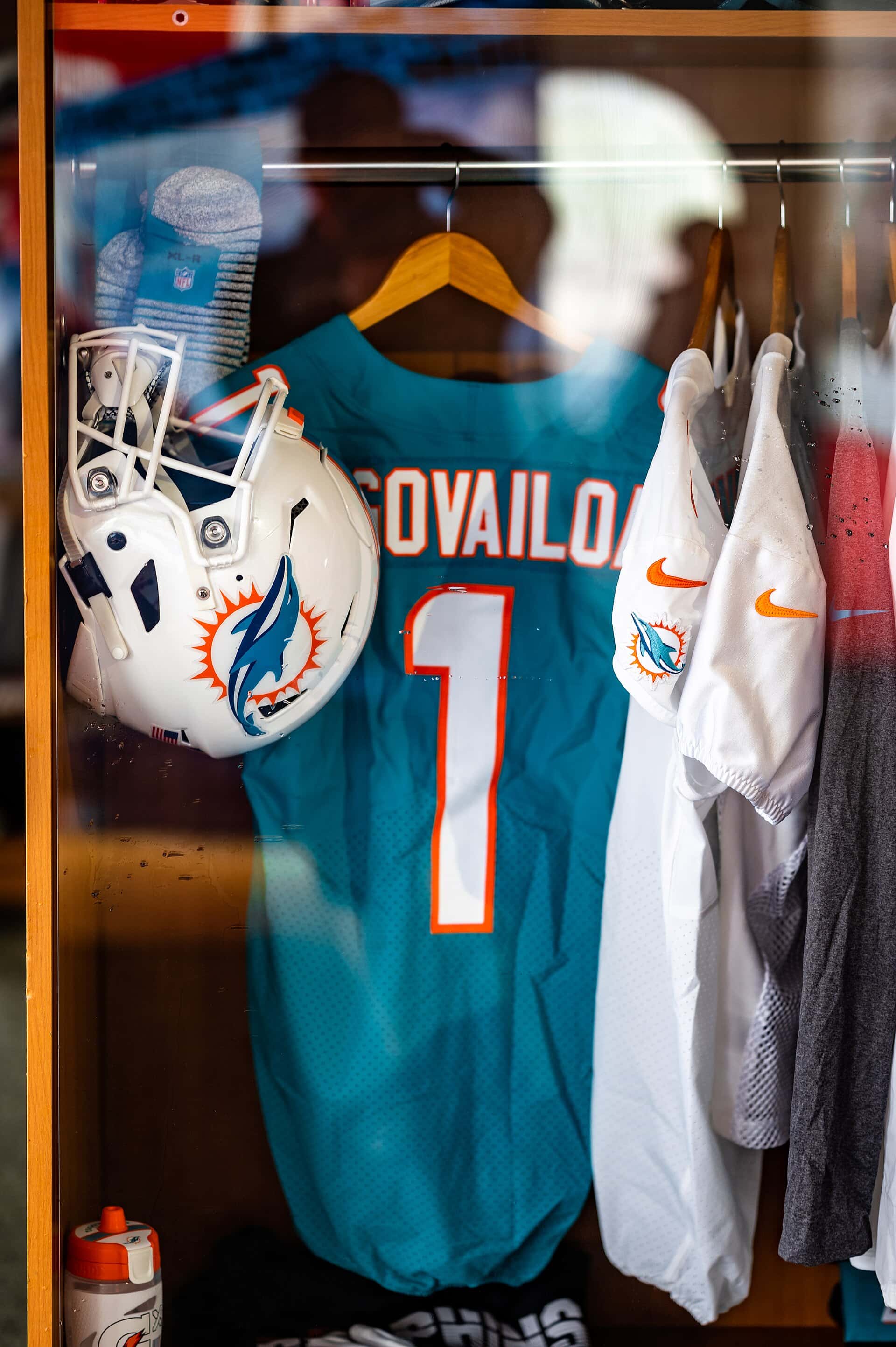
The Miami Dolphins host the New York Giants at Hard Rock Stadium on Saturday afternoon in the team's preseason finale, closing a training camp that has been defined by the most significant quarterback transition the franchise has undertaken in years. Kickoff is set for 4 p.m. Eastern, and the game carries national television distribution.
The stakes for the roster are immediate. Miami is roughly a week from finalizing its initial 53-man roster, and the preseason finale is traditionally the last extended audition for players on the bubble. The teams held joint practices in Miami ahead of the matchup, which gave coaching staffs evaluation reps against outside competition without the injury exposure of live game snaps.
The quarterback change
Miami enters the season with Malik Willis as its quarterback after signing him to a three-year, $67.5 million contract in free agency, a deal that includes $45 million fully guaranteed. The structure gives Willis a $22.5 million signing bonus with guarantees weighted into 2027 and a decision point in 2028.
The move ended the Tua Tagovailoa era in Miami. The Dolphins released Tagovailoa using the post-June 1 designation, spreading roughly $99 million in dead money across two years, a dead cap charge that stands as an NFL record. In 2026, Tagovailoa's cap charge remains substantially larger than Willis's, an inversion that reflects the accounting rather than the depth chart.
Willis showed promise in the preseason opener at Washington, using both his arm and his legs to orchestrate a 91-yard touchdown drive in his only series of the game. A single drive in August establishes nothing about a season, but it was the kind of possession that quiets a locker room's questions about a new starter.
What the finale is actually for
Preseason finales in the modern NFL serve a narrow purpose. Established starters typically play sparingly or not at all, and coaching staffs use the game to evaluate the last several roster spots, special teams contributors and practice squad candidates.
That evaluation matters more than casual observers assume. The difference between a well-constructed bottom of the roster and a poorly constructed one shows up in November, when injuries force teams to play depth players in meaningful snaps. Teams that get those decisions right survive attrition. Teams that do not lose games they should win.
Special teams is where most of those decisions get made. Coverage units, return blocking and gunner play are disproportionately staffed by players occupying roster spots 46 through 53, and the preseason finale is the primary evaluation window for that work.
The roster deadline
NFL teams must reduce to 53 players ahead of the regular season, and the reduction from the offseason roster limit happens in a single compressed window. Players released in that window pass through waivers, and teams claim in reverse order of the prior season's standings.
The waiver process makes the cut decisions more consequential than they look. A team that releases a player hoping to re-sign him to the practice squad risks losing him to a claim, and roster construction involves calculating which players are likely to clear waivers and which are not.
Practice squad rules allow teams to carry additional players who can be elevated to the active roster on game days a limited number of times before requiring a permanent signing. That mechanism has become a central roster management tool.
What it means for Dolphins fans
The realistic expectation for a team changing quarterbacks is variance. Offenses installed around a new starter typically look uneven early, with timing and route depth adjustments taking weeks of live reps to settle. The relevant question in September is not whether the offense is finished but whether it is improving.
Willis's mobility changes the offense's structural options relative to what Miami ran previously. Quarterbacks who threaten defenses as runners create numerical advantages in the run game and extend plays outside of structure, which changes how opposing defenses can play coverage.
The salary cap position is the other reality of the season. A $99 million dead cap charge spread across two years constrains what Miami can do in free agency and in-season roster moves. The team is absorbing the cost of the transition now in exchange for cost certainty later.
The Florida NFL picture
All three Florida NFL teams are in the same week of the calendar. The Tampa Bay Buccaneers travel to Jacksonville for joint practices with the Jaguars ahead of their preseason finale on August 28, a matchup with an additional layer given that Jaguars head coach Liam Coen departed Tampa Bay's coordinator role to take the Jacksonville job.
Tampa Bay opened its preseason with a 24-16 comeback win over the New York Jets in New Jersey. Jacksonville opened on the road at New Orleans before a two-game home stand at EverBank Stadium against Carolina and Tampa Bay.
Florida's three franchises collectively anchor the state's fall sports calendar alongside the college programs at Florida, Florida State, Miami and UCF, and the high school season that opened its regular slate on August 21.
Local impact in South Florida
Hard Rock Stadium in Miami Gardens serves as more than the Dolphins' home. The venue hosts the Miami Hurricanes, the Orange Bowl, the Miami Open tennis tournament on adjacent grounds and Formula One's Miami Grand Prix, making it one of the most heavily programmed sports facilities in the country.
Game day generates substantial economic activity across Miami Gardens and northern Miami-Dade County, spanning parking, concessions, staffing, hospitality and transportation.
The 2026 World Cup, hosted across North America, includes Hard Rock Stadium among its venues, which has driven facility investment and which will bring international visitation to South Florida on a scale the region has not previously handled in a single tournament window.
The dead cap arithmetic
The $99.2 million dead cap charge Miami absorbed in releasing Tagovailoa is worth explaining, because it is the single largest constraint on the franchise's roster building over the next two seasons and because the mechanics are widely misunderstood.
Dead money is salary cap charge for a player no longer on the roster. It arises because signing bonuses are paid in cash upfront but accounted against the cap in equal portions across the contract years. When a player is released before those portions have been charged, the remaining balance accelerates onto the cap immediately.
The post-June 1 designation is the mechanism teams use to soften that acceleration. It splits the charge across two league years rather than concentrating it in one, which is what Miami did.
The practical consequence is that a substantial share of Miami's cap space is committed to a player who is not on the roster. That reduces what the team can spend on free agents, on contract extensions for its own players and on in-season additions when injuries create needs.
Teams accept those charges when they judge that the cost of continuing with a player exceeds the cost of releasing him. It is a bet on the alternative, and the alternative here is Willis at a $8.7 million cap charge in 2026 against Tagovailoa's $67.5 million.
What Miami's schedule demands
The Dolphins play in the AFC East, a division that requires six games annually against opponents who know the roster intimately. Divisional games are scheduled in both directions, home and away, which means a third of the regular season is played against three familiar opponents.
Late-season cold weather games are a recurring narrative around Miami football, and the reason is structural rather than mystical. A roster assembled and conditioned in South Florida plays road games in northern cities in December, and the adjustment is real regardless of how much it is overdiscussed.
The early-season inverse is also true. Opponents traveling to South Florida in September face heat and humidity conditions they have not trained in, which has historically been an advantage for Miami in home openers.
Hard Rock Stadium's canopy, added during renovations, provides shade for spectators without enclosing the field, which preserves the outdoor conditions while improving the fan experience.
What the fan base is watching
Three questions define the season for Miami supporters, and the preseason offers partial answers to each.
The first is whether the offensive line holds up. Quarterback play is downstream of protection, and a mobile quarterback masks line deficiencies only to a point before the offense becomes improvisational rather than designed.
The second is whether the defense can generate pressure without blitzing. Defenses that must send extra rushers to create pressure leave coverage exposed, and the AFC East contains quarterbacks who punish that.
The third is health, which is not a strategy but is the single largest determinant of NFL outcomes. Roster construction that survives attrition is the difference between a team that fades in November and one that does not.
The preseason finale addresses none of these questions definitively. What it does is finalize the group that will attempt to answer them.
The practice squad calculation
The roster decisions being made this week extend past the initial 53, and the practice squad has become a genuine strategic asset rather than a developmental afterthought.
Teams carry practice squad players who participate in preparation but do not count against the active roster. Rules permit elevating players to the game day roster a limited number of times before the team must sign them to a standard contract, which gives clubs flexibility to address injuries without permanent commitments.
Other teams can sign a player off a rival's practice squad to their active roster at any time, which means squads are not protected inventory. Teams weigh that risk when deciding whether to release a player hoping to re-sign him.
The veteran exception allows a limited number of experienced players on the squad, which teams use to maintain emergency depth at positions where inexperience is most costly, particularly quarterback and offensive line.
What's next
Saturday's finale closes the preseason. Roster reductions follow within days, and the waiver claim period after that determines the final composition of the 53.
The regular season opens in September, and Miami's schedule was released with the rest of the league's earlier in the year. The early portion of the schedule will offer the first meaningful evidence on whether the quarterback transition is working.
For fans, the practical calendar items are the cut deadline, the initial 53-man roster announcement, practice squad signings and the Week 1 injury report, which is the first official disclosure of how camp treated the roster.
Spotted an issue with this article?
Have something to say about this story?
Write a letter to the editorComments
No comments yet. Be the first to weigh in.
Related Coverage
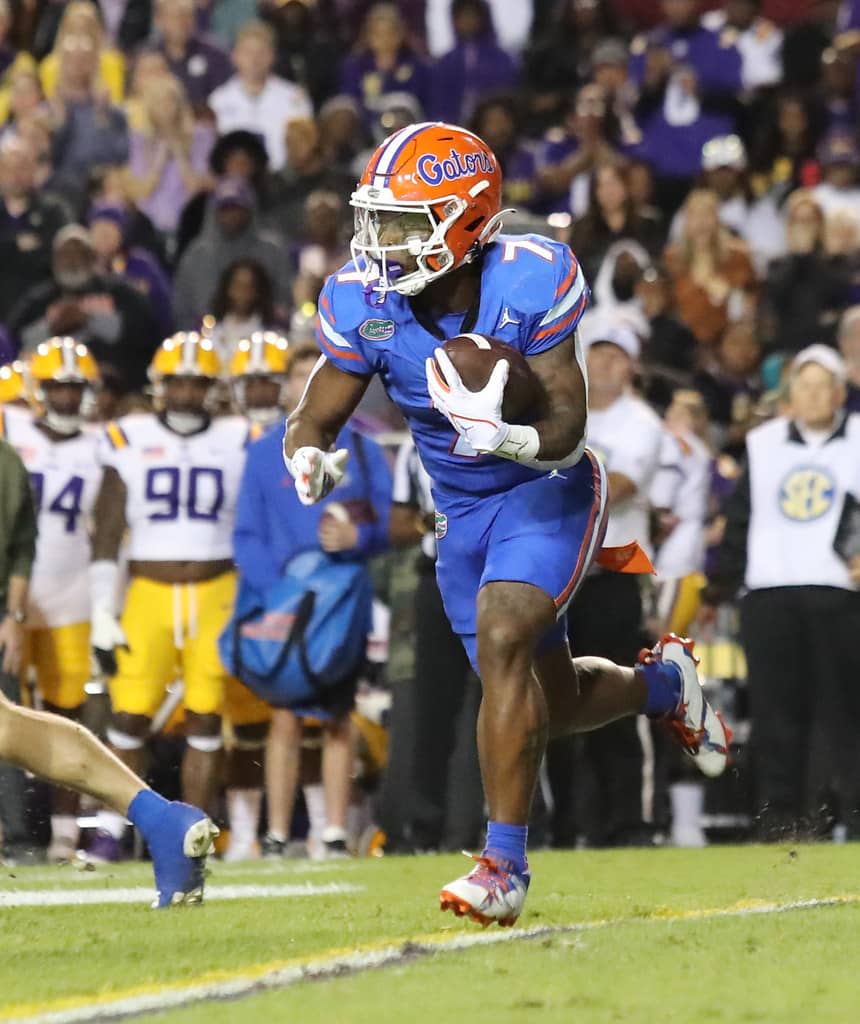
Florida Gators Jump 13 Spots to No. 8 in AP Poll After 52-28 Rout of No. 4 Ole Miss
2h ago
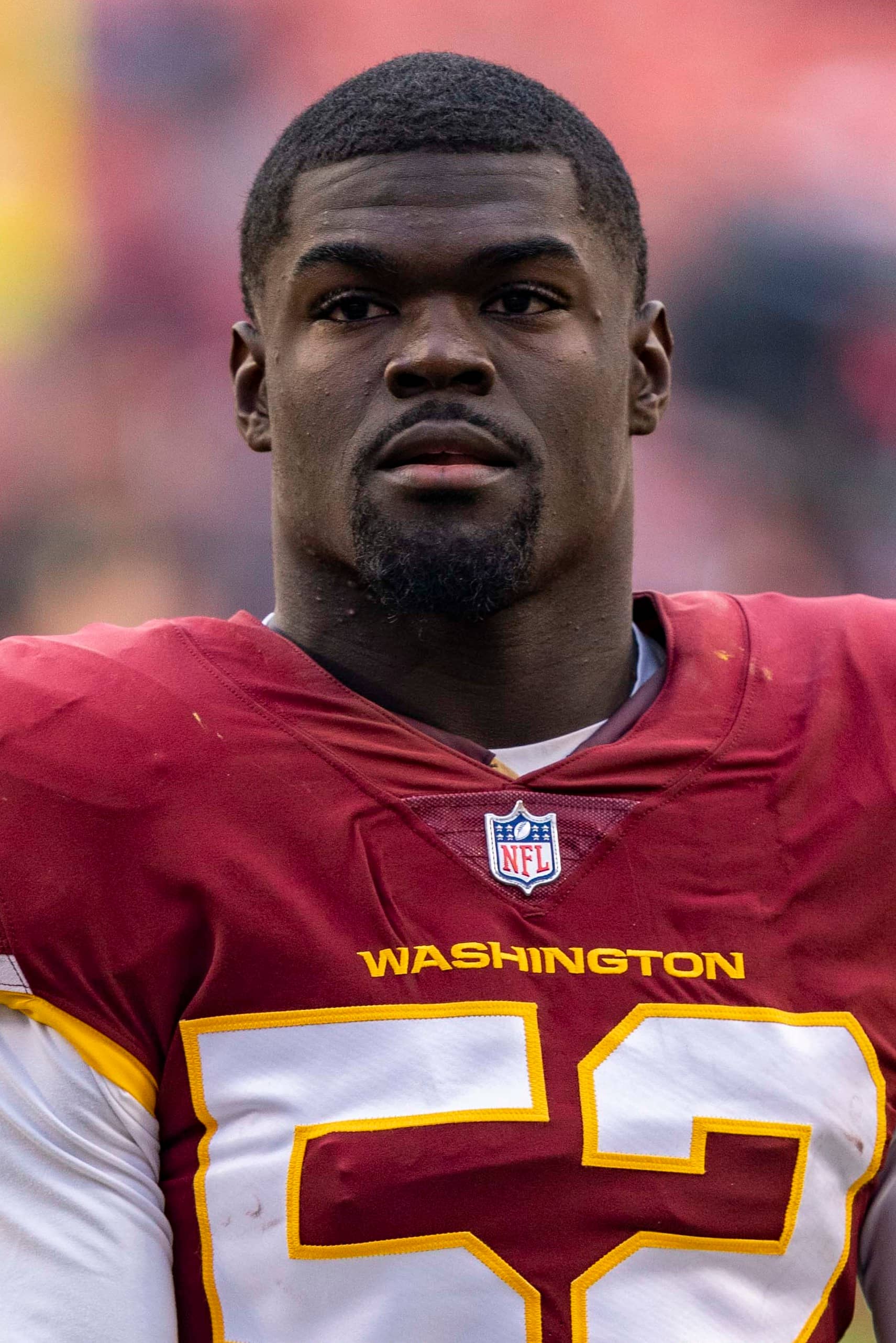
Baker Mayfield Out at Least Three Weeks as 0-3 Buccaneers Turn to Undrafted Rookie Jalon Daniels
10h ago
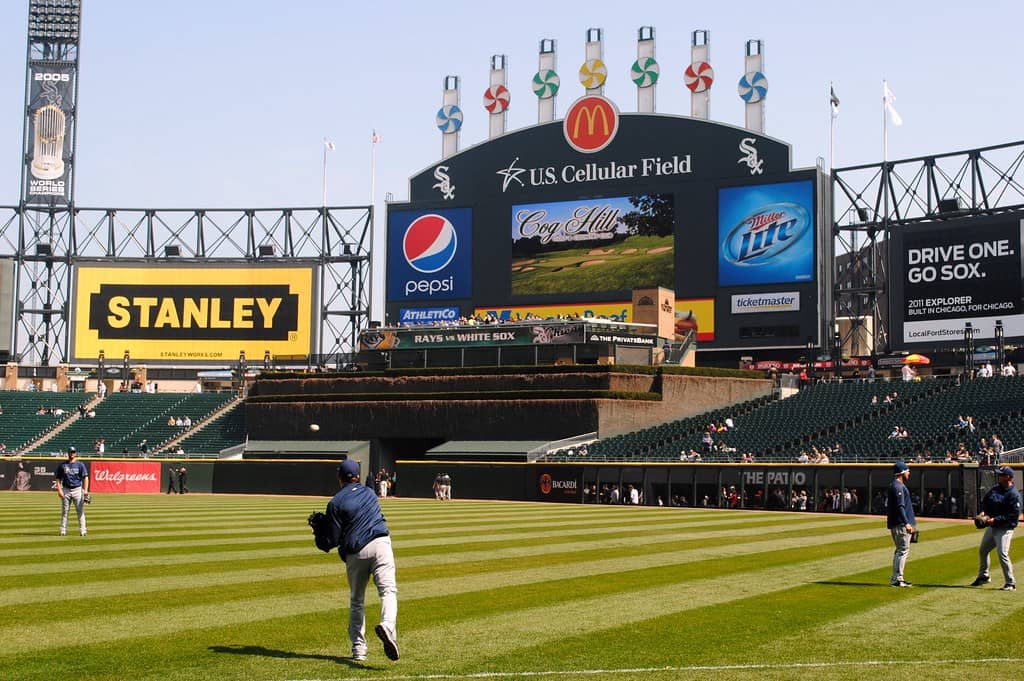
Rays Open the Postseason as the American League's Top Seed With a Bye and Home Field at Tropicana Field
22h ago
Jaguars Rout the Patriots 35-6 Behind Three Trevor Lawrence Touchdowns as Liam Coen Hits a Milestone
1d ago