FCC Clears SpaceX to Deploy Up to 1 Million 'Starmind' Data-Center Satellites, a Plan That Would Lean on Florida's Starship Pads

The Federal Communications Commission on Wednesday, Nov. 25, authorized SpaceX to deploy up to 1 million satellites for a constellation of orbital data centers the company calls Starmind, a decision that, if the project is ever built at anything near that scale, would depend on a launch cadence far beyond anything Florida's Space Coast has seen. The FCC called the approval a historic first in the race to build computing power for artificial intelligence, while astronomers, rival satellite operators and some scientists questioned whether the plan is safe or even physically workable.
Under the authorization order, SpaceX must deploy at least one authorized satellite by 2033 and then add more gradually through 2040, according to the AP's reporting on the order. The FCC said the constellation, made up of what SpaceX calls "orbital compute modules" that would process data for use on Earth, operates consistently with the agency's orbital debris rules.
What the FCC approved
FCC Chairman Brendan Carr announced the decision on X. "Today, in a historic first, the FCC approved SpaceX's request for 1 million satellites," he wrote, according to CBS News. Carr, who was appointed by President Donald Trump, said "America is leading the world into the era of super intelligence" and that the move "opens a bold new frontier." The agency said the project could bring humans closer to harnessing "the full power of the sun."
SpaceX CEO Elon Musk replied to Carr: "Much appreciated. This will be a great asset to America and the world." SpaceX did not respond to the AP's request for comment.
The FCC said it received a substantial number of public comments, including petitions asking it to deny the request, and concluded that deployment serves the public interest. It dismissed some objections, including environmental concerns, as outside its authority, the AP reported.
How the plan got here
SpaceX filed the application on Jan. 30, seeking authority for a non-geostationary system of up to 1 million satellites in narrow orbital shells, which coverage of the filing put at altitudes between roughly 500 and 2,000 kilometers. In that filing, the company called the project a "first step towards becoming a Kardashev II-level civilization," a reference to a theoretical society able to harness the full energy output of its star, CBS News reported. A February filing cited by the FCC said the satellites would handle telemetry, tracking and command and would link with other satellites, including Starlink.
In its initial public offering paperwork in May, SpaceX argued that orbital data centers could meet surging AI demand and generate energy more efficiently than facilities on the ground. The company said in that filing it expects to begin deploying orbital AI compute satellites as early as 2028. Space.com reported that SpaceX is aiming for the first Starmind launches in the third quarter of 2027. Supporters of space-based computing argue that solar-powered satellites would ease strain on power grids and reduce the water that ground data centers use for cooling.
Astronomers and rivals object
The American Astronomical Society had urged the FCC to deny the request and said it was "disheartened and dismayed" by the decision. The society warned that the satellites would be "larger (and therefore brighter)" than existing ones and visible for longer periods of the night, undermining federal investment in observatories. Satellite operator Viasat and Amazon's Kuiper Systems also asked the FCC to reject the application.
Astrophysicist and author Adam Becker told the AP the plan is "a fantasy" and "It's not going to happen." Space is cold, he noted, but it is also a vacuum, which traps heat the way a thermos does, and he said there are "basic physical limits" on radiating away the heat that powerful computers generate. Becker also warned about pollution from launches and reentries and about collisions that could produce "a cloud of debris" in low Earth orbit, where many weather and communications satellites fly. "It also is pollution of the night sky to the naked eye," he said.
Where Florida fits
Neither the FCC order nor SpaceX's public statements on Wednesday said which rocket would carry Starmind satellites or where they would launch. But putting satellites into orbit at this scale would almost certainly lean on Starship, SpaceX's fully reusable heavy-lift rocket, and SpaceX is building Starship pads on Florida's Space Coast.
Two Florida sites have cleared major federal reviews:
| Site | Approval | Annual cap |
|---|---|---|
| Launch Complex 39A, Kennedy Space Center | FAA final environmental impact statement, January 2026 | Up to 44 Starship launches and 88 landings |
| Space Launch Complex 37, Cape Canaveral Space Force Station | Department of the Air Force record of decision, Nov. 20, 2025 | Up to 76 launches and 152 landings |
A Starship tower already stands at 39A, which is slated to host the first Starship launch from Florida, and SpaceX has said construction is underway at SLC-37, News 6 reported. A Space Force official had projected Florida Starship launches could begin in early to mid-2026; that timeline has slipped, and WESH reported earlier this year that SpaceX was targeting a Space Coast Starship launch by the end of 2026.
The Space Coast already set a record in 2025 with more than 100 orbital missions, WESH reported. The two Florida Starship pads together are capped at 120 launches a year. At that rate, reaching 1 million satellites within a decade would require every launch to carry more than 800 spacecraft, a gap that underlines skeptics' doubts about the plan's scale, even if SpaceX also flies from its Texas base.
What it could mean for Brevard County
The FCC's decision does not authorize any launch; Starship flights from Florida still require FAA launch licenses. But the FAA's own environmental review for 39A shows what a busier Starship schedule would bring to Brevard County. The agency found noise to be the most significant environmental concern, with launches exceeding 90 decibels outside Kennedy Space Center and Cape Canaveral Space Force Station, half of them between 10 p.m. and 7 a.m., News 6 reported. Sonic booms would reach communities including Titusville, Merritt Island, Cape Canaveral, Cocoa and Cocoa Beach.
Airspace is the other pressure point for Florida. The FAA said Starship launch and booster-return hazard areas could extend roughly 1,600 nautical miles east over the Atlantic, with closures lasting from 40 minutes to two hours per launch, and that multiple airports may need to halt departures. For Orlando International and other Florida airports, each additional Starship mission would mean another window of rerouted flights.
Because the FCC set aside environmental questions as beyond its reach, those issues will continue to be decided in FAA and Space Force reviews, which is where Florida residents and local governments have had their say on Starship so far.
What's next
SpaceX now has a regulatory green light but must still prove the hardware works, from heat rejection in orbit to the reliability of Starship itself. The first Starmind satellites, whenever they fly, will show whether the company can meet the FCC's 2033 milestone. On the Space Coast, the more immediate milestone is the first Starship launch from Florida, which would set the pace for everything SpaceX hopes to put in orbit from Brevard County in the years ahead.
Spotted an issue with this article?
Have something to say about this story?
Write us a letterComments
No comments yet. Be the first to weigh in.
Related Coverage
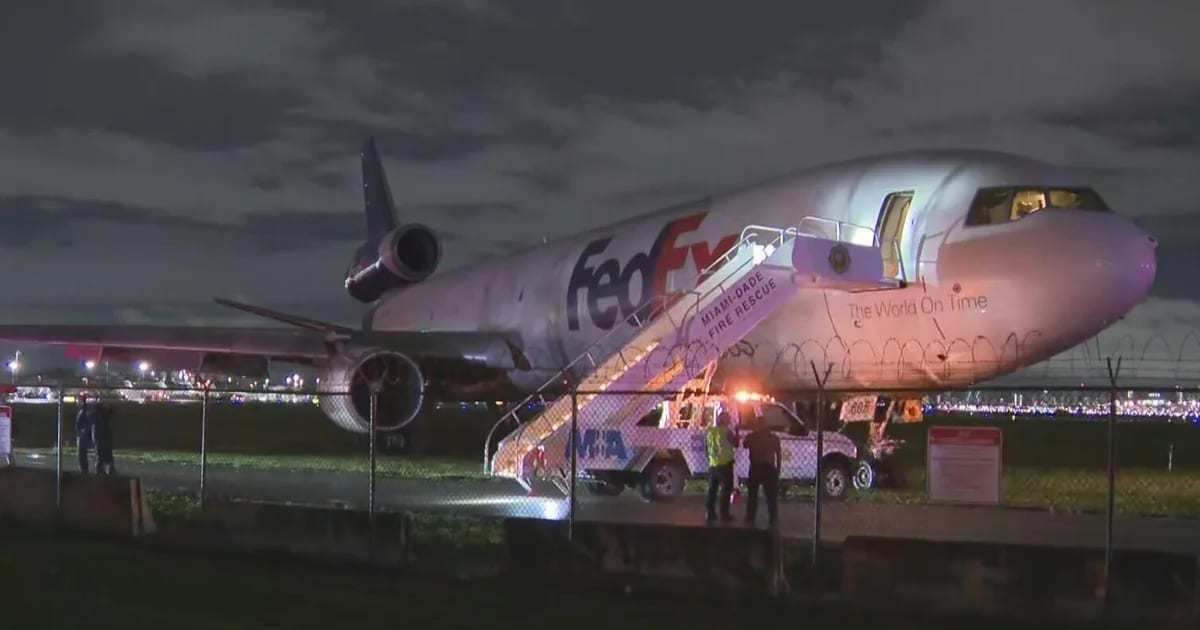
FedEx MD-11 Cargo Jet Runs Off Runway at Miami International Airport, Snarling Thanksgiving Eve Travel
22m ago

Black Friday 2026: Necessities Join Gifts in Florida Shopping Carts as AI Tools and Higher Prices Steer Spending
1h ago
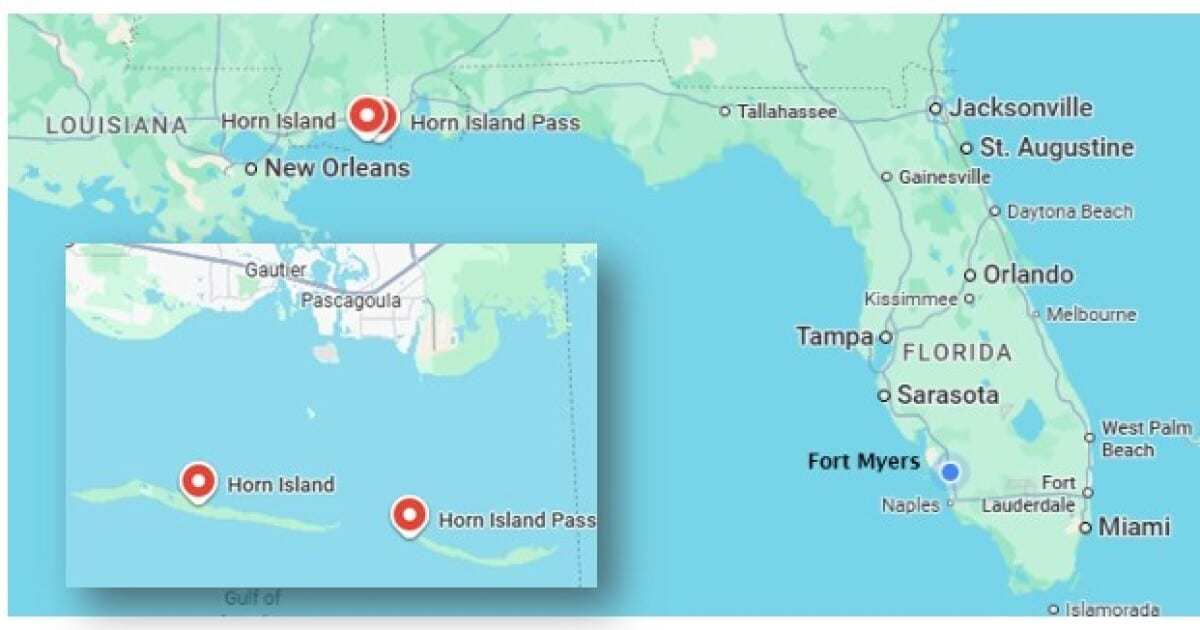
Small Plane Bound for Fort Myers Crashes in Gulf Off Mississippi, Killing All Six Aboard Including Two Boys
18h ago
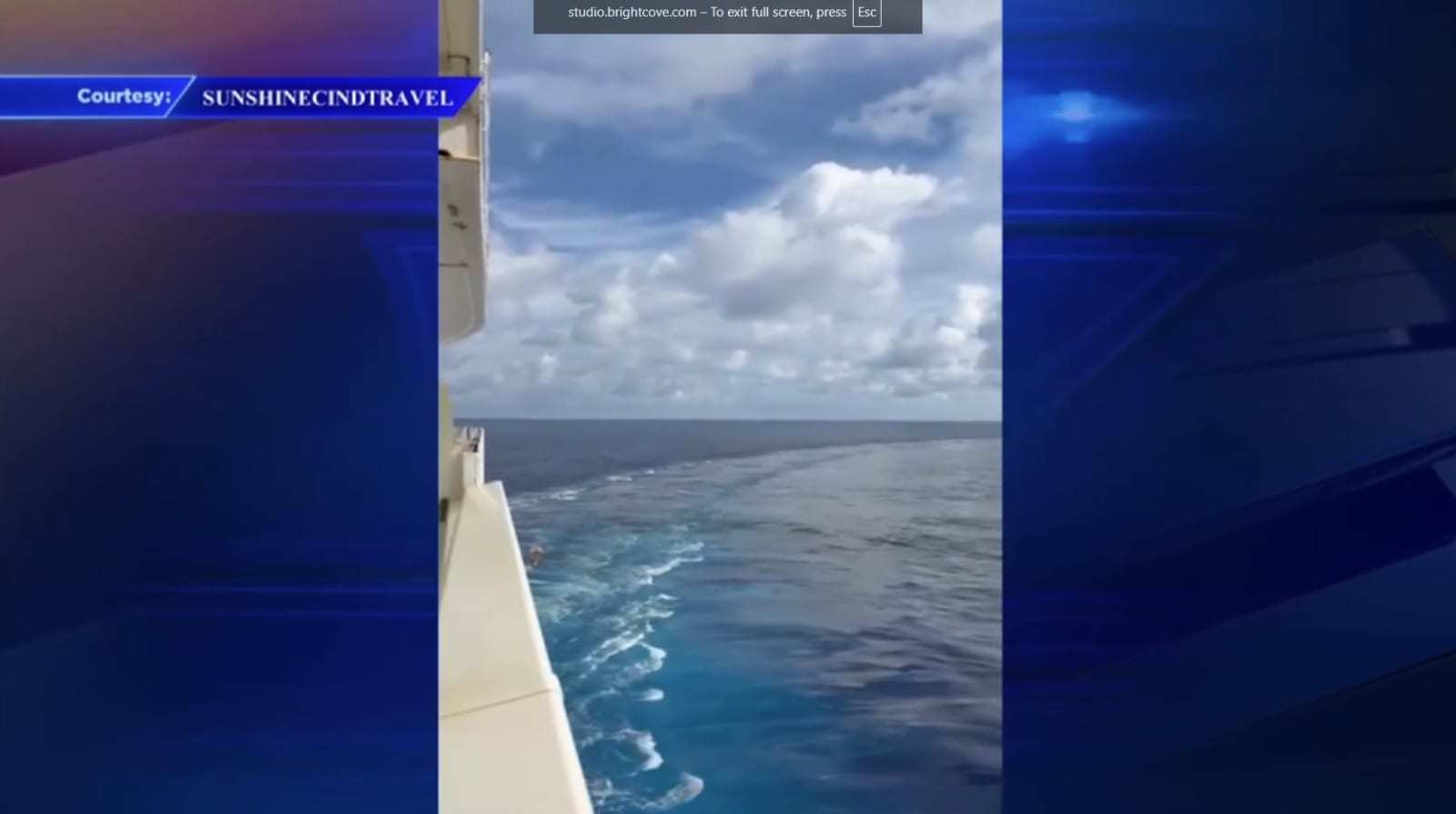
Search Underway for Allure of the Seas Passenger Who Went Overboard Near San Salvador, Bahamas, Days After Leaving PortMiami
19h ago