Florida Backs Off Plan to Spend $197 Million in EV Charger Money on Flying Car Pads
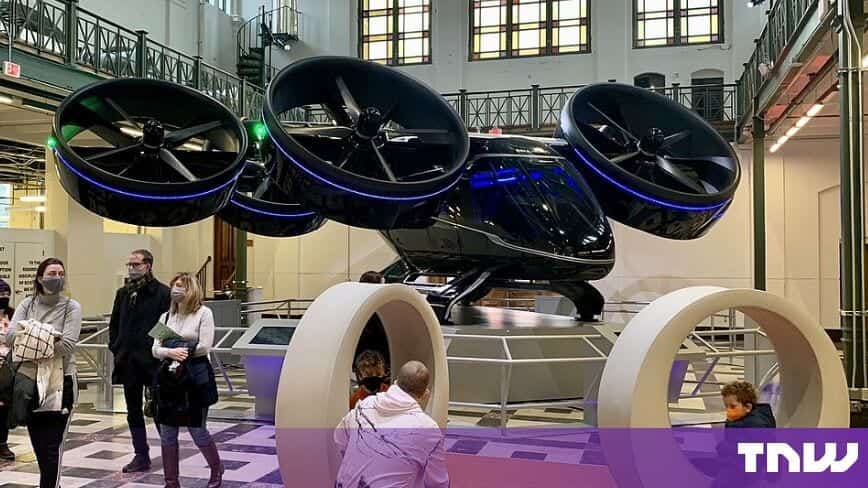
Florida appears to have backed away from a plan to spend its roughly $197 million in federal electric vehicle charging money on landing and charging pads for flying cars, according to a revised Florida Department of Transportation report obtained by the Miami Herald. The new report, dated Sept. 9, says the money will primarily pay for chargers for ordinary cars and trucks, while leaving room for electric aircraft where sites can be shared.
The shift, reported by the Herald and the Tampa Bay Times, reverses the direction FDOT laid out earlier this year, when state documents described sending the entire National Electric Vehicle Infrastructure, or NEVI, allocation to what the department called an aerial highway for electric vertical takeoff and landing aircraft, known as eVTOLs.
What the new report says
In the September report, FDOT softened its language about funding helicopter-style electric aircraft instead of "everyday vehicles." It now says Florida will spend some of the NEVI money on regular cars, which it calls "surface passenger vehicles."
"NEVI-funded charging infrastructure will primarily serve surface passenger vehicles including cars and trucks, but may also include additional value by supporting other uses, such as aviation users like electric vertical takeoff and landing (eVTOL) aircraft, where co-location is feasible," the report reads.
The wording leaves the door open to continued spending on drone-style flying vehicles. FDOT did not respond to the Herald's questions about exactly how it plans to spend the money or what it plans to build.
The report says Florida intends to spend the money quickly, all before 2028. But unlike earlier versions, it does not say how many chargers would be installed or where. It mentions combination chargers that could power both cars and electric aircraft. At least three of those have already been installed in Florida, at airports in Gainesville, Tallahassee and the Panhandle's Okaloosa County.
How Florida got here
The NEVI program was created under the 2021 federal infrastructure law to build out public fast-charging networks for electric cars along major highways. Florida's relationship with the money has been rocky from the start.
The state held its allocation unspent for so long that the federal government clawed back about $45 million of it, the Times reported. Florida launched a website describing an "all-hands-on-deck approach to fight back" against what it called the "war against the American automobile." Under President Donald Trump's administration, the state finally agreed to spend the money.
In January, the Trump administration certified that Florida had fully built out its highway EV charging corridor, which allows the state to use NEVI money for other purposes such as upgrading old chargers or installing new ones at locations like government buildings.
In July, the Herald reported, after its lawyers became involved in a records request, that FDOT planned to put all of the money toward flying vehicles. A 2025 draft of the plan argued that private investment had made Florida's charging network healthy enough that it did not need more subsidies, and said the department "will not waste taxpayer dollars and spend it on everyday passenger vehicles."
That earlier plan described a network of 32 charging, takeoff and landing sites, each estimated to cost $5.6 million, with FDOT mentioning airports, luxury apartment buildings, golf courses and military bases as possible locations, according to the Herald's July report. FDOT said at the time that it had counted 452 public fast chargers and 1,708 Level 2 chargers statewide as of January 2025.
A week after the July story, FDOT told the Times there was no "active proposal" to redirect the money because the Federal Highway Administration had not approved any plan. The revised report is dated one month after that statement.
The timeline
The key steps in Florida's handling of the money are below.
| Date | Development |
|---|---|
| January 2026 | Federal government certifies Florida's highway charging corridor as fully built out |
| July 2026 | Herald reports FDOT plan to spend all NEVI money on eVTOL sites |
| August 2026 | FDOT tells the Times there is no active proposal without federal approval |
| Sept. 9, 2026 | Revised report says money will primarily serve cars and trucks |
| Before 2028 | State's target for spending the money |
Advocates welcome the change, with questions
Electric transportation advocates praised the new direction, saying chargers for cars will benefit far more Floridians than a focus on the two- to six-passenger, short-range aircraft now in development.
"There's no better time for Florida to move this plan forward. With rising gas and diesel prices - diesel up nearly 70% from a year ago - and the growing demand for used electric vehicles, FDOT's commitment to expanding reliable charging access for surface passenger vehicles is a smart investment in affordability and energy independence," Ali DySard, Florida manager for the Environmental Defense Fund, said in a statement.
Stephen Smith, executive director of the Southern Alliance for Clean Energy, has followed how states spend NEVI money. He said Florida's "Flying car Jetson's fever dream" slowed real progress that would have helped millions of drivers.
"It's just totally inappropriate to hijack funds for another electric need that is actually going to have a bigger impact," Smith said. "It was a mistake for Florida not to lock onto the money quickly and move quickly."
Ryan McKinnon, spokesperson for the Charge Ahead Partnership, a coalition of gas stations and convenience stores that want to add chargers, called the report "nebulous" and said the lack of detail makes it hard for businesses to plan investments.
"One thing businesses need is clarity," McKinnon said. "We would like to see this program move forward as designed and not get so experimental here with the flying cars."
Advocates also worry that FDOT's public outreach for the plan has focused tightly on flying vehicles, with the last car-focused meeting held in 2023, leaving the state without the input it needs to put chargers where drivers want them.
"They've been having meetings for and with special interest groups," said Dory Larsen, senior electric transportation program manager for the Southern Alliance for Clean Energy. "There just have not been any meetings recently that have had the words general public."
The need is uneven across the state. According to the U.S. Department of Energy, two Florida counties have no public EV chargers at all, and two others have only one apiece.
Florida's bet on advanced air mobility
The state's interest in electric aircraft has not gone away. Florida is one of a handful of states chosen by the federal government to run flying-vehicle pilot programs, and it built the nation's first aerial testing site at FDOT's SunTrax facility in Central Florida.
Florida's Advanced Air Mobility Business Plan, released last year, projects passenger service growing from zero in 2026 to more than a million trips by 2027. "The Phase 1A modeling forecast suggests that AAM passenger trips could reach between 220,000 and 1.4 million trips in the initial operational year of 2027, with numbers climbing to somewhere between 11.2 million and 18.7 million annual trips for all the phases in 2050," the plan reads.
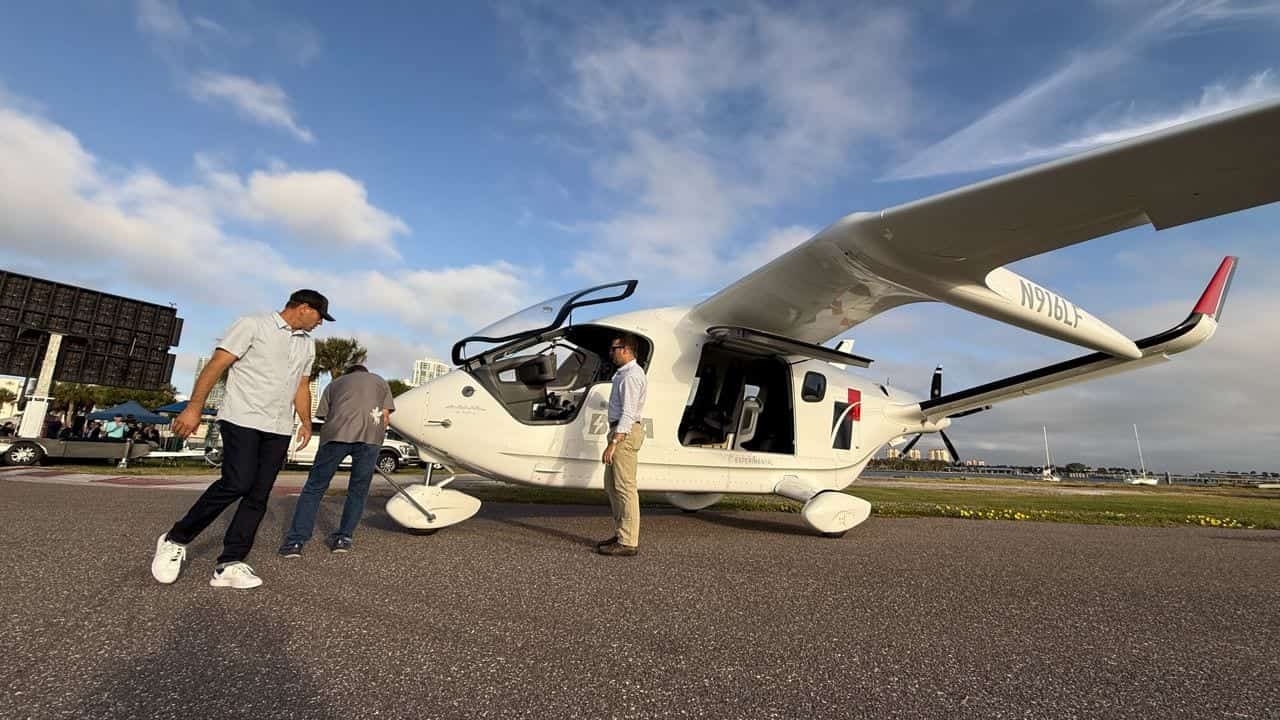
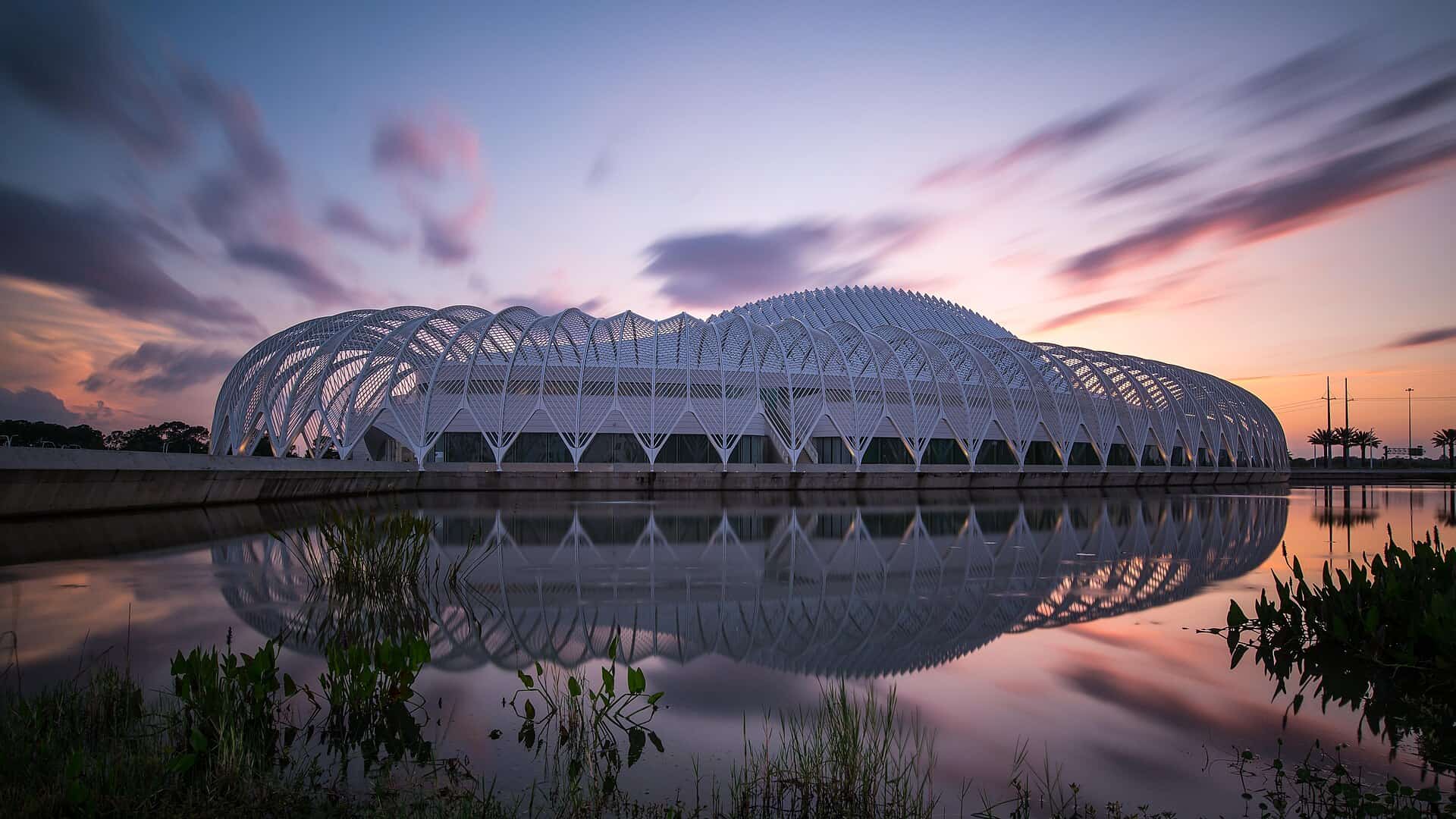
The aircraft themselves are already appearing around the state. On Oct. 31, The Florida Press reported on electric aircraft retracing the route of the world's first scheduled airline, the 1914 St. Petersburg-Tampa Airboat Line, and on Oct. 21 on Florida Polytechnic University's Astro, a piloted electric aircraft the school calls the nation's first flying police vehicle.
What's next
The revised plan still needs to translate into specific projects, and FDOT has not said how many car chargers it will fund, where they will go or how much, if any, of the money will still go to aviation sites. With a spending target of before 2028, advocates and charging businesses say they will be watching for the department to publish site details and resume public meetings focused on drivers.
Spotted an issue with this article?
Have something to say about this story?
Write us a letterComments
No comments yet. Be the first to weigh in.
Related Coverage
Electric Aircraft Retrace World's First Airline Route in Florida's First Advanced Air Mobility Flight
1d ago
Hackers Breach Florida Student Financial Aid Website, Exposing Social Security Numbers of Up to 4.9 Million People
2d ago

Florida AG James Uthmeier Sues Company Behind A2E, Saying the AI Platform Lets Users Create Sexually Explicit Images of Children
3d ago
Florida Poly unveils Astro, a piloted electric aircraft it calls the nation's first flying police vehicle
Oct 21