Florida Board of Governors Weighs Letting Some Undocumented State College Students Into Universities
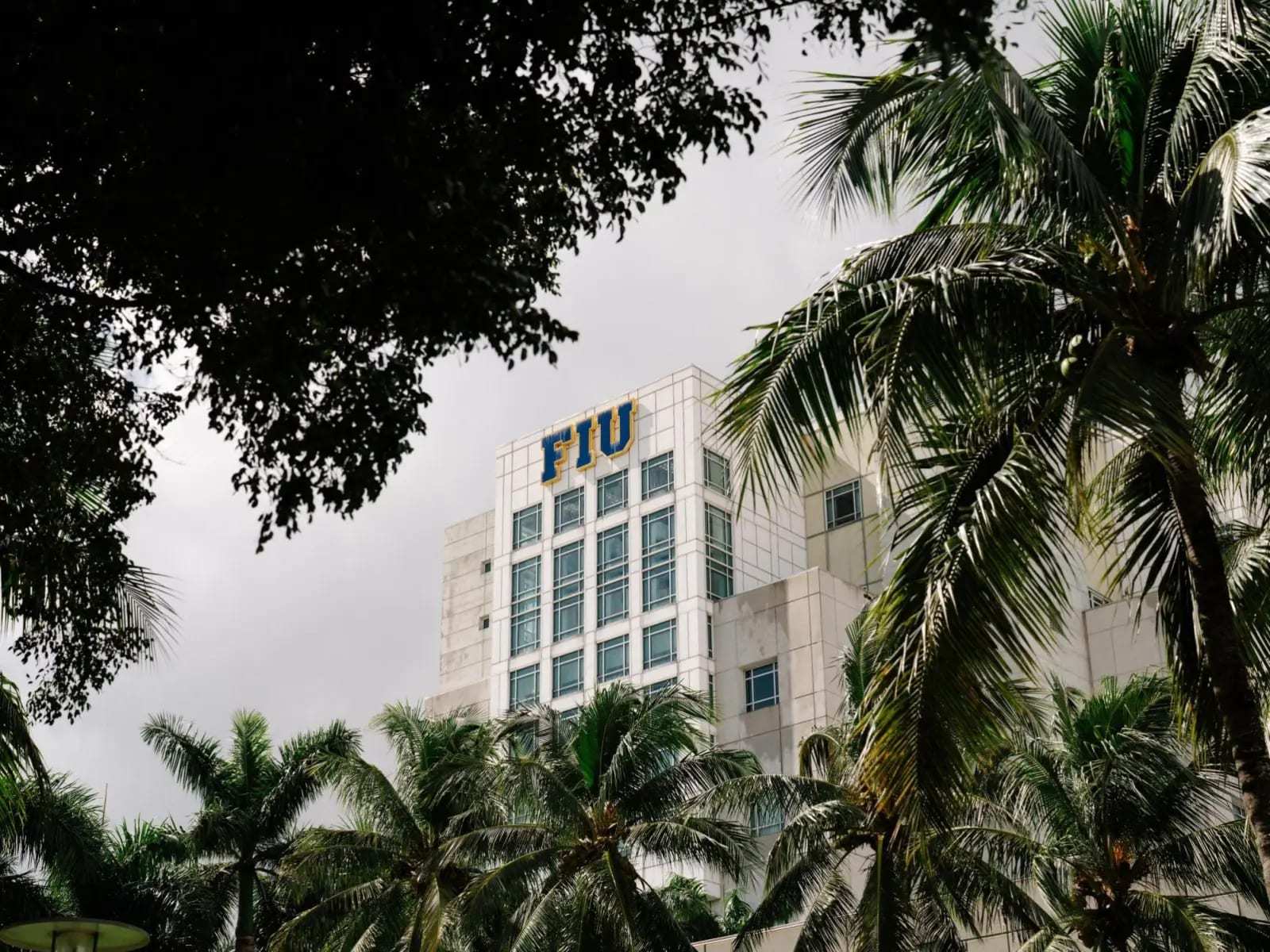
Two months after voting to shut undocumented students out of Florida's public universities, the state Board of Governors will consider on Friday, Nov. 13, a carve-out that would let some of them in after all: students who were already enrolled in one of Florida's state colleges before spring 2027 and who transfer under the state's long-standing 2+2 guarantee.
The proposal is an amendment to Board of Governors Regulation 6.001, General Admissions, and it is on the agenda for the board's Academic Affairs Committee and then the full board at Florida International University in Miami. Board staff describe the change as a clarification of the admissions requirements for students transferring from a Florida College System institution to a state university.
What the board is being asked to approve
The regulation the board amended on Sept. 3 says that beginning with the 2027-28 academic year, a person "who is present in the United States unlawfully" is not eligible for initial enrollment at a state university. As written, the ban applies to any state university which, for the two most recent academic years, did not admit all academically qualified applicants.
The draft amendment posted with Friday's agenda adds two exemptions to that ban:
- Students who were enrolled in a program at a Florida College System institution before spring 2027 and who graduate with an associate in arts degree that entitles them to admission under section 1007.23(2), Florida Statutes, or who are taking part in a 2+2 targeted pathway program under section 1007.23(8).
- Students who were enrolled before spring 2027 in a program governed by an agreement between a state university and a Florida College System institution.
In practical terms, the exemptions would protect undocumented students who are already working their way through a state college on the expectation that the associate degree would carry them into a university. They would not reopen the door to undocumented high school graduates or to anyone who enrolls in a state college after the spring 2027 cutoff.
The process is not final on Friday. According to the board's agenda item, if the Academic Affairs Committee and the full board approve the notice, the amended regulation will be open for public comment for 14 days. If no concerns are raised, it will return to the Board of Governors for final approval at its next meeting.
The 2+2 guarantee at the center of the change
The tension the amendment tries to resolve is between the September rule and state law. Florida law guarantees that students who graduate from one of the state's 28 public colleges with an associate in arts degree are admitted to one of the state's 12 public universities, according to the News Service of Florida reporting carried by CBS Miami and WUSF. The Statewide Articulation Agreement, known as the 2+2 program, ensures that 60 credits transfer from a college to a university toward a bachelor's degree.
The September rule did not exempt those graduates. That created the possibility that an undocumented student who had completed an associate degree under a statutory admissions guarantee could be turned away by a university under a board regulation. The amendment's language cites the same statute, section 1007.23, that establishes the articulation guarantee.
Notably, the Academic Affairs Committee agenda on Friday also includes a presentation on a 2+2 FIU pathway program from student representatives, listed as an information item.
How Florida got here
The Legislature did not pass the restrictions itself. During the 2026 session, several attempts to bar undocumented students from Florida colleges and universities failed to gain traction. A bill (SB 1052) by Sen. Erin Grall, R-Vero Beach, to prohibit all higher education institutions from admitting any non-citizen not lawfully present in the country was never heard in committee. Another measure (HB 721) by Rep. Berny Jacques, R-Seminole, which would have required schools to limit the number of enrolled students who are foreign citizens and not permanent U.S. residents, received one hearing and never reached the House floor.
Instead, the policy came through rulemaking. The Board of Governors adopted the university restriction in September, and the State Board of Education has passed several immigration-related rules this year, including one that blocks undocumented students from the state's postsecondary career and technical education programs, according to the News Service of Florida.
Republican leaders welcomed the September vote. Lt. Gov. Jay Collins called it "common sense" and said, "Florida's public universities are for students who are here legally. Period." Education Commissioner Henry Mack wrote on X that "Taxpayers built these campuses. They are not a prize for unlawful presence."
Reaction to the proposed carve-out
Former state Rep. Anna Eskamani, D-Orlando, told the News Service of Florida she was pleased the board was reconsidering the rule and adding an exemption for Florida College System graduates. She argued that lawmakers never directed the boards to adopt the policy.
"It does not surprise me that they are creating this carve-out because it ignored state law," Eskamani said, adding that the Board of Governors and the Board of Education "were operating way beyond their jurisdiction in crafting new policy that was targeting immigrant students."
Eskamani, who is running for mayor of Orlando in 2027, said she hopes Gov.-elect Byron Donalds directs the board to repeal the rule entirely. "Ultimately, both the BOG and the Board of Education should repeal the new rules completely and allow all students, regardless of their origin story, to attend a public university or college that they've been accepted to attend," she said.
The reports on the proposed change did not include a response from Donalds, who takes office Jan. 5.
Who would be affected
Neither the Board of Governors agenda item nor the draft regulation estimates how many students the exemptions would cover. The September rule takes effect for initial enrollment in the 2027-28 academic year, so the students most directly affected are those currently enrolled in state colleges, or who enroll before spring 2027, and who plan to transfer to a university under the articulation agreement.
Students who enroll in a state college after the cutoff would still fall under the ban when they try to move on to a university. And the carve-out does nothing for undocumented students blocked from the state's career and technical education programs under the separate State Board of Education rule.
What's next
The Academic Affairs Committee meets at 10:55 a.m. Friday at FIU's Graham Center ballroom on the Modesto A. Maidique Campus, and the full Board of Governors meets that afternoon, where the notice of intent to amend Regulation 6.001 is listed on the consent agenda. If approved, the 14-day public comment period follows, with a final vote expected at the board's next meeting.
The broader question of whether the restrictions survive at all will likely shift to Tallahassee in January, when Donalds takes office as the governor who appoints most members of the boards that wrote them.
Spotted an issue with this article?
Have something to say about this story?
Write us a letterComments
No comments yet. Be the first to weigh in.
Related Coverage
Pinellas School Board Cements Closure Plan With Unanimous Policy Vote as Sunset Hills Parents Keep Up Pushback
23h ago

Why Getting Into USF Is Harder Than Ever: Record GPAs, Rising Test Scores and a Bigger Applicant Pool
1d ago
Duval school board halts public comment after anti-Muslim remarks, fires Baldwin principal over gun in car
2d ago
Every Hillsborough Transformation Network school earns a C or better in 2026, a first
4d ago