Florida Builders Warn Immigration Enforcement Is Thinning Crews and Could Raise Home Prices
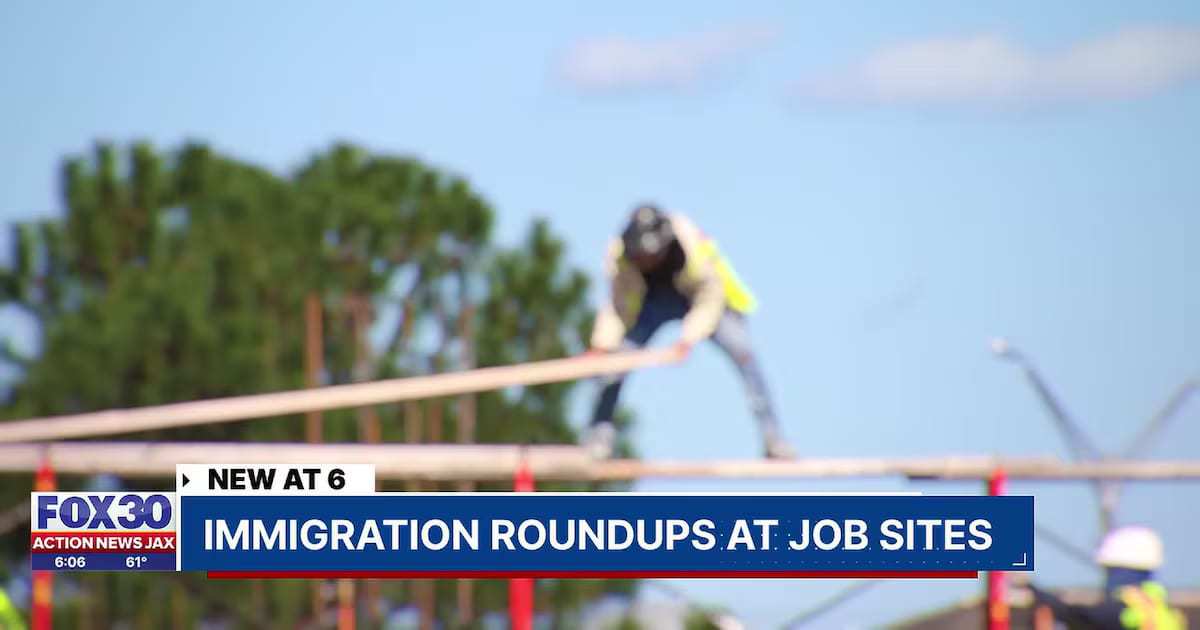
Homebuilders in Northeast Florida say federal immigration enforcement is draining construction crews so fast that fewer houses will get built and new-home prices will rise, a warning that lands hard in a state where roughly four in 10 construction workers are immigrants. Scott Brannock, president of the Northeast Florida Builders Association, told WJXT News4JAX on Monday, Nov. 16, that workers in concrete, framing, drywall, painting and landscaping have been detained or have left the Jacksonville area since late May or early June.
"Housing prices are going to go up because it's as simple as supply and demand," Brannock told the station.
What Jacksonville builders are seeing
Brannock told Action News Jax that in the areas hit hardest, the workforce has been depleted by 60 to 70 percent, leaving some job sites empty because there is no one to frame a house. His association says framing labor that cost about $10,000 per home now runs $22,000 to $26,000, and Brannock estimated that the added costs could raise new-home prices by as much as 15 to 20 percent. Those are the association's own estimates, not government data.
Delays carry their own cost, he said. "Every single day that that job site sits without someone on it performing work is interest," Brannock told Action News Jax, referring to the construction loans builders carry while homes sit unfinished.
The builders association does not support illegal immigration, Brannock told News4JAX, but he said some of the workers leaving are legally authorized to work and are going because they fear enforcement. Some, he said, are moving to places they believe are safer, including the Carolinas and western states. Josue Chavez, who does irrigation work at a Northside Jacksonville construction site, told News4JAX that every single trade has fewer workers and that on some days there is just nobody out there.
Federal enforcement in the Jacksonville area has climbed sharply. ICE detentions in Jacksonville rose from 40 in January 2025 to 377 in July 2026, according to Deportation Data Project figures cited by Action News Jax. Nationally, the Department of Homeland Security reported more than 491,000 ICE arrests and more than 483,000 deportations in fiscal year 2026, the station reported.
The Palatka school site
The concerns sharpened after an ICE operation at the construction site of the future Palatka Primary School in Putnam County. Video showed multiple workers detained at the site on Nov. 5, News4JAX reported. The Putnam County Sheriff's Office said its deputies, Palatka police and Florida Fish and Wildlife Conservation Commission officers helped locate people who ran, and the school district said construction was delayed several hours. The number of people detained has not been publicly reported.
Why Florida is more exposed than most states
Florida leans on immigrant labor in construction more heavily than nearly any other state. An analysis of 2024 Census Bureau survey data by the National Association of Home Builders found that immigrants make up about 41 percent of Florida's construction workforce, second only to California at 42 percent and ahead of Texas at 39 percent. Nationally, immigrants held a record 26.3 percent of construction jobs in 2024, according to the same NAHB research.
The state's construction workforce is also large. Florida had about 657,000 construction jobs in September 2026, up roughly 3,300, or 0.5 percent, from a year earlier, according to an Associated General Contractors of America analysis of federal Bureau of Labor Statistics data. That modest statewide gain came as residential construction employment nationwide fell by about 32,800 jobs over the same 12 months, AGC's analysis showed.
The headline employment numbers do not capture the problem builders describe. Payroll counts measure jobs on the books, while builders' complaints center on the subcontracted crews that frame, finish and pour concrete on individual homes.
What the national numbers show
Builders' complaints in Jacksonville track with national surveys, though none isolates enforcement as the sole cause:
| Measure | Finding | Source |
|---|---|---|
| Builders reporting labor shortages | 47%, up from 42% in April 2025 | NAHB survey, September 2026 |
| Labor cost to build the same home | Median increase of 4.2% over 12 months | NAHB survey, September 2026 |
| Builders saying enforcement affects their labor | Nearly two-thirds, up from 23% in March | John Burns Research and Consulting, September 2026 |
NAHB has said that increased immigration enforcement and jobsite raids are heightening worker fears and straining the construction labor pool, and that enforcement has discouraged some legally authorized workers from showing up. The group also points to competition for workers from the boom in data center construction. Some analysts and executives at large public homebuilders have described a smaller effect, arguing that the impact varies widely by market and should not be read as a single national crisis.
Florida's own rules on hiring
Florida builders were already operating under one of the country's tougher state employment-verification laws before federal enforcement intensified. Senate Bill 1718, signed by Gov. Ron DeSantis on May 10, 2023, requires private employers with 25 or more employees to use the federal E-Verify system to check the work eligibility of new hires starting July 1, 2023, with state penalties for noncompliance beginning July 1, 2024. The mandate applies to employees, not independent contractors.
The state law has not settled the labor question. Florida's political leadership has aligned closely with federal enforcement, and the builders' association's message is aimed at Washington. "You can't have immigration enforcement the way it is currently and still talk about affordable housing," Brannock told Action News Jax.
What it means for Florida buyers
If builders' estimates hold, the cost increases would be passed on to buyers of newly built homes. Brannock's argument is straightforward: fewer workers means fewer homes, and fewer homes means higher prices. "Less houses are going to be built because there's not people to build them," he told News4JAX.
What's next
NAHB has long argued that immigration reform is key to building a skilled construction workforce, and builders' groups continue to press for more legal pathways for workers. Brannock told Action News Jax that the industry sees no relief in sight. For Florida buyers, the clearest signals to watch will be monthly building permit and housing start data and builders' list prices on new homes in the months ahead.
Spotted an issue with this article?
Have something to say about this story?
Write us a letterComments
No comments yet. Be the first to weigh in.
Related Coverage
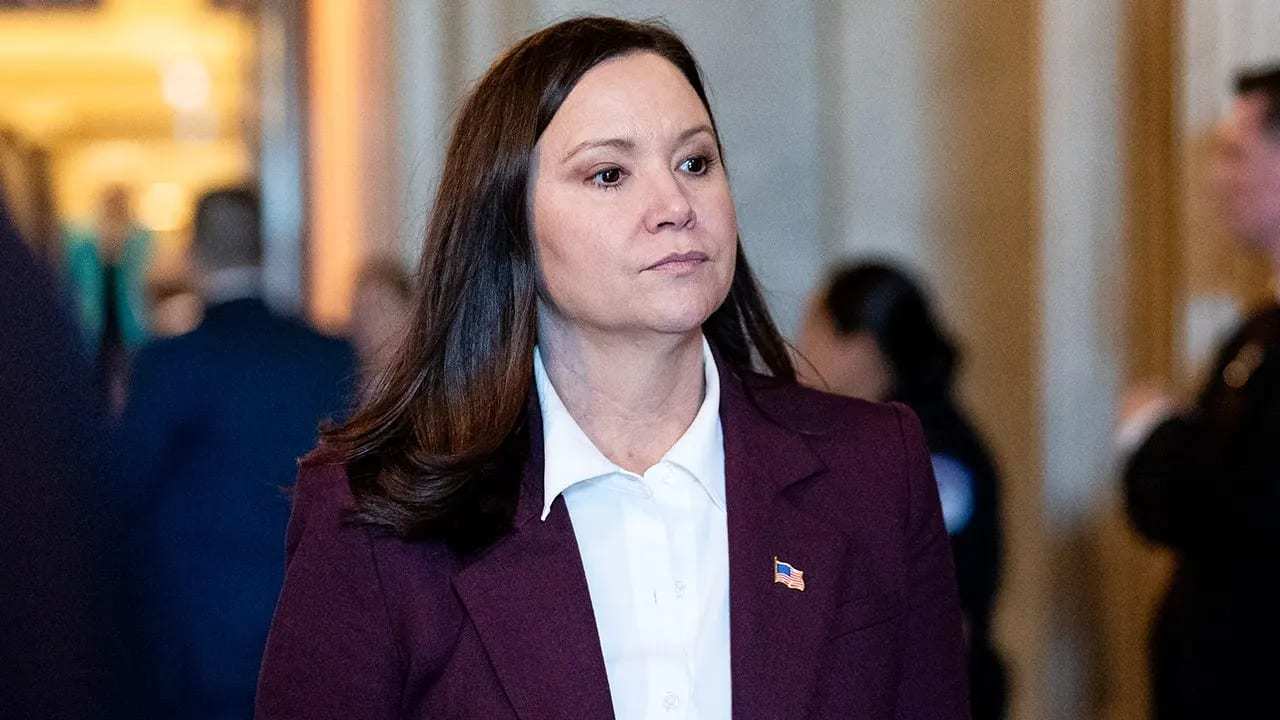
Engine Failure Diverts Sen. Ashley Moody's Tampa-to-Washington Flight to Orlando, and She Misses Monday Night Senate Votes
1h ago
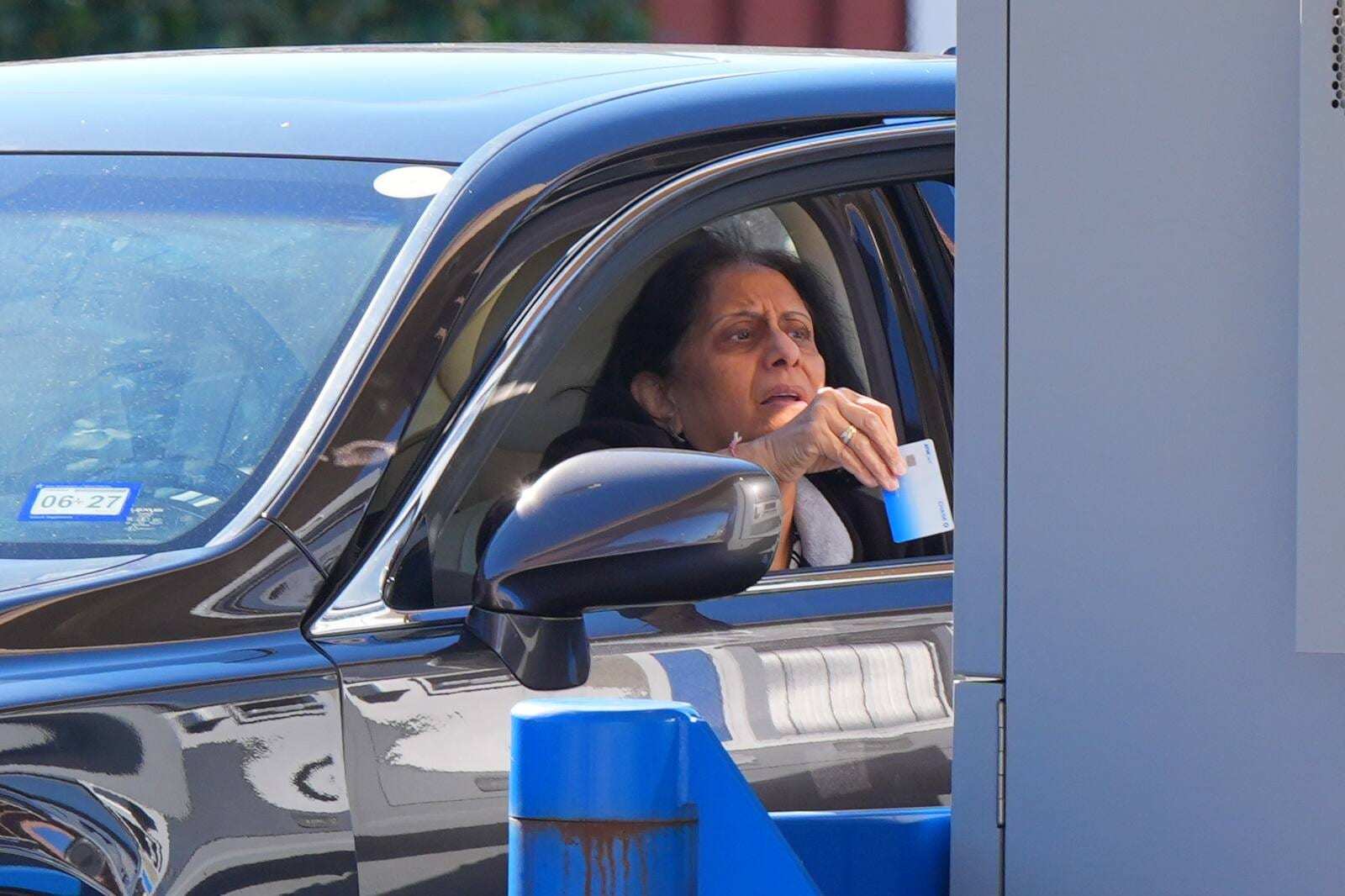
Chase Software Bug Snarls Banking and Zelle Payments for Florida Customers, Days After the FAA Ground Stop and a Microsoft Outage
2h ago

Trump heads to Asia to meet Xi and Putin, with the U.S.-China trade truce possibly renewed at next month's Miami G20
19h ago
Orlando, Fort Lauderdale and Miami top AAA's Thanksgiving flight list as 4.6 million Floridians get ready to travel
21h ago