Florida State Hosts No. 19 SMU on Labor Day in the Game That Defines Its September
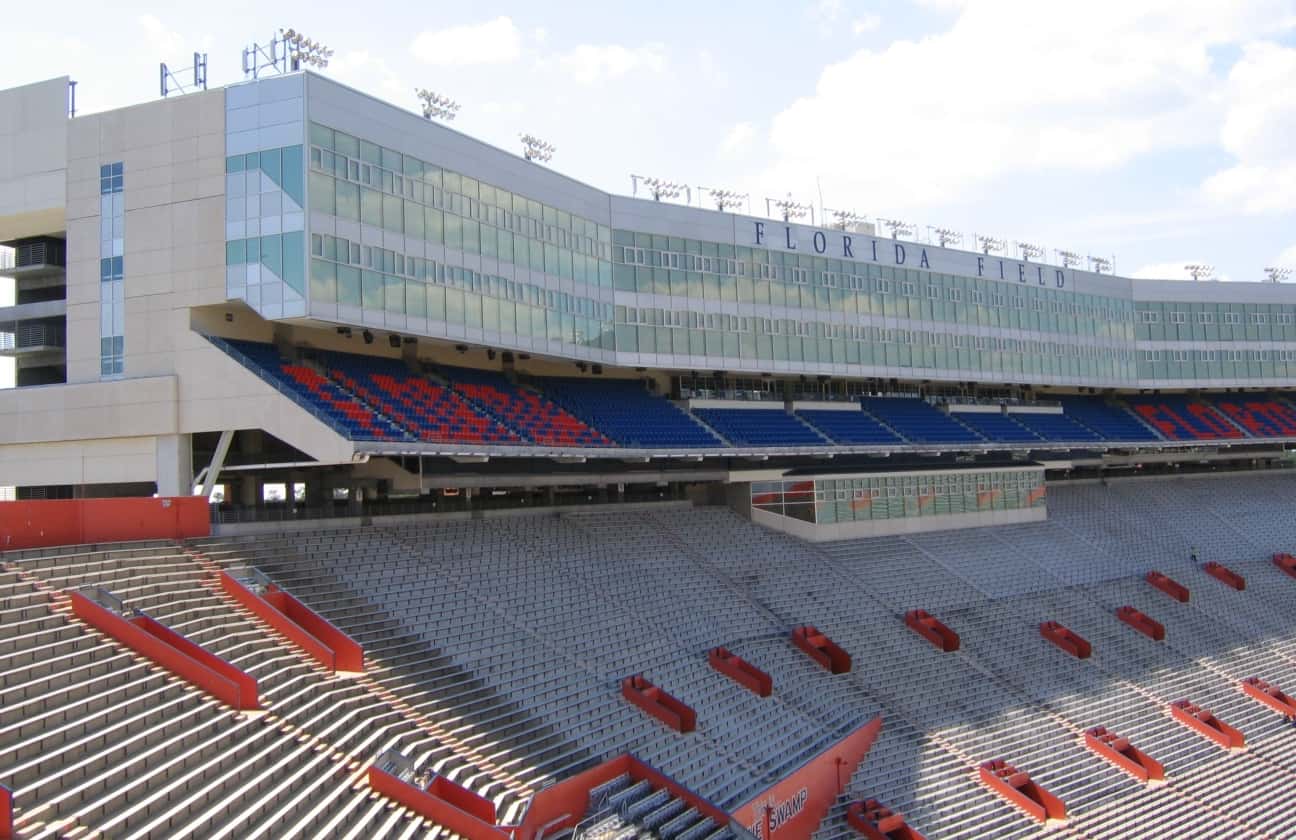
Florida State hosts No. 19 SMU on Labor Day evening at Doak Campbell Stadium in a nationally televised game that will tell far more about the Seminoles' season than their opener did. Florida State enters at 1-0 following a 34-17 win over New Mexico State, unranked in the Associated Press poll, and facing a ranked conference opponent that handled them decisively in their only previous meeting.
The matchup
Kickoff is scheduled for 7:30 p.m. on ESPN, giving the game the standalone Labor Day primetime slot that college football uses to close the opening weekend. Florida State (1-0, 0-0 ACC) hosts SMU (0-0, 0-0 ACC), a team that entered the season ranked No. 19 in the preseason Associated Press poll.
This is only the second meeting between the programs and the first in Tallahassee. In their previous matchup in Dallas in 2024, SMU won comfortably, 42-16. That result is the most relevant film either staff has, and it is not a comfortable reference point for Florida State.
Betting markets have installed SMU as a small road favorite, an unusual position for a visiting team at Doak Campbell Stadium and a reflection of how the two programs are currently regarded. Road favorites in conference openers are a signal about perceived talent gaps rather than about any single matchup.
What the FSU opener revealed
Florida State opened with a 34-17 win over New Mexico State in Tallahassee, a result that came against a substantial point spread. The Seminoles led just 17-10 into the third quarter before pulling away in the fourth, a progression that generated more concern than celebration among a fanbase with high standards and recent frustrations.
Games against opponents from lower divisions of the sport are difficult to read. A team can play badly and still win by 17, and a team can play well and see the margin compressed by turnovers or special teams. What the New Mexico State game did not provide was evidence that Florida State is ready for a ranked conference opponent.
The Seminoles' program has been through a volatile stretch, moving from an undefeated regular season and a playoff snub to a difficult follow-up campaign and a reset. Head coach Mike Norvell's roster has turned over substantially through the transfer portal in that time, and September is when a rebuilt roster either shows cohesion or does not.
The SMU problem
SMU is led by third-year starting quarterback Kevin Jennings, who has reportedly recovered from an index finger injury on his throwing hand sustained in a locker room incident. Jennings was the central figure in the 2024 meeting, completing 16 of 23 passes for 254 yards and a career-high three touchdowns without an interception against the Florida State defense.
An experienced quarterback with prior success against a specific opponent is a difficult problem in a season opener for the opposing team. Jennings has seen the Florida State defense, has a schematic memory of what worked, and enters with a team ranked in the top 20 of the preseason poll.
SMU's rise from the American Athletic Conference into the ACC has been one of the more successful recent transitions in college football, built on aggressive investment and a willingness to compete for talent at a level the program's historical profile would not have supported. The Mustangs are not a novelty opponent.
What is at stake for Florida State
Conference games in the expanded ACC carry heightened weight because the league's playoff path typically runs through a conference championship. A home loss to a ranked conference opponent in the first ACC game of the season puts a team immediately behind in the standings and in the tiebreaker math.
There is also a perception dimension. Florida State entered the season unranked, and beating a ranked opponent at home in a primetime national window is the fastest available route back into the polls. Losing that game confirms the preseason evaluation and sets the narrative for the remainder of September.
Recruiting consequences follow. Florida State recruits against Florida, Miami, Georgia and the rest of the Southeast, and prospects watch primetime games. Programs that lose at home in September in a standalone national television slot pay for it in the following signing cycle.
The scheduling calendar also matters to how these results are perceived. Florida State opened on August 29, a week before Florida and Miami, which meant its result was evaluated in isolation before the other two programs had played. Comparisons formed in that window shape narratives that persist longer than a single week's evidence supports.
All three programs will be measured against conference competition rather than against each other in September, since none of them plays another in-state power program early. The direct comparisons come later in the season and, in the case of the rivalry games, in November.
The state of the state
The Labor Day game closes an opening stretch in which Florida's three traditional powers all produced markedly different results. Florida routed Florida Atlantic 66-21 in Jon Sumrall's debut. Miami dismantled Stanford 45-6. Florida State's win over New Mexico State was the least convincing of the three, and the Seminoles now face the hardest early opponent.
Those three programs compete directly for the same in-state high school talent, which is among the deepest in the country. Perceived momentum in September shapes recruiting conversations that will determine rosters two and three years out, and the gap between an impressive opening month and a mediocre one compounds.
For fans across Florida, the Labor Day game is also the last of the opening weekend's football before the professional season begins in earnest. The Tampa Bay Buccaneers open at Cincinnati on September 13, and the Miami Dolphins and Jacksonville Jaguars begin their seasons in the same window.
Quarterback play for Florida State is the variable that overshadows the rest. The Seminoles need production from the position that they did not consistently get against New Mexico State, and a ranked defense will not permit the margin for error that a lower-division opponent did. Efficiency, not volume, is the standard.
What to watch
The most important variable is Florida State's defensive front against SMU's protection. Jennings hurt the Seminoles in 2024 by having time to work through progressions. Generating pressure without needing to blitz heavily is what would change that dynamic, and it is the clearest indicator of whether the defensive line has improved.
The second is Florida State's offensive rhythm in the first quarter. The New Mexico State game featured a slow start, and a slow start against a ranked opponent in a conference game is far harder to overcome. Scripted opening drives will show whether the staff has an answer.
The third is the environment. A Labor Day night game in Tallahassee with a national audience and a ranked visitor should produce one of the loudest crowds Doak Campbell will host this season. Home crowd noise affects visiting offenses on third down more than at any other point, and it is the one advantage Florida State holds that does not depend on personnel.
What Doak Campbell means to Tallahassee
Doak Campbell Stadium seats more than 79,000 and is the largest gathering place in Florida's capital region by a wide margin. Home game weekends transform Tallahassee, filling hotels across Leon County and into Georgia, drawing alumni from across the state, and generating a share of the local economy that few college towns match.
A Labor Day night game with a national television audience and a ranked opponent is the kind of date that maximizes that effect. The holiday weekend extends visitor stays, and a standalone primetime slot on a night with no competing college football puts Tallahassee in front of an audience that would otherwise be split across a dozen games.
Florida State's athletic program is also navigating a period of institutional change across college sports, with revenue sharing, name image and likeness arrangements, and conference media rights all reshaping how programs are funded. Those pressures apply to every program, and they fall hardest on those competing at the highest level without the largest revenue base.
For the university and the region, sustained football success is not merely a matter of pride. It drives donations, applications, merchandise revenue and the visibility that a public university in a state capital relies on when competing for students against larger metropolitan campuses.
Turnovers will likely decide the game. Florida State's path to an upset runs through winning the possession battle, shortening the game and denying SMU's offense the volume of snaps it needs. Teams that are outmatched on talent generally win by reducing the number of possessions rather than by trading scores.
Third down conversion rate on both sides will tell the story in real time. An offense that sustains drives keeps a dangerous opposing quarterback on the sideline, and a defense that gets off the field on third down is the single most reliable indicator of whether a front seven is winning its matchups.
The Seminoles have the home environment, a week of preparation and the motivation of a 2024 result that has not been forgotten in Tallahassee. Whether that adds up to a win against a ranked team is what Monday night will determine.
What's next
The winner leaves the game at 1-0 in ACC play with a quality result on the résumé and a clear path into the rest of September. The loser has to regroup with conference tiebreakers already working against it and a full season still to play.
For Florida State specifically, the game functions as a referendum on whether the program's reset has produced a competitive team or whether the rebuilding period extends further. Home games against ranked conference opponents in primetime are the exact circumstance in which that question gets answered.
Kickoff is Monday at 7:30 p.m. from Doak Campbell Stadium.
Spotted an issue with this article?
Have something to say about this story?
Write us a letterComments
No comments yet. Be the first to weigh in.
Related Coverage
Winless Dolphins host Bengals at Hard Rock Stadium seeking first win under Jeff Hafley
18h ago
Hurricane Isaias Scrambles Florida Sports: FSU Cancels Pensacola Games, FAMU Moves to Friday
22h ago

Florida State faces Louisville on the road Friday night as Ashton Daniels and Seminoles try to end road skid
22h ago
Jalon Daniels, Bucky Irving lead Buccaneers past Cowboys 24-16 for first win of season
1d ago