11th Circuit voids septic permit ban in Indian River Lagoon manatee case after federal 'harm' rule rollback
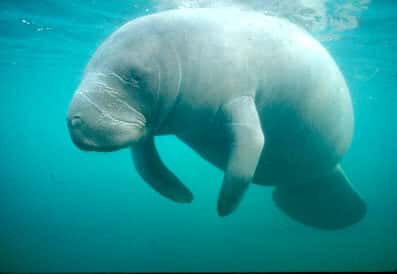
A federal appeals court on Thursday, Oct. 8, threw out a judgment that held the Florida Department of Environmental Protection responsible for harming manatees in the northern Indian River Lagoon, wiping away an injunction that had barred new septic tank permits in part of the lagoon's watershed since July 2025. A three-judge panel of the 11th U.S. Circuit Court of Appeals said the lower court had relied on a federal definition of "harm" under the Endangered Species Act that the U.S. Fish and Wildlife Service has since rescinded, and sent the case back to the trial judge to decide what the new rule means for the lawsuit.
The four-page unpublished opinion, issued per curiam by Circuit Judges Elizabeth Branch and Britt Grant and U.S. District Judge Melissa Damian of the Southern District of Florida, sitting by designation, does not decide whether Florida's wastewater permitting actually hurts manatees. It vacates the judgment and injunction and remands. For Brevard and southern Volusia counties, where homebuilders and septic installers have operated under the moratorium for more than a year, the ruling removes the legal basis for the permit freeze for now while the case returns to federal court in Orlando.
What the appeals court decided
The case is Bear Warriors United, Inc. v. Secretary, Florida Department of Environmental Protection, appeal numbers 25-11612 and 25-11821. Bear Warriors United, a Florida nonprofit, sued in 2022, alleging that the state's regulation of wastewater discharges, including septic systems and sewage treatment, damaged manatee habitat in the North Indian River Lagoon and ultimately harmed manatees in violation of the Endangered Species Act.
The Endangered Species Act makes it unlawful to "take" an endangered or threatened species, and the statute defines take to include harassing, harming, wounding or killing. For decades, a Fish and Wildlife Service regulation further defined "harm" to include "significant habitat modification or degradation" that actually kills or injures wildlife by impairing essential behavior such as breeding, feeding or sheltering. The panel noted that the district court relied on that definition when it found the state liable.
While the state's appeal was pending, the Fish and Wildlife Service published a final rule titled "Rescinding the Definition of 'Harm' Under the Endangered Species Act" in the Federal Register on July 14, 2026. "Accordingly, we vacate the judgment and injunction, and remand for the district court to evaluate what effect the new rule has on this case," the panel wrote. A footnote said both sides had agreed a remand would be necessary if a new rule were adopted.
The panel also dismissed the first of the state's two appeals, No. 25-11612, for lack of jurisdiction. The department had filed that notice of appeal before the district court entered the injunction, so the judgment was not yet final; the court's decision applies to the second appeal, No. 25-11821, which challenged both the judgment and the injunction.
What the trial judge had ordered
U.S. District Judge Carlos Mendoza of the Middle District of Florida ruled on April 11, 2025, that the state had violated the Endangered Species Act in the northern Indian River Lagoon, a stretch of the estuary mostly in Brevard County that extends into southern Volusia County. Bear Warriors United had argued that nutrient-laden discharges fed algae blooms that killed off seagrass, the manatees' primary food in the lagoon, leading to starvation deaths.
On May 19, 2025, Mendoza issued a permanent injunction that went well beyond a declaration of liability. It required the department to apply to the Fish and Wildlife Service for an incidental take permit, a federal authorization that requires a habitat conservation plan. While that application was pending, the department was barred from issuing permits to construct and install septic systems in a northern Indian River Lagoon watershed, a moratorium that took effect July 17, 2025, and was to last until an incidental take permit was issued. The order also called for manatee biomedical assessment and supplemental feeding programs in the area.
The state tried to halt the order quickly. In June 2025, a divided 11th Circuit panel refused to stay Mendoza's injunction, with the majority writing that it saw "no likely clear error" in the trial court's key finding. Judge Britt Grant dissented then and sat on the panel that issued Thursday's ruling. The appeals court later agreed to expedite the case.
The state's argument and the builders' stake
The Department of Environmental Protection argued on appeal that wildlife protection is constitutionally the job of the Florida Fish and Wildlife Conservation Commission, not the agency that permits septic tanks and wastewater plants. Legal groups filing friend-of-the-court briefs, including the Pacific Legal Foundation and the Property and Environment Research Center, pressed a broader argument: that the Endangered Species Act's take ban reaches intentional acts aimed at animals, not the indirect effects of a state's regulatory program, and that using it to dictate state permitting raised constitutional problems.
Homebuilders and the septic industry backed the department, saying the case had significant implications for home construction and the economy. In fast-growing Brevard County, where many neighborhoods along the lagoon still rely on septic tanks, the moratorium meant new lots in the affected watershed could not get septic permits unless they could connect to central sewer.
Why the lagoon and its manatees matter
The Indian River Lagoon, which runs about 156 miles along Florida's Atlantic coast, became the center of the state's worst manatee die-off on record. More than 1,100 manatees died in Florida waters in 2021, according to state wildlife officials, many of them starving in the lagoon after years of algae blooms wiped out seagrass beds. State and federal agencies took the unprecedented step that winter of feeding wild manatees lettuce at a Florida Power & Light plant near Cape Canaveral.
State and local governments have since paid for projects to convert homes from septic to sewer and upgrade treatment plants along the lagoon, including through Brevard County's voter-approved Save Our Indian River Lagoon sales tax. Bear Warriors United, which ran its campaign under the banner Stop the Starve, argued those efforts were not enough to stop the harm, and Mendoza agreed under the old federal definition.
The federal rule that changed the case
The Fish and Wildlife Service and the National Marine Fisheries Service jointly finalized the rule in July as part of the Trump administration's rollback of Endangered Species Act regulations. The agencies did not write a replacement definition. They said they would rely on the statute's text and would no longer treat habitat modification that only indirectly leads to the death or injury of animals as prohibited take. The agencies said the change applies going forward and does not undo existing permits or prior conservation agreements. The rule took effect in September, and legal commentators widely expect it to be challenged in court.
The Government Accountability Office treated the rescission as a major rule in an Aug. 4 report under the Congressional Review Act. For Florida, the change matters well beyond manatees: habitat-based "harm" findings have historically been one of the main ways the Endangered Species Act reached development, water management and pollution decisions affecting species such as the Florida panther, sea turtles and the Florida scrub-jay.
Reaction
Katrina Shadix, executive director of Bear Warriors United, welcomed the decision's limited scope, emphasizing that the court did not reject the group's underlying claims, according to a Florida Politics summary of the ruling.
What's next
The case returns to Mendoza in the Middle District of Florida's Orlando Division, docket 6:22-cv-02048, where he will have to decide whether Bear Warriors United can still prove an unlawful take without the rescinded regulatory definition of harm, for example by showing that the state's permitting directly kills or injures manatees under the statute's plain terms. That will likely require new briefing and could prompt the group to amend its claims. Any legal challenge to the federal harm rule itself could also affect the outcome. In the meantime, with the injunction vacated, the court-ordered septic moratorium and incidental take permit requirement no longer have force, though the appeals court's mandate formally issues only after the period for rehearing requests runs, and either side could ask the full 11th Circuit to rehear the case.
Spotted an issue with this article?
Have something to say about this story?
Write us a letterComments
No comments yet. Be the first to weigh in.
Related Coverage

Isaias Shuts Pensacola and Okaloosa Airports as Airlines Waive Fees and Tolls Lift on Panhandle Bridges
29m ago

Ex-CIA official pleads guilty in $194 million fraud, will forfeit $102 million in Palm Beach and Hobe Sound real estate
1h ago

Trump ties disaster aid to midterm campaign as Hurricane Isaias nears Florida Panhandle
20h ago
Trump Backs Camp David-Style Presidential Retreat at His West Palm Beach Golf Club on County Land
20h ago