Florida's SNAP error rate keeps climbing, and the state's $1 billion federal bill now hinges on it
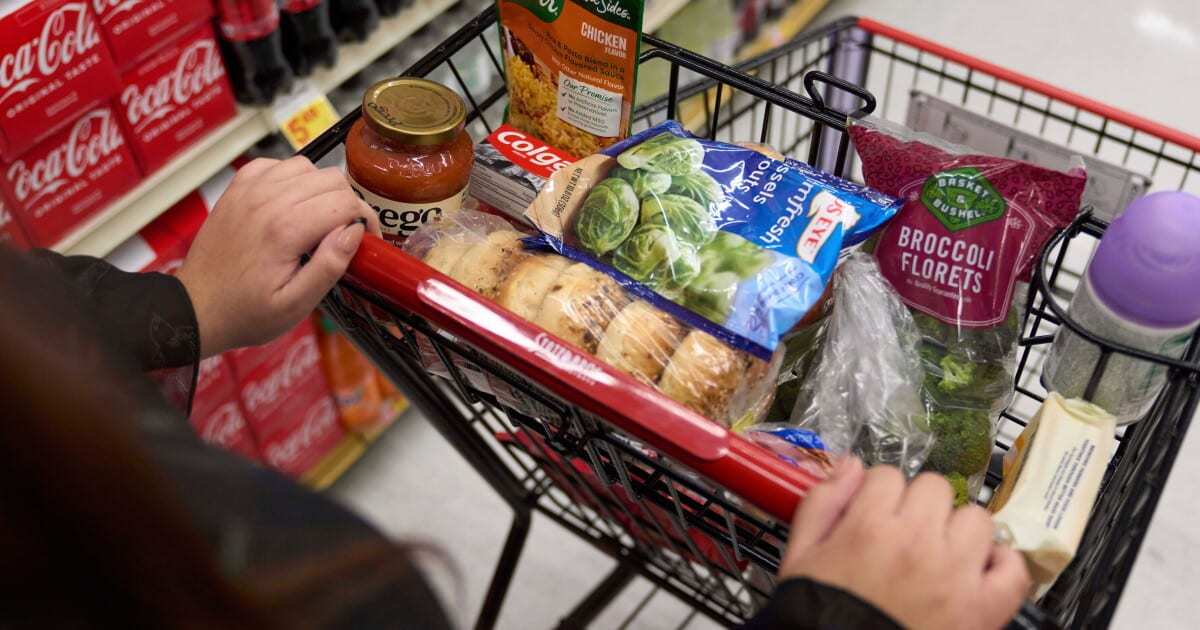
Florida's rate of mistakes in handing out federal food assistance is going up, not down, despite a push by the Legislature this year to bring it under control. Monthly reports from the Florida Department of Children and Families put the state's unofficial Supplemental Nutrition Assistance Program payment error rate at 14.61% for federal fiscal year 2026 through May, up from 14.49% through March and 14.52% through April, according to figures reported by the Florida Phoenix and WLRN.
The number matters far more than it used to. Under the 2025 federal budget law, states with high error rates will soon have to pay part of the cost of SNAP benefits themselves, a bill that could reach about $1 billion a year for Florida. The same law also contains a delay for states with the very highest rates, which means Florida's rising error rate could postpone that bill by two years.
What the numbers show
A payment error rate measures how accurately a state decides who qualifies for SNAP and how much each household should receive. It counts both overpayments and underpayments, and it measures unintentional mistakes, not fraud. The U.S. Department of Agriculture publishes official state rates once a year; DCF now reports a running, unofficial figure every month as required by state lawmakers.
The table below shows Florida's official and unofficial rates in the reports released so far.
| Period | Florida error rate | Status |
|---|---|---|
| FFY 2024 | About 15% | Official, USDA |
| FFY 2025 | 12.97% | Official, USDA, released June 24 |
| FFY 2026 through March | 14.49% | Unofficial, DCF report dated Sept. 1 |
| FFY 2026 through April | 14.52% | Unofficial, DCF October report |
| FFY 2026 through May | 14.61% | Unofficial, DCF November report |
The USDA set the national rate for fiscal 2025 at 10.62% and said it represented $10.1 billion in improper payments nationwide. Florida's rate was well above that average. DCF's September report also showed sharp regional differences inside the state, with unofficial rates of 19.3% in Northeast Florida, 18.81% in the southern region and 16.47% in Southeast Florida, according to WLRN.
Why the rate now carries a price tag
Until now, the federal government has paid the full cost of SNAP benefits. The One Big Beautiful Bill Act, the budget law Congress passed in 2025, changed that. In announcing the fiscal 2025 rates, the USDA said states at or above a 6% error rate will be responsible for covering 5%, 10% or 15% of their benefit costs, with the share rising with the error rate, in most cases as soon as Oct. 1, 2027. The 2025 rate is the first year that can be used to set those shares.
- Below 6%: no state share of benefit costs
- 6% to under 8%: 5% of benefit costs
- 8% to under 10%: 10% of benefit costs
- 10% or higher: 15% of benefit costs
At 12.97%, Florida lands in the top tier. Based on the state's recent benefit spending, that works out to roughly $984 million a year, WUSF reported in June. States at or above 6% must also file corrective action plans with the USDA explaining how they will fix the root causes of their errors.
Agriculture Secretary Brooke Rollins framed the release in June as a matter of state accountability. "These payment error rates are further proof that state accountability is severely lacking in SNAP," she said in the USDA announcement.
The delay that a higher rate could buy
The law includes an unusual escape hatch. States whose error rate is at least about 13.33% can delay the start of the benefit cost share, and a state may use either its fiscal 2025 or fiscal 2026 rate to qualify. Florida's official 2025 rate of 12.97% fell just short of that line.
Its 2026 rate, so far, does not. The state's Long-Term Financial Outlook, prepared by state economists, says that if Florida's final fiscal 2026 rate is at least 13.33%, the cost-sharing requirement would be delayed until federal fiscal year 2030. The unofficial rates through May are above that mark, but the official 2026 rate will not be final until the USDA releases it next June.
Two other developments could change the picture. In September, U.S. District Judge Mustafa Kasubhai vacated the USDA's deadline for a 120-day grace period that was meant to keep errors from the 2025 law's SNAP changes from counting against states, ordering the agency to give states 120 days after an implementation memo. The ruling did not undo cost sharing. The USDA has since issued guidance letting states recalculate their error rates, which could lower what some states owe.
Sky Beard, Florida director of the No Kid Hungry campaign, said the state's exposure will stay on the agenda in Tallahassee. "If we do not qualify for the delayed implementation, it is a this-coming session, this-coming budget, issue," she told the Florida Phoenix.
What Florida has done so far
During the 2026 session, the Legislature gave DCF $4 million to hire a vendor that would use artificial intelligence to find errors and fraud, and it required the monthly error-rate reports. The vendor was to provide large-scale analysis of eligibility determinations using machine learning, identify and correct erroneous decisions and their root causes, and recommend operational fixes. DCF was directed to hire the vendor by Sept. 1. Its October report says the department signed a deal with Executive Information Solutions on Sept. 11. DCF did not answer the Phoenix's questions about the contract.
Gov.-elect Byron Donalds has said the state is working to remove waste and fraud from the program, as federal law requires, while making sure people who need help get it quickly.
Fewer Floridians on SNAP
The error rate is climbing even as the number of people receiving help falls sharply. In July 2026, 2,219,639 Floridians received SNAP benefits, down nearly 6% from June and about 22% from 2,849,239 in July 2025, according to DCF data reported by WLRN. The number of households receiving benefits fell to 1,256,484, also down about 22% from a year earlier. The reports do not explain the decline.
The program is changing on other fronts as well. The Florida Press has separately covered the USDA's move to curb broad-based categorical eligibility and the lawsuit over Florida's waiver barring SNAP purchases of soda and candy.
The administrative bill comes first
Before any benefit cost share arrives, Florida is already paying more to run the program. The 2025 federal law raised states' share of SNAP administrative costs to 75%, which WLRN reported will cost Florida about $50 million more a year. Lawmakers budgeted $38 million for the current fiscal year, and DCF has asked for another $12.6 million for 2027-28.
Unlike the benefit cost share, that increase does not depend on the error rate. It falls on every state.
What's next
DCF's monthly reports will keep tracking the 2026 rate through the end of the federal fiscal year, which closed Sept. 30. The USDA is expected to publish official fiscal 2026 rates in June 2027, and that number will decide whether Florida's share of benefit costs starts on Oct. 1, 2027, or is pushed to fiscal 2030.
In the meantime, the Legislature will write a 2027-28 budget during the 2027 legislative session, with DCF's request for more administrative money already on the table and a possible billion-dollar obligation hanging over the next year's spending plan if the delay does not materialize.
Spotted an issue with this article?
Have something to say about this story?
Write us a letterComments
No comments yet. Be the first to weigh in.
Related Coverage

DeSantis appoints 17 judges to Florida circuit and county courts weeks before leaving office
1d ago

DeSantis Says Voters 'Expect' an Amendment 3 Special Session as Deltona Cancels, Then Restores, Its Holiday Parade
2d ago
Lee County Commissioners Reject Plan to Let Private Landowners Propose Land Development Code Changes
2d ago

David Jolly Says He Is 'Building to Run Again' for Florida Governor in 2030 After Narrow Loss to Byron Donalds
3d ago