Former Melbourne Man Jonathan Rinderknecht Found Guilty of Starting Deadly Palisades Fire at Retrial
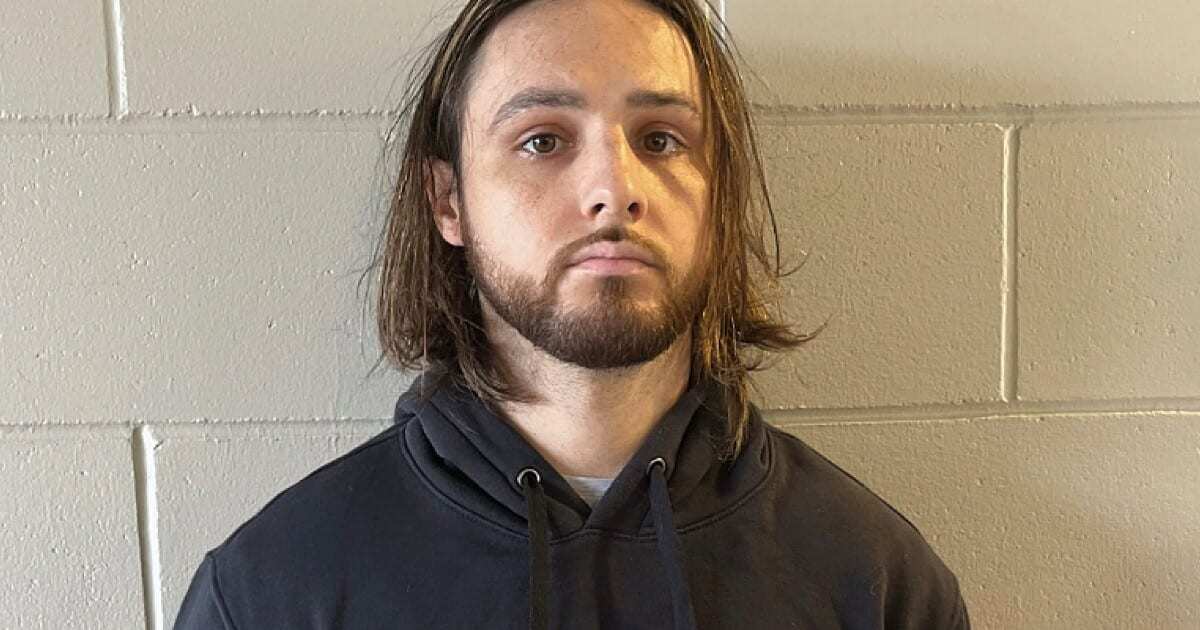
A federal jury in Los Angeles on Friday found Jonathan Rinderknecht, a 30-year-old former Melbourne, Florida, resident, guilty of starting the fire that grew into the January 2025 Palisades Fire, one of the most destructive wildfires in Los Angeles history, which killed 12 people. The verdict came at a retrial, months after his first trial ended with a jury deadlocked 10 to 2 in favor of acquittal.
Rinderknecht was convicted on both counts he faced at the retrial, destruction of property by means of fire and arson of property used in interstate commerce. Each count carries a mandatory minimum of five years and a maximum of 20 years in federal prison, meaning he faces 5 to 40 years. U.S. District Judge Anne Hwang set sentencing for March 17, 2027, according to the U.S. Attorney's Office for the Central District of California.
The Florida connection
Rinderknecht had lived in Pacific Palisades and was working as an Uber driver in the Los Angeles area on the night prosecutors say he started the fire. By the time federal agents arrested him in October 2025, he was living in Melbourne, in Brevard County. Federal prosecutors in Los Angeles described him as a Florida man when they announced the arrest.
Rinderknecht, who is originally from Indiana, was arrested on Oct. 7, 2025, near his home in Melbourne, FOX 35 Orlando reported, after authorities said he relocated to Florida following the fire. He appeared in federal court in Orlando the next afternoon, Oct. 8, and acknowledged that he understood the charge against him, according to a FOX 35 reporter in the courtroom. He was later transferred to California to face trial.
At the time, the federal complaint charged him with a single count of destruction of property by means of fire, and officials said a grand jury would consider more charges. ATF investigators said the initial fire was "intentionally set" near a viewpoint along the Temescal Ridge Trail, and officials said he had made "false statements" to investigators, FOX 35 reported. A grand jury later indicted him on three counts, including timber set afire, which together carried up to 45 years in prison.
Prosecutors also pointed to an image he allegedly generated with ChatGPT in July 2024 depicting a burning forest with a crowd fleeing the flames, Axios reported at the time of his arrest.
From the Lachman Fire to the Palisades Fire
Prosecutors said Rinderknecht maliciously started a small blaze, known as the Lachman Fire, near Pacific Palisades around midnight on Jan. 1, 2025. Firefighters knocked it down, but investigators concluded it was a "holdover" fire that kept smoldering and flared up again on Jan. 7, 2025, becoming the Palisades Fire.
That fire burned more than 23,000 acres and destroyed more than 6,800 structures, according to Cal Fire figures cited by CBS Los Angeles, and 12 people died.
How prosecutors made their case
At the retrial, prosecutors relied on several lines of evidence, according to WPTV's account of the trial:
- Photos of Rinderknecht's car at the base of the trail leading to the fire's origin, and cellphone tower data placing him on the hill
- Images from fire detection cameras showing the window when the fire ignited
- Expert testimony ruling out other ignition sources, including fireworks
- Testimony from Uber passengers and texts to his girlfriend that prosecutors said showed he was erratic and angry beforehand
"He was mad at everything, and frustrated," prosecutor Mark Williams told jurors. Prosecutors also pointed to a question Rinderknecht asked ChatGPT while he was calling 911: "Are you at fault if a fire is lit because of your cigarettes?" They argued the question was part of an effort to build an alibi.
The defense
Rinderknecht's lawyers argued that the fire scene could have been compromised because the area remained publicly accessible until Jan. 7, and that gaps in cell data meant the government could not rule out others at the ignition point, including a group of teenagers a neighbor reported seeing. They also suggested fireworks could have caused the fire, noting that several witnesses heard a loud bang from the hill.
A retired U.S. Forest Service fire investigator testified for the defense that the fire started in a different area. Defense attorney Steve Haney urged jurors to disregard testimony about his client's character, calling it "evidence of the man, not evidence of the act."
Why the second jury convicted
The first trial, held over two weeks in June, ended in a mistrial when jurors told Judge Hwang they could not reach a unanimous decision. For the retrial, prosecutors obtained a new indictment that dropped a third charge, timber set afire, and narrowed the case to the two counts.
The second jury reached its verdict on its third day of deliberations. One juror, identified by WPTV only as Juror No. 3, Cameron, said he was initially the only juror who believed Rinderknecht was not guilty. "It took a lot for me to be convinced otherwise," he said. He told the station that Rinderknecht's own testimony was the strongest evidence for a guilty verdict.
Reaction
First Assistant U.S. Attorney Bill Essayli said, "We're happy with this jury. They did the right thing," CBS Los Angeles reported, adding that the jury "held him accountable for the entire thing."
Haney said the defense was disappointed in the verdict but respected the jury process and would review options for an appeal "at the right time." Rinderknecht's father, Joel, has called much of the prosecution's case a "false narrative," according to CBS Los Angeles.
Why it matters for Florida
The case drew national attention to Brevard County when federal agents arrested Rinderknecht there, and his case passed through the federal courthouse in Orlando before moving to Los Angeles. For Floridians, it is also a reminder that arson investigators can trace a fire back to a single ignition point days after it appears to be out.
The verdict closes the question of criminal responsibility for the Palisades Fire's origin, though Rinderknecht can still appeal.
What's next
Rinderknecht, who was ordered held after his first trial, now awaits sentencing on March 17, 2027, before Judge Hwang in Los Angeles. The judge will apply federal sentencing guidelines in deciding where in the 5-to-40-year range his sentence falls.
His lawyers can file post-trial motions before sentencing and an appeal to the U.S. Court of Appeals for the Ninth Circuit after judgment is entered.
Spotted an issue with this article?
Have something to say about this story?
Write us a letterComments
No comments yet. Be the first to weigh in.
Related Coverage
FBI Investigating Apparent Hack of National Crime Database Florida Police Rely On Every Day
32m ago
Democrats Clinch Biggest House Majority Since 1992 as Florida's Delegation Holds at 20-8 and Gilbert, Dandiya Head to Washington
1h ago
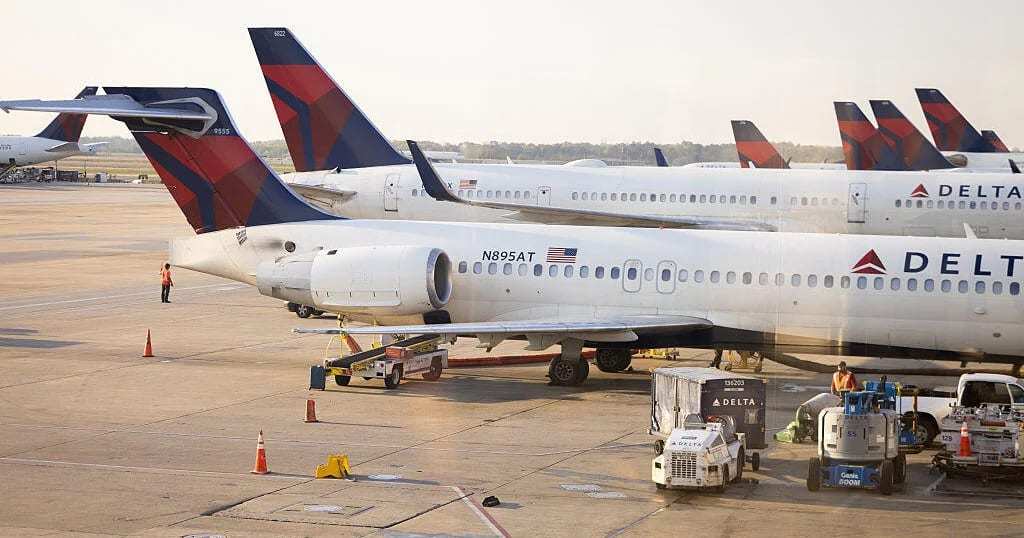
Delta System Outage Delays Flights Nationwide, Snarling Miami and Fort Lauderdale Travel as Thanksgiving Rush Begins
2h ago
Appeals Court Strikes Down Pregnant Workers Fairness Act in 9-8 Ruling. Florida Workers Keep the Protection for Now
5h ago