FPL Doubles Saving Steps to $30 Million, Opening $200 Bill Credits to More Struggling Florida Households
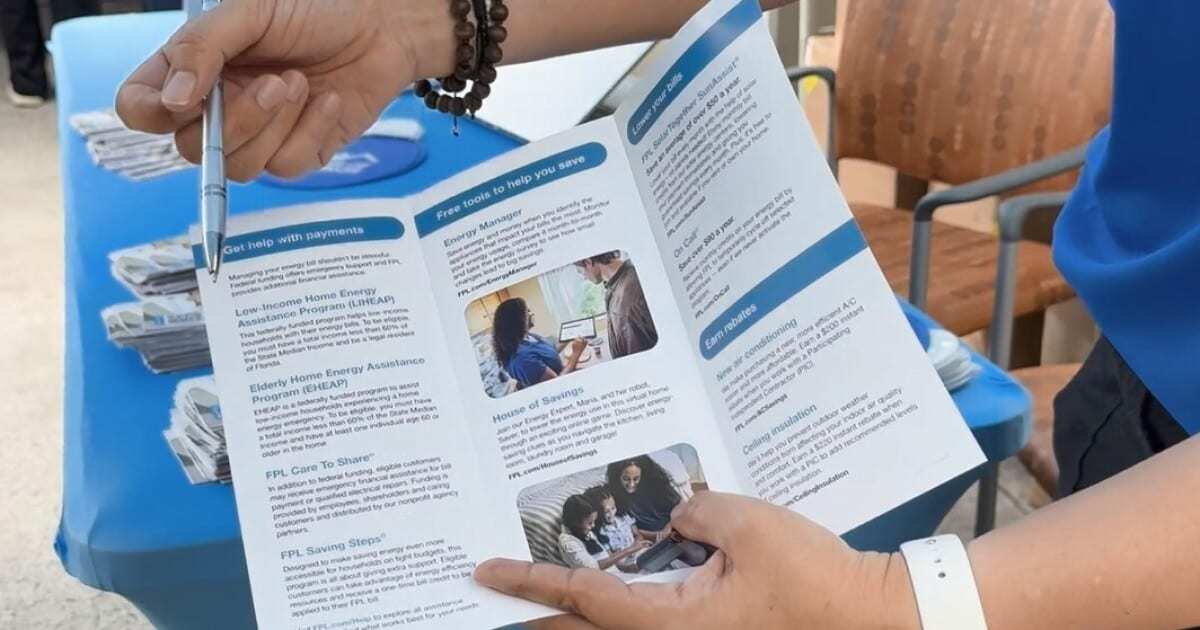
Florida Power & Light is doubling the money behind its Saving Steps program from $15 million to $30 million, expanding the number of customers who can receive a one-time $200 bill credit. The utility announced the change on Nov. 11, less than two months before a proposed Hurricane Isaias storm surcharge would start appearing on bills if regulators approve it.
Saving Steps pairs the credit with a short energy-saving course and is aimed at households that earn too much to qualify for government help but still struggle with basic costs. With $200 per credit, the added $15 million would cover up to roughly 75,000 more credits, though FPL did not say how many households it expects to reach or how much of the fund goes to administration.
What FPL announced
FPL, a subsidiary of Juno Beach-based NextEra Energy, said the expansion is meant to reach more households with immediate relief and practical ways to cut energy use over time. "We understand that every dollar matters," Dawn Nichols, FPL's vice president of customer service, said in the release.
The company said it has already issued automatic Saving Steps credits to two groups: seniors who received help through the state's Emergency Home Energy Assistance for the Elderly Program, and qualifying customers after Hurricane Isaias. The added funding lets it extend credits to more eligible households beyond those groups.
The FPL release does not say whether the $30 million comes from shareholders or is recovered from customers through rates.
Who qualifies
Eligibility is tied to the United Way's ALICE measure, short for Asset Limited, Income Constrained, Employed. It describes households that earn above the federal poverty line but below what it costs to live in their county. FPL said that includes many seniors and working families, such as teachers and first responders, who may not typically qualify for assistance.
According to the program's page on FPL.com, a customer must:
- Be a residential customer living in FPL's service area with an active account.
- Have household income at or below the ALICE threshold for their county, which can be checked with the United Way's online ALICE calculator.
- Have no history of fraud on the account, such as meter tampering.
- Not have received the credit before; it is limited to once per account or service address.
How to apply and how long it takes
There are two paths. Customers who received the federal Low Income Home Energy Assistance Program, the elderly assistance program or FPL's Care To Share help in the past 12 months can skip income verification, watch the program's short video series, answer a few questions and submit an application. FPL says those customers should get confirmation within 60 days once the credit is applied.
Everyone else must also verify income through The Salvation Army, FPL's agency partner, using the same email and ZIP code they used in the video walkthrough. FPL says most verifications are processed within 30 days, and the full process can take up to 90 days before the $200 appears on the account. The credit is applied to a bill and is not paid in cash.
Funding has been a limit. The program page warns that some applicants may see a message that applications are no longer being accepted in their area, and that funding may become available again later. Doubling the budget is meant to ease that bottleneck.
Capt. Andrea Israel, acting Florida divisional secretary for program at The Salvation Army, said many people may not realize they qualify. "The bill credit can provide relief, while the energy-saving guidance can help families feel more confident and in control in the months ahead," she said in FPL's release.
How the program got here
Saving Steps is part of the online FPL Assistance Center, which the utility launched in late summer as a single place for bill-support options, energy programs and links to community resources for food, housing and other needs. In September, FPL said it was issuing the $200 credits to seniors who had received elderly energy assistance within the previous 24 months.
FPL is pointing customers to other programs at the same time. Customers in FPL On Call, which lets the utility briefly pause certain appliances during peak demand, can save more than $90 a year, the company says. The free Energy Manager tool gives household-specific recommendations, and the Community Energy Saver program offers free efficiency upgrades to qualifying homes.
The Isaias surcharge in the background
The expansion lands as FPL seeks to recover the cost of Hurricane Isaias, which knocked out power to about 435,000 customers, roughly 84% of its Northwest Florida customers, according to WEAR-TV. FPL has asked the Florida Public Service Commission for a temporary surcharge of $3.48 a month for residential customers throughout 2027 to recover restoration costs and partly rebuild its storm reserve. FPL has also proposed a monthly fuel credit of about $3 because natural gas costs came in lower than expected, which would leave a net increase of about 48 cents a month, WEAR reported. The Florida Press covered the 2027 rate picture, including the Isaias surcharge, on Nov. 9.
FPL says it mobilized about 17,000 workers after Isaias, and the surcharge still needs the commission's approval. Some Panhandle customers have told WEAR that even a few extra dollars strain their budgets. FPL spokesperson Sarah Gatewood responded by pointing to assistance: "If you are struggling to pay your bill now or in the future, please reach out to us," she told the station.
FPL says its typical 1,000-kilowatt-hour residential bill is about 37% below the average utility bill. The utility serves more than 6 million customer accounts, about 12 million people.
What's next
Customers can check eligibility and apply through FPL.com/Assistance. Because the money is limited by region, eligible households that saw the "no longer accepting applications" notice earlier this year may want to try again now that funding has doubled. Customers facing a disconnection notice or needing more time to pay can also find payment extensions, Budget Billing and emergency assistance options through the same Assistance Center.
Spotted an issue with this article?
Have something to say about this story?
Write us a letterComments
No comments yet. Be the first to weigh in.
Related Coverage

Florida Will Pay to Rebrand President Donald J. Trump International Airport as Palm Beach County Accepts a State Grant of More Than $6 Million
3h ago

Miami Seaquarium Redevelopment Stalls as County Committee Defers Terra's 99-Year Lease With Dec. 30 Deadline Looming
1d ago

Hillsborough Approves $90 Million, Up to $263 Million in Tourist Tax Bonds for Rays Stadium in Outgoing Board's Final Meeting
1d ago
Auburndale Data Center That Could Draw 700 Megawatts Packs a City Workshop as Hillsborough Puts Off Its Moratorium Vote
1d ago