Heat and Magic Open 2026-27 With Media Day Monday and Camp Tuesday
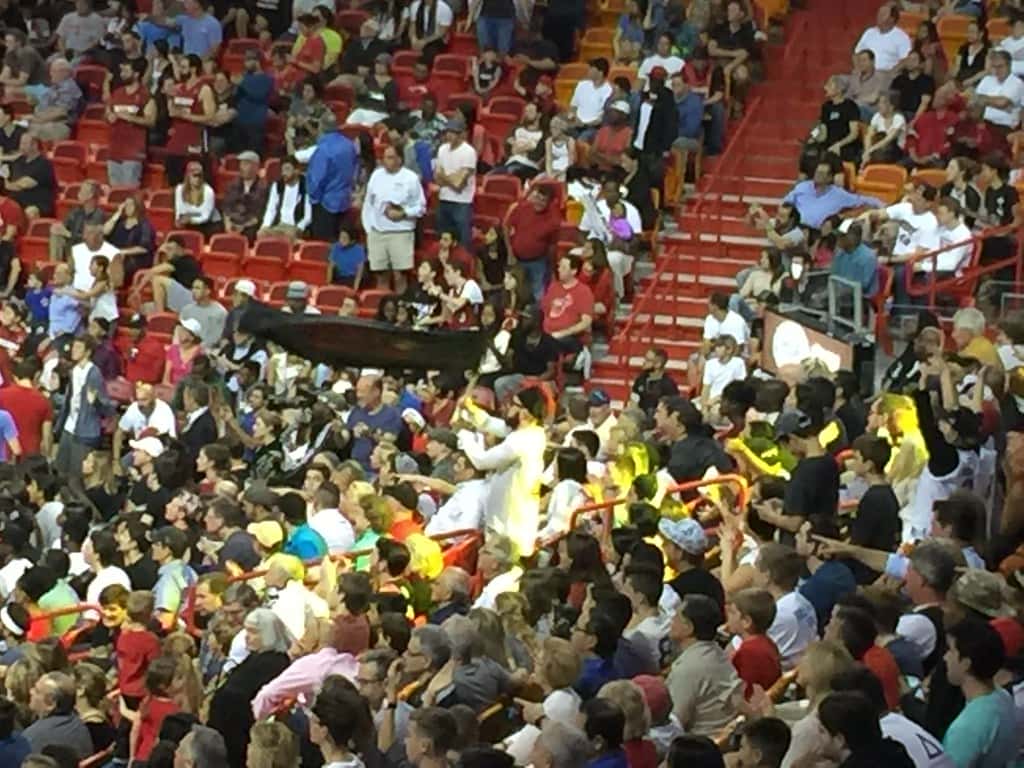
Florida's two NBA franchises open the 2026-27 season next week, with the Miami Heat and Orlando Magic both gathering for media day Monday, September 28, before training camps begin the following day across the league.
The Magic's media day is scheduled for 11 a.m. Eastern Monday at the AdventHealth Training Center in Orlando. Training camp begins Tuesday, September 29 at the same facility at 10 a.m., with media availability following at approximately 11:45 a.m.
The Heat will hold their media day Monday in their local market as well, with the specific time to be announced. Across the league, veterans report September 28 and training camps open September 29.
Media day is a scheduling formality that functions as the season's opening bell. It is the first time a full roster appears together publicly, the first opportunity for coaches to frame expectations, and the point at which the offseason narrative gives way to the actual team.
What media day actually is
The format is standardized across the league. Players rotate through photography sessions for broadcast and marketing use, then move through interview stations where local and national media conduct availability sessions.
The substance comes from what players and coaches say about roles, health and expectations. Injury updates delivered on media day set the frame for the entire preseason, and role clarity or its absence is usually detectable in how carefully a coach answers questions about the rotation.
For front offices, media day is also the deadline by which offseason business generally needs to be resolved. Contract situations, trade discussions and roster questions that remain open when a team convenes for camp become locker room questions rather than front office ones.
The event has grown into a substantial content production for teams, with social media material, season ticket marketing and broadcast promotional work all packed into a single day.
Where the Heat sit
Miami enters camp with an organizational identity built over more than two decades under the same basketball leadership, characterized by conditioning standards, player development and a willingness to find contributors outside the draft's first round.
The Heat's development track record is the franchise's most distinctive asset. Miami has repeatedly converted undrafted players and second-round selections into rotation contributors, which changes the math of roster construction in a salary cap league.
Kaseya Center in downtown Miami is the team's home, and the franchise's place in the South Florida market is anchored by its championship history and by a fan base that has grown alongside the city itself.
Camp questions for any NBA team in late September center on health coming out of the offseason, on how new additions fit into existing systems, and on which young players have made enough progress to earn rotation minutes.
Where the Magic sit
Orlando's franchise has spent recent seasons building around a young core, a strategy that produces a different set of camp questions than a veteran roster faces. Development teams need internal improvement more than they need external additions.
The AdventHealth Training Center, where camp opens, is a practice facility the organization built to support that development model, with the sports science and training infrastructure that modern player development requires.
Kia Center in downtown Orlando hosts the team's home games, and the Magic occupy a distinctive position in a market otherwise dominated by tourism and college sports, serving as Central Florida's only major professional franchise in one of the four traditional leagues.
Orlando's basketball history includes two NBA Finals appearances and a franchise identity shaped by star players whose departures reshaped the organization. The current approach has emphasized continuity over star acquisition.
The NBA calendar ahead
Training camps open September 29 across the league, followed by preseason games in early and mid-October before the regular season begins. The preseason serves the same function it does in other leagues: conditioning, evaluation and system installation.
Roster decisions follow. NBA teams carry 15 standard contracts plus two-way players, and camp invitees competing for the final spots get their evaluation in preseason games where established players' minutes are limited.
The regular season runs into April, followed by the play-in tournament and the playoffs. The league's in-season tournament has added a mid-season structure that gives November and December games additional stakes.
For Florida's two franchises, the schedule includes meetings with each other that carry a modest in-state rivalry element, though the two clubs sit in different divisions and the rivalry has never approached the intensity of the state's NHL matchup.
What camp is for
Conditioning is the first order of business. NBA offseasons are long, and while players train individually throughout, the specific conditioning required for an 82-game season is built in camp and in preseason games.
System installation follows. Offensive and defensive schemes require repetition, and teams with roster turnover need more of it than teams with continuity. New players learning terminology and spacing concepts is the unglamorous core of what camp produces.
Role definition is the most consequential output. Teams that arrive at opening night with clarity about who plays and in what capacity generally start better than teams still sorting it out in November.
Injury management runs through all of it. Camp is where soft tissue injuries surface, and how a team handles the transition from offseason training to full-contact practice affects availability for months afterward.
The Florida basketball market
Florida supports two NBA franchises in markets roughly 230 miles apart, serving very different populations. Miami's market is international, dense and heavily influenced by Latin American and Caribbean communities. Orlando's is a fast-growing metropolitan area with a substantial tourism economy.
Both franchises compete for attention with an unusually crowded state sports calendar. The Dolphins, Buccaneers and Jaguars occupy the fall, the Panthers and Lightning run October through spring, and college football dominates Saturdays across the state.
Tourism creates a dynamic both teams manage. Visiting fans make up a meaningful share of attendance at Florida sporting events, particularly for popular opponents, which affects home-court advantage in ways teams in less-visited markets do not experience.
Youth basketball in Florida has grown substantially, and the state now produces significant Division I and NBA talent, a pipeline that did not exist at the same scale a generation ago.
What to listen for Monday
Injury status is the most concrete information media day produces. Players working back from offseason procedures will be asked about timelines, and the answers generally set expectations for the first weeks of the season.
Coaches' descriptions of rotation plans are worth attention, though they should be discounted. Every coach describes competition as open in September, and the actual rotation emerges over preseason and the first weeks of the regular season.
Contract situations that remain unresolved surface in these sessions. Extension-eligible players and those in the final years of deals will be asked, and how they answer reveals something about where negotiations stand.
The framing that coaches and front office executives use about the season's goals is the most durable signal. Organizations describing development versus organizations describing contention are telling you how they will make decisions in February.
Beyond the two NBA clubs
Basketball's return joins hockey, football and soccer in a Florida sports calendar operating at full capacity. The Panthers and Lightning meet twice this week in preseason play, and the state's college football programs are in the heart of their season.
Florida's professional sports economy has grown into one of the largest in the country by franchise count, and the associated employment, venue operations and event tourism represent a meaningful piece of the state's service economy.
Arena operations in Miami and Orlando extend well beyond basketball, with concerts and events filling the calendar around the NBA schedule and making both buildings significant year-round economic contributors to their downtowns.
For fans, the convergence means the state's sports viewing options run at maximum density from late September through the spring, with overlapping seasons across five leagues.
The business side of an NBA season opening
Media day marks the start of the revenue calendar as much as the competitive one. Season ticket campaigns, corporate partnership activations and local broadcast arrangements all key off the season's opening, and the content produced Monday feeds marketing through the fall.
Regional sports broadcasting has been in upheaval across the league, with the collapse and restructuring of regional sports networks forcing franchises to rethink how local games reach viewers. Several clubs have moved toward over-the-air broadcast or direct streaming.
Arena revenue extends well beyond basketball. Kaseya Center and Kia Center both host concerts, family shows and other events throughout the year, and those bookings represent a substantial share of building economics.
Ticket pricing in both markets reflects the tourism factor. Games against marquee visiting opponents command premium pricing driven partly by visiting fans, which is a revenue characteristic Florida franchises share with a small number of other destination markets.
Injury management across an 82-game season
Load management has become a defining feature of NBA roster operations, with teams limiting minutes and resting players during the regular season to preserve availability for the playoffs.
The league has pushed back, adopting rules that penalize teams for resting healthy star players in nationally televised games and tying individual award eligibility to a minimum games-played threshold.
Sports science staffs now occupy a central role in these decisions, monitoring workload through tracking data and making recommendations that coaches weigh against competitive considerations.
For Florida's two franchises, the schedule's travel burden is a factor. Both clubs sit in the Eastern Conference but at the geographic extreme of it, which means longer average trips than teams in the conference's northern cluster.
What's next
Media day Monday is followed by the first practice Tuesday, and preseason games begin in early October. Both Florida clubs will release their preseason schedules and roster moves through that window.
Final roster decisions arrive shortly before opening night, when teams must comply with roster limits and salary cap requirements. Camp invitees hoping for a standard contract learn their outcome in that window.
The regular season opens in October and runs through April, with the play-in tournament and playoffs following. For both Florida franchises, the measure of the season will be set against the expectations articulated on Monday.
Fans can find media day coverage and camp updates through both organizations, and the Magic have published their camp schedule including public media availability times at the AdventHealth Training Center.
Spotted an issue with this article?
Have something to say about this story?
Write a letter to the editor