JTA shuts down Jacksonville Skyway early over staffing issues, with no date to reopen
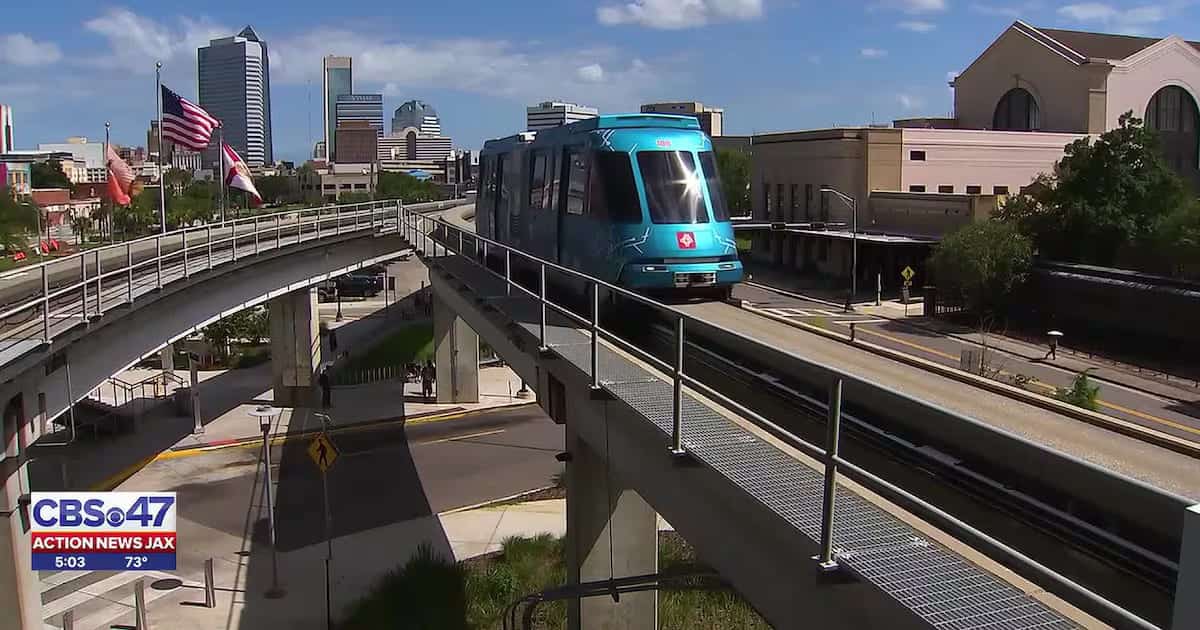
The Jacksonville Transportation Authority shut down the downtown Skyway on Friday morning, Oct. 30, hours ahead of a planned pause, citing staffing issues, and has not announced when or whether the 37-year-old elevated people mover will carry passengers again. The early closure brings a quiet end, for now, to one of Jacksonville's most debated pieces of public infrastructure as the agency cuts costs to close a $39 million budget gap.
What happened Friday
The Skyway had been scheduled to stop running Friday evening ahead of broader JTA service changes that take effect Monday, Nov. 2, Action News Jax reported. Instead, service ended Friday morning.
"As part of the service changes beginning Nov. 2, Skyway operations were scheduled to pause Friday evening," JTA said in a statement to Action News Jax. "Due to staffing issues, service ended Friday morning, ahead of the planned pause."
At the LaVilla Skyway platform, the entrance was fenced off with a notice telling riders that service would pause starting Nov. 2, according to the station. Users of the JTA mobile app received a notification citing unexpected operational circumstances for the early closure.
Some riders who came for a last trip were turned away. Alan Ruiter told Action News Jax he had brought his daughter, who had never ridden the Skyway, to take a ride before it closed. "Didn't know they were closing it early today," he said.
JTA has not announced a date for Skyway service to resume.
Why JTA is pausing the Skyway
The shutdown is part of a sweeping austerity plan JTA announced Sept. 17. Interim CEO Cleveland Ferguson said the agency would lay off as many as 194 employees and reduce service as it works to close a $39 million gap in its budget, according to Action News Jax and The Florida Times-Union.
JTA's operating budget fell from $178 million in the last fiscal year to $139 million for the fiscal year that began Oct. 1, the Times-Union reported. The agency relies on sales tax revenue for more than half of its operating costs, and that revenue rose from $60 million in 2020 to a peak of about $111 million in 2023 before falling to a projected $80 million for the current year, according to figures presented at an April board workshop.
Ferguson said suspending the Skyway would save about $10 million during the fiscal year. The Times-Union reported the Skyway had repeatedly been down to a single operating train for days at a time this year because its vehicles are near the end of their useful life.
"Cutting is never a long-term solution. We have to structurally change the way in which we budget," Ferguson told Action News Jax in September.
Other JTA service changes
The Skyway is not the only service affected. The following timeline shows the major changes JTA has announced, according to Action News Jax and the Times-Union:
| Date | Change |
|---|---|
| Oct. 1, 2026 | St. Johns River Ferry hours reduced |
| Oct. 30, 2026 | Skyway closes early over staffing |
| Nov. 2, 2026 | Weekday bus routes move to Saturday service levels |
| Jan. 1, 2027 | NAVI autonomous shuttles pause indefinitely |
Starting Nov. 2, weekday buses will run on current Saturday service levels, meaning they will start later in the morning and stop earlier at night. JTA said it will preserve frequency on its highest-ridership routes. The Connexion and Connexion Plus services for people with disabilities will not be affected beyond changes already in place.
The Neighborhood Autonomous Vehicle Innovation shuttles, known as NAVI, will pause starting Jan. 1. JTA spent $65 million in local, state and federal funding to build a command center and launch NAVI on a Bay Street loop in June 2025, which the Times-Union reported made Jacksonville the first city to use autonomous shuttles in a regular fare-paying transit system. Ferguson said the pause is tied to the expiration of the software used to run the vehicles in self-driving mode and will save about $487,000 a month.
A long and contested history
The Skyway opened on May 30, 1989, as a 0.7-mile starter line along Bay Street, part of a federal downtown people mover program that also produced Miami's Metromover and Detroit's People Mover. JTA later replaced its original vehicles with Bombardier monorail equipment, reopening an extended system in December 1997, and completed the 2.5-mile, eight-station system with Southbank stations in 2000.
Ridership never approached early projections. JTA originally expected about 100,000 riders a month, and the system averaged less than a third of that by 2009. Critics called it a "ride to nowhere." The system became free to ride in 2012, and ridership rose. In 2025, it carried about 253,200 riders.
Of the 10 vehicles in service when the system reopened in 1997, only two remained in operating condition as of February 2026, and JTA has considered the system obsolete for years.
The U2C plan and the Skyway's future
In 2016, JTA staff recommended replacing the monorail with autonomous vehicles that could run both on the existing elevated guideway and at street level, a project called the Ultimate Urban Circulator, or U2C. A 2021 agreement with the city allows JTA to use up to $247 million in local gas tax money to convert the Skyway, according to reporting by the Jacksonville Daily Record and the Times-Union.
The plan's direction has shifted as costs and finances changed. This year JTA has been studying alternatives for the elevated structure, including rehabilitating the existing system, buying new automated people movers, converting the guideway for autonomous vehicles, removing it, or turning it into an elevated walking and biking trail. In September, the Daily Record reported JTA estimates for reuse options ranging from $151.95 million to $565.44 million.
Ferguson said in September that the study would select a preferred alternative and make it eligible for federal grants. JTA has historically been reluctant to shut the Skyway down for fear it could have to repay federal grants used to build the system in the 1980s, the Daily Record has reported, and some options that move away from transit use could raise that issue.
What it means for downtown Jacksonville
For riders, the practical effect is that downtown trips between LaVilla, the Northbank core, Hogan Street and the Southbank now depend on buses, walking or other options. The Skyway ran on weekdays and served the Jacksonville Regional Transportation Center at LaVilla, the main hub for JTA's bus system.
For the city, the closure sharpens a decision that has been put off for a decade: what to do with miles of elevated concrete guideway running through the heart of downtown as Jacksonville pushes ahead with riverfront development and the planned Emerald Trail.
What's next
JTA's broader service changes begin Monday, Nov. 2. The agency has not said whether the Skyway might return under any circumstances or what the timeline is for picking a preferred alternative for the structure. Funding for the Skyway conversion is on the list of projects tied to the 2021 doubling of the local gas tax, and JTA and city leaders have been in talks about possible changes to that list, according to the Times-Union.
Spotted an issue with this article?
Have something to say about this story?
Write us a letterComments
No comments yet. Be the first to weigh in.
Related Coverage

Tampa City Council Approves $21 Million Rays Community Benefits Agreement 4-3, Clearing Path for Dale Mabry Stadium
21h ago
More than 824,000 Florida homeowners get insurance rate cuts this month as Citizens shrinks to 216,577 policies
23h ago
DeSoto County Commissioners Deadlock Again, Blocking AI Data Center Rezonings Near Arcadia for Second Night
1d ago
Tampa Says It Has Passed Castor's 10,000-Unit Affordable Housing Goal, but Fewer Than Half the Homes Are Built or Under Construction
1d ago