No. 21 Florida Hosts No. 4 Ole Miss in a Sold-Out Swamp With the Season on the Line
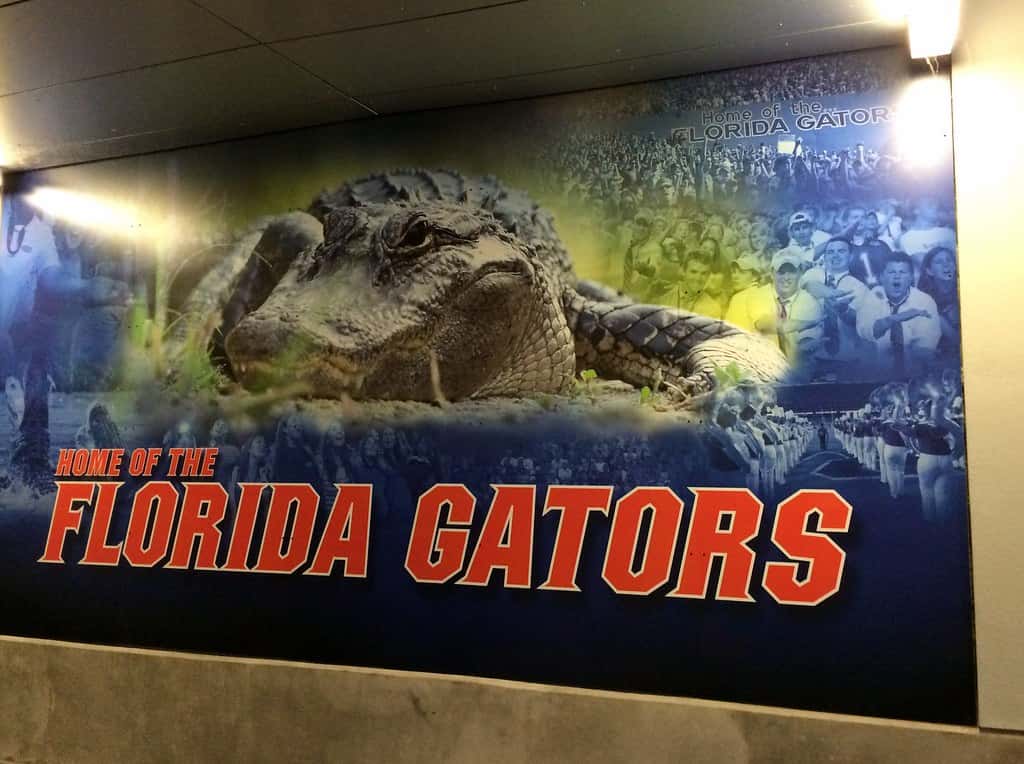
Florida will host Ole Miss on Saturday afternoon in a matchup of undefeated Southeastern Conference teams, with the No. 21 Gators at 3-0 welcoming the No. 4 Rebels, also 3-0, to a sold-out Ben Hill Griffin Stadium. Kickoff is set for 3:30 p.m. Eastern on ABC. The game marks Florida's 21st consecutive sellout in Gainesville and represents the first genuine measuring stick of first-year head coach Jon Sumrall's tenure, with both teams 1-0 in conference play.
What is at stake
A matchup of undefeated ranked SEC teams in late September carries implications that extend well beyond a single Saturday. Conference records determine access to the SEC championship game, and in the expanded College Football Playoff era, a resume built on wins over ranked opponents matters as much as an unblemished record.
For Florida, beating a top-five team at home would transform expectations for a first-year coaching staff. The Gators entered the season without the national profile Ole Miss carries, and a win would reposition the program in both the conference race and the national conversation within a single afternoon.
For Ole Miss, the game is a road test at a venue with a reputation for hostility. A top-five team that survives a ranked road environment in the SEC strengthens its playoff case considerably, while a loss in Gainesville would not eliminate the Rebels but would cost them margin for error.
Both teams sit at 1-0 in conference play, which means the loser drops to 1-1 in a league where the championship race typically tolerates one conference loss and rarely tolerates two.
Florida's start under a new coach
Sumrall took over the Florida program this season, and the Gators have opened 3-0, including a 66-21 win over Florida Atlantic in September. Coaching transitions at programs with Florida's expectations rarely produce immediate results, and a 3-0 start with a top-25 ranking represents a faster adjustment than most first-year hires deliver.
The schedule to this point has not tested the Gators against an opponent of Ole Miss's caliber, which is the standard caveat attached to any undefeated September record. Saturday resolves that question directly.
First-year staffs face a particular kind of challenge in a game like this one. Systems installed over a single offseason are still being learned, and the margin between a scheme that functions against overmatched opponents and one that holds against a top-five team is where coaching transitions are usually exposed.
Florida's fan base has absorbed several difficult seasons, and the sellout streak reaching 21 games indicates that support has held through the transition. A crowd invested in a 3-0 start against a top-five opponent is the environment Gainesville is known for.
What Ole Miss brings
The Rebels arrive ranked fourth nationally at 3-0 and 1-0 in the SEC, a profile that places them squarely in the playoff picture. A top-five ranking in late September reflects both results and preseason expectation, and Ole Miss has met the standard set for it so far.
Road games in the SEC are the primary threat to teams in that position. Crowd noise affects communication on offense, particularly in snap counts and protection calls, and the accumulated effect across four quarters is where ranked road teams typically encounter trouble.
Ole Miss has been among the more aggressive programs in the conference in recent seasons, both in scheme and in roster construction, and the Rebels have built rosters capable of competing with the league's traditional powers.
A 3:30 p.m. kickoff in Gainesville in late September also means heat, a factor that visiting teams from outside the Deep South feel more acutely than conference opponents accustomed to it, though Oxford's climate limits that advantage here.
The broadcast and the crowd
ABC has the game at 3:30 p.m. Eastern, the network's premier afternoon window, which places the matchup in front of a national audience. Broadcast placement is itself a signal of how the game is regarded, and the afternoon ABC slot is reserved for matchups with national significance.
The sellout is Florida's 21st in a row at Ben Hill Griffin Stadium, a streak that spans coaching changes and uneven results. Ben Hill Griffin Stadium seats more than 88,000, and the venue's configuration produces the noise levels that gave it its reputation.
For Gainesville, a sold-out SEC home game against a top-five opponent is a significant economic event, filling hotels across Alachua County and surrounding areas and driving restaurant and retail activity through the weekend.
Game day operations in Gainesville have become a substantial logistical undertaking, with traffic management, parking and public safety planning that begins days before kickoff for a game of this profile.
The Florida college football picture
The state's three Power conference programs have diverged sharply this season. Florida sits at 3-0 and ranked. Miami is 3-0 and ranked in the top ten, having beaten Wake Forest 33-20 on September 18, and hosts Central Michigan on Saturday.
Florida State has had the most difficult start, opening at 1-2 with a win over New Mexico State followed by losses to SMU and Alabama. Both defeats came against ranked opponents by a combined 17 points, including a three-point loss to SMU, and the Seminoles host Central Arkansas on Saturday.
That leaves the state's college programs collectively outperforming its professional teams this fall, with the Dolphins and Buccaneers both 0-2 entering week three of the NFL season.
Saturday's schedule gives Florida fans three in-state games, with the Gators drawing by far the most demanding opponent of the three.
What decides the game
Games between evenly matched SEC teams typically turn on turnovers, third-down conversion rates and red zone efficiency rather than on total yardage. A team that wins those three categories generally wins the game regardless of how the statistical summary reads.
Crowd noise gives Florida a specific advantage on defense, where an opposing offense operating in a loud environment struggles with communication and may be forced into silent counts that slow its tempo and telegraph snap timing.
Ole Miss's ranking suggests a talent advantage on paper, but ranked road losses in the SEC are common enough that the gap between fourth and twenty-first in the polls does not translate cleanly into an expected margin in Gainesville.
Field position and special teams frequently decide games of this type. A team that consistently starts drives closer to midfield requires fewer explosive plays to score, which matters against a defense capable of limiting them.
The season ahead
For Florida, the schedule beyond Saturday continues through SEC play, and the conference slate offers no soft landing regardless of this result. A 4-0 start would place the Gators firmly in the conference race, while 3-1 with a loss to a top-five team would leave the season's trajectory largely intact.
For Sumrall, the game is an early data point in a tenure that will be judged over years rather than weeks. First-year results at programs of Florida's scale matter mainly for what they signal about direction.
The expanded playoff format has changed how a single loss is evaluated. Teams with one or even two losses have paths to the field, which reduces the sudden-death character that games like this carried in earlier eras without eliminating their importance.
Recruiting is the other dimension. A first-year staff that beats a top-five team at home in front of a national television audience gains a tangible asset in conversations with prospects, particularly in a state that produces as much talent as Florida does.
The Swamp and what it means
Ben Hill Griffin Stadium has carried a reputation as one of college football's more difficult road environments for decades, built on its seating configuration, its capacity above 88,000 and the heat that accompanies afternoon kickoffs in Gainesville.
The venue's nickname reflects that reputation. Crowd noise affects visiting offenses most directly at the line of scrimmage, where snap counts and protection adjustments depend on verbal communication that becomes impossible above a certain volume.
Florida's program history includes national championships and sustained periods among the sport's elite, and the expectations attached to the job reflect that record. Recent seasons have fallen short of it, which is the context in which the current coaching transition is being evaluated.
A 21-game sellout streak spanning that difficult stretch indicates a fan base that has continued to show up, and a sold-out crowd for a top-five opponent with the home team at 3-0 is the environment the venue's reputation was built on.
The recruiting dimension
Florida produces more college football talent per capita than nearly any state, and the three Power conference programs within its borders compete directly against each other and against out-of-state programs for that talent.
Results shape those competitions. A first-year staff that beats a top-five opponent at home on national television gains a concrete asset in conversations with prospects who are weighing program trajectory alongside development and playing time.
The transfer portal and name, image and likeness arrangements have accelerated the relationship between on-field results and roster construction. Programs that win attract additions mid-cycle in a way that was not possible under previous rules.
For Florida, competing with Miami and Florida State for in-state talent while also defending against national programs recruiting the state is a continuous requirement, and Saturday's result feeds directly into it.
What's next
Kickoff is 3:30 p.m. Eastern Saturday on ABC at Ben Hill Griffin Stadium. Both teams will release availability reports ahead of the game under conference reporting requirements.
The result will reshape the SEC standings and the national rankings released the following week, with Florida positioned to make the larger move given the ranking gap between the two teams.
Miami plays Central Michigan at 6:30 p.m. and Florida State hosts Central Arkansas at 3 p.m., giving the state a full Saturday slate across its three Power conference programs.
For Gainesville, a sold-out crowd will get its first look at how far the program has moved under a new staff, and the answer will arrive over roughly three and a half hours on Saturday afternoon.
Spotted an issue with this article?
Have something to say about this story?
Write a letter to the editor