No. 5 Miami Holds Off Wake Forest 33-20 With Two Starting Cornerbacks Sidelined
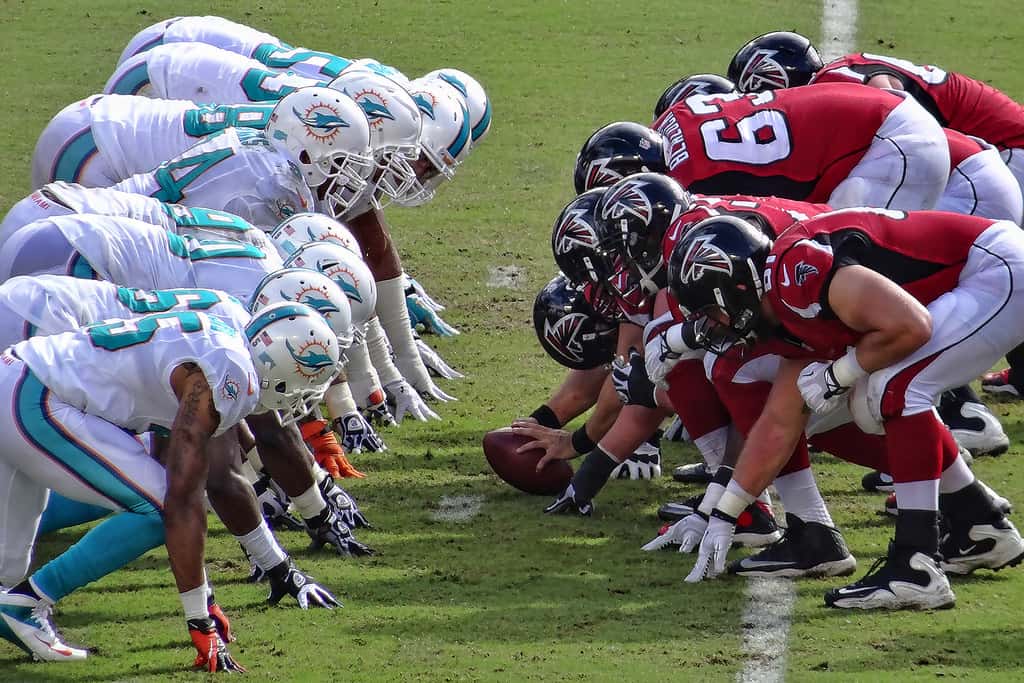
Miami moved to 3-0 with a 33-20 win at Wake Forest, holding on after building a 31-7 lead midway through the third quarter while playing without two injured starting cornerbacks.
The fifth ranked Hurricanes entered the game with a weakened secondary, missing cornerbacks OJ Frederique and Xavier Lucas, and Wake Forest identified that vulnerability early and continued to attack it throughout the evening. The Demon Deacons chipped away at what had been a comfortable margin without ever seriously threatening the outcome.
For a top five team on the road in a conference game, a 13 point win with a depleted secondary is a result the coaching staff will take. It is also the kind of game that reveals where a roster is thin, and Miami's is thin in a position group where injuries are hardest to cover.
How the game went
Miami controlled the first half and extended into the third quarter, reaching 31-7 at a point where the game appeared decided. Leads of that size against a conference opponent generally hold, and this one did, though not without Wake Forest making the final quarter more interesting than Miami would have preferred.
The Demon Deacons' path back into the game ran through the Miami secondary. With two starting cornerbacks unavailable, the replacements faced sustained targeting, which is the predictable consequence when an opponent's game plan identifies a specific weakness and commits to it.
Miami's 33 points came against a defense that had been competitive in its previous outings, and the Hurricanes' offense did enough to put the game out of reach before the secondary issues became consequential. The final margin reflects a game that was won in the first half and managed in the second.
The secondary problem
Cornerback is the position where depth is least forgiving. A backup lineman can be schemed around with help from adjacent blockers. A backup cornerback playing man coverage against a conference wide receiver is on an island, and opposing coordinators know it within a drive.
Miami's situation involves two starters out simultaneously, which removes not only the individual players but the ability to rotate and disguise. Defensive coordinators facing that situation generally shift toward zone coverage and additional safety help, which protects the corners but opens other areas of the field.
Wake Forest exploited the matchup consistently enough to score 20 points against a top five defense, which is a meaningful data point for opponents later on Miami's schedule. Film of this game will be studied closely by every remaining coordinator.
Whether the injuries are short term or extended will shape the next several weeks substantially. A team that gets its corners back quickly absorbs one difficult game. A team that plays a month without them faces a different season.
What 3-0 means for Miami
The Hurricanes are unbeaten and ranked fifth nationally, a position that gives the program a clear path into the College Football Playoff conversation if it holds. In the expanded playoff format, a team that wins its conference is in strong position regardless of a loss along the way, and an undefeated Atlantic Coast Conference team would be secure.
Miami's schedule to this point has included a lopsided win over Florida A&M, and the Wake Forest game represented a more meaningful test on the road. Winning it while shorthanded is the kind of result that separates teams with depth from teams with a strong starting lineup.
The program has spent recent years rebuilding toward exactly this position, investing heavily in roster construction and coaching staff in pursuit of a return to national relevance. A 3-0 start with a top five ranking is what that investment was meant to produce.
Sustaining it through a conference schedule is the harder part, and September rankings have a long history of not surviving October.
The ACC picture
The Atlantic Coast Conference has been reshaped by realignment, adding programs from the west coast and altering the competitive structure that defined it for decades. The result is a league where the path to the championship game runs through a schedule that varies considerably in difficulty from team to team.
For Miami, the practical implication is that conference results carry outsized weight. A team that wins the ACC reaches the playoff. A team that finishes second with one loss faces a more uncertain evaluation against at large candidates from other conferences.
Road conference wins are the currency that matters in that calculation, and Miami now has one against an opponent that made it work for the result.
Injuries and the long season
College football rosters are built with the assumption that injuries will occur, and depth charts at premier programs are stocked accordingly. The reality is that no roster absorbs simultaneous injuries at the same position without consequence.
Miami's staff will now be managing a situation that requires either accelerated development from young players or scheme adjustments that compensate for personnel limitations. Both approaches have costs, and both tend to show up in the scoreboard against better opponents.
The transfer portal has changed how programs address these situations year over year, but it offers nothing in the middle of a season. What Miami has in the secondary right now is what it will have until the injured players return.
What it means for South Florida
Miami's competitiveness matters to the regional sports landscape in ways that extend past the program. A ranked Hurricanes team fills Hard Rock Stadium, drives local television ratings and keeps the program in the recruiting conversation for the extraordinary concentration of talent in South Florida high school football.
That recruiting dynamic is the underlying stake. The tri county area produces as many major college prospects per capita as anywhere in the country, and those players historically have scattered to programs across the Southeast. A winning Miami program keeps more of them home.
The 2026 season represents an opportunity to reinforce that, and a 3-0 start with a top five ranking is the kind of September that gets attention from prospects who will sign in December.
The state weekend
Miami's win came on a weekend when Florida beat Auburn 44-39 to open conference play and reach 3-0, while Florida State lost at Alabama 50-36 and fell to 1-2.
Two of the state's three major programs are unbeaten in late September, which has not been common in recent years. The in state comparisons those records generate run through the fall and feed directly into recruiting and into the rivalry games that close the season.
Managing a lead in conference play
Miami led 31-7 midway through the third quarter and won by 13, a compression that is common enough in college football to have a familiar set of causes. Teams with large leads shift toward conservative play calling, rotate reserves into the game and stop taking the risks that produced the lead in the first place.
The strategic logic is sound. Protecting players and avoiding turnovers when a game is effectively decided is how a team stays healthy through a long season. The cost is that the trailing team gets opportunities and the margin narrows, which affects nothing in the standings but affects perception and, in close calls, playoff evaluation.
Where it matters is when the compression reflects something other than strategy. A defense that cannot stop an opponent once reserves are in, or an offense that cannot sustain drives to run clock, has a problem that will resurface in a game that is actually close.
Miami's staff will have a clear read on which applied here. The secondary injuries complicate the analysis, since a shorthanded unit facing sustained targeting produces the same statistical picture as a unit that simply stopped executing.
The playoff math
The expanded College Football Playoff has changed how September results are evaluated. Conference champions receive automatic consideration, which means Miami's clearest path runs through winning the Atlantic Coast Conference rather than through maintaining an unbeaten record.
That reduces the catastrophic weight of any single loss while increasing the importance of conference standing. A one loss ACC champion is in stronger position than an unbeaten team that fails to reach its conference title game, a scenario realignment has made more plausible than it used to be.
For Miami at 3-0 and ranked fifth, the practical implication is that the schedule ahead matters more than the record behind. Every conference game is effectively an elimination game for seeding purposes, and the Hurricanes will play several against opponents capable of beating them.
Why cornerback depth is built differently
Recruiting and roster construction at cornerback follow rules that do not apply elsewhere on a football field. The position requires a rare combination of speed, hip flexibility and the psychological tolerance for being beaten in front of a stadium, and the pool of players who have all three is small.
That scarcity means programs generally carry fewer ready contributors at cornerback than at receiver or linebacker, and the drop from a starter to a third option is steeper. It is also a position where young players struggle most, because the mistakes are immediate and public rather than absorbed into a broader unit performance.
Miami has recruited the position aggressively, drawing from a South Florida high school landscape that produces defensive backs at an extraordinary rate. What no amount of recruiting solves is two starters unavailable in the same week.
The response over the coming games will be schematic. More zone coverage, more safety help over the top, more pressure to shorten the time a quarterback has to find the matchup. Each of those trades one vulnerability for another, and opposing coordinators will test which trade Miami has chosen.
What's next
The immediate variable for Miami is the health of the secondary. Updates on Frederique and Lucas will shape the game planning for the coming weeks more than anything else on the roster.
The schedule ahead includes the conference games that determine whether Miami reaches the ACC championship, and the Hurricanes will face opponents with better passing attacks than the one that scored 20 on them this week.
A 3-0 record and a top five ranking put Miami in the position the program has been working toward. Holding that position through a conference schedule while managing injuries at the most exposed position on the field is the test that now begins.
Spotted an issue with this article?
Have something to say about this story?
Write a letter to the editor