NOAA Forecasts a Below-Normal Hurricane Season, but Florida Forecasters Urge No Complacency
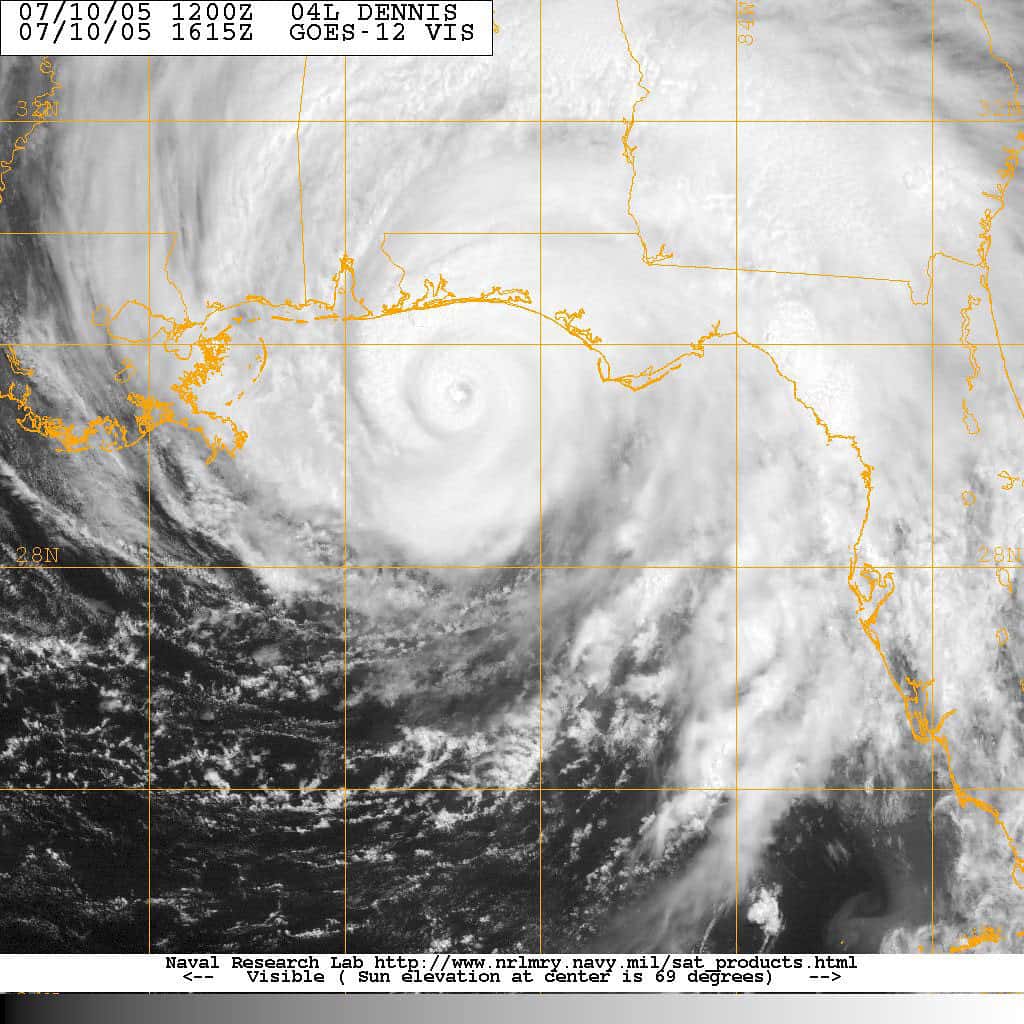
Federal forecasters are predicting a below-normal Atlantic hurricane season for 2026, a forecast that offers a measure of reassurance to a state that lives under the annual threat of catastrophic storms. The National Oceanic and Atmospheric Administration projects 8 to 14 named storms this season, of which 3 to 6 are expected to become hurricanes and 1 to 3 could reach major hurricane strength. But Florida emergency officials are quick to warn that a quieter-than-average forecast means little to any community that takes a direct hit.
The season, which runs from June 1 through November 30, has so far been calm from a Florida perspective. The first named system formed earlier in the month and did not threaten the state, and the basin has been quiet since. Yet history is full of below-normal seasons that produced a single devastating landfall, and that reality shapes the message from forecasters and emergency managers alike: prepare as if a major storm is coming, because it only takes one.
The below-normal forecast does not mean storms will be weak. A named storm that reaches hurricane strength and then major hurricane strength can still carry winds well above 110 miles per hour at landfall, capable of destroying structures, knocking out power for extended periods, and driving catastrophic storm surge into coastal communities. The number of storms in a season has no bearing on the destructive potential of the ones that do develop and organize.
What NOAA is forecasting
NOAA's outlook calls for a below-normal season, with the predicted range of 8 to 14 named storms falling short of the busiest recent years. The agency attributes the subdued forecast to a combination of factors, including the expected development of an El Nino climate pattern, which tends to suppress Atlantic hurricane activity by increasing the wind shear that can tear storms apart before they organize.
At the same time, the agency notes that Atlantic Ocean temperatures are expected to run slightly warmer than normal and that trade winds may be weaker than average, conditions that can favor storm development. The interplay of these competing factors produces the below-normal but still significant forecast, a reminder that even a quieter season carries real risk for the storms that do form.
Seasonal outlooks are probabilistic by nature, meaning they describe a range of likely outcomes rather than a guaranteed count. The official forecast cone is updated throughout the season as atmospheric and oceanic conditions evolve, and forecasters regularly revise the overall activity outlook when new data warrant a change. Residents who follow only the initial seasonal forecast without tracking updates may miss important shifts in expected activity levels as the peak months approach.
The National Hurricane Center, operating under NOAA, provides the real-time tracking and intensity forecasts that become the basis for watches and warnings once a system develops. The center monitors the entire Atlantic basin, including the Gulf of Mexico and the Caribbean Sea, both of which represent pathways through which storms can approach Florida. Its five-day track forecasts and storm surge projections are the primary tools emergency managers use to guide their decisions about evacuations and resource positioning.
Why the forecast is not a guarantee
Seasonal forecasts predict the overall level of activity across the entire Atlantic basin, not where storms will go or whether any particular community will be struck. Florida's history offers sobering examples of below-normal seasons that nonetheless produced catastrophic individual storms, because the total number of storms says nothing about the path or intensity of any single one.
Emergency managers stress this point relentlessly. A forecast of fewer storms does not reduce the need for preparation, because a single major hurricane making landfall in a populated area can cause immense destruction regardless of how quiet the rest of the season proves. For a peninsula surrounded by warm water and exposed on three sides, the threat is ever-present, and complacency is the enemy that officials work hardest to combat.
The track a storm takes is determined by large-scale atmospheric steering currents that can shift over days and sometimes hours, meaning that a system showing no immediate threat to Florida can rapidly redirect toward the peninsula. Rapid intensification, a process by which a storm's winds increase sharply in a short period, can also transform a modest tropical storm into a major hurricane faster than preparations can realistically be made once the threat becomes clear. Both of these dynamics reinforce the core message: waiting for confirmation that a storm is dangerous before preparing is waiting too long.
Insurance companies, reinsurers, and catastrophe modelers all operate on a framework that treats any single season as containing the possibility of a catastrophic event regardless of the seasonal forecast. That professional posture reflects an understanding of hurricane risk that aligns with what emergency managers tell the public: the seasonal number is context, not comfort.
Florida's preparation push
State leaders have used the run-up to the season to urge residents to prepare, emphasizing the importance of having a family plan and assembling a disaster supply kit before a storm threatens. The state's emergency management apparatus, refined over years of responding to major hurricanes, coordinates preparation and response, and officials have repeatedly encouraged Floridians to take the threat seriously regardless of seasonal forecasts.
Preparation guidance typically includes knowing one's evacuation zone, securing supplies of water, food and medication, and having a plan for pets and family members with special needs. The state has also worked to strengthen its emergency management workforce and infrastructure, recognizing that the capacity to respond quickly and effectively can save lives when a storm strikes. The message is consistent: the time to prepare is before a storm is on the horizon.
Officials often point out that the early weeks of a hurricane season, before the peak months arrive, are the ideal time to take practical steps. Shelves are stocked, contractors are available, and residents have the mental bandwidth to think clearly about what they need. Once a storm is within a few days of landfall, the window for deliberate preparation collapses. Generators sell out, building materials become scarce, and the focus shifts entirely to evacuation decisions and shelter planning rather than supply gathering.
Community-level preparedness is also a priority. Local governments, hospitals, nursing homes, and other institutions that serve vulnerable populations work to develop and test their own emergency plans in the early weeks of the season. Coordination between state and local agencies, utilities, and the National Guard is reviewed and updated so that response can begin immediately after a storm passes, reducing the time communities spend without power, clean water, or access to emergency services.
The stakes for Florida
No state faces greater hurricane risk than Florida, where the combination of geography, dense coastal development and a large population creates enormous exposure. Major storms in recent years have caused billions of dollars in damage, displaced residents and tested the state's capacity to respond and recover. The financial toll extends into the property insurance market, where hurricane risk drives the high premiums that burden Florida homeowners.
The interplay between hurricane risk and insurance is a defining feature of life in the state. A severe storm season can strain the insurance market, trigger claims and affect the reinsurance costs that flow through to premiums. The recent stabilization of the market, including the shrinking of the state-backed insurer Citizens, could be tested by a major landfall, making the hurricane outlook a matter of economic as well as physical concern.
Beyond the financial dimensions, storm recovery has lasting social consequences. Communities that take a direct hit from a major hurricane often experience long-term population displacement, business closures, and strain on public services that persist well after the immediate emergency has passed. The cumulative effect of multiple storms over several years can reshape the demographics and economic character of entire regions, underscoring that hurricane risk is not simply a seasonal concern but a long-term planning challenge for the state.
Evacuation and zone awareness
One of the most important elements of hurricane preparedness is understanding evacuation zones, which are specific to geography and storm threat. Evacuation orders, when issued, apply to particular zones rather than entire counties, and knowing whether one lives in a vulnerable area is essential to responding appropriately. Officials emphasize that residents should learn their zone before a storm approaches rather than scrambling for information under pressure.
The distinction matters because confusion about evacuation can cost lives or lead to unnecessary disruption. A storm watch indicates that hazardous conditions are possible, while a warning means they are expected within a defined window, and understanding the difference helps residents make timely decisions. Florida's emergency management system provides resources to help residents identify their zones and plan accordingly.
Residents who plan to shelter in place rather than evacuate should understand that this decision carries real risk in lower-lying or surge-prone areas. Surge, not wind, is the primary cause of hurricane fatalities in many events, and even a relatively modest storm can push a wall of water inland that far exceeds what building structures are designed to withstand. Officials consistently note that no possession is worth a human life, and that the purpose of evacuation zones is to move people out of areas where surge and flooding pose the greatest danger.
What it means for Floridians
For Florida residents, the below-normal forecast is welcome news but not a reason to relax. The practical guidance remains unchanged: prepare early, stay informed and be ready to act if a storm threatens. The forecast describes the likely overall activity level, but each household's risk depends on whether a storm comes its way, something no seasonal outlook can predict.
The broader lesson, reinforced every year, is that hurricane preparedness is a constant rather than a seasonal afterthought. Floridians who treat every season as a potential threat, regardless of the forecast, are best positioned to weather whatever the Atlantic produces. The 2026 outlook may point to a quieter year, but the state's experience teaches that vigilance is the only reliable defense.
What's next
The heart of hurricane season lies ahead, with activity typically peaking from August through October when ocean temperatures are warmest. Forecasters will continue to monitor the basin and update their outlooks as conditions evolve, and any developing system will be tracked closely for its potential to threaten Florida.
For now, the state remains in a watchful posture, taking advantage of the quiet early stretch to reinforce preparation messages. Whether the below-normal forecast holds or a single powerful storm defies the seasonal outlook, Florida's approach stays the same: hope for a quiet season, but prepare for the worst, because in a state defined by its vulnerability to hurricanes, readiness is never optional.
Spotted an issue with this article?
Have something to say about this story?
Write a letter to the editor