Only About 1 in 5 Florida Flood Victims Had Flood Insurance, and the Claims Could Push Homeowners Premiums Higher
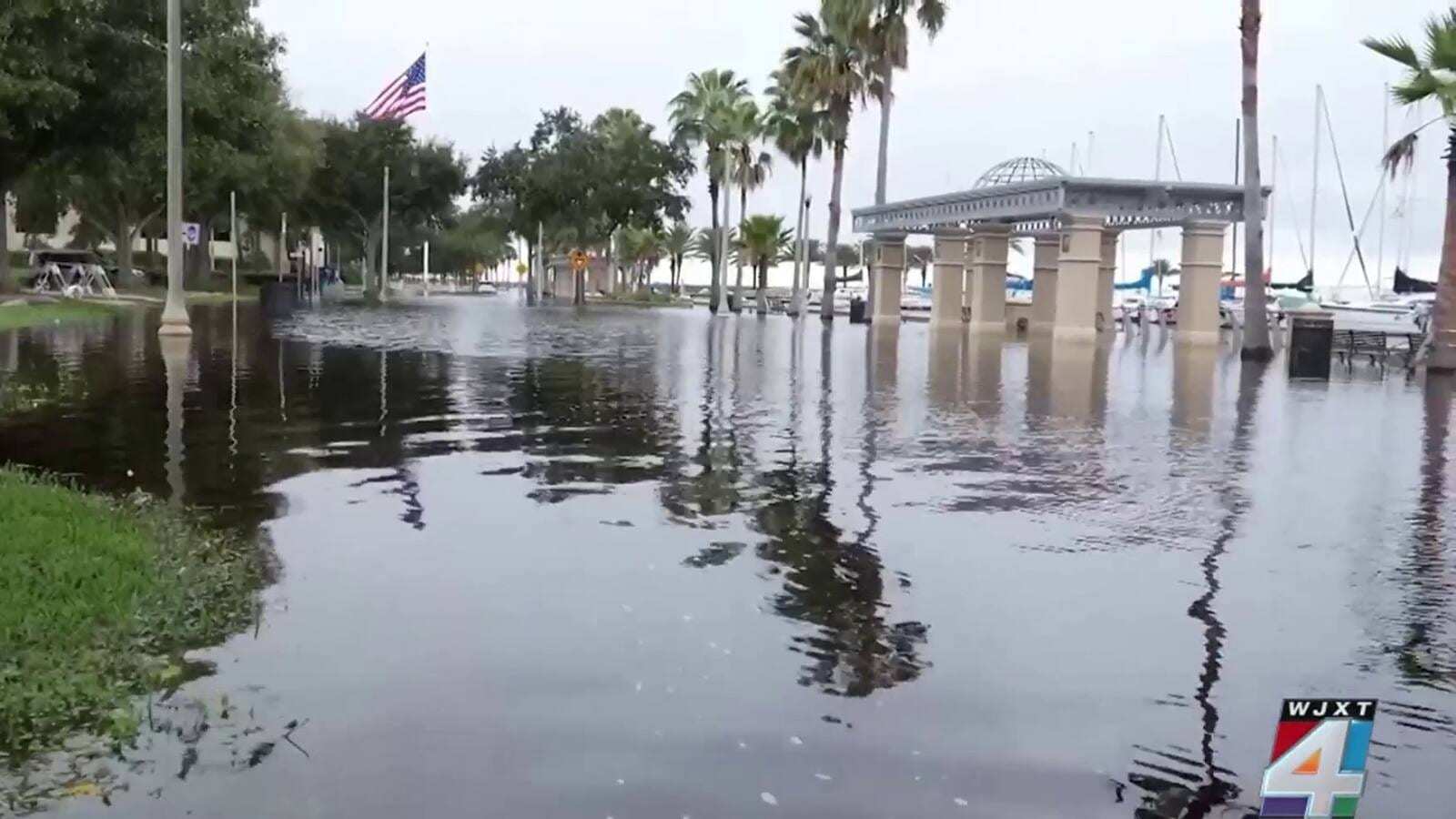
As Floridians from Hollywood to Sanford haul soaked drywall to the curb after a month of record rain, insurance experts say most of them will be paying for the damage on their own. Only about 20 percent of the people flooded in the recent South and Central Florida storms had flood insurance, according to insurance experts cited by News4JAX on Nov. 24. The gap matters beyond the flooded neighborhoods: agents warn that a wave of claims concentrated in a few areas could nudge homeowners premiums higher across the state, while a separate state mandate will soon require most Citizens Property Insurance customers to carry flood coverage.
Why most flood victims are uninsured
A standard homeowners policy does not cover flooding. Flood coverage has to be bought separately, either from FEMA's National Flood Insurance Program or from a private insurer, and it is also separate from the windstorm coverage that protects against hurricane winds, the Insurance Information Institute has explained to CBS News Miami. That means a family whose home took on water from the rain that swamped Broward County on Nov. 17 and 18, or from the St. Johns River now at major flood stage in Seminole and Volusia counties, generally has no claim under a homeowners policy for the water damage.
Mark Friedlander, the Florida spokesman for the Insurance Information Institute, told News4JAX that every Floridian faces some flood risk, and that the risk could grow this winter because of one of the strongest El Nino events on record. NOAA's Climate Prediction Center has an El Nino advisory in effect, and forecasters have tied this month's repeated rainstorms to the pattern, which tends to steer storm systems across the Southeast in the cool season.
Friedlander also said FEMA flood maps can give homeowners a false sense of security. Many people assume that if their lender does not require flood insurance, they are not at risk. FEMA's own data cuts against that assumption: its FloodSmart site says nearly one-third of National Flood Insurance Program claims in recent years came from properties outside high-risk flood zones.
The cost of skipping coverage can be steep. "Just one inch of flood water can cause $25,000 of damage in your home," Friedlander told CBS News Miami at the start of hurricane season in June.
How flood claims could raise homeowners rates
Matt Carlucci Jr., an agent with Brightway Insurance, told News4JAX that the low number of flood policies could still affect what everyone pays for homeowners insurance. When insurers pay out large numbers of claims in one area, he said, they may try to recoup those costs elsewhere in Florida. He expects modest premium increases for homeowners in lower-risk areas and more significant increases in higher-risk areas.
Any increase would land on a market that has only recently started to settle down after years of steep rate hikes, insurer insolvencies and the rapid growth and later shrinking of state-backed Citizens. Florida insurers must file rate changes with the Office of Insurance Regulation, so any effect from this fall's flooding would show up in future filings rather than immediately on renewal notices.
What flood insurance costs
Policies through the National Flood Insurance Program average about $1,300 a year, according to the Insurance Information Institute figure cited by News4JAX. Friedlander put the average Florida flood premium lower, at about $894 a year, in his June interview with CBS News Miami. The actual price depends heavily on a home's elevation, location and distance from water under FEMA's current rating system.
NFIP policies cover up to $250,000 for the structure of a single-family home. Homeowners who want more coverage, or a different price, can shop the private market: CBS News Miami reported that the Florida Office of Insurance Regulation lists 57 private flood insurance providers operating in the state.
Florida already dominates the federal program. A May 2026 presentation to the National Association of Insurance Commissioners listed 1,767,045 NFIP policies in force in Florida as of April 2026, about 39 percent of the national total. Even so, the take-up rate among flood victims suggests most households, especially those outside mapped flood zones, still go without.
The 30-day catch
Homeowners who decide to buy coverage after watching their neighbors flood will not be protected right away. FEMA says there is typically a 30-day waiting period from the date of purchase before an NFIP policy takes effect, with exceptions such as coverage required when a home is bought or refinanced. FEMA's guidance also says damage from a flood that begins before the policy takes effect is not covered if it occurs within the waiting period. Private flood policies often have shorter waits.
"There are no policies available at the last minute," Friedlander told CBS News Miami in June, noting that insurers also put moratoriums on new coverage once storm warnings are issued.
Citizens customers will be required to carry flood coverage
For many Citizens customers, the decision is about to be made for them. Under a law the Legislature passed in a December 2022 special session, now Florida Statute 627.715, Citizens Property Insurance has been phasing in a requirement that its personal residential policyholders with wind coverage also carry flood insurance. Citizens says the final step takes effect Jan. 1, 2027.
Citizens lists the phase-in schedule on its website:
| Effective date | Citizens policies required to carry flood coverage |
|---|---|
| Already in effect | Wind-covered homes in FEMA Special Flood Hazard Areas, any value |
| Jan. 1, 2024 | Outside those zones, dwelling coverage of $600,000 or more |
| Jan. 1, 2025 | Dwelling coverage of $500,000 or more |
| Jan. 1, 2026 | Dwelling coverage of $400,000 or more |
| Jan. 1, 2027 | All remaining policies, regardless of value |
Condominium unit-owner policies, tenant contents policies and policies that exclude wind and hail are exempt, according to Citizens. Policyholders must submit proof of flood coverage, such as the declarations page or a pending application with proof of payment, along with a signed affirmation form. The flood policy's dwelling limit generally must at least equal the Citizens dwelling limit, or the maximum the NFIP will provide. Hillsborough County officials warned in a Nov. 13 notice that Citizens customers who do not comply could be dropped at renewal, and Citizens says it will send reminders before renewal dates.
Because of the 30-day NFIP waiting period, Citizens customers with renewals in early 2027 have limited time to shop for a flood policy before the deadline.
What flood victims without insurance can do
Uninsured flood victims in some counties now have a federal option. President Donald Trump approved a Major Disaster Declaration on Nov. 24 for flooding that began Oct. 31, and FEMA records show individual assistance available in Brevard, Indian River, Martin, Okeechobee, Palm Beach and St. Lucie counties. Residents can apply at DisasterAssistance.gov or by calling 800-621-3362. FEMA grants are meant to cover basic needs such as making a home safe and livable, not to replace what an insurance policy would pay, and they cannot duplicate insurance benefits. A second request covering the later flooding in Broward, Seminole, Volusia and other counties is still pending.
Those with flood policies should document damage with photos and video before throwing anything away, and report claims as soon as possible, according to standard guidance from insurers and FEMA.
What's next
The immediate question for insurers is how many claims this fall's flooding generates, and how much of that cost falls on private carriers versus the federal program. The answer will shape the next round of rate filings in 2027. For homeowners, Friedlander's advice has not changed: buy flood coverage before the water arrives, because with a 30-day wait and El Nino forecast to keep the storm track active through the winter, the next rain event may come before a new policy kicks in.
Spotted an issue with this article?
Have something to say about this story?
Write us a letterComments
No comments yet. Be the first to weigh in.
Related Coverage

Jacksonville Weighs $55.4 Million in Incentives for Gateway's Riverfront Plaza Hotel Tower as a Restaurant Is Unveiled for the Park's Second Phase
2h ago

More Than 450 MacDill Air Force Base Residents Now Suing Harbor Bay Housing Operator Over Mold, Alleging a Criminal Probe Into Work Orders
23h ago
Miami-Dade Moves to Turn Former Homestead Air Force Base Land Into an Aerospace Manufacturing Hub
1d ago

Liberty Mutual, Security National and Cimarron Must Refund $122.6 Million in Excess Auto Insurance Profits to Florida Drivers
1d ago