Panthers and Lightning Open Training Camps as Florida's NHL Season Approaches
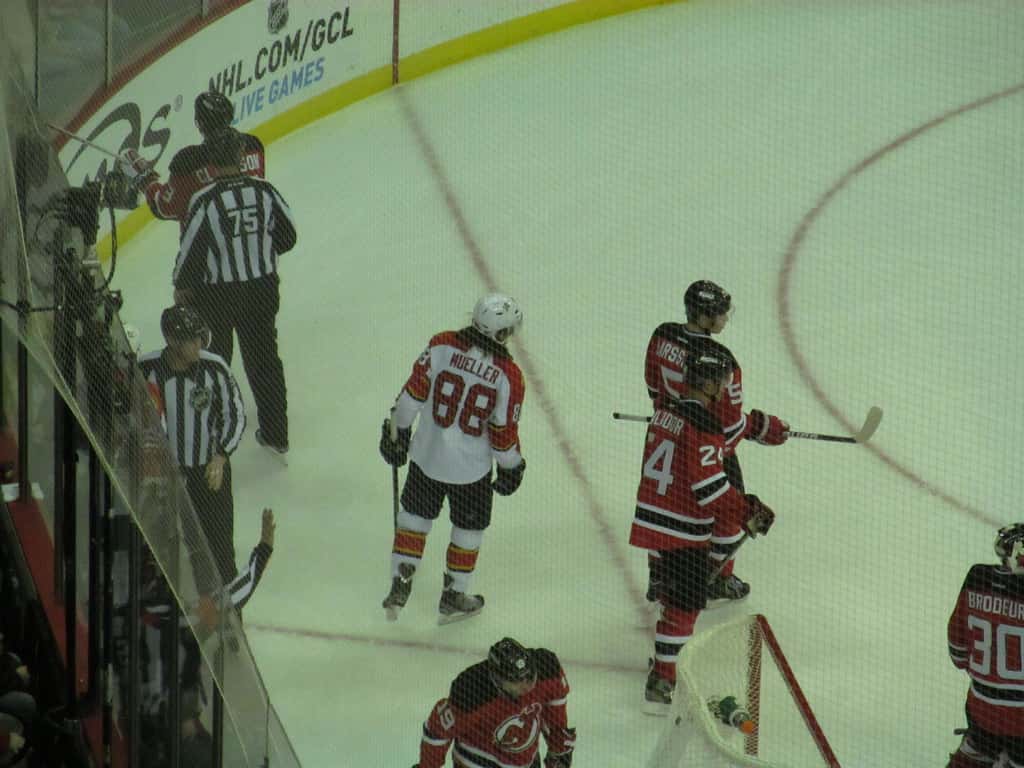
Florida's two NHL franchises opened training camp on September 17, beginning preparations for the 2026-27 season. The Florida Panthers announced a 51-man roster consisting of 30 forwards, 16 defensemen, and five goaltenders, while the Tampa Bay Lightning brought 67 players to TGH Ice Plex, including 37 forwards, 23 defensemen, and seven goaltenders. Both clubs opened practices to the public, and the two teams meet in a preseason game September 26 at Amerant Bank Arena.
Camp opens in Sunrise
Panthers President of Hockey Operations and General Manager Bill Zito announced the 51-man training camp roster. The group combines returning veterans with new faces, a mix the organization has managed carefully over recent seasons while remaining competitive.
Florida held public viewing sessions on Friday, September 18, with the first group on ice at 10 a.m. Eastern and the second at 1 p.m. The club followed with a Training Camp Fan Fest on Saturday, September 19, running the same two-group schedule.
Opening camp to the public has become a standard practice across the league, and for the Panthers it serves a market that has grown substantially. Broward County hockey interest has expanded considerably as the franchise has become a consistent contender.
Roster size at camp is a function of how many prospects and depth players an organization wants to evaluate before cuts. Fifty-one players allows a club to run meaningful competitive sessions while keeping the group manageable.
The Lightning's larger camp group
Tampa Bay's 67-player camp roster is notably larger, with 37 forwards, 23 defensemen, and seven goaltenders. On-ice practices began at TGH Ice Plex on September 17, and all practices there are free and open to the public.
A larger camp roster typically reflects a deeper prospect pool being evaluated or a greater number of roster spots genuinely in competition. The Lightning has already reduced its camp roster by seven players as the evaluation process has progressed.
Seven goaltenders at camp is a substantial number for a position where an NHL club carries two on its active roster. It reflects the organizational pipeline across affiliates rather than genuine competition for the NHL job.
TGH Ice Plex serves as the Lightning's practice facility, and the open-practice policy makes camp one of the more accessible windows into a professional team's preparation available anywhere in Florida sports.
Two franchises, one state rivalry
Florida and Tampa Bay have developed one of the NHL's more consequential rivalries, driven by geographic proximity, divisional alignment, and both clubs achieving sustained success during overlapping periods.
The preseason meeting on September 26 at Amerant Bank Arena in Sunrise is the first of several times the clubs will face each other. Preseason games between rivals draw better than typical exhibition contests, though lineups are generally not representative.
The rivalry's development has changed hockey's position in Florida. A state once considered an unlikely hockey market now supports two franchises that have both reached the sport's highest levels, and youth hockey participation has grown alongside that.
Regular season meetings carry divisional implications that preseason games do not, and the clubs' respective positions in the Atlantic Division will shape how consequential those matchups become.
What training camp actually decides
Camp serves several functions simultaneously. It brings players back to game condition after the offseason, allows coaching staffs to install systems, and determines the final composition of the opening night roster.
For established veterans, camp is primarily about conditioning and timing. For players on the roster bubble, it is a competitive evaluation with real consequences for whether they start the season in the NHL or with an affiliate.
Line combinations and defensive pairings tested in camp often change within weeks of the regular season starting. Coaches use the period to gather information rather than to finalize decisions that injuries will alter anyway.
Goaltending is the position where camp decisions tend to be most settled in advance. NHL clubs generally know their tandem before camp opens, and the competition occurs further down the organizational depth chart.
The Panthers' position
Florida has been among the league's stronger organizations in recent seasons, and camp coverage described the team beginning with renewed energy and a mix of returning veterans and new faces.
Sustaining success in the salary cap era requires continuous roster management. Clubs that reach the league's later rounds repeatedly face cap pressure that forces difficult decisions about which players to retain, and Zito has navigated that environment while keeping the core intact.
Depth matters across an 82-game season in ways that a playoff roster does not fully reveal. The players competing for the final forward and defensive spots at camp often become significant contributors by midseason as injuries accumulate.
The club also launched Panthers Plus, a streaming service making games available directly to fans for the 2026-27 season. Direct-to-consumer distribution has become an increasingly common approach across professional sports as regional network models have come under pressure.
The Lightning's position
Tampa Bay has been one of the NHL's most consistently competitive franchises over the past decade, with a sustained run of postseason appearances built around a stable core.
The organization faces the same cap arithmetic that affects every successful club, where retaining a championship-caliber roster requires finding value at the margins. A 67-player camp reflects an organization evaluating broadly to fill those margins.
Reducing the camp roster by seven players represents the first round of that evaluation. Further reductions follow through the preseason as the club works toward its opening night roster.
Amalie Arena in downtown Tampa has been among the league's stronger home environments, and the building's atmosphere has been a genuine competitive factor during the franchise's successful stretches.
Hockey's place in Florida sports
Florida now supports two NHL franchises that have both achieved at the highest level, an outcome that seemed improbable when the league expanded into the state. Youth hockey participation has grown, and both organizations operate development programs.
The NHL season overlaps with football, basketball, and the back end of baseball, which means hockey competes for attention in a crowded Florida sports market. The Panthers and Lightning have both built followings that sustain through that competition.
Arena economics matter to their respective communities. Amerant Bank Arena in Sunrise and Amalie Arena in Tampa both anchor entertainment districts, and the 41 home dates each team hosts drive substantial local activity.
With the Rays in the postseason and Florida's NFL teams struggling at a combined 1-5, hockey enters the fall with an opening for attention that it does not always have.
What fans can expect at camp
Both clubs have made practices accessible to the public, an unusual level of access in professional sports. Lightning practices at TGH Ice Plex are free and open, and the Panthers held public viewing sessions and a Fan Fest.
Camp practices differ substantially from games. Sessions focus on systems work, conditioning drills, and small-area competition rather than full scrimmages, which can make them more instructive for fans interested in how teams are built.
Preseason games follow, culminating for these two clubs in the September 26 meeting in Sunrise. Those games provide the first look at line combinations in competitive conditions.
How an NHL camp roster is built
The gap between Florida's 51-player camp roster and Tampa Bay's 67 reflects organizational philosophy as much as depth. Clubs invite players under NHL contracts, players signed to American Hockey League deals, drafted prospects still in junior or college eligibility, and a small number of unsigned invitees competing for a contract.
Prospects attending on junior or college eligibility generally return to those programs after camp, and their participation is developmental rather than competitive. A larger camp roster often means an organization is using the window to give young players exposure to professional systems rather than that more NHL jobs are genuinely open.
Seven goaltenders in the Lightning camp illustrates the point. No NHL club carries more than three goaltenders on an active roster, so the additional five are being evaluated for affiliate assignments and future consideration.
Reductions proceed in waves. Tampa Bay's first cut of seven players is the beginning of a process that continues through the preseason until both clubs reach the roster and salary cap limits the league sets for opening night.
What the season structure looks like
The NHL regular season spans 82 games from October into April, with each club playing a schedule weighted toward divisional and conference opponents. Both Florida teams compete in the Atlantic Division of the Eastern Conference, which means their meetings carry direct standings consequences.
The length of the season makes depth a genuine competitive variable rather than an afterthought. Clubs that can absorb injuries without a significant drop in performance tend to finish ahead of more top-heavy rosters, which is part of why camp evaluation of marginal players matters.
Salary cap management runs alongside roster management throughout. Injured reserve designations, affiliate assignments, and contract structures all interact with the cap in ways that shape which players a club can carry at any given point in the season.
For fans, the practical takeaway is that the opening night roster is a snapshot rather than a settled group. Players sent to affiliates in early October frequently appear in NHL games by December.
What's next
Both clubs will continue reducing their camp rosters through the preseason, working toward the NHL's opening night roster limits. Players reassigned to affiliates begin their own seasons in the American Hockey League.
The preseason schedule runs through late September and early October before the regular season begins. Lineups become progressively more representative as the exhibition slate advances.
For fans, the accessible camp period is the last stretch before the season's normal rhythm takes over. Once games count, the open-practice access that both organizations offer in September disappears for the year.
Spotted an issue with this article?
Have something to say about this story?
Write us a letterComments
No comments yet. Be the first to weigh in.
Related Coverage
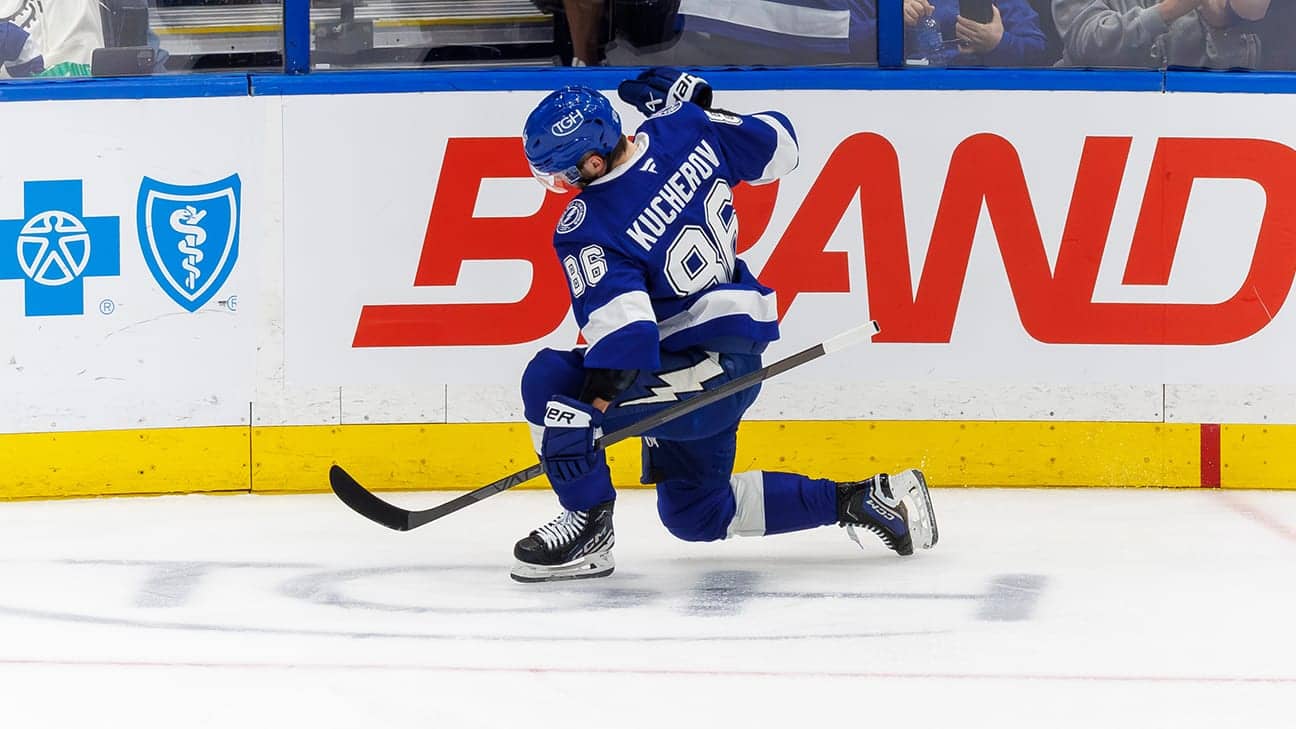
Nikita Kucherov Passes Steven Stamkos as Lightning's All-Time Points Leader in OT Loss to Mammoth
21h ago

Hornets Beat Heat 115-110 as Giannis Antetokounmpo Fouls Out and Miami Falls to 0-3
23h ago

Timberwolves Dominate the Glass, Rout Magic 115-93 at Kia Center as Orlando Falls to 0-2
1d ago

Pistons Beat Heat 128-111 as Giannis Antetokounmpo's 36 Points Can't Fix Miami's Defense in 0-2 Start
1d ago