Panthers and Lightning Open Camp and Meet Twice in a Preseason In-State Series
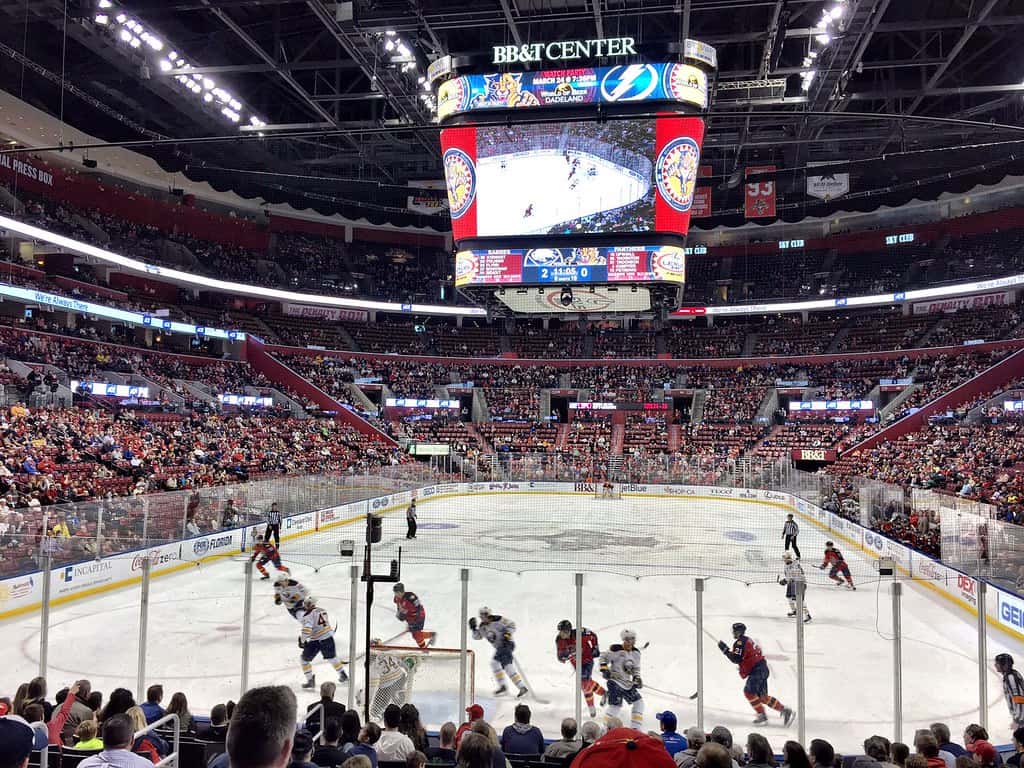
Florida's two National Hockey League franchises are back on the ice. The Florida Panthers and the Tampa Bay Lightning both opened training camp on Thursday, September 17, and both will close their exhibition schedules against each other in a two-game in-state series on September 24 and September 26.
The Panthers opened their preseason slate with a 6-3 win over the Carolina Hurricanes at Amerant Bank Arena on September 20, a loose and high-scoring exhibition of the sort that reveals little about a team's regular season but gives coaching staffs their first live look at roster candidates.
For a state that has hosted some of the most successful hockey of the past decade, the September routine has become familiar: two deep rosters, two sets of hard decisions about final spots, and a preseason finale between franchises separated by roughly 250 miles of Interstate 75.
Camp opens in Sunrise and Tampa
The Panthers began on-ice work on September 17 with a roster mixing returning veterans and new faces, and the club held public viewing sessions on Friday, September 18, with two groups skating at 10 a.m. and 1 p.m. Eastern. A Training Camp Fan Fest followed on Saturday, September 19, with the same two-group format.
The Lightning started their on-ice sessions the same day at TGH Ice Plex, the team's practice facility. Tampa Bay announced its camp roster and schedule ahead of the opening, along with a preseason slate that runs through the end of the month.
Public camp sessions have become a significant fan touchpoint for both organizations, particularly in markets where hockey interest has been built rather than inherited. Free access to watch a Stanley Cup contender practice is an inexpensive way to sustain that.
The Panthers' preseason opener
Florida's 6-3 win over Carolina on September 20 at Amerant Bank Arena had the character of most exhibition openers: heavy on young players, light on defensive structure, and useful mainly for the video review that follows.
Six goals in a preseason game says more about goaltending rotation and line juggling than about offensive identity. What coaching staffs extract from nights like this is how individual prospects handle NHL pace and whether veterans coming off summer rest look sharp.
The Panthers have entered recent seasons with roster continuity as their defining feature, and the competition at camp has typically been for a small number of spots rather than a wholesale rebuild of the lineup.
Two games against each other
The Lightning host the Panthers on Thursday, September 24, at 7 p.m. Eastern. The teams then travel south for a 6 p.m. Eastern game at Amerant Bank Arena in Sunrise on Saturday, September 26, which closes the preseason for both clubs.
Preseason meetings between the two are not the intense affairs their regular season and playoff matchups have become, but they are useful. Both coaching staffs get a look at how their group handles a familiar opponent, and the games draw better crowds than most exhibition dates because the rivalry sells itself.
Scheduling the two teams against each other to close camp also reduces travel and gives both clubs a controlled final tune-up before the games start counting.
What the rivalry has become
Florida and Tampa Bay have grown into one of the more genuinely competitive rivalries in the league, driven by geography, repeated playoff meetings and sustained success by both organizations. That was not the case for most of the two franchises' shared history.
The rivalry has also changed hockey's footprint in the state. Youth participation, rink construction and local broadcast interest have all grown in South Florida and the Tampa Bay region over the past decade in ways that trace directly to on-ice results.
A two-game preseason series between them is, in that sense, a marker of how far both markets have come. Exhibition hockey in Florida in September now draws an audience.
Roster questions in both camps
Training camp exists to settle a small number of decisions. For both Florida clubs, those typically involve the final forward spots, the third defensive pairing, and whether a prospect is ready for a full NHL season or needs more development time.
Injuries from the previous season and summer conditioning also come into focus during camp, and teams generally manage veteran workloads carefully through the exhibition schedule to avoid losing anyone before the opener.
Both organizations have been among the league's more stable rosters in recent years, which means camp battles are for depth roles rather than starting positions. That is a luxury most NHL teams do not have.
What it means for Florida sports fans
Hockey's return to the calendar arrives as the state's football teams are producing mixed results and the Rays are heading to the postseason. For fans in Sunrise and Tampa, camp signals the start of a long season that both franchises have recently extended deep into the spring.
The in-state preseason series also gives fans an affordable entry point. Exhibition tickets generally cost a fraction of regular season pricing, and both arenas offer a close look at rosters that will be expensive to watch in January.
For families new to the sport, September camp sessions and preseason games are the easiest introduction available.
What camp actually decides
Training camp performs several functions at once. It conditions players after an offseason that, for teams with deep playoff runs, is unusually short. It integrates new signings and prospects into systems. And it produces the information coaching staffs use to set an opening night lineup.
For both Florida clubs, the third function involves relatively few genuinely open spots. Rosters that have been contending for years tend to return largely intact, with turnover concentrated in the bottom six forwards, the third defensive pairing and the backup goaltending position.
That does not make camp low-stakes for the players involved. A fourth-line job in the NHL is a career, and the difference between making a roster and being assigned to the minor leagues is measured in a handful of exhibition shifts.
Coaching staffs also use camp to test line combinations that will not survive the regular season, which is part of why exhibition results are so unreliable as predictors.
Short summers and long seasons
Both organizations have dealt with the specific challenge of sustained success: seasons that extend deep into the spring leave less recovery time before the next camp opens. Players who skate into June arrive in September with fewer weeks of genuine rest than peers whose teams finished in April.
Front offices manage this by controlling workload through the preseason, limiting veteran minutes in exhibition games and easing the practice schedule in the opening weeks of the regular season. Fans sometimes read that caution as a lack of urgency; it is generally the opposite.
The cumulative effect of deep playoff runs on a roster is one of the reasons hockey dynasties are rare. Bodies wear down faster than depth charts can be replenished.
Hockey's Florida footprint
The growth of the sport in Florida over the past decade is one of the more striking stories in American professional athletics. A state with no natural winter and no historical hockey culture now supports two of the league's more successful organizations and a growing youth pipeline.
Rink construction has followed. Facilities in Broward, Palm Beach, Hillsborough and Pinellas counties have expanded to meet demand from youth leagues and adult recreational players, and several Florida-developed players have reached the professional ranks.
Broadcast and attendance figures have tracked the same curve. Games that once drew modest local ratings now compete with the state's other professional franchises for regional attention, particularly in the spring.
None of that was inevitable, and it is worth noting that it was built on winning. Both franchises spent long stretches of their histories as afterthoughts in their own markets.
What to watch in the exhibition series
Preseason games between the Panthers and Lightning offer a specific kind of value: a look at how each team's system holds up against an opponent that knows it well. Familiarity strips away the advantage of surprise and leaves execution.
Fans watching the September 24 and September 26 games should expect starters to play limited minutes, particularly in the finale, which comes days before the regular season begins. The bulk of ice time will go to players fighting for roster spots.
Goaltending rotations are typically the clearest signal available. Coaching staffs give their intended starters a controlled amount of preseason work, and the distribution of minutes in the final exhibition games often previews the opening night assignment.
Special teams units are the other area worth watching. Power play and penalty kill combinations tested in the preseason frequently carry into October, and both Florida clubs have relied heavily on special teams in recent postseason runs.
The business of a Florida hockey season
Both organizations enter the season with substantial commercial operations attached to their on-ice performance. Season ticket renewals, corporate partnerships and arena event bookings all respond to how deep a team goes in the spring.
Amerant Bank Arena in Sunrise and the Lightning's home in downtown Tampa both function as year-round venues, hosting concerts and events alongside the hockey schedule. Playoff runs extend the hockey calendar and displace other bookings, which is a problem arenas are happy to have.
The economic effect extends into surrounding districts. Tampa's downtown entertainment area and the commercial development around the Panthers' arena both see measurable activity increases on game nights, and considerably more during playoff series.
What's next
After the September 26 finale in Sunrise, both clubs will finalize their opening rosters ahead of the regular season, making the cuts and waiver decisions that camp has been building toward.
The regular season follows in early October, and both teams will enter it with expectations that have become standard in their markets. Anything short of a long playoff run would register as a disappointment in either city.
Between now and then, there are two more exhibition games, both against the team each club would least like to lose to.
Spotted an issue with this article?
Have something to say about this story?
Write a letter to the editorComments
No comments yet. Be the first to weigh in.
Related Coverage
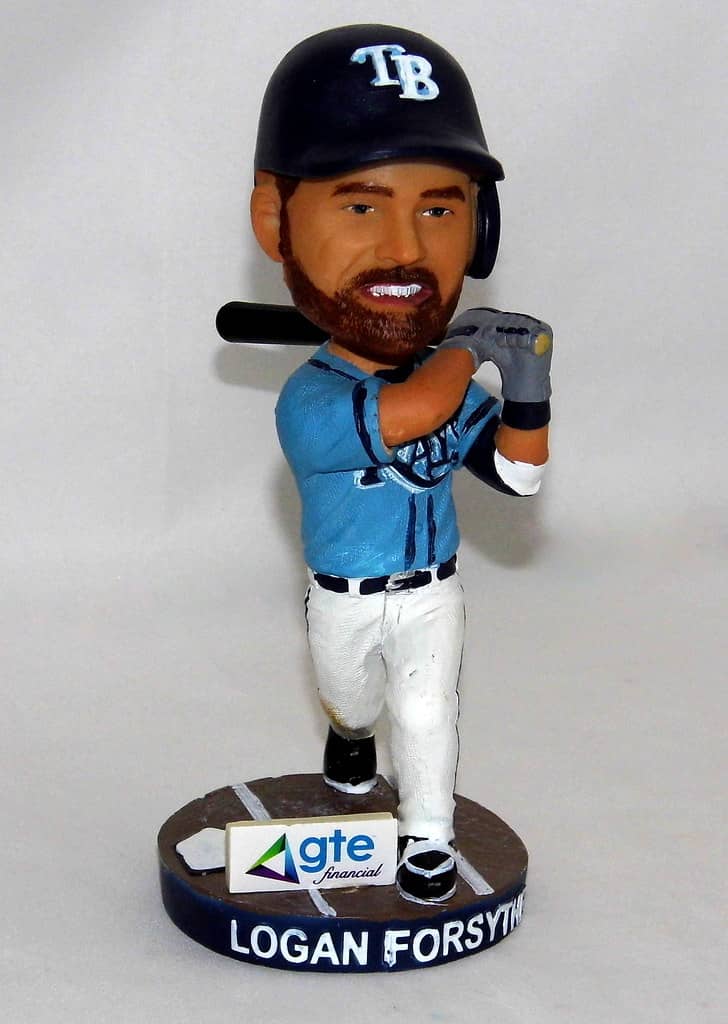
Rays Clinch the AL East in the Bronx, Locking Up the American League's Top Seed
15m ago

Buccaneers Open 0-2 for the First Time in 12 Years After a Rain-Delayed Loss to Cleveland
9h ago
Florida Outlasts Auburn 44-39 in a Shootout as Florida State Falls at Alabama
1d ago

Dolphins Fall to 0-2 After a 35-13 Loss to the 49ers in Santa Clara
1d ago