Panthers and Lightning Open Ticket Sales as the NHL Moves to an 84-Game Season
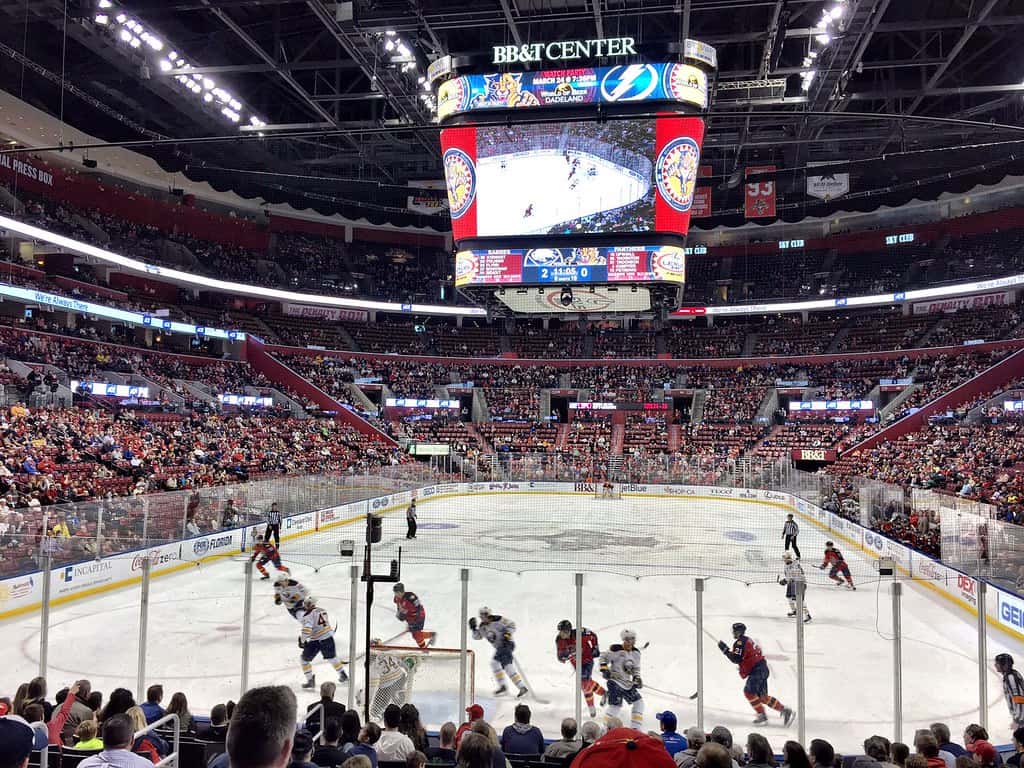
Florida Panthers single-game tickets for the 2026-27 season went on sale Thursday, August 13, at 10 a.m. Eastern, opening the on-sale calendar for one of Florida's two NHL franchises as both clubs prepare for a season expanded to 84 games from the previous 82.
The Tampa Bay Lightning have announced their own 2026-27 schedule, presented by AdventHealth, which likewise runs 84 games. The two additional games represent the first change to the NHL's regular season length in decades and carry implications for scheduling, travel and roster management across the league.
The Panthers' preseason slate includes home matchups against the Carolina Hurricanes on September 20 and the Lightning on September 26.
What an 84-game season changes
Adding two games to the regular season alters more than the standings math. A longer schedule compresses the available rest days across the same calendar window, which affects back-to-back frequency, travel routing and the load management decisions coaching staffs make with veteran players.
Statistical benchmarks shift as well. Season records established across 82-game schedules become comparisons across different denominators, a familiar issue in hockey given the league's history of 70-game, 76-game, 80-game and 82-game seasons.
Roster construction responds to schedule length. More games mean more total minutes distributed across a roster, which typically increases the value of depth and reduces the share of ice time a team can concentrate in its top players without risking late-season fatigue.
The cross-state schedule
One quirk of the 2026-27 schedule stands out for Florida hockey fans: Tampa Bay will not host the Panthers until 2027, with those home matchups falling on February 16 and March 23. Cross-state games scheduled late in a season carry the possibility of arriving with playoff positioning at stake, which tends to sharpen an already competitive rivalry.
The Panthers and Lightning have developed into one of the more consequential rivalries in the league over the past several years, driven by geography, playoff meetings and both franchises operating at a high competitive level during the same period.
The September 26 preseason meeting gives fans an earlier look, though preseason games feature limited veteran participation and lineups heavy with prospects and roster hopefuls.
Prospect development schedules
The Lightning will participate in joint practice sessions and scrimmages in Raleigh from September 13 through 15, featuring prospects from the Carolina Hurricanes, Lightning and Nashville Predators. The Panthers are not participating in that showcase this season.
Prospect showcases have become a standard element of the NHL preseason calendar, giving organizations a look at drafted players and young professionals against outside competition before main camp opens. The multi-team format provides more varied competition than an intrasquad scrimmage.
Teams make different choices about participation each year depending on the composition of their prospect pool and their development priorities. A club with a large group of young players close to NHL readiness gains more from the format than one whose prospects are further from contributing.
The Florida hockey context
Florida's two NHL franchises have become central to the state's professional sports landscape, a shift from earlier decades when hockey occupied a peripheral position in a market defined by football, baseball and basketball.
Amerant Bank Arena in Sunrise hosts the Panthers in Broward County, while Amalie Arena in downtown Tampa hosts the Lightning. Both venues operate as multi-purpose facilities hosting concerts and events beyond their hockey calendars, and both anchor entertainment districts that have developed around them.
Youth hockey participation in Florida has grown alongside the professional franchises, with rinks operating across the state's metropolitan areas. The state has begun producing NHL-caliber players, a development that would have been difficult to imagine when the franchises arrived in the 1990s.
What it means for Florida fans
Single-game tickets going on sale in mid-August gives fans an extended runway to plan around a schedule that will not begin until October. Demand patterns typically concentrate around rivalry games, weekend dates and visits from marquee opponents.
The 84-game format means one additional home date for each club relative to the previous structure, adding an opportunity for fans to attend without traveling.
Season ticket structures, group sales and partial plans generally go on sale before single-game inventory, which is the standard sequencing across professional sports. Fans who found preferred dates unavailable at the single-game on-sale may find inventory through resale markets closer to the date.
Local impact across the state
Both arenas generate substantial economic activity in their surrounding districts on game nights, filling restaurants, bars and parking operations across roughly 42 home dates each under the expanded schedule.
The Panthers' presence in Sunrise has anchored development in western Broward County, while Amalie Arena sits within Tampa's downtown waterfront district alongside the Water Street development that has reshaped that part of the city over the past decade.
Both franchises operate community programs across their regions, including youth hockey initiatives and school-based programming that extend their footprint beyond the arena calendars.
How hockey took hold in Florida
Both Florida NHL franchises arrived in the 1990s into markets with no hockey tradition, and the trajectory since has been one of the more notable expansions of the sport's geographic base.
The Lightning began play in 1992 and the Panthers in 1993, part of a broader league expansion into Sun Belt markets that drew skepticism at the time. The argument against was straightforward: hockey requires ice, ice requires cold, and markets without youth hockey infrastructure would not sustain professional franchises.
What changed the calculation was sustained competitive success combined with facility investment. Both franchises have reached the Stanley Cup Final in the modern era, and playoff runs generate the kind of attention that builds a fan base faster than regular season play.
Youth hockey infrastructure followed rather than preceded professional success. Rinks opened across both metropolitan areas, youth programs developed, and Florida began producing players who reached professional levels. That progression, professional franchise first and grassroots participation second, inverts the pattern in traditional hockey markets.
What the expanded schedule means competitively
Two additional games per season alters several things beyond the raw totals.
Point accumulation shifts, which affects playoff qualification thresholds. Teams that have historically needed a certain point total to reach the postseason will need a different one under an 84-game format, and the standings margins that separate qualifying from missing become slightly larger in absolute terms.
Schedule density is the more consequential change. Adding games within a roughly similar calendar window means fewer rest days on average, more back-to-back sets, or an earlier start and later finish. Each option carries costs, and how the league distributed those additional games affects travel burden differently for teams in different geographic positions.
Florida's two franchises face travel considerations distinct from clubs in the Northeast, where opponents cluster within short flights. Road trips from Sunrise or Tampa generally involve longer flights, and schedule density compounds that burden.
Roster depth becomes more valuable under a longer schedule, since the additional minutes have to be absorbed somewhere. Teams that can distribute ice time across four forward lines and three defensive pairings without significant drop-off are better positioned than those dependent on heavy top-line usage.
What to know before buying tickets
Single-game inventory in the NHL moves differently than in leagues with shorter home schedules, and buyers benefit from understanding the pattern.
Season ticket holders, group buyers and partial plan holders claim inventory before single-game sales open, which is why certain dates appear limited immediately at the public on-sale. Weekend games, rivalry matchups and visits from high-profile opponents are typically the first to constrain.
Dynamic pricing has become standard across professional sports, meaning face value on a given seat changes based on demand rather than remaining fixed. Prices for high-demand dates rise as the game approaches; prices for lower-demand dates can fall.
Resale markets provide a secondary channel, and prices there can run above or below face depending on the matchup and timing. Both franchises operate official resale platforms alongside third-party markets.
For the cross-state matchups, buyers should note that the Panthers do not visit Tampa until February 16 and March 23, meaning fans in the Tampa Bay market wanting to see that rivalry at home face a long wait after the preseason meeting on September 26.
The preseason calendar ahead
Both Florida clubs move through a September sequence that precedes the regular season, and the stages serve distinct purposes.
Prospect activity comes first, with showcases and rookie camps giving organizations a look at drafted players and young professionals. The Lightning participate in the Raleigh sessions from September 13 through 15; the Panthers are not taking part this year.
Main training camp follows, bringing veterans together with prospects competing for roster spots. Camp includes fitness testing, on-ice sessions and intrasquad scrimmages before preseason games begin.
Preseason games distribute ice time between established players building toward game condition and roster hopefuls being evaluated. Lineups in early preseason games are heavily weighted toward players competing for jobs, with veteran participation increasing as the opener approaches.
Final roster decisions come at the end of that sequence, with waivers and minor league assignments resolving before the regular season begins in October.
Fans should also note that preseason ticket pricing and availability follow different patterns than regular season inventory, since preseason demand is lower and lineups feature fewer established players. The September 26 cross-state preseason meeting between the Panthers and Lightning is an exception, drawing interest that a typical exhibition does not.
What's next
Training camps for both clubs open in September, followed by preseason schedules including the Panthers' home dates against Carolina on September 20 and Tampa Bay on September 26.
The Lightning's prospect showcase participation in Raleigh from September 13 through 15 precedes main camp, giving the organization an early look at its young players.
The regular season opens in October under the new 84-game format, with the first Panthers visit to Tampa not arriving until February 16.
Spotted an issue with this article?
Have something to say about this story?
Write a letter to the editor