Panthers Open Training Camp With Sasha Barkov Back and a Two-Week Runway to the Season
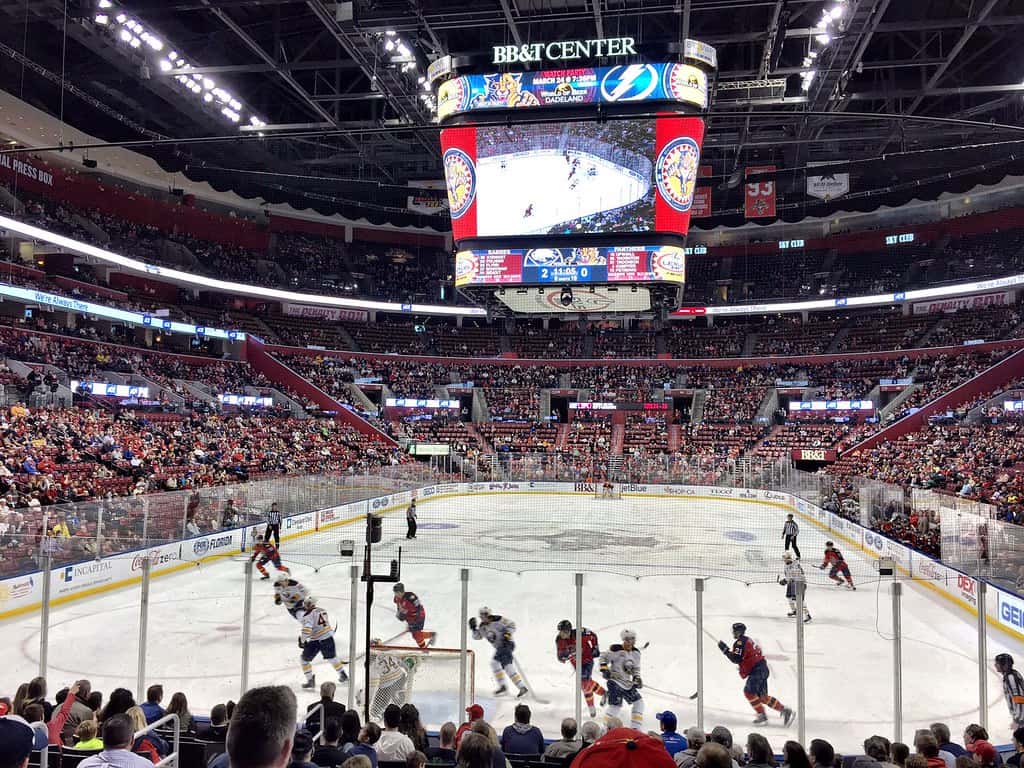
The Florida Panthers opened their 2026-27 training camp in Fort Lauderdale on Thursday with 51 players on the roster, and the most significant name among them belongs to a player who did not appear in a single game last season. Captain Sasha Barkov returned to the ice roughly one year after suffering a knee injury during his first practice of the previous camp, an injury that cost him the entire 2025-26 campaign.
The camp roster consists of 30 forwards, 16 defensemen, and five goaltenders, with goaltender Jacob Markstrom among the new faces. The club has a compressed runway to the regular season, with only two weeks of camp before its opener on September 29 in Raleigh against the Carolina Hurricanes.
The brevity is not a Panthers-specific choice. Under the new collective bargaining agreement, training camp is limited to two weeks with four preseason games, and veteran players with at least 100 NHL games are required to appear in only two of them. That is a substantial change from the longer camps and heavier exhibition schedules of prior years.
Barkov's return
Barkov's absence last season removed the single most important player from a team that had defined the sport for several years. He is the club's captain, its defensive conscience, and the center around whom Florida's structure is built, and replacing that role is not a matter of finding a comparable point producer.
Knee injuries of the severity that costs a full season carry uncertainty even after a player is cleared. The timeline for returning to skating is different from the timeline for returning to game speed, and different again from the timeline for returning to the physical engagement that defines a two-way center's job.
Participating in the opening of camp is a meaningful marker, and it puts him on a path toward the season opener. How he is managed through the preseason will indicate how the organization views his readiness, and the new CBA's reduced exhibition requirement for veterans gives the club flexibility to bring him along carefully.
Where the Panthers are coming from
Florida's recent history is unusual in professional sports. The franchise reached the summit of the sport, and then, in the season that followed, became the first defending champion in roughly a decade to miss the playoffs entirely, a collapse that is difficult to explain through any single factor.
Injuries were a substantial part of it, with Barkov's season-ending knee injury at the very start of camp setting a tone. Championship hangover is a real phenomenon in the NHL, where deep playoff runs add the equivalent of a quarter of a regular season in games played and compress the following offseason.
Whatever the mix of causes, the 2026-27 season begins with the organization needing to demonstrate that the collapse was circumstantial rather than structural. That is the central question of the year.
The goaltending change
Jacob Markstrom's presence among the new faces at camp represents a significant addition. Goaltending is the position where a single player can most dramatically change a team's results, and it is the position where NHL teams are most willing to make substantial commitments.
Markstrom brings extensive NHL experience, and his arrival gives the Panthers a veteran presence in a crease that has cycled through multiple approaches. Whether he starts the majority of games or splits the workload will be one of the storylines of camp.
The modern NHL has moved toward tandem goaltending, with teams distributing starts more evenly across two netminders to manage fatigue over an 82-game schedule. How the Panthers structure their crease will reveal how they intend to manage the season as a whole.
What the new CBA changes
The compressed two-week camp with four preseason games is one of several structural changes taking effect, and its practical implications are significant for coaching staffs. Less camp time means less opportunity to install systems, integrate new players, and evaluate prospects under game conditions.
The requirement that established veterans appear in only two preseason games shifts exhibition ice time toward younger players and camp invitees, which improves evaluation of the prospect pipeline while reducing the coherence of preseason lineups. Teams get more information about their depth and less about their intended top-six.
For a team like Florida, with an established core and a veteran roster, the compressed schedule arguably favors them relative to a rebuilding club that needs camp time to sort out its lineup. Experienced teams can reinstall familiar systems faster.
The roster picture
Fifty-one players in camp for 23 roster spots means a substantial portion of the group is competing for a small number of openings or is present for evaluation before being assigned to the minors. The defensive group of 16 is deep, which typically signals either genuine competition or an organization stockpiling depth against injury.
Professional tryout agreements, which the club added to the camp roster, are the mechanism by which teams evaluate unsigned veterans without financial commitment. Players on such agreements are competing for contracts, and a strong camp can turn into a roster spot.
Salary cap management shapes all of this. The cap has risen in recent years, which has eased some of the pressure that forced contending teams into difficult roster decisions, but every contending club still operates within constraints that determine which depth pieces it can keep.
The Atlantic Division landscape
Florida shares its division with Tampa Bay, which creates one of the more compelling in-state rivalries in professional sports and produces a schedule in which the two clubs meet repeatedly. Both franchises have been at or near the top of the sport within the past several years.
The Atlantic also contains Toronto, Boston, and Ottawa, which makes it consistently among the more competitive divisions in the league. Playoff positioning frequently comes down to the final weeks, and the wild card structure means a team can finish third in the Atlantic with a record that would win another division.
For a team returning from a missed postseason, the division's strength raises the bar. There is no soft path back to the playoffs in the Atlantic.
The Tampa Bay comparison
Florida's in-state rival has navigated its own post-championship period, and the comparison between the two franchises has become a recurring subject among hockey analysts. Both built contenders through aggressive roster construction, both won, and both faced the cap and roster consequences that follow.
The two clubs' meetings during the regular season draw attention disproportionate to their standings implications, and playoff meetings between them have produced some of the more memorable series in recent league history.
Florida hockey, once a novelty, now supports two of the league's most prominent franchises, and the state has developed a youth hockey pipeline that has begun producing NHL players, a development that would have seemed improbable a generation ago.
What a healthy Barkov changes
A fully healthy Barkov reorganizes Florida's lineup from the top down. His defensive responsibility allows the coaching staff to deploy other centers in more favorable situations, which lifts production throughout the forward group without any individual player improving.
He also changes special teams. Elite two-way centers anchor penalty kills, and the difference between a top penalty kill and a middling one over 82 games is worth several standings points, which in a tight division decides playoff position.
The caveat is that a player returning from a full season lost to injury is not automatically the player he was. Rust is real, timing takes games to recover, and the physical confidence to engage in puck battles returns on its own schedule.
What it means for Florida hockey fans
For Panthers supporters, camp opening with a healthy captain is the most encouraging possible start to the year. The franchise's fall from champion to outside the playoff picture was steep enough that a return to contention requires exactly the kind of health the club lacked last season.
The two-week camp means the season arrives quickly, with the opener on September 29 in Carolina. Fans looking to evaluate the team will have limited preseason viewing, and what they do see will feature more prospects than regulars.
Ticket and attendance patterns in South Florida have followed the team's success closely, and the arena environment during the championship runs was among the loudest in the league. Whether that atmosphere returns depends on the product on the ice.
The broader South Florida sports calendar
The Panthers' camp opening coincides with a crowded moment on the regional calendar. The Miami Heat are preparing for a season that begins with media day at the end of September following a dramatic offseason roster change, and the Dolphins are early into their NFL schedule.
Inter Miami continues its MLS season, and the Miami Hurricanes are ranked in the top five nationally in college football. That concentration of simultaneous relevance is unusual even for a market with as many teams as South Florida.
For fans, it means competition for attention and for discretionary spending. For the teams, it means every organization is fighting for share of a market that is large but not unlimited.
What's next
The Panthers work through two weeks of camp and four preseason games before opening the regular season on September 29 against Carolina. Roster decisions will come quickly given the compressed timeline, with cuts made on an accelerated schedule relative to prior years.
Barkov's usage through the preseason will be the clearest indicator of how the organization views his recovery. A measured approach would be consistent with standard practice for a player returning from a major knee injury and should not be read as a setback absent other information.
The season itself will answer the larger question. A franchise that won at the highest level and then missed the playoffs entirely needs a year that clarifies which of those outcomes reflects what this team actually is.
Spotted an issue with this article?
Have something to say about this story?
Write a letter to the editorComments
No comments yet. Be the first to weigh in.
Related Coverage
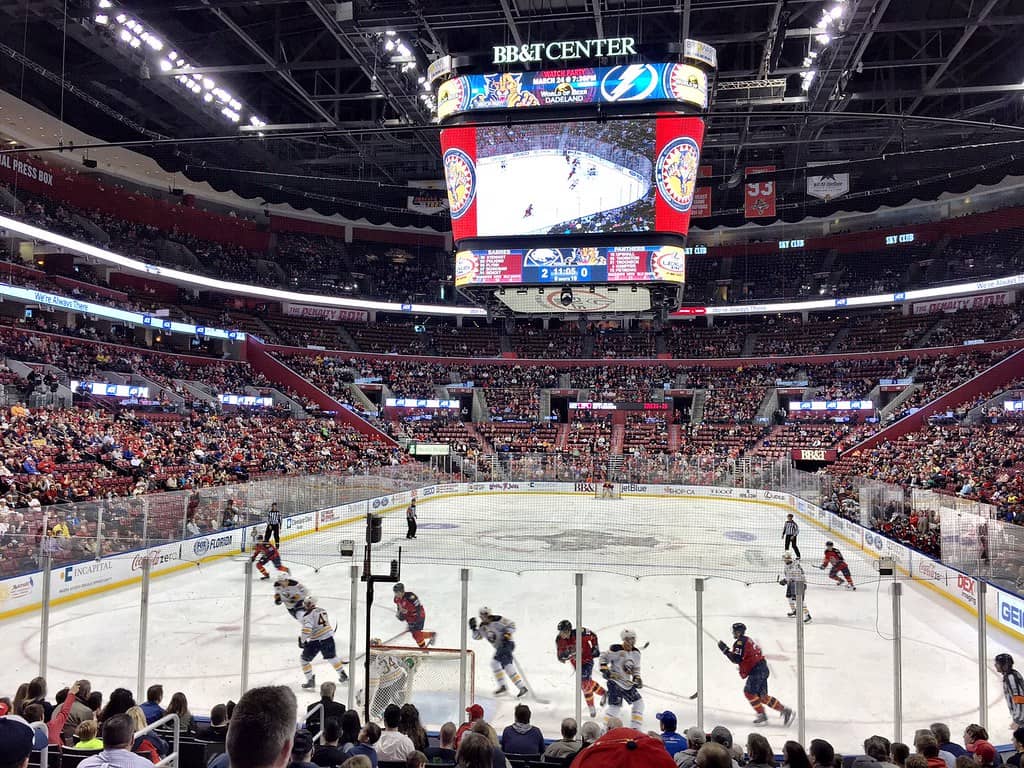
Panthers and Lightning Open Training Camps on the Same Day
1d ago
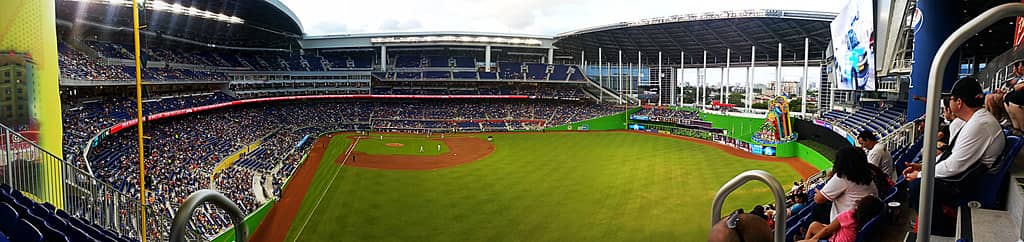
The Marlins Have 23 Games to Chase a Wild Card, and 18 Are Against Teams Ahead of Them
2d ago
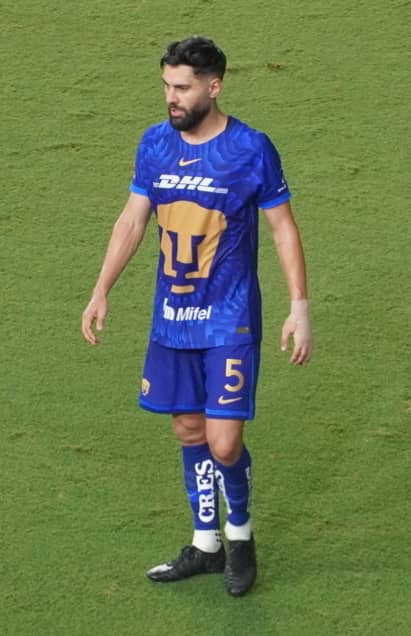
Messi Leads MLS Scoring as Inter Miami Chases Nashville in the East
2d ago
Gators Rout Campbell 52-3 in Final Tune-Up Before SEC Play
4d ago