Severe Turbulence on Avianca Flight Sends 8 to Miami Hospitals After Emergency Diversion
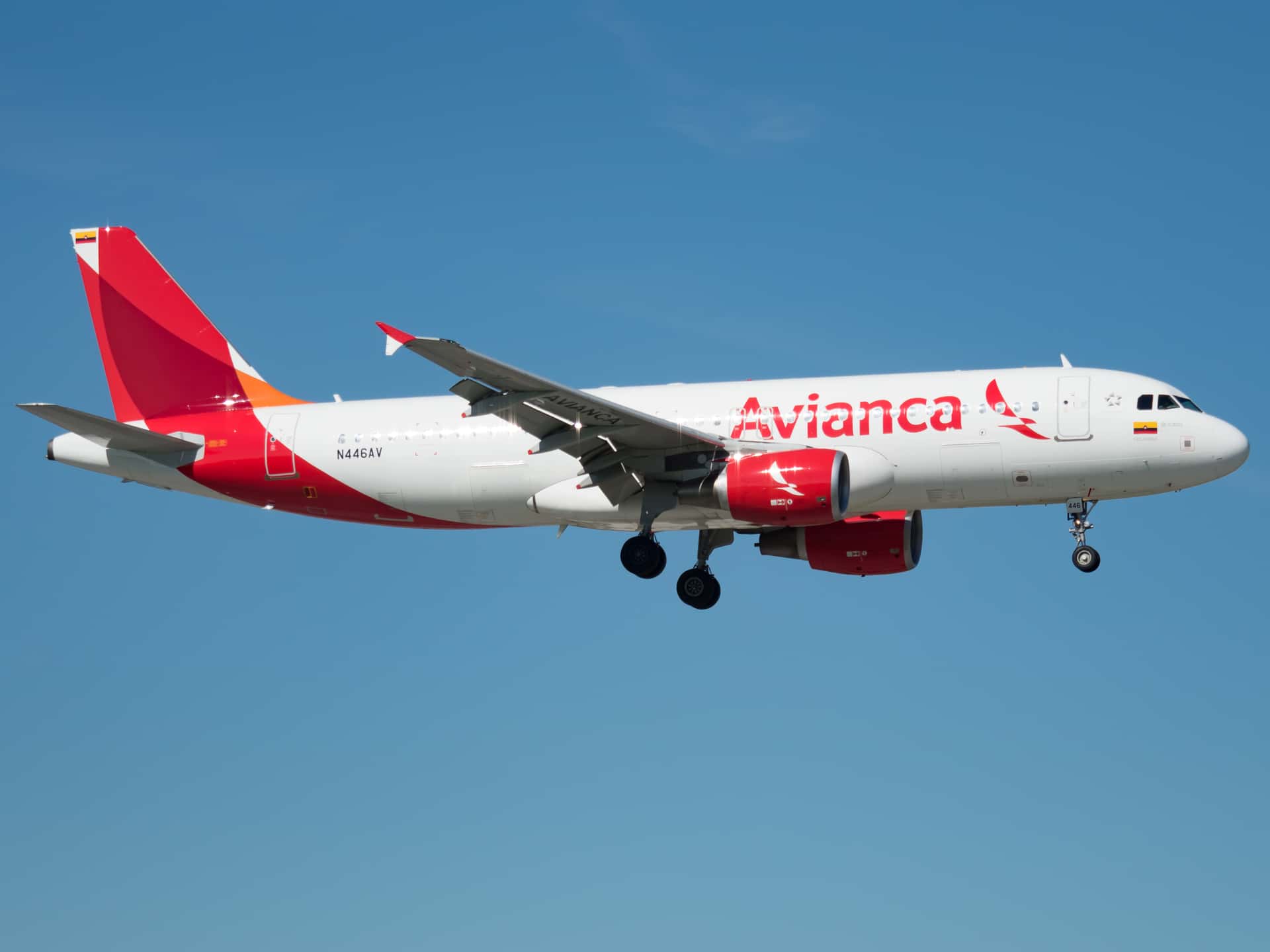
An Avianca jet bound for New York diverted to Miami International Airport early Friday after severe turbulence injured passengers and crew, sending eight people to hospitals, one of them to a trauma center, according to Miami-Dade Fire Rescue. Avianca Flight 42, an Airbus A320 flying from Medellín, Colombia, to John F. Kennedy International Airport, landed safely in Miami around 3:30 a.m. on Oct. 9, airport and fire officials said.
The Federal Aviation Administration said it would investigate, CBS News Miami reported. By Friday evening, Jackson Memorial Hospital said seven of the people it had treated had been discharged.
What happened aboard Flight 42
Miami International Airport officials said the flight was headed to JFK when severe turbulence was reported and the crew diverted to Miami. Miami-Dade Fire Rescue said it transported one person to the trauma center and seven others to local hospitals. Fire rescue officials did not disclose the extent of the injuries.
Avianca's count was slightly higher. The airline told CBS News Miami that nine people were affected by the turbulence: six passengers and three members of the cabin crew. Local 10 News and NBC6 crews at the airport saw what appeared to be at least one flight attendant among those being treated.
It was not clear exactly when during the flight the turbulence struck, or whether the injured passengers were belted in at the time. Cellphone video aired by NBC6 and Telemundo 51 appeared to show passengers holding ice packs to their heads while being told to keep their seat belts fastened. Some reports cited weather in the area, but authorities had not confirmed a cause as of Saturday.
Avianca described the diversion as a precaution taken under its safety protocols and said its airport team was helping passengers continue to New York. The aircraft sat at Miami for several hours before departing for JFK a little after 8 a.m. with the remaining passengers, according to airport officials.
Hospital and investigation updates
Jackson Memorial Hospital, home to the Ryder Trauma Center, said Friday evening that seven people in its care had been discharged, according to CBS News Miami. The status of the eighth person was not publicly known.
The FAA said it would investigate the incident. The National Transportation Safety Board had not announced an investigation of its own as of Saturday morning.
Publicly available flight-tracking data has drawn attention online. One aviation news site reported that the jet climbed to about 36,000 feet over Cuba and then descended roughly 25,000 feet within minutes, while cautioning that a rapid descent can also reflect a crew bringing an aircraft down quickly for an unplanned landing with injured people aboard. Investigators had not released any official account of the aircraft's altitude changes.
Passengers described a frightening scene on arrival. Passenger Maria Paula Jimenez told CBS News Miami she saw several ambulances waiting when the plane landed and said that "it wasn't normal."
Why turbulence injuries keep happening
Turbulence is one of the most common causes of injuries on large commercial jets, and those hurt are most often working crew members. A 2021 NTSB report counted 111 turbulence-related accidents involving at least one serious injury on U.S. airline flights from 2009 through 2018. Flight attendants, who are frequently standing and moving through the cabin, made up 78.9% of the seriously injured.
FAA figures show a similar pattern. The agency counted 146 serious turbulence injuries from 2009 through 2021, and 116 of them, or 79%, were crew members. The NTSB found that most passengers who were seriously injured were either out of their seats or seated with their seat belts unfastened.
That is why aviation safety officials repeat the same advice after each incident: keep the seat belt fastened whenever seated, even when the sign is off, and secure small children in an approved seat.
The Miami connection
Miami International is a natural landing spot for a troubled flight from South America. The airport handled about 55.3 million passengers in 2025, roughly 24.9 million of them international, according to its year-end figures, and it ranks second among U.S. airports for international passengers behind JFK. Colombia was MIA's largest foreign market in 2025.
Avianca, Colombia's largest carrier, has been adding Miami routes. MIA's list of 2025 service launches includes Avianca flights from Miami to San José, Costa Rica; Guatemala City; and Guayaquil, Ecuador. Miami-Dade Fire Rescue maintains an aircraft rescue and firefighting operation at the airport, which allowed crews to meet the plane on arrival.
What injured passengers can claim
Because the flight was international, aviation attorney Pablo Rojas told CBS News Miami that the Montreal Convention would likely govern any injury claims. The treaty, which both the United States and Colombia have joined, sets the rules for airline liability on most international trips.
Under the convention, an airline is liable for bodily injury caused by an accident on board. For damages up to 151,880 Special Drawing Rights, an International Monetary Fund unit worth roughly $200,000 at recent exchange rates, the airline cannot escape liability by showing it was not at fault. That limit took effect Dec. 28, 2024, under the treaty's five-year inflation review. For damages above it, the airline can avoid paying the excess if it proves the injury was not caused by its negligence. Passengers on international itineraries can generally bring claims in the country of their principal residence if the airline operates there, which matters for Florida residents flying foreign carriers.
Passengers who were not hurt but missed connections have fewer protections. Rebooking and accommodations after a diversion are generally governed by the airline's own contract of carriage rather than U.S. compensation rules.
What's next
The FAA has not said how long its review will take or what it will examine. Key open questions include exactly when and where the turbulence struck, whether the seat belt sign was illuminated and whether weather along the route was forecast. Any update on the condition of the remaining injured person would come from Jackson Health System or the airline. For South Florida travelers, the incident is a reminder that MIA often serves as the emergency landing point for flights between Latin America and the Northeast.
Spotted an issue with this article?
Have something to say about this story?
Write us a letterComments
No comments yet. Be the first to weigh in.
Related Coverage

Every Florida Child Now Has a Trump Account, but Parents Must Claim It to Unlock the $1,000
4h ago
Businessman Samir Handal Pleads Not Guilty in Miami as Federal Case Over Haitian President's Assassination Expands
5h ago

Panhandle Roads and Bridges Reopen After Isaias, but Pensacola and Okaloosa Airports Stay Closed
1d ago

Ex-CIA official pleads guilty in $194 million fraud, will forfeit $102 million in Palm Beach and Hobe Sound real estate
1d ago