SpaceX Keeps Florida's Space Coast Humming With Relentless Falcon 9 Launch Cadence
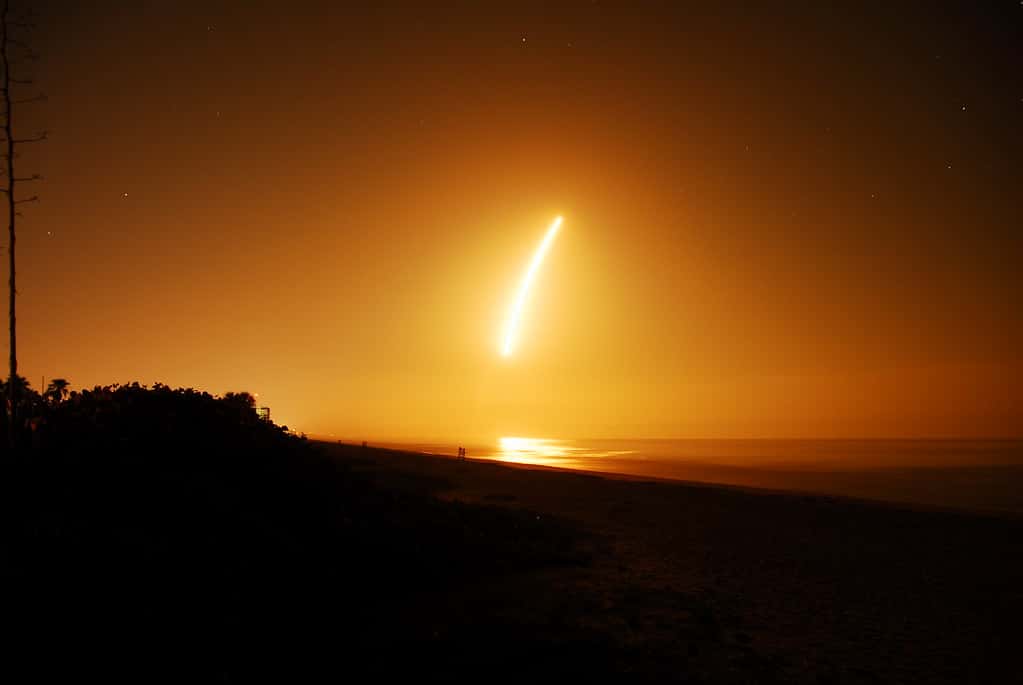
Florida's Space Coast keeps roaring to life with a relentless cadence of rocket launches, as SpaceX continues to send Falcon 9 rockets skyward from Cape Canaveral at a pace that has made the stretch of Brevard County coastline the busiest launch hub on the planet. The steady drumbeat of liftoffs, many of them carrying batches of Starlink internet satellites, has become a defining feature of the region and a powerful economic engine for Central Florida.
Each launch sends a thunderous reminder across the Space Coast that the modern era of spaceflight is centered here, where SpaceX, alongside other operators, has transformed a historic launch site into a high-frequency gateway to orbit. The cadence has reached levels that would have seemed unimaginable a generation ago, when launches were rare events rather than routine occurrences that can happen multiple times a week.
That transformation did not happen overnight. It is the product of years of sustained investment in launch infrastructure, reusable rocket technology, and a deliberate strategy to lower the cost of getting hardware to orbit. The cumulative effect of that work is now visible in the sheer number of liftoffs that residents along the Brevard County shoreline witness each month.
The relentless pace
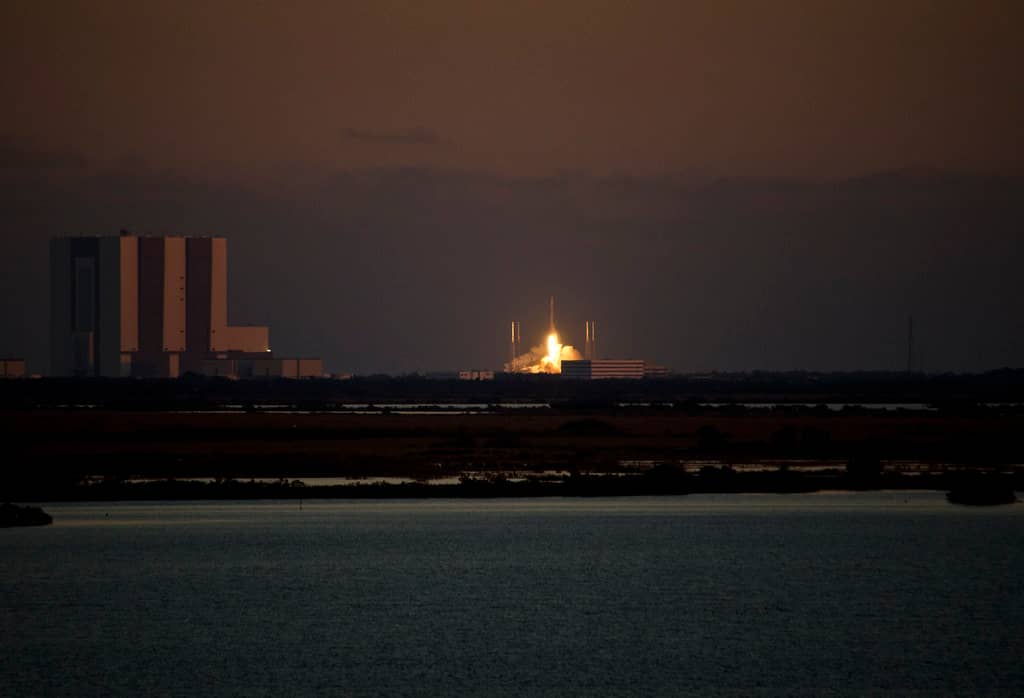
SpaceX's operations from Cape Canaveral Space Force Station have settled into a rhythm of frequent Falcon 9 flights, with the company regularly launching missions to deploy its Starlink constellation. A recent launch from Space Launch Complex 40 lifted off in the early morning, adding another batch of broadband satellites to the company's low Earth orbit network after a brief weather-related delay pushed the attempt back a day.
That mission was typical of the operation. The Falcon 9 first stage, a veteran booster on one of many flights, landed on a drone ship stationed in the Atlantic minutes after liftoff, the kind of reusable-rocket recovery that has become routine and that underpins the economics enabling such a high launch rate. Weather scrubs and 24-hour delays are part of the rhythm, but the cadence persists, with missions stacking up week after week.
The operational rhythm requires precise coordination between SpaceX, the Space Force, the Federal Aviation Administration, and a network of maritime and aviation safety teams. Each launch window must be carefully managed so that the rapid tempo of flights does not create conflicts between missions or compromise the safety margins that govern access to the range. The fact that this coordination has become routine is itself a testament to how thoroughly the industry has matured.
Behind every launch is a ground operation that begins days or even weeks before the rocket rolls to the pad. Booster inspections, payload integration, fueling rehearsals, and range safety reviews all feed into the countdown. The high launch rate demands that these processes run in parallel across multiple vehicles at once, requiring a workforce and a logistical apparatus that are considerably larger and more complex than anything the range supported in earlier decades.
Starlink and the satellite boom
Much of the launch volume is driven by Starlink, the satellite internet constellation that requires a continuous stream of launches to build out and maintain. Each Falcon 9 carries a stack of satellites that join the growing network providing broadband connectivity around the world. The constellation's appetite for launches has been a major factor in the surge of activity off Florida's coast.
The Starlink deployment represents a fundamental shift in how space is used, with thousands of satellites operating in low Earth orbit to deliver internet service to remote and underserved areas. For the Space Coast, the project translates into a steady pipeline of launches that keeps facilities busy, crews employed and the region's space economy thriving on consistent, high-frequency demand.
The implications of a large broadband constellation extend well beyond the Space Coast. Communities in rural and maritime regions that previously lacked reliable connectivity gain access to high-speed internet, with meaningful consequences for healthcare, education, and commerce. Each launch from Cape Canaveral therefore carries a broader significance, linking the industrial activity along a Florida shoreline to users scattered across continents and oceans.
Maintaining a constellation of this scale also requires ongoing replenishment flights as older satellites reach the end of their operational lives and are deorbited. That ongoing replacement cycle is one reason the launch demand is not simply a one-time construction project but a durable, recurring need that sustains the cadence well into the future regardless of when the initial buildout is considered complete.
An economic engine for Central Florida
The launch boom has profound economic implications for Brevard County and the broader Central Florida region. The space industry supports a large and growing workforce, from engineers and technicians to the service businesses that cater to the workers and visitors the industry attracts. The high cadence of launches sustains demand for that workforce and reinforces the region's identity as a center of aerospace activity.
Tourism is another beneficiary. Rocket launches draw spectators to the beaches and viewing areas along the Space Coast, filling hotels and restaurants and giving the region a unique attraction that no other part of the country can match at the same frequency. The combination of high-tech employment and launch tourism has made the space sector a cornerstone of the local economy.
The economic ripple effects extend into adjacent industries. Suppliers of precision components, propellant, ground support equipment, and specialized services all cluster around the launch corridor, creating a dense ecosystem of aerospace commerce. Local colleges and universities have responded by expanding aerospace and engineering programs to ensure a pipeline of qualified graduates ready to fill the roles that this growing sector demands.
A historic launch site reborn
Cape Canaveral and the adjacent Kennedy Space Center occupy a storied place in the history of American spaceflight, having launched the missions that defined the space race and the shuttle era. After a quieter period following the retirement of the space shuttle, the region has been revitalized by the rise of commercial spaceflight, with SpaceX leading a resurgence that has restored the Space Coast to the forefront of launch activity.
The transformation reflects the broader shift toward commercial operators taking on roles once reserved for government programs. Private companies now drive much of the launch volume, and the Space Coast has adapted to host their operations alongside continued government and military missions. The result is a launch tempo that has eclipsed historic peaks and shows little sign of slowing.
The physical infrastructure of the range has evolved alongside the change in operators. Launch complexes that once stood dormant have been refurbished and upgraded, landing zones have been built where none existed before, and processing facilities have been expanded to handle a volume of vehicles that would have overwhelmed the range in earlier configurations. The investment required to bring this infrastructure to its current state reflects the long-term confidence that both commercial operators and government agencies have placed in the region.
Workforce and community identity
For many Space Coast residents, the launch cadence is not simply a news story or an economic statistic; it is woven into the fabric of daily life. Schools incorporate space themes into curricula, community organizations track upcoming launches as local events, and families plan outings around scheduled liftoffs. The industry has given the region a distinct identity that shapes how it presents itself to the wider world and how its residents understand their own place in a larger story.
The workforce that supports this activity represents a cross-section of engineering disciplines, from propulsion and avionics to software and materials science. Many employees have built careers on the Space Coast through multiple cycles of the industry, carrying institutional knowledge that is difficult to replicate and that gives the region a depth of expertise beyond what raw numbers alone convey. Attracting and retaining this talent has become a priority for companies and local governments alike, and the strength of the current launch cadence has made the argument for staying or relocating considerably easier to make.
Beyond SpaceX
While SpaceX dominates the cadence, it is not the only player on the Space Coast. Other operators are increasingly active in the region, and the broader ecosystem of launch providers, including those developing new vehicles and missions, adds to the activity. The diversity of operators strengthens the region's position as a comprehensive launch hub capable of supporting a wide range of missions and customers.
The continued investment in launch infrastructure and the arrival of additional vehicles signal that the Space Coast's busy era is likely to extend well into the future. As more companies pursue ambitious space programs, the demand for launch capacity grows, and Florida's coastline is positioned to capture a large share of that activity given its established facilities and favorable geography.
Why it matters for Florida
The space industry represents one of Florida's most important growth sectors, offering high-paying jobs and diversifying an economy long dependent on tourism and real estate. The Space Coast's success demonstrates the state's ability to compete at the cutting edge of technology, and the steady cadence of launches keeps Florida at the center of the new space age.
For residents of Central Florida, the launches are both an economic boon and a source of pride, a near-constant reminder that some of humanity's most advanced endeavors unfold in their backyard. The rumble of a Falcon 9 climbing toward orbit has become part of the rhythm of life on the Space Coast, a signal of the region's vitality and its starring role in the exploration and commercialization of space.
What's next
The launch schedule shows no signs of letting up, with more Starlink missions and other flights on the calendar as operators press forward with ambitious programs. The Space Coast is poised to remain the busiest launch site in the world, and the cadence that has defined recent years appears set to continue or even accelerate.
As the commercial space sector matures and new vehicles come online, Florida's role as the nation's premier gateway to orbit is likely to deepen. The relentless pace of launches from Cape Canaveral is more than a series of individual missions; it is the steady heartbeat of an industry that has reshaped the region and secured Florida's place at the forefront of the space economy.
Spotted an issue with this article?
Have something to say about this story?
Write a letter to the editor