SpaceX Launches Classified NROL-95 Mission From Cape Canaveral
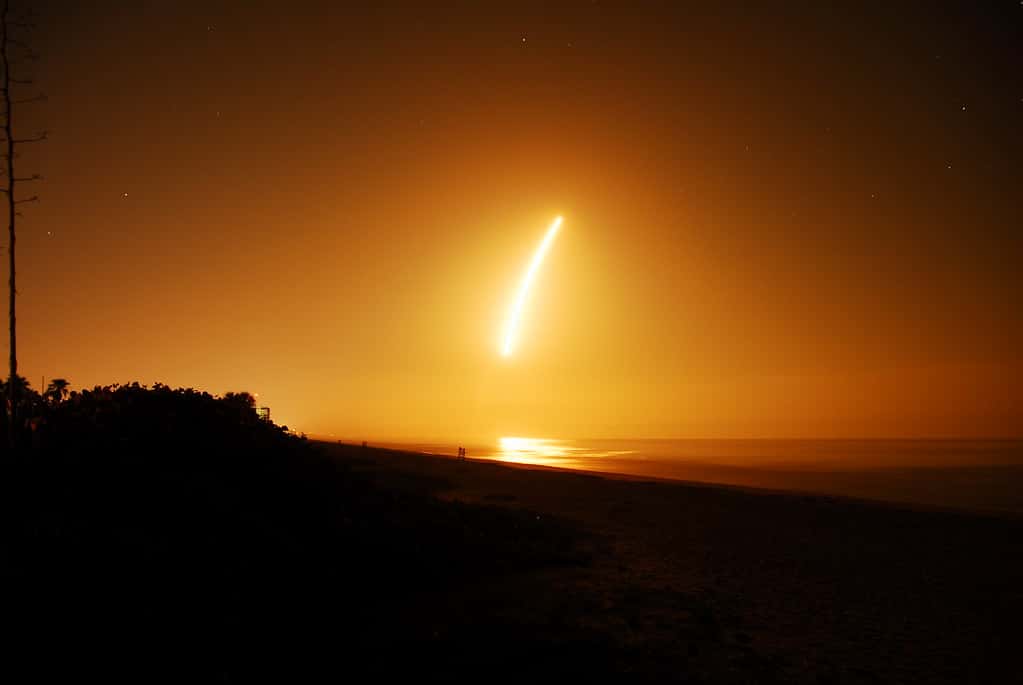
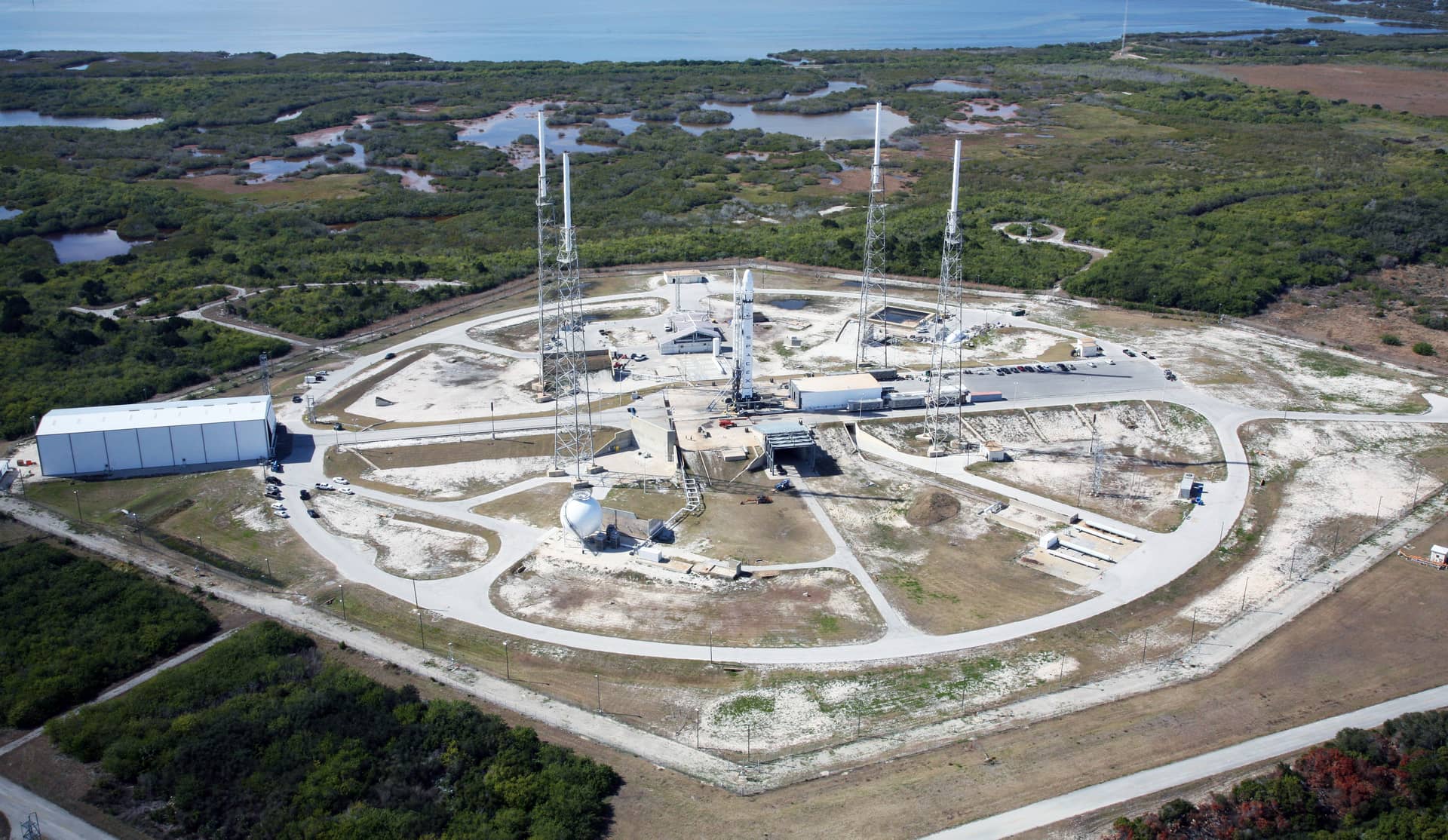
A SpaceX Falcon 9 rocket lifted off from Space Launch Complex 40 at Cape Canaveral Space Force Station on July 30 carrying the classified NROL-95 mission for the National Reconnaissance Office. Liftoff occurred at 3:10 a.m. Eastern, and the agency that operates the nation's fleet of reconnaissance satellites provided no details about the payload or its intended activities. The launch extends a cadence from Florida's Space Coast that has made the region the busiest orbital launch site in the world and a growing pillar of the state's economy.
What is known about the mission
The National Reconnaissance Office designs, builds, and operates the United States government's reconnaissance satellites, supplying imagery and signals intelligence to defense and intelligence agencies. Missions carrying the NROL designation are classified, and the agency typically releases only a mission patch and a name.
Launch coverage of classified missions generally ends shortly after the vehicle leaves the atmosphere, when broadcasts cut away before payload deployment. The publicly observable portions include liftoff, first stage separation, and in most cases the booster landing, since recovery operations occur in view of tracking assets.
The mission flew from Space Launch Complex 40, one of SpaceX's two Florida launch sites alongside Launch Complex 39A at Kennedy Space Center. The pad has become the workhorse facility for the company's Florida operations, supporting Starlink deployments, commercial missions, and national security launches.
Florida's launch cadence this year
The NROL-95 launch is one entry in a sustained series of missions flown from the Space Coast in 2026. Earlier in July, SpaceX launched a Starlink mission from the same complex, with liftoff at 10:35 p.m. Eastern on July 14 and the first stage booster completing its 28th flight before landing on a droneship in the Atlantic.
The company has also marked reusability milestones this year, including flying a booster for a record 36th flight and reaching the 600th flight of a previously flown Falcon booster. Those numbers illustrate how far reuse has progressed from an experimental capability to routine operations, and how that progression has driven launch frequency.
Kennedy Space Center supported NASA's Artemis II mission earlier this year, when the Space Launch System and Orion spacecraft lifted off from Launch Complex 39B on April 1 carrying four astronauts on a lunar flyby. That mission represented the first crewed launch of the SLS and Orion system.
Why the cadence matters to Florida
The economic footprint of the launch industry in Brevard County has expanded substantially over the past decade. Launch operations require technicians, engineers, range personnel, logistics staff, and the supplier base that supports all of them, and that employment is concentrated in a relatively small geographic area.
Rocket manufacturer Relativity Space is planning a Space Coast expansion that state officials say will create thousands of high-paying jobs by 2034, including additional Terran R production capacity and expanded test and launch infrastructure at Kennedy Space Center and Cape Canaveral. A parcel at Space Coast Regional Airport in Titusville has been identified as a leading candidate for a manufacturing campus valued near $350 million.
Tourism follows launches as well. Launch viewing has become a draw for visitors to the Space Coast, and Kennedy Space Center Visitor Complex operates as a significant attraction independent of any individual mission. Coastal communities from Titusville through Cocoa Beach benefit from the visitation that a high launch cadence generates.
The national security dimension
Classified launches from Florida serve national defense functions that connect the state to the broader security apparatus. Reconnaissance satellites support military operations, treaty verification, disaster assessment, and intelligence collection, and the launch capability that places them in orbit is treated as a strategic asset.
The Space Force's establishment as a separate service branch elevated the institutional profile of Cape Canaveral Space Force Station and Patrick Space Force Base in Brevard County. Both installations contribute substantially to the regional economy and to Florida's overall military footprint.
Competition for national security launch contracts has expanded as additional providers have certified vehicles. That competition affects pricing and schedule availability, and it has drawn additional companies to establish Florida operations in order to access the range and the supporting infrastructure.
Operational effects for residents
Launches affect the surrounding area in practical ways. Road closures near the Cape occur during launch windows, and sonic booms from returning boosters are audible across a wide area of Brevard County and sometimes beyond, particularly during return-to-launch-site landings.
Airspace and maritime restrictions accompany each launch, affecting general aviation and boating in designated zones. The Coast Guard and Federal Aviation Administration publish those restrictions in advance, and the frequency of launches has made them a routine part of regional operations.
Weather remains the most common cause of launch delays. Florida's summer convective pattern produces afternoon thunderstorms that regularly force scrubs, which is part of why many launches are scheduled for overnight or early morning windows during the summer months.
What the trajectory suggests
Launch demand continues to exceed available capacity at certain performance points, driven by satellite constellations, national security requirements, and commercial missions. That demand is what supports the manufacturing investment now being planned on the Space Coast.
Relativity has indicated that its Terran R vehicle could conduct a first launch from Launch Complex 16 at Cape Canaveral before the end of the year. First flights of new vehicles frequently slip, and the industry treats initial target dates as aspirational, but a debut would add another operator to Florida's launch inventory.
The concentration of launch, manufacturing, test, and mission operations within a single metropolitan area is unusual globally, and it is itself an attractant for companies evaluating where to locate. That clustering effect has compounded over the past decade and shows no sign of reversing.
How the range operates
The Eastern Range, operated by Space Launch Delta 45 at Patrick Space Force Base, provides the tracking, safety, and scheduling infrastructure that supports launches from both Cape Canaveral Space Force Station and Kennedy Space Center. Every launch from Florida's coast depends on range availability and range safety approval.
Range modernization has been central to the increase in launch cadence. Autonomous flight safety systems, which allow a vehicle to terminate its own flight if it deviates from approved parameters, replaced the older model requiring human range safety officers to make that determination. That change substantially reduced the turnaround time between launches.
Scheduling conflicts still occur. Multiple operators competing for windows, weather constraints, and the processing time each pad requires between launches all limit how tightly missions can be packed. Those constraints are what the infrastructure investment now underway on the Space Coast is intended to relieve.
The commercial and civil mix
Florida's launch manifest combines commercial satellite deployments, national security missions, NASA science and exploration launches, and crewed flights to the International Space Station. That diversity insulates the region's launch economy from downturns in any single segment.
Starlink deployments have represented a substantial share of recent launch volume, and they function as a baseline that keeps pads and crews active between higher-profile missions. That steady cadence is part of what allowed SpaceX to reach the reuse milestones recorded this year.
Crewed launches carry the highest public profile and the most stringent requirements. Kennedy Space Center's role in human spaceflight, from the Apollo program through the shuttle era to current operations, remains the center's defining function and the anchor of its workforce.
What residents can see and hear
Launch visibility from the Space Coast depends on time of day, weather, and trajectory. Night launches are visible across a wide area of Central Florida and sometimes well beyond, and the plume from a launch during twilight hours can be visible for hundreds of miles under the right conditions.
Booster landings produce sonic booms that reach Brevard County and surrounding areas when the first stage returns to a landing zone at the Cape. Landings on droneships in the Atlantic occur far offshore and generally do not produce audible booms onshore.
Public viewing areas along the Indian River in Titusville, at Playalinda Beach, and at the Kennedy Space Center Visitor Complex offer vantage points, though access varies by mission and by security posture. Launch times shift frequently, and viewers should confirm status before traveling.
What's next
Additional missions from Cape Canaveral and Kennedy Space Center are scheduled through the remainder of the year, and launch schedules are published and updated frequently as vehicles and payloads move through processing. Schedules shift routinely, and residents planning to view a launch should check status close to the window.
Artemis program hardware continues moving through Kennedy facilities for subsequent missions, sustaining employment across the center and its contractor base. Those programs operate on multi-year timelines that provide stability to the regional workforce.
For the NROL-95 payload itself, no further public information is expected. Classified missions conclude their public phase at deployment, and the satellite's operations will not be described by the agency that owns it.
Launch schedules for Cape Canaveral and Kennedy Space Center are published and updated continuously, and they shift frequently as vehicles complete processing and as weather forecasts develop. Anyone planning to view a launch should confirm the window within a few hours of the scheduled time, since scrubs and delays are routine and are announced with limited notice.
Florida's launch cadence has now reached a level where individual missions rarely draw statewide attention unless they carry crew or a notable payload. That normalization is itself the story of the past decade: an activity that once stopped the state now proceeds several times a month as routine industrial operation. The economic and workforce consequences of that shift, concentrated in Brevard County but extending across Central Florida, are the durable effect rather than any single launch.
Spotted an issue with this article?
Have something to say about this story?
Write a letter to the editor