UN Votes on Cuba Embargo for 34th Year After Former Florida Congressman Mike Waltz Clashes With Cuba's Foreign Minister
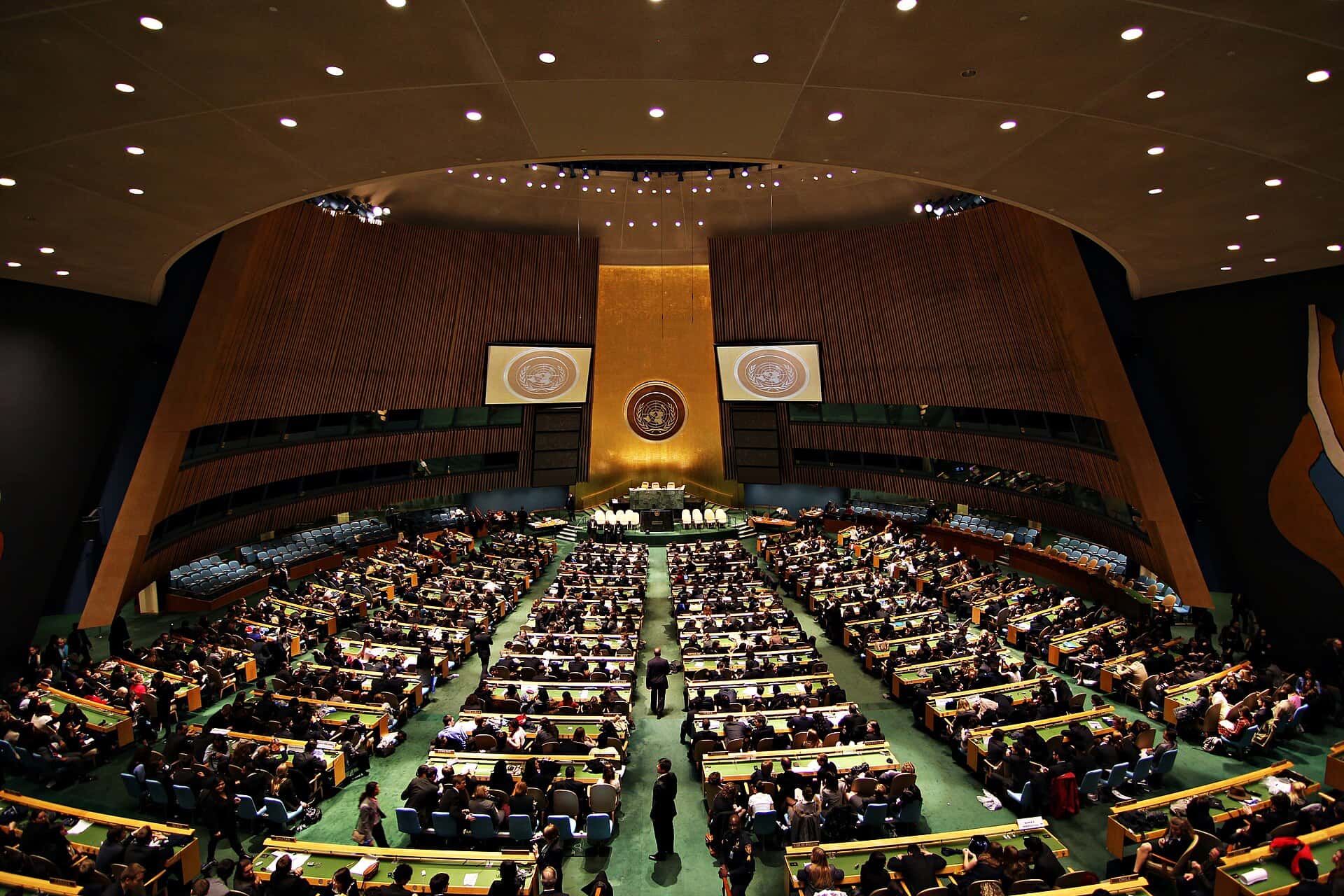
The United Nations General Assembly votes Wednesday, Oct. 28, for the 34th time on a resolution calling for an end to the U.S. economic embargo on Cuba. This year's vote follows a shouting match on the Assembly floor between U.S. Ambassador Mike Waltz, a former Florida congressman, and Cuban Foreign Minister Bruno Rodríguez. The resolution is expected to pass by a wide margin, as it has every year. The question in Miami, Washington and Havana is whether the Trump administration's lobbying can again cut into that margin. Last year it shrank to its smallest in decades.
What the Assembly is voting on
The draft resolution, document A/81/L.5, carries the same title it has for three decades: "Necessity of ending the economic, commercial and financial embargo imposed by the United States of America against Cuba." General Assembly resolutions are not legally binding, and only Congress can lift the embargo, which federal law has written into statute since the 1990s. The vote is still treated as a yearly reading of world opinion on Washington's Cuba policy. The AP reported that this year's text targets what it calls the U.S. "maximum pressure policy."
The United States first imposed the embargo in 1960, after Fidel Castro's revolution toppled Fulgencio Batista and nationalized property owned by U.S. citizens and companies. Cuba first brought the resolution to the Assembly in 1992, and it has come up every year since except 2020, when the pandemic disrupted the schedule.
A clash on the Assembly floor
The debate turned personal Tuesday, Oct. 27. As Waltz detailed what he described as years of corruption by Cuba's socialist government, members of the Cuban delegation, including Rodríguez, slammed their table and called for a point of order, NBC 6 South Florida reported. Rodríguez then walked to the front of the Assembly and called Waltz a liar. Waltz told him to back away from the podium. He said he would not be intimidated in the United States, and U.N. security staff moved in. The president of the General Assembly briefly suspended the session before the debate resumed.
Waltz also rejected Cuba's use of the word blockade. He argued that a blockade means a ring of military ships around an island and that none exists. He called the vote political theater by Havana. Rodríguez answered on X. He said Waltz was speaking at the United Nations, not at a White House national security meeting, called the U.S. statements "crude lies," and called the U.S. measures "economic aggression" and a "criminal energy blockade," according to the AP.
It was the second public confrontation in a week. Days earlier, Waltz had a similar exchange with Cuba's U.N. ambassador, Ernesto Soberón Guzmán, outside a U.S.-hosted panel featuring Cuban dissidents and former political prisoners.
How past votes have gone
For most of the last decade the United States stood nearly alone. That changed in 2025, after Washington pressed other governments to vote no. Recent results, according to U.N. records and wire reports:
| Year | In favor | Against | Abstained | Notes |
|---|---|---|---|---|
| 2019 | 187 | 3 | 2 | Brazil, Israel, U.S. against |
| 2023 | 187 | 2 | 1 | U.S., Israel against; Ukraine abstained |
| 2024 | 187 | 2 | 1 | U.S., Israel against; Moldova abstained |
| 2025 | 165 | 7 | 12 | Argentina, Hungary, Israel, North Macedonia, Paraguay, Ukraine, U.S. against |
Argentina, Hungary and Ukraine voted against the measure for the first time in 2025, NBC 6 reported. It is unclear whether this year's lobbying will add more no votes or abstentions, including among Western allies that have long voted with Cuba on this resolution, the AP reported.
Pressure on the island
The vote comes as the Trump administration escalates its campaign against Havana. In late January, President Donald Trump announced tariffs on any country that sells or supplies oil to Cuba. The AP reported that this has effectively cut off fuel to the island, causing widespread blackouts that disrupt cooking, water supply and phone and internet service. Cuban officials argue that Washington demands an economic opening, including private investment, while adding sanctions that block it.
Last week, at a rally in Florida, Trump again raised the possibility of U.S. military action, saying warships returning from the Iran war could stop off Cuba. The AP described the administration's broader goal as changing Cuba's political system through economic pressure.
The Florida angle
Few places watch this vote as closely as South Florida. The Cuban exile community there has backed the embargo for generations as leverage against the government in Havana. The U.S. side of this fight is run largely by Floridians. Waltz represented a Northeast Florida district in Congress before joining the administration. Secretary of State Marco Rubio, a Miami-born son of Cuban immigrants, has made Cuba policy a signature issue throughout his career. Miami's Cuban American members of Congress, Mario Díaz-Balart, María Elvira Salazar and Carlos Giménez, have long been among the embargo's strongest defenders on Capitol Hill.
The vote also lands as many exiles grow frustrated that the pressure has not produced change on the island. The flow of people between Florida and Cuba has also come under strain, from deportations of Cubans to third countries to Havana's terrorism charges against a group of Florida-based men it says raided the island by speedboat. For Cuban families in Miami-Dade, the blackouts the AP describes are not abstract. They decide whether relatives on the island can cook, keep medicine cold or charge a phone to call home.
What's next
The Assembly is set to vote Wednesday after the debate wraps up. The measure is expected to pass. Two numbers will draw attention in Washington and Miami: how many countries join the United States in voting no, and how many abstain. A tally close to last year's 165 to 7 would show the administration's lobbying holding. A further drop in support would show it gaining. A return toward the 187 votes of 2023 and 2024 would show it losing ground. Whatever the result, the resolution does not change U.S. law. The embargo stays in place unless Congress acts, and the administration has signaled it intends to tighten it.
Spotted an issue with this article?
Have something to say about this story?
Write us a letterComments
No comments yet. Be the first to weigh in.
Related Coverage

Port of Fernandina Gets $11 Million Federal Grant to Fight Flooding and Repair Docks, Sen. Ashley Moody Says
1h ago

Miami Real Estate Brokers Oren and Tal Alexander and Brother Alon Sentenced to 30 Years Each for Sex Trafficking
2h ago
Iran War Has Cost at Least $47 Billion, Says Tampa-Based CENTCOM, as Florida Gas Holds Above $4
3h ago

Florida-Based Villa Vie Halts Its Multi-Year World Cruise in Cambodia Over Fuel Costs, Stranding About 200 Residents
5h ago