Starting Nov. 3, Every Traveler Flying Into the U.S. Must Sign an Ebola Attestation: What Florida Flyers Need to Know
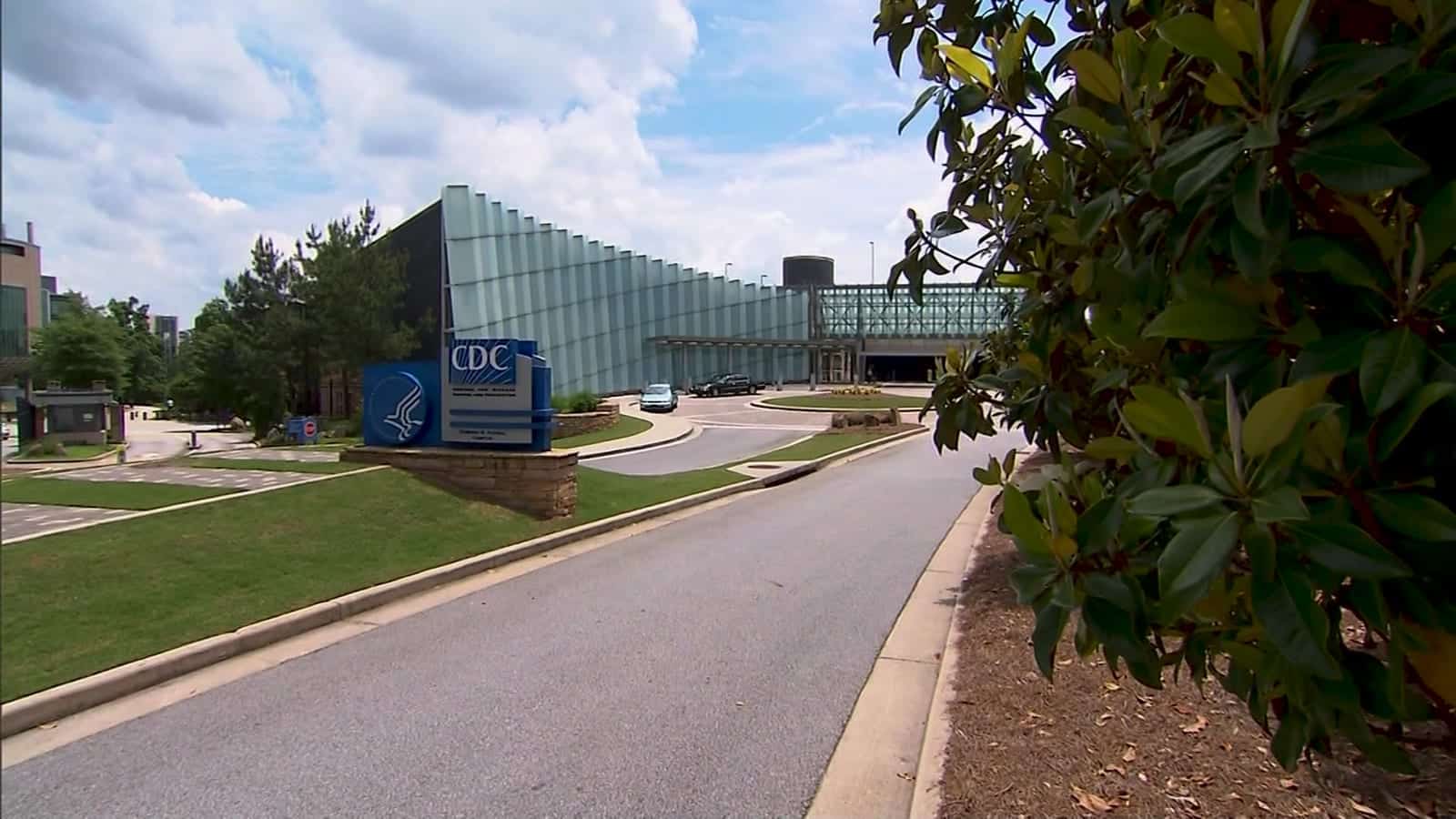
Every person boarding a flight to the United States from a foreign country will have to sign a statement that they have not been in the Democratic Republic of the Congo in the past 21 days, under a federal health order that takes effect at 11:59 p.m. Eastern time Tuesday, Nov. 3. The requirement, tied to the large Ebola outbreak in Congo, applies to U.S. citizens and foreign visitors alike, to passengers who are only connecting through a U.S. airport, and to flight crews, which means it will touch nearly every international traveler arriving at Miami International, Fort Lauderdale-Hollywood, Orlando, Tampa and other Florida airports.
What the order requires
The order, issued by the Centers for Disease Control and Prevention and signed Oct. 28 by Assistant Secretary for Health Brian Christine, bars airlines from boarding anyone on an aircraft destined for the United States from a foreign country unless that person presents a signed attestation, on paper or digitally, confirming they were not present in Congo during the 21 days before boarding. It applies to flights departing at or after 11:59 p.m. Eastern on Nov. 3.
Key details from the order:
- It covers every person on board, including passengers, pilots and flight attendants on duty, and crew traveling as deadheads. It applies to commercial, cargo, private and general aviation flights.
- It applies whether the United States is the final destination or a connecting point en route to another country. Overflights that never land are exempt.
- "Presence" in Congo includes changing planes at a Congolese airport, even without leaving the aircraft.
- A parent or other authorized representative may sign for a child under 18 or for someone unable to sign for themselves.
- Someone who left Congo may board a U.S.-bound flight on day 22, with the departure day counted as day 0.
The attestation is a statement to the federal government, so knowingly signing a false one can be prosecuted under federal false-statement law, the order says. Airlines must review each attestation before boarding, refuse to board anyone without one and keep copies for at least 42 days. The order runs until Dec. 18, 2026, unless it is rescinded, modified or extended.
Why the CDC acted
The outbreak is caused by the Bundibugyo virus, a rarer species of Ebola for which there is no widely approved vaccine or specific treatment, according to the order. As of Oct. 18, Congo had reported 9,455 confirmed cases and 4,561 deaths across eight provinces, centered in Ituri Province in the east, the order states. The European Centre for Disease Prevention and Control has since reported more than 10,000 confirmed cases.
The CDC said in the order that weak contact tracing, conflict and porous borders mean substantial undetected spread, and that infected people can travel for up to 21 days before symptoms appear. It cited a physician infected in Congo who flew internationally and was diagnosed only after arriving in France, and Kenya's first cases, which began with a traveler who flew from Uganda to Nairobi in early October. The CDC says the overall risk to the American public and travelers remains low.
How it fits with existing travel restrictions
The attestation is layered on top of restrictions already in place. Under current CDC rules, travelers, including U.S. citizens, who were in Congo within the previous 21 days may not board flights to the United States. Non-citizens who were in South Sudan or Uganda in that window may not enter the country, and U.S. citizens returning from those two countries must enter through Washington Dulles, Atlanta's Hartsfield-Jackson or New York's John F. Kennedy airport for screening.
None of Florida's airports is on that list, which means travelers with recent time in the affected region should not expect to clear entry in Miami, Orlando or Tampa. The new attestation is how airlines will confirm, for everyone else, that no one on the plane falls into the Congo category.
What it means at Florida airports
For the vast majority of Florida travelers, the attestation will be one more box to check. The CDC has encouraged airlines to build the statement into online and app check-in, and passengers should expect to complete it with their airline before boarding a flight to the United States, not on arrival at a Florida airport. Travelers who cannot or will not sign may be denied boarding.
The connecting-flight provision is especially relevant in Florida. Miami International is a major gateway between Latin America, the Caribbean and Europe, and international passengers who only change planes in Miami are covered by the order just as if Miami were their destination. Families should plan to sign for children traveling with them.
Cruise passengers should read the order closely. It covers people arriving by aircraft, so it does not by its terms apply to passengers sailing back into PortMiami, Port Everglades or Port Canaveral aboard ship. Travelers who end a cruise at a foreign port and fly home to Florida, however, will need to sign before boarding that flight. The CDC also advises people being monitored after time in an affected country to avoid cruise travel during their 21-day monitoring period.
The CDC's returning-traveler guidance says the agency may share contact information for travelers who were in affected countries with state or local health departments, which in Florida means the Florida Department of Health and its county offices.
Airline industry pushback
Airline groups have objected to the order's speed and scope. Airlines for America, the trade group for major U.S. carriers, and the International Air Transport Association sent separate letters urging the CDC to reconsider, saying six days was not enough time to comply, according to news reports. Airlines for America called the plan overly stringent, costly and burdensome, asked for exemptions for crew members, the military and jumpseat travelers, and said that of roughly 130 million air passengers screened by U.S. Customs and Border Protection in 2025, fewer than 25,000 had a connection to Congo, according to those reports. As of the weekend, there was no public sign the CDC would delay the start date.
The order says airlines that fail to comply may face criminal penalties, with fines of up to $200,000 for organizations, and that an airline that cannot confirm every attestation on a flight will not receive clearance to unload passengers at a U.S. airport.
What's next
The requirement begins with flights departing at 11:59 p.m. Eastern on Tuesday. Travelers returning to Florida from abroad in the coming weeks, including over Thanksgiving, should check with their airline for how it is collecting the statement. The order is set to expire Dec. 18, and the CDC says any extension or change will depend on case counts, geographic spread and containment capacity in Congo and neighboring countries.
Spotted an issue with this article?
Have something to say about this story?
Write us a letterComments
No comments yet. Be the first to weigh in.
Related Coverage

Pia Dandiya and Casey Askar Battle for Florida's Open, Coast-to-Coast 22nd Congressional District
1h ago
NTSB Leads Probe of Learjet 60 Crash That Killed 9 Near Greenacres as Hundreds Remain Displaced
2h ago
Moskowitz vs. Singer: Florida's Redrawn 25th District Goes to Voters in One of the Nation's Most Expensive House Races
2h ago
María Elvira Salazar faces her toughest re-election test yet as Eliott Rodriguez targets Miami's 27th District
3h ago