States Sue HUD to Block Mixed-Status Housing Rule, but Florida Families Face the Dec. 14 Deadline Without Their State in the Fight
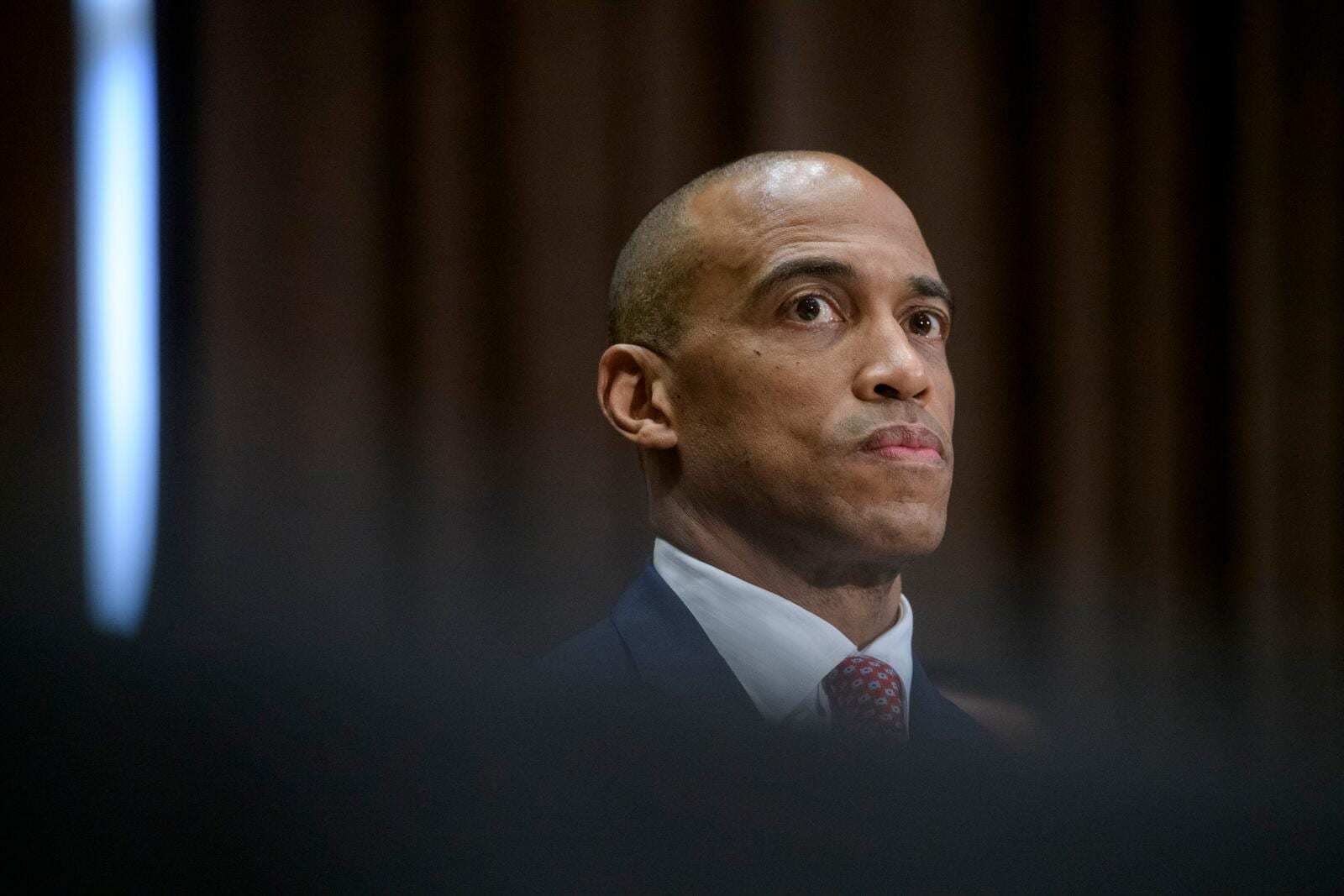
Twenty-one states and Pennsylvania's governor sued the U.S. Department of Housing and Urban Development on Monday, Nov. 23, to stop a rule that would end federal housing assistance for families in which even one member lacks eligible immigration status. Florida is not among them. That means families in Florida's public housing and Section 8 programs will face the rule's Dec. 14 effective date and its March deadline with no challenge from their own state, and their best hope of a pause rests on a federal judge in Massachusetts.
The rule, finalized by HUD Secretary Scott Turner and published in the Federal Register on Nov. 12, reverses a policy in place for roughly three decades that let so-called mixed-status families stay in assisted housing with their rent subsidy reduced to cover only eligible members. HUD's own estimate is that about 20,000 mixed-status families nationwide, totaling roughly 78,100 people, would lose assistance.
What the rule does
The final rule, titled Verification of Eligible Status, applies to programs covered by Section 214 of the Housing and Community Development Act of 1980. According to HUD, those include public housing, the Housing Choice Voucher program known as Section 8, project-based vouchers and certain other Section 8 and Section 236 programs. Some programs for elderly and disabled residents, including Section 202 and 811 rental assistance contracts, are excluded.
Under the rule, every household member must verify U.S. citizenship or eligible immigration status for the family to keep its assistance. People who claim citizenship must now document it. The rule also eliminates the option for a household member to decline to contend eligible status, the mechanism that allowed mixed-status families to remain together under the prior rules.
HUD's guidance gives mixed-status family members who have not yet submitted evidence 90 days after the Dec. 14 effective date to do so, which falls in mid-March 2027. Prorated assistance continues only while that verification is pending. Families that are not mixed-status must submit evidence by their next annual or interim recertification. Public housing authorities and private landlords would also have to report tenants who fail verification to the Department of Homeland Security, according to the Associated Press.
Turner has framed the rule as protecting taxpayers. "American taxpayers will no longer foot the bill," he said when HUD announced the final rule on Nov. 10. In a statement to the AP, he said the rule guarantees that only citizens and certain eligible noncitizens will live in HUD-funded housing and would redirect up to $218 million to eligible Americans on waiting lists. HUD has said a joint audit with DHS found nearly 200,000 assisted tenants whose eligibility had incomplete or unknown verification.
The lawsuit
The suit, filed in federal court in Massachusetts, is co-led by California, New York and Massachusetts. The attorneys general of Arizona, Colorado, Connecticut, Delaware, Hawaii, Illinois, Maine, Maryland, Michigan, Minnesota, New Jersey, New Mexico, Oregon, Rhode Island, Virginia, Vermont, Washington, Wisconsin and the District of Columbia joined, along with Pennsylvania Gov. Josh Shapiro, according to the coalition's announcements.
The states argue that Congress expressly authorized prorated assistance for mixed-status families and that HUD has no power to undo it by regulation. They also claim the rule is arbitrary and capricious under the Administrative Procedure Act because it ignores the costs it shifts onto state and local governments, and they ask the court to block enforcement. "No child should lose their home over a parent's immigration status," California Attorney General Rob Bonta said, calling the rule "cruel" and "unlawful." Bonta estimated about 7,000 California households would be affected.
Separate challenges have been filed by tenant groups, including a complaint in the same Massachusetts federal court on Nov. 19 and a suit in the Central District of California.
Why Florida is on the sidelines
The coalition is made up of states with Democratic attorneys general, plus Pennsylvania's Democratic governor. Florida Attorney General James Uthmeier has aligned the state with the administration's immigration agenda, and Florida law already requires every county jail to participate in federal immigration enforcement. Florida was also absent from the 22-attorney-general coalition that filed comments opposing the proposed version of the rule in April.
Because the states asked the court to block the rule, the scope of any order matters for Floridians. If a judge limits relief to the plaintiff states, Florida families would remain under the rule even if it is paused elsewhere.
How many Florida families could be affected
HUD has not published a state-by-state count of mixed-status households, and no official Florida figure is available. The national estimate of 20,000 families is drawn from HUD's analysis of households receiving assistance as of December 2024.
The pool of assisted housing in Florida is large. The University of Florida's Shimberg Center for Housing Studies counted about 27,400 public housing units in 219 developments statewide and nearly 69,000 units in HUD-assisted private multifamily properties in its 2025 report, in addition to tenant-based vouchers.
Miami-Dade County runs the state's biggest voucher program. Its Public Housing and Community Development department says it has more than 20,000 vouchers in circulation, nearly one-fifth of all vouchers in Florida, and provides rental assistance to more than 19,000 families, housing over 45,000 people. The county also manages more than 6,000 public housing units. Other housing authorities across Florida, from Broward County to Jacksonville, run their own programs and will have to carry out the same verification steps.
What families and housing authorities face
For local housing authorities, the rule means collecting and verifying citizenship documents from every member of every assisted household, not just applicants who claim eligible immigration status. Landlord and housing authority groups have raised concerns about the short window to comply. For mixed-status families, the choice under the rule is stark: a member without eligible status leaves the household, or the family loses the subsidy. Critics, including the states in the lawsuit, say that could split up families or push out U.S. citizen children.
What's next
The rule takes effect Monday, Dec. 14, unless a court intervenes. The states have asked the court to block enforcement, no ruling had been issued as of Tuesday, and HUD has defended the rule. If it stands, the 90-day window for mixed-status families to document every member's status would close in mid-March, the point at which Florida households that cannot verify all members would begin losing assistance.
Spotted an issue with this article?
Have something to say about this story?
Write us a letterComments
No comments yet. Be the first to weigh in.
Related Coverage

White House Removes National Cyber Director Sean Cairncross After a Week of Outages That Reached Florida's DMV, Airports and Banks
10m ago
Thanksgiving Dinner Costs More for the First Time Since 2022, and the South's Bill Rose Faster Than the Nation's
37m ago

House Democrats Put Brian Hughes and His Kennedy Space Center Role on Their Oversight List as They Prepare to Take Control of Congress
4h ago
G20 Summit at Trump National Doral Is Three Weeks Away: What Miami-Dade Residents Need to Know About Closures, Schools, Costs and Protests
5h ago