Jaguars Enter Year Two Under Liam Coen With Lawrence Easing Into Preseason
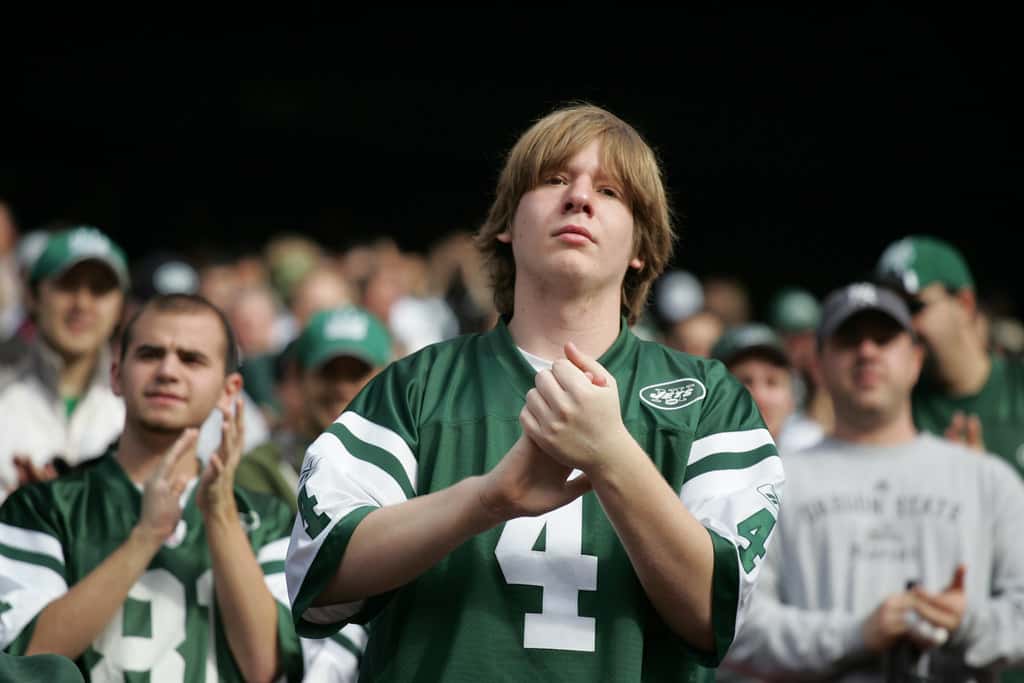
The Jacksonville Jaguars close their preseason on Aug. 28 when they host the Tampa Bay Buccaneers at EverBank Stadium at 7:30 p.m., the final tune-up before a season that begins with the franchise carrying real expectations for the first time in years.
Jacksonville finished the 2025 regular season on an eight-game winning streak, went 13-4, and won the AFC South before its season ended with a home wild card loss to the Buffalo Bills. That result put the franchise in an unfamiliar position: a proven team entering a season as a favorite rather than a hopeful.
Quarterback Trevor Lawrence enters his second season under head coach Liam Coen. Coaching staffs have managed his preseason snaps carefully, with Coen indicating that Lawrence and other established starters would sit for the preseason opener at New Orleans while getting limited work in subsequent games.
The eight-game winning streak that closed 2025 is the specific evidence that something changed. Streaks of that length are rare and generally indicate a team that solved something structural rather than one riding variance. It also created a difficult comparison: a team that finishes a season playing its best football sets an expectation that it will resume at that level, when in practice rosters turn over and opponents adjust during the offseason.
Lawrence in year two of the system
Lawrence produced the best statistical season of his career in 2025 under Coen, setting personal bests in touchdown passes with 29, rushing yards with 359, and rushing touchdowns with nine. The rushing production is the more telling number, because it reflects a scheme that asks him to be a threat with his legs in a way previous Jacksonville offenses did not.
Second years in a system are historically where quarterbacks make their largest jumps. The offense becomes automatic rather than deliberate, protection adjustments happen faster, and the quarterback can begin manipulating coverage rather than simply reading it. Reports out of camp have described Lawrence as comfortable and confident.
He is 26, which places him in the front half of his physical prime with substantial NFL experience already accumulated. That combination is what teams build around.
Travis Hunter's two-way usage is the most closely watched personnel question in the league. Playing meaningful snaps at both wide receiver and cornerback at the professional level has essentially no modern precedent, and the practical constraints are conditioning, practice repetitions, and injury exposure. How Jacksonville allocates his snaps between the two positions, and whether that allocation shifts as the season progresses, will be a running storyline rather than a question settled in August.
The weapons around him
Jacksonville's receiving group is one of the more interesting in the league. Brian Thomas Jr. established himself early in his career as a legitimate number one target. Travis Hunter, the two-way player the franchise invested heavily in, is the roster's most distinctive asset and its most closely watched.
The quarterback room behind Lawrence lists Nick Mullens, Carter Bradley, and Joey Aguilar. Preseason games are primarily about sorting that group and about evaluating the bottom of the roster, which is why Lawrence's snap count in August is deliberately low.
Preseason for a team like Jacksonville is a roster-construction exercise rather than a competitive one. The starters are known. The final ten spots on the 53-man roster and the practice squad allocation are the actual business of August.
Divisional strength affects playoff seeding in ways that compound. A division where all four teams are competitive produces more losses for the eventual winner but also a stronger strength of schedule. A weak division produces a champion with an inflated record and a lower seed than the record suggests. The AFC South has spent most of the past decade in the second category, which is part of why its champions have struggled in the postseason.
Jacksonville's schedule includes an annual game in London, part of the NFL's international series, which the franchise has participated in longer than any other club. That arrangement gives the team a second market and additional revenue but costs it a home date and imposes travel that other teams do not face. The competitive effect of the transatlantic trip has been debated for years without clear resolution, and the franchise has generally structured its bye week around it.
The AFC South picture
Jacksonville enters as the division's defending champion, and analysts have generally listed the Jaguars as AFC South favorites for 2026. The division contains Houston, Indianapolis, and Tennessee, and it has been among the more volatile in the league, with the title changing hands frequently over the past decade.
Winning a division carries the same structural benefit in the NFL that it does elsewhere: a guaranteed home playoff game. Jacksonville got one last season and lost it. Converting a home wild card game is the next step for a franchise that has reached the postseason but has not advanced deep in it since the 2017 season.
The wild card loss to Buffalo is the specific memory the season is built against. A 13-4 team that wins eight straight to close the regular season and then loses at home in January has a clear diagnostic problem to solve.
The three Florida franchises also compete for a shared pool of fan attention, corporate sponsorship, and media coverage in a state where a large share of residents moved from elsewhere and retained allegiances to the teams they grew up with. Visiting fan contingents at Florida stadiums are routinely larger than at venues in most other markets, a phenomenon particularly visible when teams from the Northeast and Midwest visit in December and January.
The Florida NFL landscape
Florida's three NFL franchises are in three distinct situations. Jacksonville is the ascendant one, entering the season as a division favorite with a quarterback playing his best football. Tampa Bay remains competitive in the NFC South. Miami is in transition, with Jeff Hafley in his first year as head coach after replacing Mike McDaniel, and a quarterback situation that has been reset following Tua Tagovailoa's benching late in the 2025 season.
The Bucs and Jaguars meet on Aug. 28 in the preseason finale for both, the third of three Tampa Bay preseason games alongside contests against the New York Jets and Kansas City. Preseason games between in-state teams draw local interest disproportionate to their competitive meaning.
Miami's preseason includes games against the New York Giants on Aug. 22 and Atlanta on Aug. 28, and the franchise is working through a roster reshaping under Hafley, who has signaled an intent to make the team more physical than it was under the previous staff.
Stadium construction also affects capacity and operations during the project. Renovation phases can reduce seating, alter concourse flow, and change parking access, all of which affect the gameday experience and the revenue the franchise generates from it. The agreement structuring the project allocates costs between the team and the city, and its terms include commitments regarding how long the franchise remains in Jacksonville.
Jacksonville and EverBank Stadium
The Jaguars play in a stadium in the middle of a major renovation project, part of a stadium agreement between the franchise and the City of Jacksonville. That project shapes the franchise's operational plans over the next several seasons and is a significant public investment for the city.
Jacksonville is the smallest media market with an NFL franchise in a state that has three of them, and the team's viability has been a recurring topic for two decades. Sustained on-field success is the most direct answer to that question, and a 13-4 season followed by a competitive 2026 would substantially change the conversation.
The franchise also plays an annual game in London, which has been part of its business model for over a decade and which extends its commercial reach beyond Northeast Florida.
Roster cuts are the part of late August that determines a season more than the games do. Teams reduce from 90 players to 53, and the decisions at the back of the roster shape special teams quality and injury depth, both of which reliably separate playoff teams from those that collapse when starters are unavailable. Players released by other teams also become available, and front offices spend the days after cuts working the waiver wire.
What's next
The preseason finale against Tampa Bay is Aug. 28 at EverBank Stadium. Roster cuts to the 53-man limit follow shortly after, and the regular season begins in September.
Jacksonville's opening schedule and specific dates are published by the club. The team's first unofficial preseason depth chart has been released, which is the document that indicates where camp competitions currently stand.
For fans, the meaningful information between now and the opener will come from the injury report and the final roster decisions. Nothing that happens on Aug. 28 will tell anyone much about how the season goes, and that is by design.
Fans can follow the roster process through the club's official channels, which publish transactions as they are filed with the league. The NFL's injury reporting requirements begin during the regular season rather than the preseason, which means August availability information is less standardized and comes primarily from beat reporting and coach media sessions.
For fans, the practical calendar between now and Week 1 runs through the Aug. 28 preseason finale, the roster reduction that follows, and the release of the first official injury report once the regular season begins. Ticketing for the home opener and season packages runs through the club, and EverBank Stadium's ongoing renovation means seating configurations and entry procedures may differ from prior seasons. The club publishes gameday details including bag policy and parking access ahead of each home date.
Spotted an issue with this article?
Have something to say about this story?
Write a letter to the editorComments
No comments yet. Be the first to weigh in.
Related Coverage
Ashton Daniels Runs for Five Touchdowns as Florida State Routs Virginia 38-7
5h ago
Drew Rasmussen Takes No-Hitter Into Eighth as Rays Blank Yankees 1-0 in ALDS Game 1
22h ago
No. 8 Florida Gators Routed 45-17 at No. 25 Missouri, Suffer First Loss Under Jon Sumrall
23h ago

Miami Heat open Giannis Antetokounmpo era with preseason game in Quebec City
23h ago