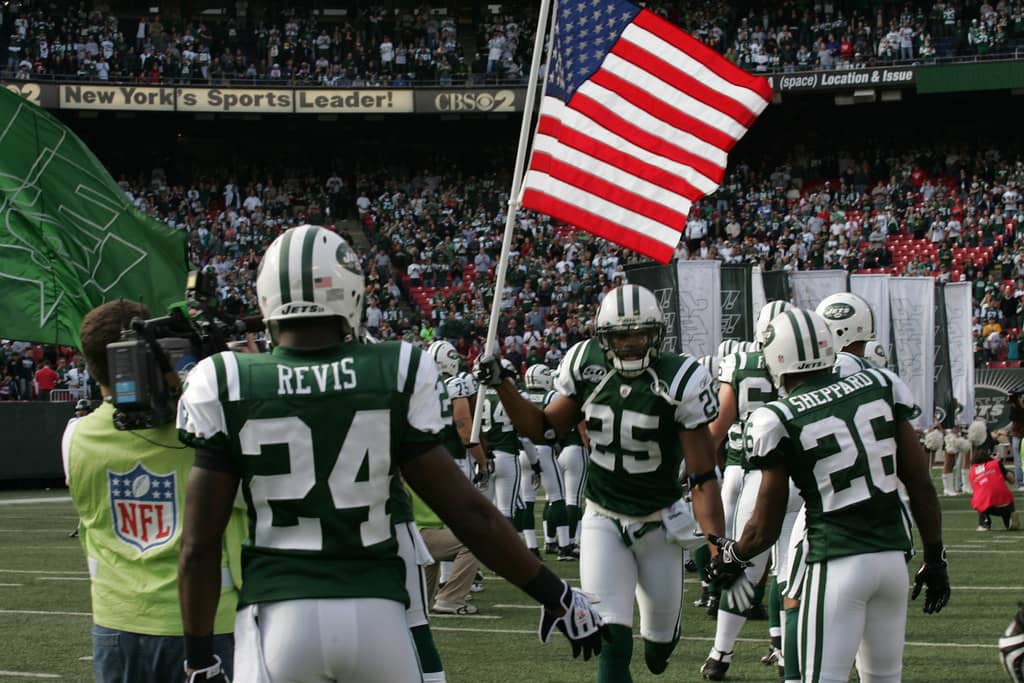
UCF Beats TCU 21-13 in Orlando as Penalties and Turnovers Sink the Horned Frogs

UCF beat TCU 21-13 on Saturday afternoon at Acrisure Bounce House in Orlando, handing the Horned Frogs a road loss in a game TCU's own athletic department described as one in which its offense could not get much going and in which penalties and turnovers proved decisive.
The final margin of eight points understates how much the game turned on TCU's self-inflicted problems. Holding a Big 12 opponent to 13 points is a defensive result, and combining it with a clean enough offensive performance to reach 21 gave UCF a win over a program that has appeared in a national championship game within the past several years.
The result is the kind that matters disproportionately for UCF. The Knights joined the Big 12 in 2023 after a long stretch in the American Athletic Conference, and beating an established member of the league on a home field in front of a home crowd is precisely the type of validation a newer conference member needs.
How the game was decided
TCU's account of the loss centered on penalties and turnovers, the two categories that most reliably cost teams games regardless of talent differential. A turnover hands the opponent possession and often field position. A penalty at the wrong moment converts a third down into a first down for the other team or erases a gain of 20 yards.
The combination is particularly damaging on the road. A visiting offense already dealing with crowd noise and communication difficulty compounds the problem when it commits procedure penalties, and the cumulative effect is drives that end without points in a game where points were scarce for both teams.
Thirteen points for a Big 12 offense represents a clear defensive success for UCF. Modern college football scoring norms mean holding a Power conference opponent under 20 generally requires either turnovers, sustained pressure or both, and the Knights got enough of it to make 21 points sufficient.
The game was played in an afternoon window, which in late September in Central Florida means heat and humidity that visiting teams from Texas are better equipped for than most, though Florida's first significant fall cold front cleared the state over the weekend and delivered the driest air the region has seen since spring.
What it means for UCF
UCF's transition to the Big 12 has been the defining project of the program's recent history. The Knights built a national profile in the American Athletic Conference with undefeated seasons and a claim to a national championship that the sport's establishment declined to recognize, and the move to a Power conference was the institutional goal that followed.
Competing in the Big 12 is a different proposition from dominating the American. The league is deep rather than top-heavy, with a large number of teams capable of beating any other on a given Saturday, and a newer member has to establish that it can win those games rather than merely be competitive in them.
Beating TCU specifically carries weight. The Horned Frogs reached the College Football Playoff national championship game in the 2022 season and have been among the more consistent programs in the conference, which means this is a win over an established member rather than over a fellow newcomer.
Home wins also matter for the program's local footing. UCF competes for Central Florida attention with the Orlando Magic, Orlando City SC, Orlando Pride, the region's enormous tourism economy and the broader pull of Florida, Florida State and Miami. Filling the Bounce House for Big 12 games depends on the team winning them.
The Orlando sports market
UCF is the largest university in Florida by enrollment and one of the largest in the country, which gives the athletic department an alumni and student base that few programs can match in raw numbers. Converting that base into consistent football attendance and revenue has been the ongoing challenge.
The stadium environment is a genuine asset. The Bounce House, built into the campus, has a reputation for noise and for a student section that affects games, and its on-campus location differentiates UCF from Miami, which plays 20 miles from campus at Hard Rock Stadium.
Orlando's professional sports calendar creates both competition and opportunity. The Magic and the city's two professional soccer teams occupy overlapping months, but the region's population growth has been among the fastest in the country, expanding the base of potential fans for all of them.
The city has also become a significant neutral-site host. Camping World Stadium downtown stages multiple bowl games and neutral-site season openers, which keeps college football in front of Central Florida audiences beyond UCF's own schedule.
A strong Saturday for Florida programs
UCF's win was one of four by Florida's Power conference programs on the same day. Florida beat fourth-ranked Ole Miss 52-28 in Gainesville to reach 4-0, sixth-ranked Miami beat Central Michigan 52-3 at Hard Rock Stadium to reach 4-0, and Florida State beat Central Arkansas 34-7 in Tallahassee.
The quality of opposition varied widely across those four results. Florida beat a top-five team. Miami and Florida State beat teams they were heavily favored against. UCF beat a Power conference opponent in a game decided by eight points, which places its win second in significance on the day behind only the Gators.
Recruiting is where the collective effect registers. Florida produces one of the highest concentrations of Division I football talent in the country, and prospects weighing in-state options now see four programs that won on the same Saturday, two of them ranked and two of them with Power conference wins.
For UCF specifically, the recruiting pitch has changed fundamentally since the Big 12 move. The program can now offer Power conference competition, conference championship access and the playoff path that comes with it, which was not available during the American Athletic Conference years regardless of how many games the Knights won.
Where TCU stands
A road loss to a conference opponent in late September is recoverable but expensive. The Big 12 has no divisions, which means the conference championship game pairs the top two teams by record, and every conference loss in that structure counts directly against a team's position.
TCU's description of the loss as an offensive failure compounded by penalties and turnovers is the kind of self-assessment that points toward correctable problems rather than structural ones. Turnover margin in particular tends to regress toward the mean over a season, and a team that loses a game primarily on giveaways is generally better than that single result suggests.
The Horned Frogs' program trajectory since the 2022 playoff run has included both strong seasons and difficult ones, a pattern common among programs that reach a peak beyond their recruiting baseline. Sustaining that level requires either recruiting at a higher tier or continuing to develop players more effectively than competitors.
The remaining Big 12 schedule will determine whether Saturday becomes a footnote or the start of a difficult stretch. In a conference where most teams finish between four and seven conference wins, a single September loss rarely settles a season by itself.
Why a Power conference win travels further than the score
Eight points is a narrow margin, and in most weeks a narrow home win over an unranked opponent is a footnote. The exception is when the winner is a recent arrival to a conference and the loser is one of its established programs, because in that situation the game is functioning as an argument about whether the newcomer belongs.
UCF has had to make that argument since 2023. The Knights spent their American Athletic Conference years being told that their undefeated seasons did not count because of who they played, and the answer to that complaint was to change conferences. Having done so, the program now has to win the games that the complaint said it could not.
The financial stakes behind conference membership are substantial. Power conference media rights distributions dwarf what the American paid, and those revenues fund facilities, coaching salaries and support staff that compound over time into on-field results. Winning Big 12 games is what protects that position.
The distinction matters for how the season should be read. A UCF team that finishes with a middling conference record but beats two or three established Big 12 programs along the way has accomplished something the win-loss column will not capture.
What is next
UCF moves into the heart of its Big 12 schedule, which is where the program's season will be decided. Beating TCU establishes that the Knights can win against an established conference member; doing it repeatedly is the difference between a competitive season and a conference contention season.
The Knights will not appear in the top 25 on the strength of a single eight-point home win, but consistent results against Big 12 opponents through October would put the program in the conversation. Ranking matters less than conference standing in a league where the championship game determines the playoff representative.
Attendance and atmosphere through October will be a visible measure of whether the win moves the local needle. Big 12 home games against recognizable opponents are the product UCF sold when it made the conference move, and the response in the stands is the market's verdict on it.
For Central Florida sports fans, the fall calendar is filling out. UCF football runs through November, the Magic open their NBA season in October, and Orlando City SC and the Orlando Pride move toward their respective playoff windows, with MLS postseason play beginning in mid-November.
The Knights' athletic department will also take the result as a data point in a longer argument about resources. Competing in the Big 12 requires facilities, staffing and recruiting budgets that match the conference's established members, and wins over programs like TCU are what university administrators cite when they ask donors and trustees to fund that investment.
Spotted an issue with this article?
Have something to say about this story?
Write a letter to the editor