ULA Targets Nov. 13 Return to Flight for Vulcan From Cape Canaveral After Nine-Month Grounding
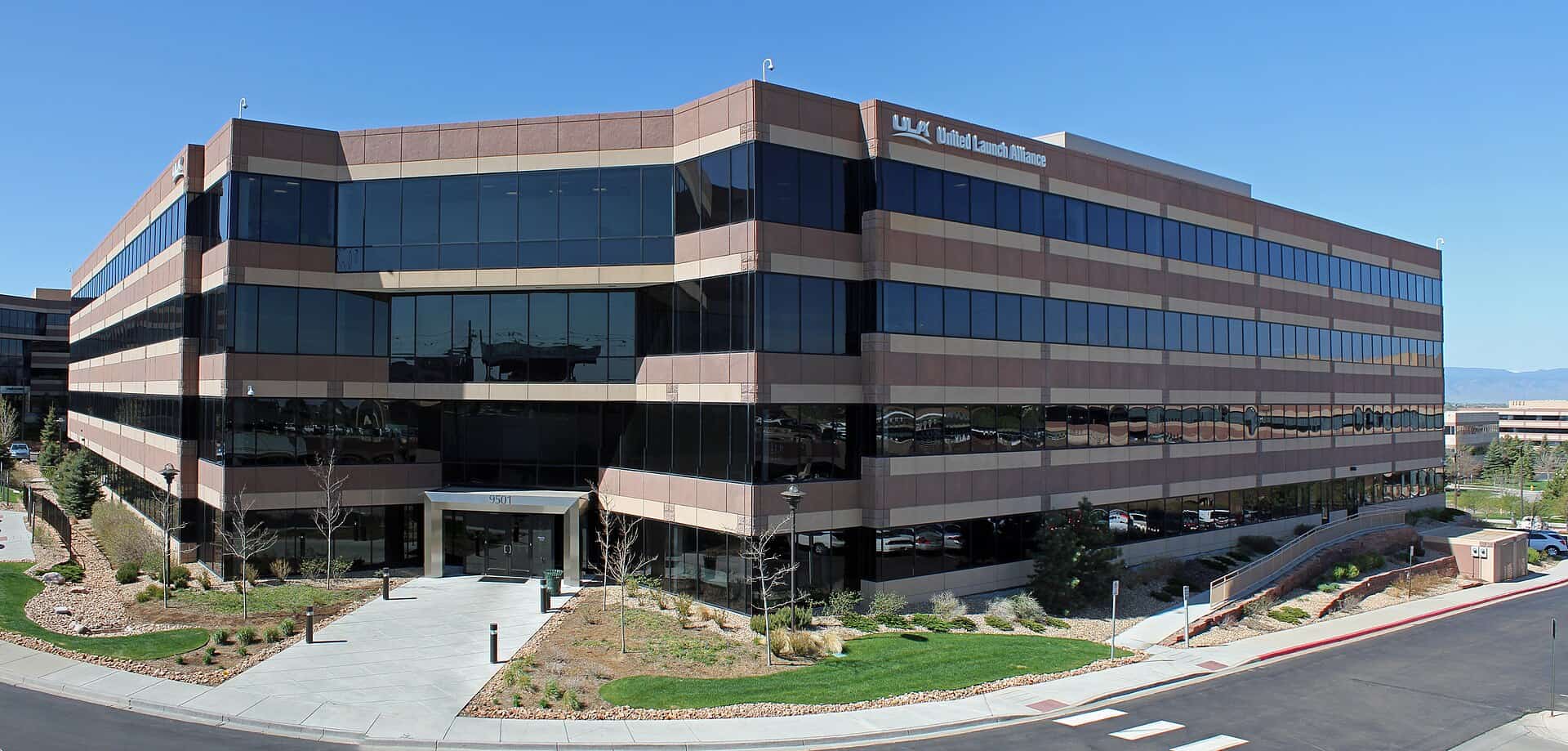
United Launch Alliance plans to fly its Vulcan rocket again on Friday, Nov. 13, from Space Launch Complex 41 at Cape Canaveral Space Force Station, ending a grounding that began after a solid rocket booster nozzle failed during a national security launch on Feb. 12. The mission, which ULA has called Leo Vulcan 1, will carry 40 Amazon Leo broadband satellites, and the date remains subject to approval from the Eastern Range.
The flight is about more than one commercial payload. It is the first test of a redesigned booster nozzle, and the U.S. Space Force has said it wants to see data from commercial Vulcan flights before putting the rocket back on its national security manifest. For Florida's Space Coast, where every Vulcan so far has launched, a clean launch would restore a second provider for military missions that have been flying only on SpaceX rockets since February.
What is launching
According to reporting by SpaceNews, Air & Space Forces Magazine and other outlets after ULA's Oct. 28 announcement, the mission will be Vulcan's fifth flight and its first in the most powerful configuration, with six Northrop Grumman GEM 63XL solid rocket boosters strapped to the core stage. Every earlier Vulcan flew with two or four boosters.
It will also be Amazon's first launch on Vulcan. Amazon has booked 38 Vulcan launches for its Leo constellation, the satellite internet network formerly known as Project Kuiper. Until now, ULA has flown Amazon satellites on its older Atlas V rocket from the same Cape Canaveral pad. ULA's July 2 launch of 29 satellites, called Leo 8, brought its total to 224 Amazon satellites, and Amazon Leo launch systems director Melissa Wuerl credited ULA with "launching 224 satellites with a 100% success rate across all eight missions." At the time, ULA said Leo Vulcan 1 and later missions would follow.
What went wrong in February
Vulcan lifted off from SLC-41 at 4:22 a.m. EST on Feb. 12 carrying the USSF-87 mission, a multi-satellite payload for the Space Force that included a Geosynchronous Space Situational Awareness Program spacecraft bound for geosynchronous orbit. The rocket flew in its four-booster configuration.
Less than 30 seconds after liftoff, the nozzle on one of the four GEM 63XL boosters malfunctioned, according to multiple reports. The rocket's other stages compensated, and ULA declared the mission a success after delivering the payloads to orbit. But it was the second nozzle failure in four Vulcan flights.
The first came on Vulcan's second certification flight on Oct. 4, 2024, also from the Cape, when a booster nozzle came apart about 37 seconds into flight. Investigators traced that failure to a manufacturing defect in an insulator bonded inside the nozzle assembly. The Space Force certified Vulcan for National Security Space Launch missions on March 26, 2025, after a campaign covering 52 certification criteria, and the rocket flew its first military mission, USSF-106, from SLC-41 on Aug. 12, 2025, before the February failure.
The fix
ULA and Northrop Grumman have not publicly released a single root cause for the February anomaly. In its announcement, ULA said the team had "identified several potential contributors which have been mitigated through design and process improvements to the nozzle," according to a reprint of the statement.
Northrop Grumman test-fired a booster with the new nozzle design in May, and more ground testing is running in parallel with the return-to-flight mission, according to reports on the announcement. ULA chose to fly the revised nozzle on the Amazon mission, which means the November launch is also the first flight test of the hardware, with six boosters rather than four.
The Space Force is watching
After USSF-87, the Space Force paused national security launches on Vulcan. Vulcan remains certified, but the service has said it wants flight data from commercial missions before clearing the rocket for military payloads again. A senior Space Force acquisition official said in September that Space Systems Command would separately review data from the Amazon flight before returning Vulcan to the national security manifest, according to defense trade reporting.
In the meantime, the Space Force has moved several missions that had been assigned to Vulcan onto SpaceX's Falcon 9 and Falcon Heavy, including the final GPS III satellite launch, which was reassigned in March. Reports differ on the total number of missions shifted. That leaves SpaceX as the only company currently flying National Security Space Launch missions.
Why it matters for the Space Coast
All four Vulcan flights to date, including both national security missions, have launched from Brevard County. ULA's Vulcan and Atlas V launch from SLC-41, and SpaceX flies from neighboring SLC-40 and from Kennedy Space Center's Launch Complex 39A. A returning Vulcan adds another heavy-lift rocket to a range that the Space Force said at the start of the year it was prepared to support with up to 156 missions in 2026.
The Amazon contract also has a Florida footprint beyond the launch pad. Amazon processes its Leo satellites at a facility it built at Space Florida's Launch and Landing Facility, the former Shuttle Landing Facility at Kennedy Space Center. The company has said its investment there will exceed $140 million and that the site has generated more than 130 jobs on the Space Coast since 2024. Satellites built in Kirkland, Washington, are shipped to Florida, fueled and integrated there before launch, so a steady Vulcan cadence feeds directly into that operation.
The stakes are high for ULA, too. Mark Peller, the company's longtime chief operating officer who led Vulcan's development, was named president and CEO on Aug. 17, succeeding interim chief John Elbon. The November launch will be the first Vulcan flight under his leadership.
What's next
ULA is targeting Nov. 13 from SLC-41, pending Eastern Range approval; a launch time has not been announced, and dates can slip for weather, range conflicts or technical issues. If the flight goes well, the next questions are how quickly ULA can turn around further Amazon launches from the Cape and when Space Systems Command will finish its review and clear Vulcan for national security payloads again. A successful launch on Friday the 13th would put Florida's Space Coast back to two certified providers for the nation's most sensitive military satellites.
Spotted an issue with this article?
Have something to say about this story?
Write us a letterComments
No comments yet. Be the first to weigh in.
Related Coverage
Miami's Cruise Giants Beat Forecasts as Royal Caribbean Raises 2026 Outlook and Norwegian Tops Third-Quarter Guidance
3h ago

Florida ICE arrests nearly doubled this summer as local police under 287(g) deals do more of the work
6h ago
U.S. Economy Grows at 3.4% Pace in Third Quarter as Inflation Heats Up, Sharpening Florida's Cost-of-Living Debate Before Election Day
1d ago
Gainesville Medical Equipment Company Owner Convicted in $8.6 Million Medicare Brace Fraud Scheme
1d ago