US Strikes Iranian Targets in the Strait of Hormuz on Election Eve, Putting Tampa's CENTCOM Back at the Center of the Iran War
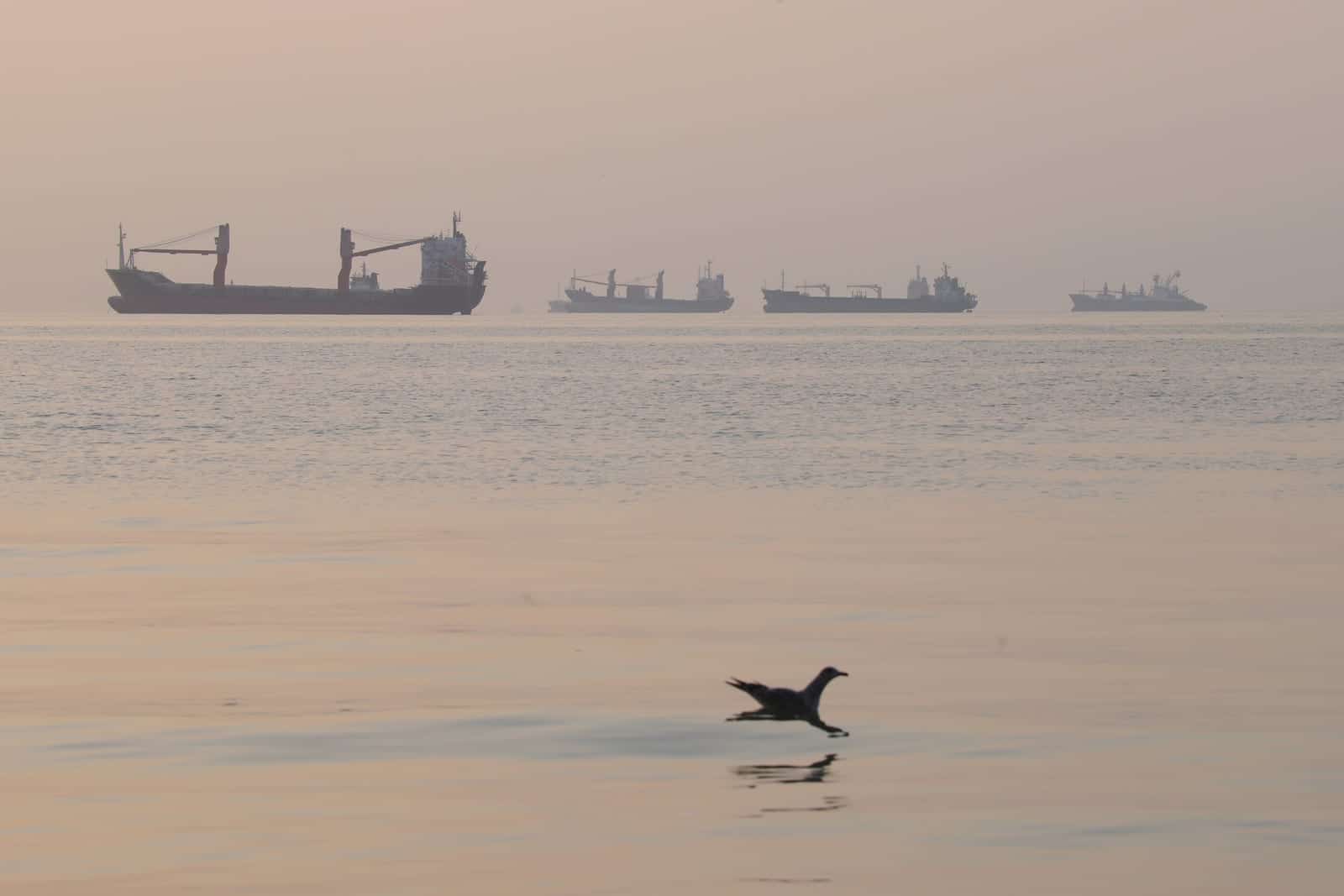
The United States carried out strikes on Iranian targets in the Strait of Hormuz on Monday, Nov. 2, a U.S. official said, in what appeared to be a limited operation launched on the eve of Tuesday's midterm elections. The official, who spoke to The Associated Press on condition of anonymity, said the strikes hit Iranians using surface-to-air missiles against U.S. assets in the strait. For Florida, the action lands close to home: the war is directed from U.S. Central Command headquarters at MacDill Air Force Base in Tampa, and its effect on gasoline prices has hung over the campaign that ends at 7 p.m. today.
The strikes were not publicly announced, unlike earlier attacks in the war, and it remained unclear Tuesday whether they mark a one-time response or the start of a wider resumption of fighting. The Wall Street Journal first reported them.
What happened in the strait
Iranian state media reported explosions on the islands of Qeshm and Hengam in the Strait of Hormuz and in the nearby mainland area of Bandar Abbas, according to the AP. The U.S. official described the action as defensive, saying it targeted "Iranians using surface to air missiles against U.S. assets."
The strait is one of the most important shipping lanes in the world. About a fifth of the world's oil supply flowed through it during peacetime, the AP reported. The Trump administration was last known to have carried out attacks on Iran in early September, but thousands of U.S. troops remain in the waters off Iran enforcing a naval blockade meant to keep tankers carrying Iranian oil off the global market. A third aircraft carrier and thousands of additional troops are on their way to the Middle East.
Shipping in the area remains dangerous. India's foreign ministry said a commercial vessel was attacked near Limah, Oman, on Monday, killing one Indian national, while 13 others were rescued. India's shipping minister said the Indian-flagged vessel MSV AL JUSUFI was hit by an unidentified aerial object. No one claimed responsibility, though Iran has previously claimed attacks on vessels it says took unauthorized routes through the strait.
Iran says the next move belongs to Washington
On Tuesday, Iranian state television quoted the country's chief negotiator and parliament speaker, Mohammad Bagher Qalibaf, as saying Iran had "delivered a firm and rational response to the American side. The ball is now in America's court to prevent war." It was not immediately clear what response he meant. Qalibaf told parliament that Iran remained ready "for battle with its finger on the trigger."
"If Washington makes another strategic miscalculation, it should know that this time it will face a new battlefield and will find itself even more desperate than it is today," he said.
Iran has said it has a two-day plan to reopen the strait and resume nuclear talks with the United States if Washington meets its demands. Tehran previously said such a plan could take a week and listed seven conditions, including lifting the blockade. Iranian officials now say ships using a reopened strait would have to follow a route agreed upon by Iran and Oman, and that the U.S. must lift sanctions on Iranian oil sales and agree to a ceasefire that includes Lebanon.
Iran is also preparing for a longer fight. Authorities opened a third military training center in Tehran on Monday and announced plans to train 1 million paramilitary volunteers through 1,500 training bases nationwide, the semiofficial ISNA news agency reported. Iran's new supreme leader, Ayatollah Mojtaba Khamenei, has told military chiefs that any response to a U.S. or Israeli threat should be immediate and without "geographic limits," according to the AP. His father, the previous supreme leader, was killed in the opening U.S. and Israeli strikes on Feb. 28.
Diplomacy and pressure from Israel
The strikes came hours after Vice President JD Vance offered measured optimism about a deal. "The president and I both feel pretty good about the prospects for potentially coming to a negotiated settlement. We're going to keep on working at it," Vance told reporters Monday. Vance sent a letter last week to Iran's security chief, Mohsen Rezaei, who told state television that "the tone has completely changed" from the U.S. and called it a "very good sign."
Two regional officials told the AP that Qatari mediators held two rounds of talks with Iranian officials last week and are trying to advance a framework in which Iran would stop its attacks in the strait in exchange for the U.S. lifting its blockade of Iranian ports. More talks are planned this week. At the same time, Israeli Prime Minister Benjamin Netanyahu has pushed President Donald Trump for another wave of strikes after the U.S. elections, including during a weekend phone call, according to the officials and a third person briefed on the call. Trump would not commit to military action, that person said.
Other U.S. allies in the region are warning against more strikes, saying they could prompt the Iran-allied Houthi rebels in Yemen to step up attacks on Saudi Arabia and Red Sea shipping, a regional official told the AP.
Why Tampa is at the center
Central Command, which oversees U.S. military operations across the Middle East, is headquartered at MacDill on Tampa's Interbay Peninsula. Adm. Brad Cooper, who took command in August 2025, ordered the start of Operation Epic Fury, the joint U.S. and Israeli campaign against Iran, on Feb. 28, The Florida Press previously reported. Any renewed operations would again be planned and directed from Tampa.
The command's own accounting, provided to lawmakers and reported by CBS News last week, puts the war's cost at no less than $47.1 billion as of mid-October, a figure that excludes repairs to U.S. bases damaged by Iranian drones and missiles. A recent AP analysis found that Iranian strikes on more than two dozen U.S. bases since the war began have caused billions of dollars in equipment damage.
Trump sought to play down the conflict in a speech in Washington on Monday billed as his closing argument to voters. "I don't know if you even call it a war, because we haven't been doing any fighting for months," he said, according to the AP.
The war has also reached Palm Beach. Last month the military deployed ground-based air defense systems in and around Mar-a-Lago at the Secret Service's request, NORAD and U.S. Northern Command confirmed to WPTV.
Gas prices and Florida drivers
Energy markets swung sharply around the news. Oil prices dropped Monday as diplomatic efforts appeared to gain ground, then rose in early Asian trading Tuesday after reports of the U.S. strike, Reuters reported.
Florida drivers have been paying more than $4 a gallon for regular gasoline this fall. AAA put the state average at $4.09 on Oct. 26, nearly $1.20 above a year earlier, with diesel at $6.14, according to figures reported by the News Service of Florida. AAA has said the seasonal switch to cheaper winter-blend gasoline should ease prices, but that high crude oil costs have offset much of that relief. A sustained rise in crude after Monday's strikes would push in the opposite direction.
The election backdrop
Trump had previously said the U.S. would not strike Iran before the midterms, the AP reported. The unpopular war and its effect on gasoline and other prices have been a vulnerability for Republicans as they try to keep control of Congress, and Trump has suggested hostilities could resume after the election unless Iran agrees to terms. At an Oct. 23 rally at Florida Gulf Coast University in Fort Myers, he told supporters, "We may do another little Epic Fury," as he urged Iran to make a deal.
Polls in Florida are open until 7 p.m. Tuesday. No results were available at the time of publication.
What's next
The key questions are whether Iran retaliates and whether this week's planned talks through Qatari mediators go forward. Vance said the administration's top concern is a firm and verifiable commitment from Iran not to rebuild its nuclear program. For Tampa Bay, home to the command running the war, and for Florida drivers watching the price at the pump, the answer to whether Monday's strikes were a contained response or a turning point may come within days.
Spotted an issue with this article?
Have something to say about this story?
Write us a letterComments
No comments yet. Be the first to weigh in.
Related Coverage
Haitian Gang Leader Tells AP He Asked the UN for Dialogue as Clashes Intensify, a Crisis Felt Deeply in South Florida
5h ago
Florida's Newly Naturalized Citizens Head to the Polls Amid Fears of Federal Agents and DHS Voter Probes
7h ago
Cost of Owning a Home in America Hits a Record $2,163 a Month, and Florida Homeowners and Renters Carry One of the Heaviest Burdens
9h ago

Blood Pressure Pill Recalled Nationwide After Failing a Lab Test: What Florida Patients Taking Olmesartan, Amlodipine and Hydrochlorothiazide Should Check
9h ago